

NEW YORK — Following an exhaustive, yearslong architectural and interior overhaul, IHG Hotels & Resorts has officially unveiled its new Americas flagship for the Crowne Plaza brand: the Crowne Plaza Manhattan Times Square. Boasting 685 keys, the massive property stands as a physical and strategic manifestation of the brand’s "New Modern" design philosophy. The multi-million-dollar transformation breathes new life into a storied piece of Manhattan real estate, marrying mid-century heritage with contemporary hospitality demands.
The grand reopening arrives at a critical juncture for New York City’s tourism sector, tapping into robust performance metrics across Manhattan’s lodging market. Backed by ownership group ARTIC (Al Rayan Tourism Investment Company), the revamped property is poised to capture the evolving desires of the modern "blended traveler"—professionals who seamlessly integrate business and leisure travel.
Main Facts: The Flagship Transformation
The newly minted flagship is defined by a comprehensive reimagining of its public spaces, guest rooms, and dining concepts. Situated at a premier crossroads just north of Times Square, the 685-room property places guests within striking distance of the Theater District, Central Park, and the corporate corridors of Midtown Manhattan.
Key elements of the transformation include:
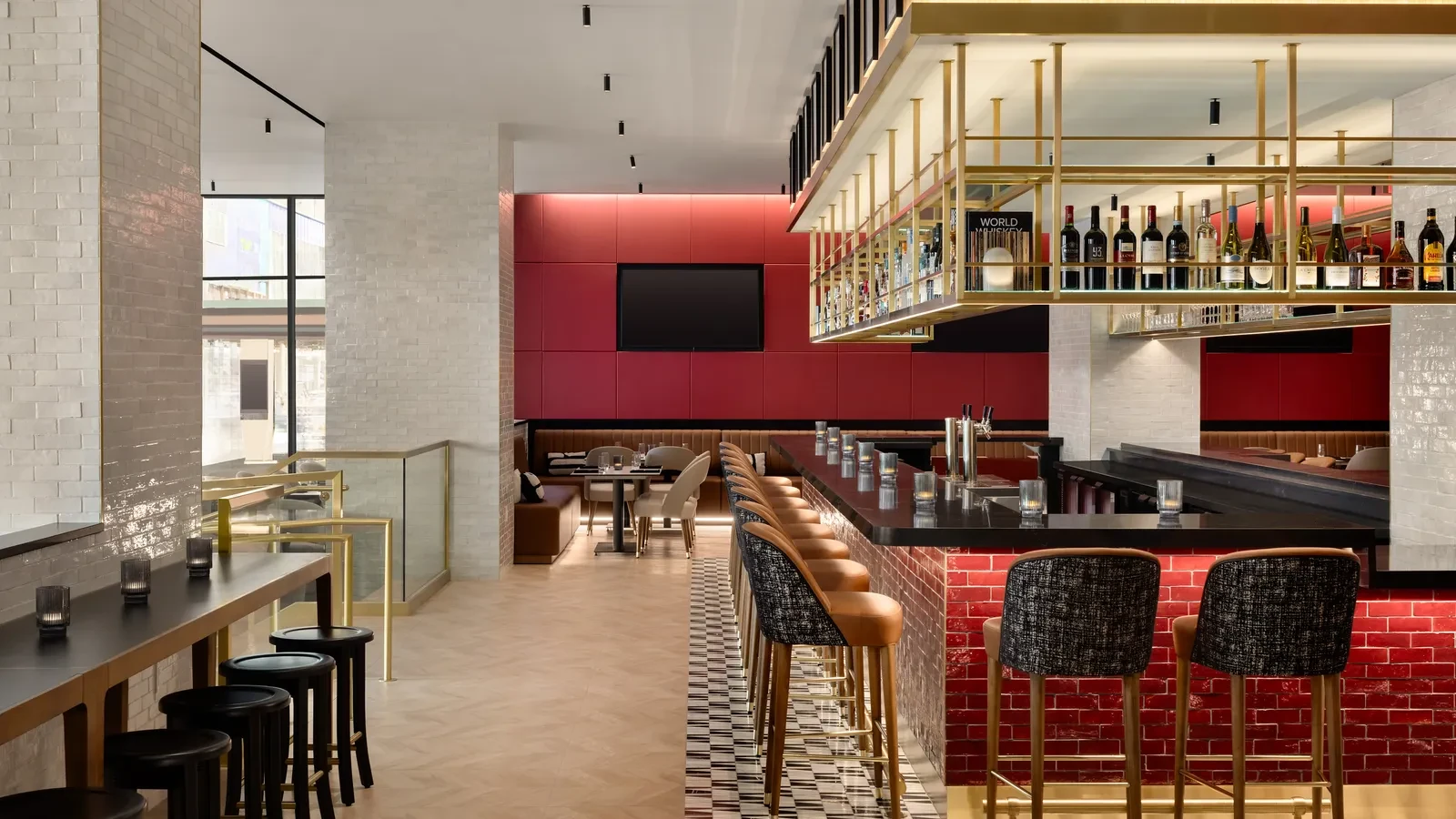
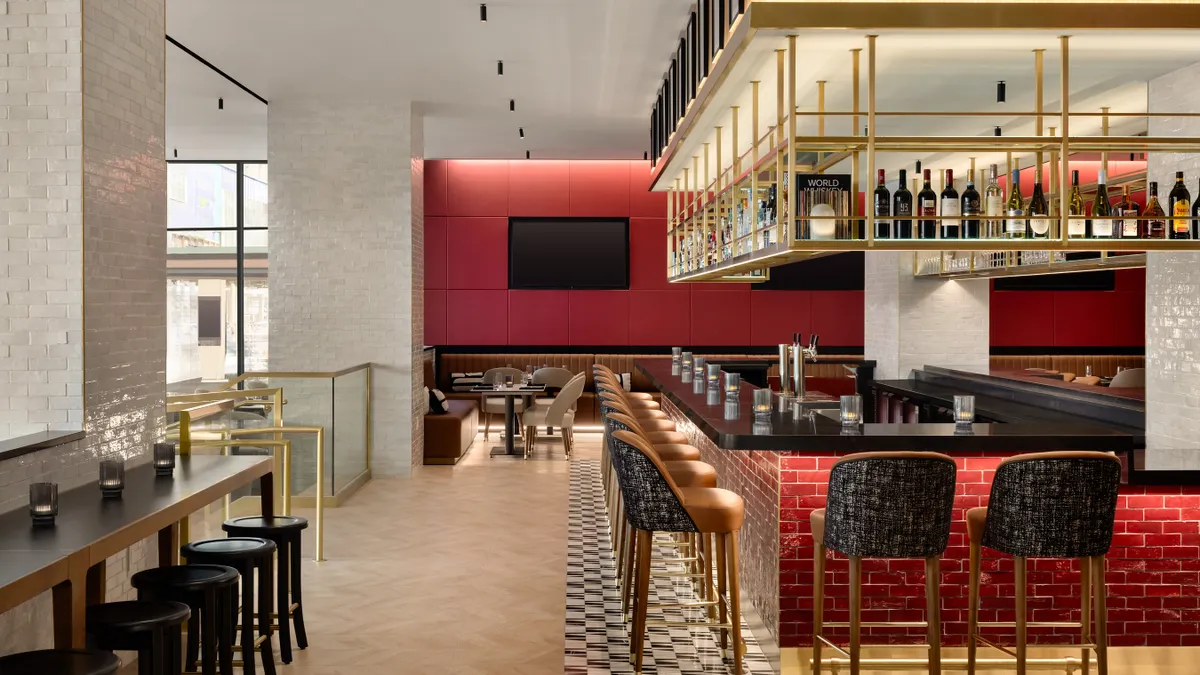
- Fifty-First Street Social: Named in honor of one of the property’s defining cross streets, this vibrant new venue serves as the hotel’s anchor all-day dining destination and evening cocktail lounge.
- The 24/7 Marketplace: A dedicated grab-and-go hub designed to cater to fast-paced travelers seeking quality food and beverage options on demand.
- Branded Guest Experiences: The hotel will roll out IHG’s signature programs, including food-and-beverage-focused Weekly Socials and wellness-oriented Daily Rituals.
- Flexible Meeting Spaces: Highlighted by The Studio, a newly configured venue engineered for intimate corporate gatherings, creative brainstorming sessions, and private events.
- Design Philosophy: Executed through IHG’s "New Modern" lens, the guest rooms and communal areas utilize warm woods, sleek lines, optimized lighting, and ergonomic workspaces that cater specifically to remote workers and business travelers.
Chronology: From the 1964 World’s Fair to a 21st-Century Flagship
To understand the weight of the Crowne Plaza Manhattan Times Square’s recent debut, one must look back at its origins and the grueling timeline required to modernize a historic concrete footprint.
1962–1964: Mid-Century Origins
The property’s history is deeply intertwined with the post-war expansion of New York City. Originally constructed in 1962, the building was erected in grand anticipation of the 1964 New York World’s Fair—an era defined by rapid urbanization, modernist architecture, and a surge in domestic and international tourism. For decades, the building served as a reliable anchor in the heart of Midtown, welcoming millions of visitors. However, as hospitality standards evolved toward experiential and design-forward stays, the physical asset required a fundamental rethinking to remain competitive in the 21st century.
The Years-Long Overhaul
Recognizing the untapped potential of the asset, ownership and management embarked on a multi-year, phased renovation. Constructing and renovating within the dense, high-traffic environment of Times Square presented distinct logistical challenges. Contractors and designers had to systematically gut and rebuild vast portions of the 685-key property while managing structural updates, modernizing mechanical systems, and completely refitting the interior design to align with modern sustainability and aesthetic benchmarks.
Present Day: The Flagship Unveiling
The culmination of these efforts is the newly minted Americas flagship. By transitioning the property into a flagship standard, IHG has established a physical benchmark for what the Crowne Plaza brand represents in the modern era—moving far beyond the cookie-cutter corporate hotels of the late 20th century.
Supporting Data: Riding the Wave of a Resurgent Manhattan Market
The debut of the Crowne Plaza Manhattan Times Square is strategically timed to capitalize on a booming New York City hotel market. According to recent data from a PwC index, the Manhattan lodging market experienced robust momentum through the first half of the year.
- RevPAR Growth: The market was buoyed by a strong Revenue Per Available Room (RevPAR) increase of more than 7% year over year.
- Average Daily Rate (ADR): Hoteliers enjoyed an ADR gain of 5.7%, signaling sustained pricing power despite broader macroeconomic uncertainties.
- Luxury and Upper Upscale Dynamics: While luxury properties drove much of the headline performance—seeing RevPAR increases of more than 10% year over year (nearly double the growth rate of upper-midscale through upper-upscale properties)—well-positioned flagship assets in prime locations are uniquely situated to capture spillover demand from high-spending corporate and leisure travelers.
Global Growth and Pipeline
The Manhattan flagship is part of a much broader expansion strategy for the Crowne Plaza brand. Globally, Crowne Plaza counts more than 400 open hotels with a robust development pipeline of nearly 150 properties. According to IHG projections, the brand is set to add more than 36,000 rooms in the coming years, expanding its global footprint by more than 35%. This aggressive growth trajectory underscores parent company IHG’s confidence in the enduring appeal of the upper-upscale segment.
Official Responses: Leadership Perspectives
Industry leaders have heralded the project not merely as a hotel renovation, but as a statement of faith in the resilience of urban hospitality markets, particularly New York City.
Ginger Taggart, Vice President of Brand Management for Global Premium Brands at IHG Hotels & Resorts, emphasized the strategic importance of the launch in an official statement:

"Our new flagship hotel for Crowne Plaza represents a defining moment for the brand. Guided by our New Modern design philosophy, every aspect of the traveler experience has been thoughtfully developed to meet the needs of today’s blended traveler."
Taggart’s comments point to a broader industry shift: the realization that modern travelers—who frequently blur the lines between work and vacation—require spaces that effortlessly transition from productivity zones to areas of relaxation and socialization.
Echoing this sentiment, Tarek El Sayed, Managing Director and CEO of property owner ARTIC, underscored the long-term vision behind the massive capital investment:
"This transformation represents much more than a renovation; it reflects our long-term vision for the asset and our confidence in New York and the strong US hospitality market."
ARTIC’s financial commitment highlights the willingness of institutional investors to deploy substantial capital into gateway cities, betting that iconic urban locations will continue to command premier valuations and occupancy rates.
Implications: What the Flagship Means for the Future of Crowne Plaza
The opening of the Crowne Plaza Manhattan Times Square carries significant implications for the hospitality industry at large and the Crowne Plaza brand specifically.
1. Redefining the "Blended Traveler" Experience
For years, traditional business hotels offered a predictable, sterile environment: a desk, a bed, and a generic boardroom. The "New Modern" philosophy seen at the Times Square flagship acknowledges that today’s professionals demand more. By integrating social spaces like Fifty-First Street Social, wellness initiatives through Daily Rituals, and agile environments like The Studio, IHG is setting a new template for how upper-upscale hotels can service guests who demand both high connectivity and personal well-being.
2. A Halo Effect for Global Franchisees
As the Americas flagship, the Manhattan property serves as a living showroom for prospective franchise owners and developers worldwide. When independent investors evaluate the 150-property global pipeline for Crowne Plaza, they will look to the Times Square location as the gold standard for brand execution. A successful flagship can dramatically accelerate pipeline conversions and bolster brand equity.
3. Confidence in Urban Real Estate
The successful completion and launch of a 685-key project of this magnitude in the heart of Manhattan offers a psychological and economic boost to urban commercial real estate. Following years of pandemic-era turbulence, remote work debates, and economic headwinds, major investments in New York City tourism infrastructure signal that the urban core remains a powerhouse for hospitality demand.
As the Crowne Plaza Manhattan Times Square welcomes its first wave of guests under its new banner, it stands as a testament to reinvention—proving that even mid-century icons can be successfully re-engineered to meet the sophisticated demands of the 21st-century traveler.
