

Main Facts
The global commercial roofing market is experiencing a significant structural shift. Due to prolonged supply chain disruptions affecting single-ply membrane systems—specifically Thermoplastic Polyolefin (TPO) and Ethylene Propylene Diene Monomer (EPDM)—contractors are increasingly returning to traditional torch-down (modified bitumen) and built-up roofing (BUR) applications.
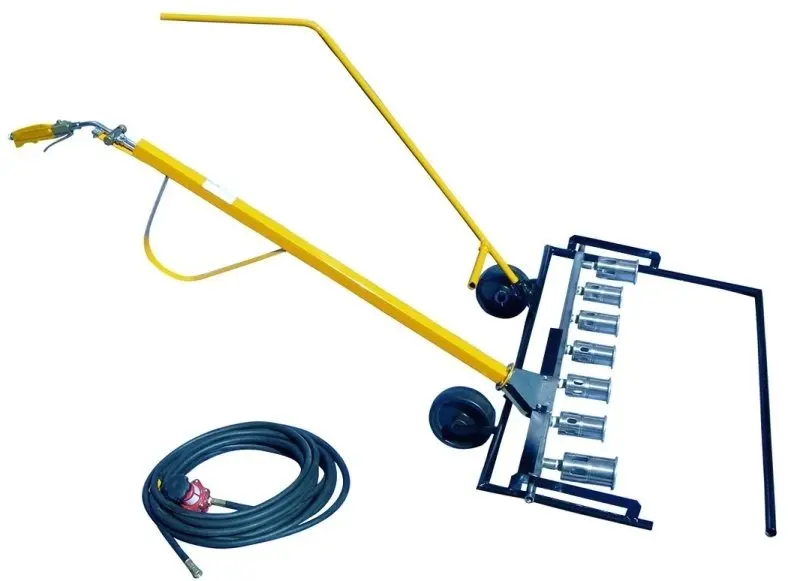
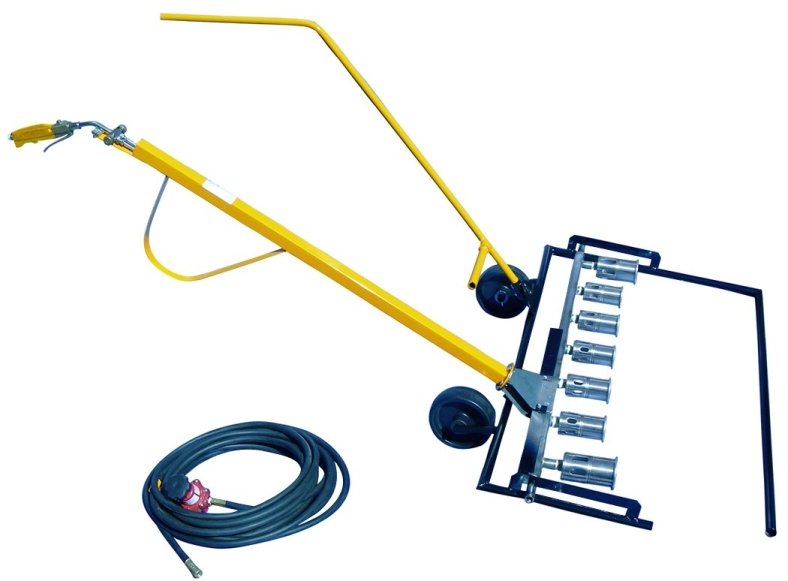
This transition is highlighted by a sharp rise in the sale of specialized heating equipment, liquid petroleum gas (LPG) torches, and multi-burner carriage systems such as the "Dragin Wagon." Concurrently, roofing contractors are reactivating asphalt kettles that had long sat idle in storage yards.
However, this pivot back to open-flame and high-temperature installations brings renewed safety risks. Because a significant portion of the current roofing workforce has been trained primarily in single-ply, cold-applied, or self-adhered systems, industry experts are emphasizing an urgent need to retrain workers on personal protective equipment (PPE) requirements, jobsite fire prevention, and specialized equipment operation.
+-----------------------------------------------------------------------+
|                       KEY INDUSTRY INDICATORS                         |
+------------------------------------+----------------------------------+
| Equipment Demand                   | Market Shift                     |
| • Spike in multi-burner sales      | • Single-ply supply shortages    |
| • Increased repair of hot kettles  | • Rise in torch-down contracts   |
| • High demand for safety gear      | • Focus on worker retraining     |
+------------------------------------+----------------------------------+
Chronology of the Shift
The Era of Single-Ply Dominance (2010–2020)
For over a decade, the commercial roofing industry saw a steady migration away from asphaltic-based systems toward single-ply membranes. TPO and EPDM became the dominant choices for low-slope commercial roofs, favored for their rapid installation times, lower weight, reflectivity, and the absence of open flames on the roof deck. Asphalt kettles and propane torches were increasingly relegated to specialized repairs or niche architectural projects.
The Pandemic and Petrochemical Supply Chain Crisis (2020–2022)
The onset of the COVID-19 pandemic, compounded by extreme weather events, severely disrupted global supply chains. In February 2021, Winter Storm Uri crippled the Texas Gulf Coast, freezing petrochemical plants responsible for producing critical raw materials, including MDI (methylene diphenyl diisocyanate)—a key component in the production of polyisocyanurate (polyiso) insulation boards—and various polymers used in TPO and EPDM membranes.
Lead times for single-ply materials stretched from a few weeks to upwards of nine to twelve months. Contractors faced severe project delays, escalating material costs, and contract penalties.
The Pivot to Modified Bitumen (Late 2022–Present)
Faced with empty distributor yards and mounting backlogs, commercial roofing contractors sought alternative systems to keep projects on schedule. Modified bitumen (both Atactic Polypropylene [APP] and Styrene-Butadiene-Styrene [SBS]) emerged as the most viable alternative. Because asphalt-based membranes rely on different chemical supply chains and manufacturing facilities, they remained far more accessible.
By late 2022, manufacturers and distributors reported a marked increase in the sales of torch-down rolls, LPG torches, walk-behind torch carriages, and kettle replacement parts, signaling that asphalt-based roofing had officially reclaimed a significant share of the market.
Supporting Data and Market Dynamics
To understand the scale of this shift, it is necessary to examine the market dynamics of both materials and equipment.
Material Availability and Lead Times
During the peak of the supply chain crisis, major commercial roofing manufacturers implemented allocation programs, limiting the volume of TPO and EPDM membranes that distributors could order. According to industry surveys conducted by the National Roofing Contractors Association (NRCA), lead times for single-ply systems peaked at 26 to 52 weeks in late 2021 and early 2022.
In contrast, modified bitumen membranes maintained relatively stable lead times of 2 to 6 weeks, making them highly attractive to building owners and general contractors eager to close in buildings before winter seasons.
TYPICAL LEAD TIMES (Peak Supply Chain Crisis)
=====================================================
Single-Ply (TPO/EPDM)   || [26 - 52 Weeks]
Modified Bitumen (Mod-Bit)|| [2 - 6 Weeks]
=====================================================
Equipment Sales and Maintenance Indicators
Equipment distributors, including industry suppliers like Roofmaster, reported a parallel surge in hardware sales. Key indicators of this market shift include:
- Multi-Burner Torches: Sales of multi-burner systems, such as the 7-burner Dragin Wagon, rose as contractors sought to maximize productivity amid labor shortages.
- Kettle Refurbishment: Repair shops reported a backlog of orders to service, clean, and recertify old asphalt kettles that had been decommissioned years prior.
- Safety Gear: Increased purchase volumes of specialty safety items, particularly Kevlar protective sleeves, heavy-duty leather welding gloves, and infrared thermometers.
Operational Best Practices and Safety Protocols
The reintroduction of open flames and molten asphalt to the roof deck requires a comprehensive review of safety standards. Working with temperatures exceeding $400^circtextF$ ($204^circtextC$) for hot asphalt and open flames reaching up to $2,000^circtextF$ ($1,093^circtextC$) from propane torches leaves no room for operational error.
Personal Safety and Protective Equipment (PPE)
Contractors must ensure that all field personnel are outfitted in appropriate safety gear designed for high-heat environments. Standard construction PPE is insufficient for torch-down applications.
- Flame-Resistant Clothing: Workers must wear long-sleeved shirts and long pants made of heavy cotton or flame-resistant (FR) materials. Synthetic fibers (such as polyester or nylon) must be strictly prohibited, as they can melt and adhere to the skin upon contact with hot asphalt or open flames.
- Kevlar® Sleeves and Leather Forearm Protectors: To prevent severe burns during torching and detailing, workers should wear Kevlar sleeves or leather forearm guards.
- Heavy-Duty Leather Gloves: Gauntlet-style leather gloves are required to protect hands and wrists.
- Face and Eye Protection: Safety glasses with side shields are mandatory, and full-face shields are highly recommended for workers operating kettles or handling hot asphalt transfer.
- Respiratory Protection: Dust masks or organic vapor respirators should be provided to workers operating in poorly ventilated areas near the asphalt kettle.
+-------------------------------------------------------------------+
|                     MANDATORY PPE FOR HOT WORK                    |
+-------------------------------------------------------------------+
| [x] Flame-Resistant (FR) Cotton Clothing                          |
| [x] Kevlar® Sleeves / Leather Forearm Protectors                  |
| [x] Gauntlet-Style Heavy Leather Gloves                           |
| [x] Face Shield & Safety Glasses with Side Shields                |
| [x] Closed-Lace Work Boots (No mesh or synthetic uppers)          |
+-------------------------------------------------------------------+
Jobsite Risk Mitigation and Fire Prevention
Before any torch is ignited, a comprehensive, site-specific safety plan must be established, documented, and signed by every member of the crew.
- Written Safety Plan: This document must outline the locations of gas cylinders, fire extinguishers, emergency exit paths, and the designated fire watch personnel.
- Fire Extinguisher Placement: Fully charged, certified Class ABC fire extinguishers (minimum 20-pound capacity) must be placed at strategic, easily accessible locations on the roof. A fire extinguisher must be positioned within 10 feet of any active torching operation and near the LPG storage area.
- Thermal Imaging and Infrared Monitoring: Roofers should use infrared thermometers or thermal imaging cameras to inspect walls, flashing details, coping caps, and penetrations. Wood framing, fiberboard insulation, and debris behind walls can smolder undetected for hours.
- The Fire Watch: A designated worker must remain on the jobsite for at least two to four hours after the last torch has been extinguished. This individual must walk the roof deck and perimeter with a thermal imaging camera to detect hidden hot spots.
POST-TORCH FIRE WATCH TIMELINE
===================================================================
[0 min: Torch Off] =======> [120 min: Standard Watch] =======> [240 min: High-Risk Watch]
                              * Visual scan                   * Thermal camera scan
                              * Check penetrations            * Inspect wood curbs
===================================================================
Specialized Equipment Operation: Torch Down and Carriages
Proper tool selection and operation are critical to achieving a durable roof system while maintaining a safe work environment.
- LPG Tank and Hose Inspection: All Liquid Petroleum Gas (LPG) cylinders must be checked for current inspection stamps, proper valve operation, and secure connections. High-pressure hoses must be inspected daily for dry rot, cracks, or deep abrasions. Soap-and-water bubble tests should be conducted regularly on all fittings to check for gas leaks.
- Dragin Wagon Best Practices: Multi-burner carriages like the Dragin Wagon are designed to heat and apply modified bitumen rolls evenly across a wide path. They must never be used as a roll dolly or transport cart. Misusing the equipment can damage the burner manifold, leading to uneven heat distribution or gas leaks.
- Heat Control and Material Application: Achieving a perfect weld requires a balance of speed and temperature. Too much heat damages the reinforcing scrim of the membrane and burns off the asphalt saturant, while too little heat results in a cold weld and premature seam failure.
- The Role of Specialized Tools: Installers should use heavy, steel-segmented rollers behind the torching apparatus to ensure uniform adhesion and proper asphalt "bleed-out" (typically $1/4$ to $1/2$ inch along the seam). For end laps, a granule embedder tool is highly recommended to press surface granules into the hot asphalt, ensuring a watertight, polymer-to-polymer bond. A roll puller should be utilized to position rolls smoothly, rather than manually kicking them, which can cause uneven tension and tracking errors.
Official Responses and Industry Standards
The return to torch-applied roofing has drawn the attention of major regulatory bodies, trade associations, and insurance carriers, all of whom emphasize structured training to mitigate risk.
The NRCA and the CERTA Program
The National Roofing Contractors Association (NRCA), in partnership with CNA Insurance, continues to advocate for the Certified Roofing Torch Applicator (CERTA) program. Originally developed in response to high insurance losses associated with torch-applied roofing, the CERTA program provides authorized training on safe torch-use techniques. Many commercial property insurance policies now mandate that any contractor performing torch-applied work must have a certified CERTA applicator on-site at all times.
In an official statement regarding safe hot-work practices, the NRCA noted:
"The physical properties of modified bitumen make it an excellent choice for low-slope roofs, but the open flame requires specialized training. We urge all contractors transitioning back to these systems to recertify their crews through the CERTA program to protect both their workers and the properties they service."
OSHA Regulations
The Occupational Safety and Health Administration (OSHA) strictly regulates hot-work operations under several standards, including 29 CFR 1926.352 (Fire Prevention) and 29 CFR 1926.150 (Fire Protection). OSHA inspectors focus heavily on the storage and handling of liquefied petroleum gases (29 CFR 1926.153), requiring that LPG cylinders be stored in an upright position, away from heat sources, and protected from physical damage. Failure to comply with these standards can result in severe citations and penalties.
Implications
The structural shift back to torch-down roofing and hot-asphalt applications has long-term implications for the construction sector, labor markets, and building design.
Labor and Training Hurdles
A primary concern for roofing contractors is the demographic gap in workforce experience. A significant portion of the current labor pool entered the trade during the decade of single-ply dominance. Consequently, many younger roofers have never operated an asphalt kettle, managed a multi-burner carriage, or executed a proper torch-applied flashing detail.
Contractors must invest heavily in training and apprenticeship programs to prevent safety incidents and installation failures. This learning curve may temporarily offset the productivity gains of switching to more readily available materials.
Labor Experience Gap:
┌────────────────────────────────────────────────────────┐
│ Experienced in Single-Ply (TPO/EPDM, Cold-Applied)     │ ████████████████ 85%
├────────────────────────────────────────────────────────┤
│ Experienced in Hot-Applied / Torch-Down (Asphaltic)    │ ████░░░░░░░░░░░░ 25%
└────────────────────────────────────────────────────────┘
Insurance and Liability Adjustments
As the volume of torch-applied projects increases, the insurance industry is adjusting its risk profiles. General liability premiums for roofing contractors are heavily influenced by the installation methods they employ.
Contractors who previously enjoyed lower premiums by working exclusively with single-ply, cold-applied membranes may face substantial rate increases when adding torch-applied capabilities to their policies. To maintain coverage and keep premiums manageable, companies must demonstrate rigorous adherence to safety standards, documented fire watches, and active CERTA certifications.
Hybrid Systems and Long-Term Design Trends
Architects and building specifiers are adapting to these supply chain lessons by designing more flexible, "hybrid" roofing systems. Rather than specifying a single-ply system that may suffer from material shortages, specifiers are increasingly writing open-ended specifications that allow for either single-ply or multi-ply modified bitumen systems.
This design flexibility ensures that projects can proceed regardless of localized supply chain bottlenecks, establishing a more resilient commercial construction industry.
