

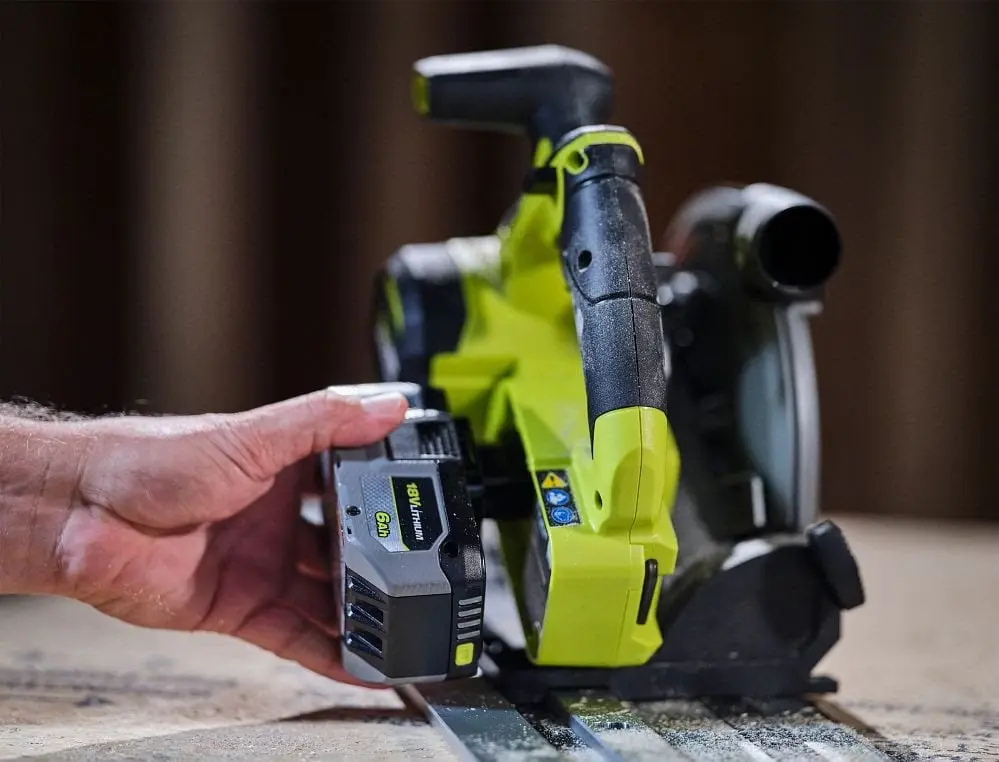
ST. LOUIS, MO — In a major move designed to eliminate consumer confusion and elevate the baseline performance of its massive cordless ecosystem, Ryobi has announced a sweeping overhaul of its 18V One+ battery lineup. For over two decades, the Ryobi 18V One+ platform has stood as a cornerstone of the DIY power tool market, renowned for its legendary backward and forward compatibility. However, as cell technology evolved, the brand’s catalog grew crowded with overlapping tiers: standard batteries, High Performance variants, and elite High Performance EDGE packs.
Beginning in August 2026, Ryobi is officially retiring its legacy tiering system. The company is streamlining its entire portfolio down to two distinct categories, embedding advanced electronics and enhanced thermal management into every single battery it manufactures. For millions of users invested in the green-and-black tool ecosystem, this restructuring promises simpler purchasing decisions, higher baseline power output, and zero compromise on tool compatibility.
Main Facts: The Core Changes to the Ryobi 18V Lineup
The heart of Ryobi’s 2026 announcement centers on simplification and technological elevation. The brand is systematically phasing out its traditional, entry-level "standard" batteries—those entry-tier packs that lacked advanced communication chips or heavy-duty discharge capabilities. In their place, every baseline battery will now carry the streamlined 18V One+ Lithium designation, essentially absorbing the performance characteristics of the former High Performance line.
At a glance, the restructured lineup consists of two primary families:
- The 18V One+ Lithium Series: Replacing the old standard and mid-tier High Performance batteries, this lineup introduces advanced internal architecture to everyday cells. This tier features three primary capacities: a compact 2.0Ah, a versatile 4.0Ah, and a high-endurance 6.0Ah.
- The 18V One+ EDGE Series: Retaining its spot as the apex predator of the Ryobi battery ecosystem, the EDGE series is designed for high-draw brushless tools and demanding job-site tasks. This lineup features high-capacity configurations including a 4.0Ah, an 8.0Ah, and a massive 12.0Ah power pack.
Crucially, Ryobi has confirmed that two core technological upgrades are now standard across the entire board. Intellicell Electronics—a smart circuit system that monitors individual cell balance, voltage, and temperature—will now govern every single 18V battery produced. First introduced in limited capacities around 2012, Intellicell technology ensures maximum power delivery and extends cell lifespan under heavy stress. Furthermore, every new pack incorporates Cool-Core heat management, a structural design element engineered to dissipate thermal buildup rapidly during high-draw operations.
Chronology: The Evolution of Ryobi’s 18V Ecosystem
To understand the significance of the 2026 battery overhaul, it is helpful to look back at how Ryobi’s 18V platform grew into one of the most successful tool ecosystems in history.
- 1996–2000s (The NiCd Era): Ryobi introduces the 18V One+ system, built originally around Nickel-Cadmium (NiCd) battery technology. The defining promise of the platform—that any 18V battery would fit any 18V tool, past or present—is established during this foundational period.
- The Lithium-Ion Transition: As lithium-ion chemistry takes over the industry, Ryobi successfully designs its lithium packs to fit the exact physical footprint of the original NiCd housing, maintaining unprecedented backward compatibility.
- 2012 (The Introduction of Smart Tech): Ryobi rolls out early iterations of Intellicell technology to optimize runtimes and protect packs from deep discharge and overheating.
- The Diversification Era (Mid-2010s to 2025): As brushless motors demand higher amp draws, Ryobi introduces "High Performance" (HP) batteries utilizing advanced 21700 cell formats, later followed by the "EDGE" architecture. While these batteries offer vastly superior power, the naming conventions and tier structures create confusion on retail shelves between standard, HP, and EDGE options.
- August 2026 (The Simplification Relaunch): Ryobi officially announces the retirement of standard-capacity legacy batteries. The brand unifies its entire catalog under the streamlined 18V One+ Lithium and EDGE banners, equipping every battery with baseline Intellicell and Cool-Core technologies.
Supporting Data: The New Battery Roster Breakdown
For tool users looking to upgrade or expand their power banks, navigating the new catalog requires a clear understanding of the available amp-hour (Ah) options and their intended applications.
The Standard-Bearers: 18V One+ Lithium Series
- 2.0Ah Compact Pack: Ideal for light-duty tasks, overhead driving, and tools where low weight and ergonomic balance are paramount (e.g., impact drivers, compact drills, and LED work lights).
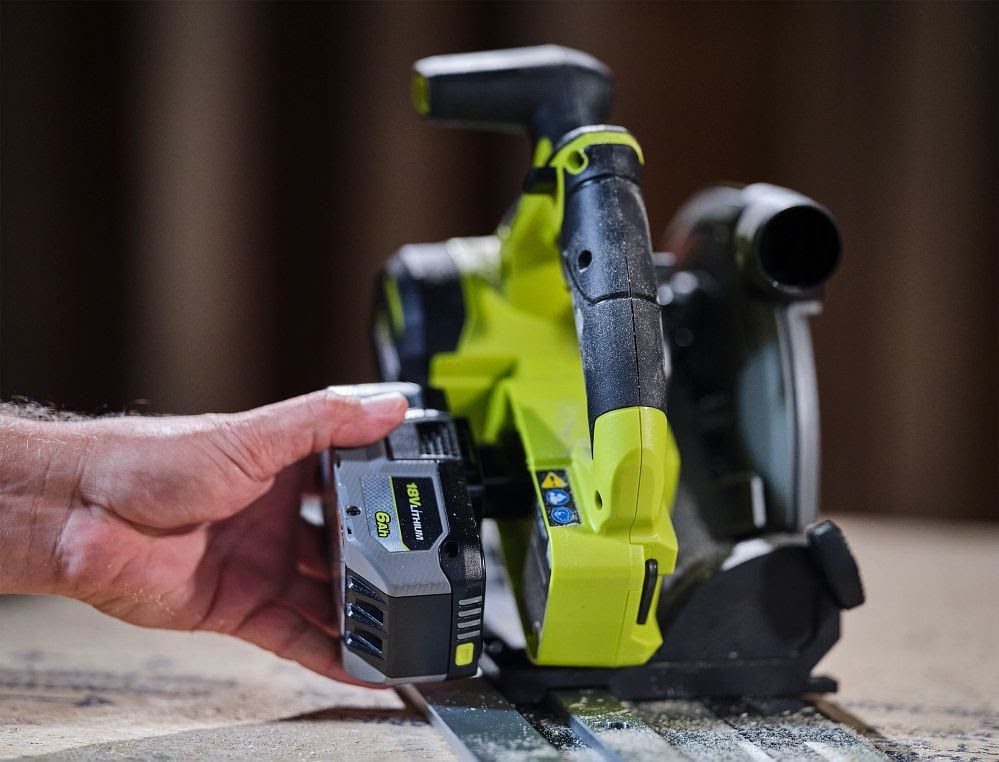
- 4.0Ah Medium-Capacity Pack: The perennial "sweet spot" for general DIYers, offering a balanced compromise between runtime, physical weight, and power delivery for circular saws, multi-tools, and string trimmers.
- 6.0Ah Extended-Capacity Pack: Engineered for heavy DIY tasks and continuous-use landscaping equipment, providing significantly longer runtimes without stepping up to the larger physical dimensions of the EDGE series.
The Heavy Hitters: 18V One+ EDGE Series
- 4.0Ah EDGE Pack: Delivers ultra-high discharge rates in a compact footprint, specifically tailored for high-torque brushless impacts and drills that demand maximum electrical current in short bursts.
- 8.0Ah EDGE Pack: A powerhouse designed for demanding outdoor power equipment (OPE) like lawnmowers and chainsaws, as well as heavy-duty job-site demolition tools.
- 12.0Ah EDGE Pack: The ultimate runtime solution for stationary table saws, miter saws, and extended outdoor property maintenance where corded-like power is required.
Official Responses and Industry Insights
Ryobi’s product development teams emphasize that this transition is a direct response to customer feedback and the rapid advancements in cordless power tool capabilities. In official statements accompanying the rollout, representatives highlighted that modern brushless motors require a higher baseline of electronic communication and thermal regulation than what legacy, entry-level standard batteries could safely provide.
"Our users expect the One+ system to handle everything from hanging drywall to cutting through dense pressure-treated lumber," notes product marketing material from Ryobi. "By standardizing Intellicell and Cool-Core technologies across our entire 18V catalog, we are ensuring that no matter which battery a customer picks up, they are getting optimized performance, enhanced safety, and maximum lifespan."
Industry analysts point out that this move mirrors a broader trend across the power tool landscape. As tool brands transition fully to brushless motor technology, "dumb" batteries—packs lacking microchips or thermal management—are rapidly becoming obsolete. By absorbing the high-performance tier into the foundational offerings, Ryobi is effectively raising the floor of what consumers can expect from entry-level cordless power.
Implications: Compatibility, Pricing, and What It Means for Your Toolbox
Whenever a major manufacturer restructures a core product category, user anxiety naturally centers around two questions: Will my existing tools still work? and How much will this cost me?
1. Absolute Backward and Forward Compatibility
The single greatest selling point of the Ryobi 18V One+ platform has always been its unbroken chain of compatibility. Ryobi has reaffirmed its ironclad commitment to this philosophy.
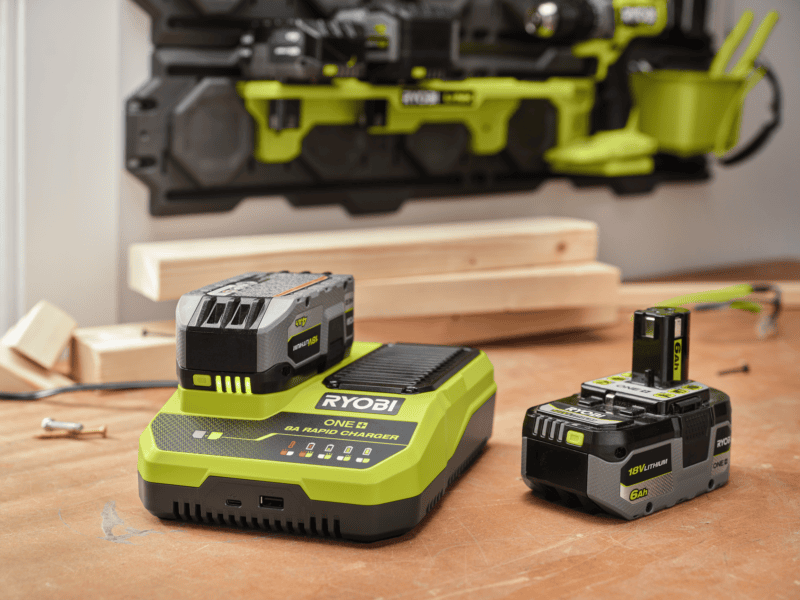
- Your old tools will accept the new batteries: Whether you are pulling a brushed drill from 2008 out of your garage or buying a brand-new brushless demolition hammer, the physical connection and electrical interface of the newly branded 18V One+ Lithium and EDGE batteries will lock right in.
- Your old batteries will still work in new tools: If you have a massive arsenal of older standard or High Performance batteries, you do not need to throw them away. They will continue to power any new One+ tools you purchase moving forward, though you may notice differences in runtime and power output compared to the newly updated cells.
2. Pricing Speculation and the Retail Horizon
At the time of writing, official retail pricing for the redesigned 2026 battery roster has not been fully published by Ryobi or major retail partners like The Home Depot. However, market observers have raised fair questions regarding the cost-to-value ratio.
Historically, Ryobi’s basic, non-HP standard batteries served as the ultimate budget-friendly entry point for casual homeowners. Because the basic tier is being phased out in favor of the more advanced 18V One+ Lithium structure (which includes smart chips and upgraded cooling), consumers may see a slight upward shift in the baseline price of standalone battery purchases.
3. The Silver Lining: Clearance Deals at Home Depot
For budget-conscious shoppers and DIYers looking to maximize their runtime on a budget, the rollout of the new August 2026 battery lineup presents a golden opportunity. As retail giants like The Home Depot clear out shelf space to accommodate the incoming stock of redesigned batteries, older-generation standard and High Performance packs are expected to hit clearance racks at heavily discounted rates.
If you do not mind utilizing legacy battery technology—and are willing to trade off features like Cool-Core thermal management for steep cost savings—late summer and autumn 2026 will likely be the best time to stock up on auxiliary packs.
Conclusion
Ryobi’s 2026 battery restructuring marks a mature, forward-looking evolution for one of the industry’s most popular tool ecosystems. By retiring confusing naming conventions and ensuring that advanced safety, smart electronics, and thermal management are standard features across every single pack, Ryobi is removing the guesswork from retail aisles. Best of all, by strictly preserving its historic backward and forward compatibility, the brand ensures that loyal users can step into the future of cordless power without leaving their existing tool investments behind.
Do you have questions about how these new batteries will affect your specific tool collection? Drop a comment below, and our team will help you navigate the transition!
