


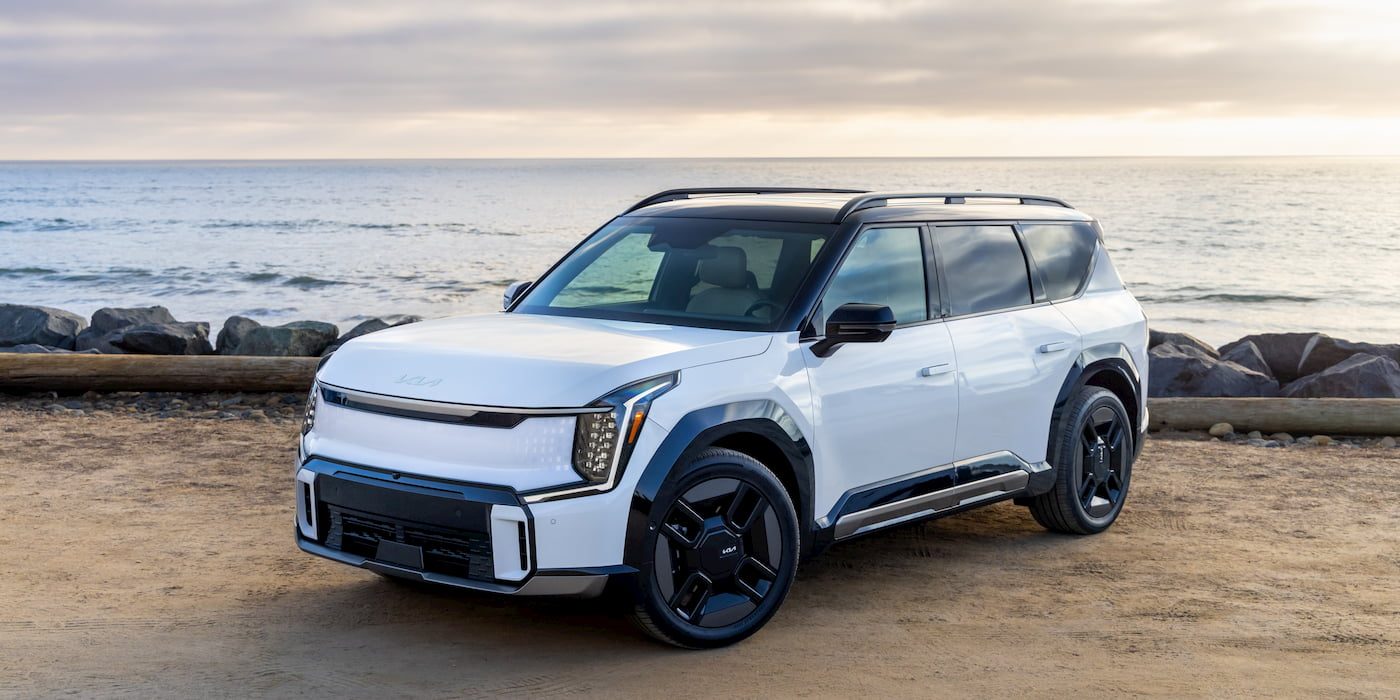
DETROIT — In a move impacting one of the automotive market’s most popular three-row electric vehicles, South Korean automaker Kia has issued a major safety recall affecting more than 21,000 units of its flagship EV9 SUV. The recall, prompted by a potential manufacturing defect in the vehicle’s front passenger seat sensor system, raises critical concerns regarding airbag deployment safety for children.
While the automaker estimates that only a fraction of the recalled population actually harbors the physical defect, the compliance failure has triggered mandatory federal intervention via the National Highway Traffic Safety Administration (NHTSA). Affected owners face necessary dealership visits for inspections and component replacements, though all corrective services will be provided entirely free of charge.
Main Facts
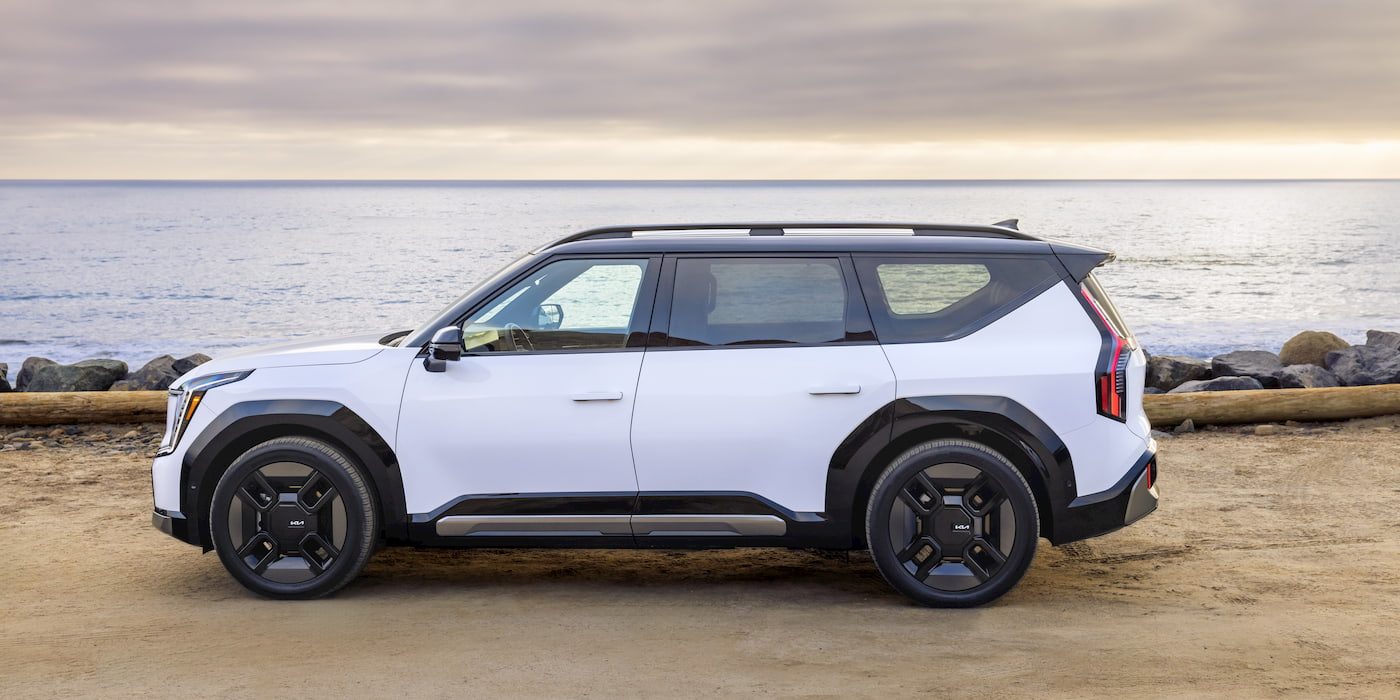
The voluntary safety recall impacts precisely 21,290 units of the Kia EV9 electric SUV, specifically targeting model years 2025 and 2026.
At the heart of the recall is the vehicle’s Occupant Detection System (ODS)—a critical safety feature designed to classify who or what is sitting in the front passenger seat and modulate airbag deployment accordingly. According to regulatory filings submitted to the NHTSA, the root cause of the issue stems from an improper routing procedure of the ODS mat bladder tube executed by a third-party component supplier.
Because of this routing error, the sensitive bladder tube is susceptible to mechanical stress. Specifically, repeated adjustments of the front passenger seat—such as sliding the seat forward and backward or reclining the backrest—can cause the tube to become pinched. When the tube is pinched or restricted, the ODS struggles to accurately register the weight and presence of an occupant.
The primary danger involves pediatric safety. If the system malfunctions due to a pinched bladder tube, it may fail to properly deactivate the front passenger airbag when a child, toddler, or a specialized child safety seat occupies the front passenger position. In the event of a collision, an improperly deployed airbag can cause severe or fatal injuries to a child. Consequently, the affected vehicles fail to comply with federal motor vehicle safety standards.
Chronology of the Recall
The sequence of events leading up to the official public recall notice highlights the rigorous quality control and reporting standards mandated for modern automotive manufacturers:
- Production and Assembly: The affected vehicles were manufactured at Kia’s state-of-the-art production facility located in West Point, Georgia. During assembly, certain 2025 and early 2026 EV9 models received front passenger seats with the improperly routed ODS mat bladder tube. (It is worth noting that 2025 EV9 models manufactured at Kia’s primary plants in South Korea do not feature this defect and are completely excluded from the recall).
- Internal Discovery & Supplier Analysis: Following field reports and internal quality assessments regarding anomalous ODS behavior, Kia initiated an engineering investigation alongside its component supplier to trace the anomaly back to the seat assembly phase.
- Regulatory Filing: Recognizing that the defect violated Federal Motor Vehicle Safety Standards, Kia formally notified federal regulators. Last week, the automaker submitted its official recall documentation to the NHTSA, establishing NHTSA Campaign Number 26V545 and Kia Recall Number SC379.
- Notification Rollout: Kia has scheduled a formal communication campaign to reach impacted vehicle owners. Official notification letters are slated to be mailed out starting October 20, 2026, directing consumers to schedule corrective appointments with authorized local dealerships.
Supporting Data and Technical Breakdown
To fully understand the scope of the recall, it is helpful to examine the statistical estimates and physical symptoms associated with the ODS defect:
- Total Affected Population: 21,290 vehicles (Model Years 2025–2026).
- Estimated Defect Rate: Kia’s internal engineering assessments suggest that only 6% of the total recalled population actually possesses the physical pinching defect. However, because it is impossible to determine which vehicles will experience the failure without a physical teardown, all 21,290 SUVs are included in the safety campaign as a precautionary measure.
- Manufacturing Origin: 100% of the affected vehicles originate from the Georgia, USA manufacturing plant. South Korea-built units are exempt.
- Diagnostic Indicators: Owners whose vehicles suffer from the pinched bladder tube may notice distinct warning signs before any dealership intervention. These include:
- The airbag warning light unexpectedly illuminating on the digital instrument cluster.
- The seatbelt reminder chime sounding intermittently, even when the front passenger seat is completely vacant.
How the Occupant Detection System (ODS) Works
Modern vehicles rely on sophisticated networks of sensors to protect passengers. The ODS uses a pressure-sensitive mat embedded within the seat cushion, filled with a fluid or air bladder connected to a monitoring tube. By measuring pressure changes, the system determines whether the seat is occupied by an adult, a lightweight object, or a child.
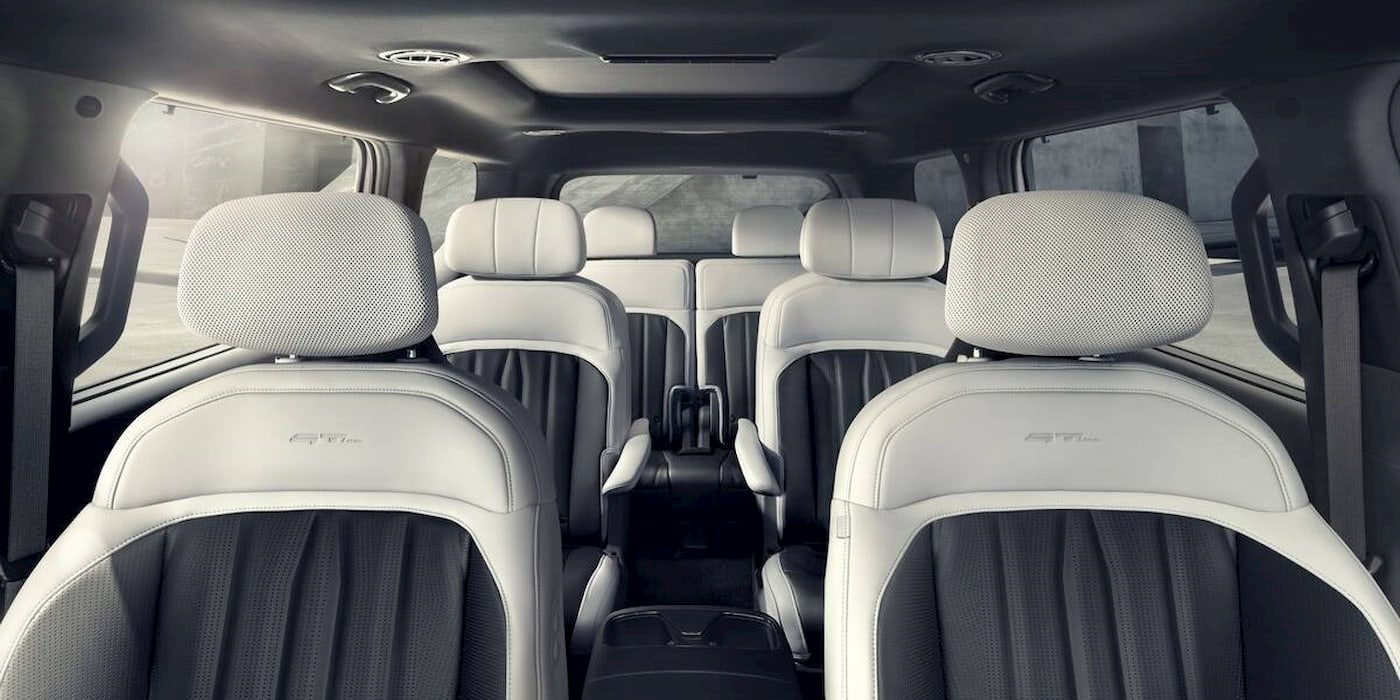
If an adult is detected, the airbag remains armed. If a child or child seat is detected, the system automatically deactivates the airbag to prevent the high-velocity deployment force from injuring a smaller body. When the bladder tube is pinched, the pressure data is corrupted, disabling the system’s intelligent classification capabilities.
Official Responses and Remediation Plan
Both federal authorities and the automaker have outlined clear pathways to resolve the safety compliance failure and protect consumers.
Kia’s Corrective Action Plan
Kia is taking full responsibility for the manufacturing oversight. The remedy involves bringing the vehicle to an authorized Kia dealership, where certified technicians will perform a comprehensive inspection of the front passenger seat’s ODS assembly.

- Inspection and Repair: Technicians will check the routing of the ODS mat bladder tube. If necessary, they will replace the ODS mat and bladder tube entirely and re-route the components correctly according to strict factory specifications.
- Cost to Consumer: 100% free of charge. Under federal guidelines, safety recalls must be executed at zero cost to the vehicle owner, regardless of whether the car is still covered under its factory warranty.
- Alternative Transportation: While the repair process typically takes only a few hours, owners should consult their local dealership regarding the availability of loaner vehicles or shuttle services during the service window.
Official Contact Information
Owners seeking immediate clarification or wishing to check if their specific VIN (Vehicle Identification Number) is included in the campaign can utilize the following contact channels:
- Kia Customer Service: Call 1-800-333-4542 and reference recall campaign SC379.
- NHTSA Safety Hotline: Call 1-888-327-4236 (TTY 1-800-424-9153) or visit NHTSA.gov/recalls and input your 17-digit VIN under campaign number 26V545.
Broader Implications for Kia and the EV Market
The EV9 has been widely celebrated as a milestone vehicle for Kia, helping cement the brand’s reputation as a serious contender in the three-row family electric SUV segment. However, safety recalls of this magnitude carry broader implications for both the manufacturer and the broader electric vehicle transition.
1. Supply Chain and Quality Control Oversight
This recall underscores the delicate nature of modern automotive supply chains. Even though Kia’s Georgia plant finalizes the assembly of the EV9, critical sub-components—such as automotive seats and sensor mats—are heavily reliant on Tier-1 and Tier-2 suppliers. A minor assembly error or misrouting at the supplier level can ripple upward, resulting in massive, costly recall campaigns that affect tens of thousands of finished vehicles. Moving forward, automakers are expected to tighten quality assurance protocols at manufacturing hubs to catch assembly anomalies before vehicles leave the factory floor.

2. Consumer Confidence in Advanced Safety Tech
While mechanical recalls (such as brakes or steering components) have historically dominated automotive news, the rise of software-defined vehicles and complex electronic safety systems means that sensor anomalies are becoming increasingly common. Incidents involving Occupant Detection Systems touch upon the most sensitive aspect of vehicle ownership: the safety of children. Restoring and maintaining consumer trust requires transparency, swift communication, and hassle-free dealership execution—elements that Kia is attempting to address by proactively notifying customers well in advance of the October deadline.
3. Practical Advice for EV9 Owners
Until owners can bring their vehicles in for the complimentary repair, what steps should they take?
- Monitor the Dashboard: Pay close attention to unexpected airbag warning lights or unprovoked seatbelt chimes.
- Exercise Caution with Child Passengers: As a precautionary measure, parents and caregivers should avoid placing rear-facing or forward-facing child safety seats—or young children—in the front passenger seat of affected 2025 and 2026 EV9 models until the ODS inspection and repair have been completed by an authorized dealer. Always prioritize seating children securely in the second or third rows of the vehicle.
As the automotive industry continues to pivot toward electrification, rigorous safety compliance remains paramount. Kia’s swift cooperation with the NHTSA ensures that this oversight will be corrected promptly, safeguarding families and reinforcing the brand’s commitment to vehicle safety.
