

Main Facts
The global automotive landscape is experiencing a seismic shift, and the latest batch of safety evaluations from the European New Car Assessment Programme (Euro NCAP) serves as undeniable proof. In its most recent round of rigorous safety testing, three prominent Chinese electric vehicle (EV) manufacturers—GAC, Geely, and Stellantis-backed Leapmotor—achieved the organization’s coveted maximum five-star safety rating.
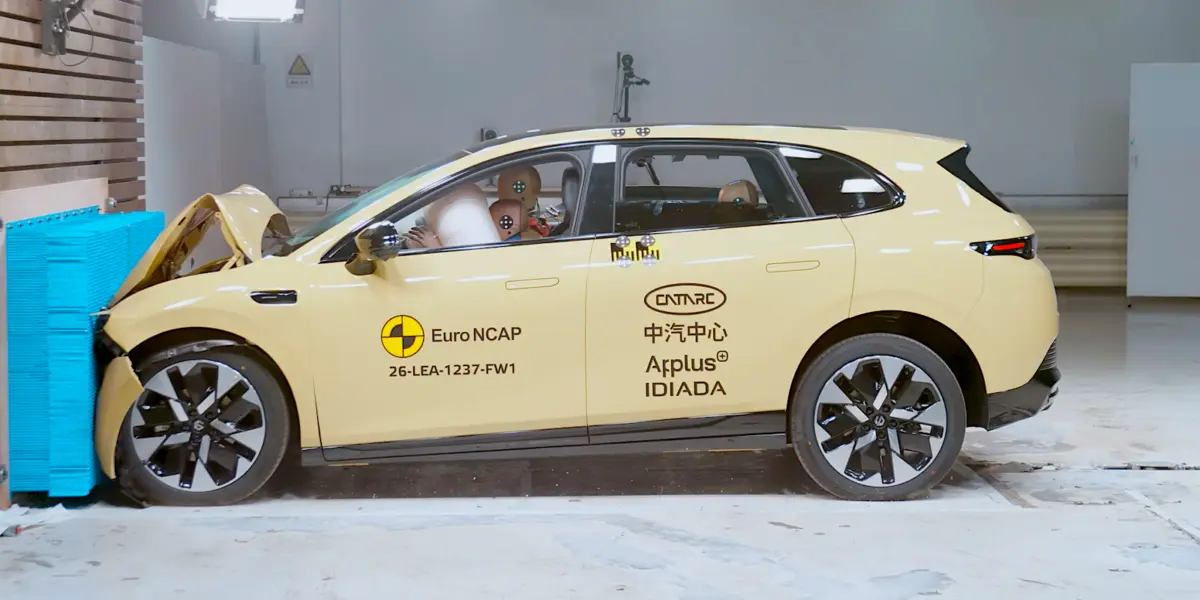
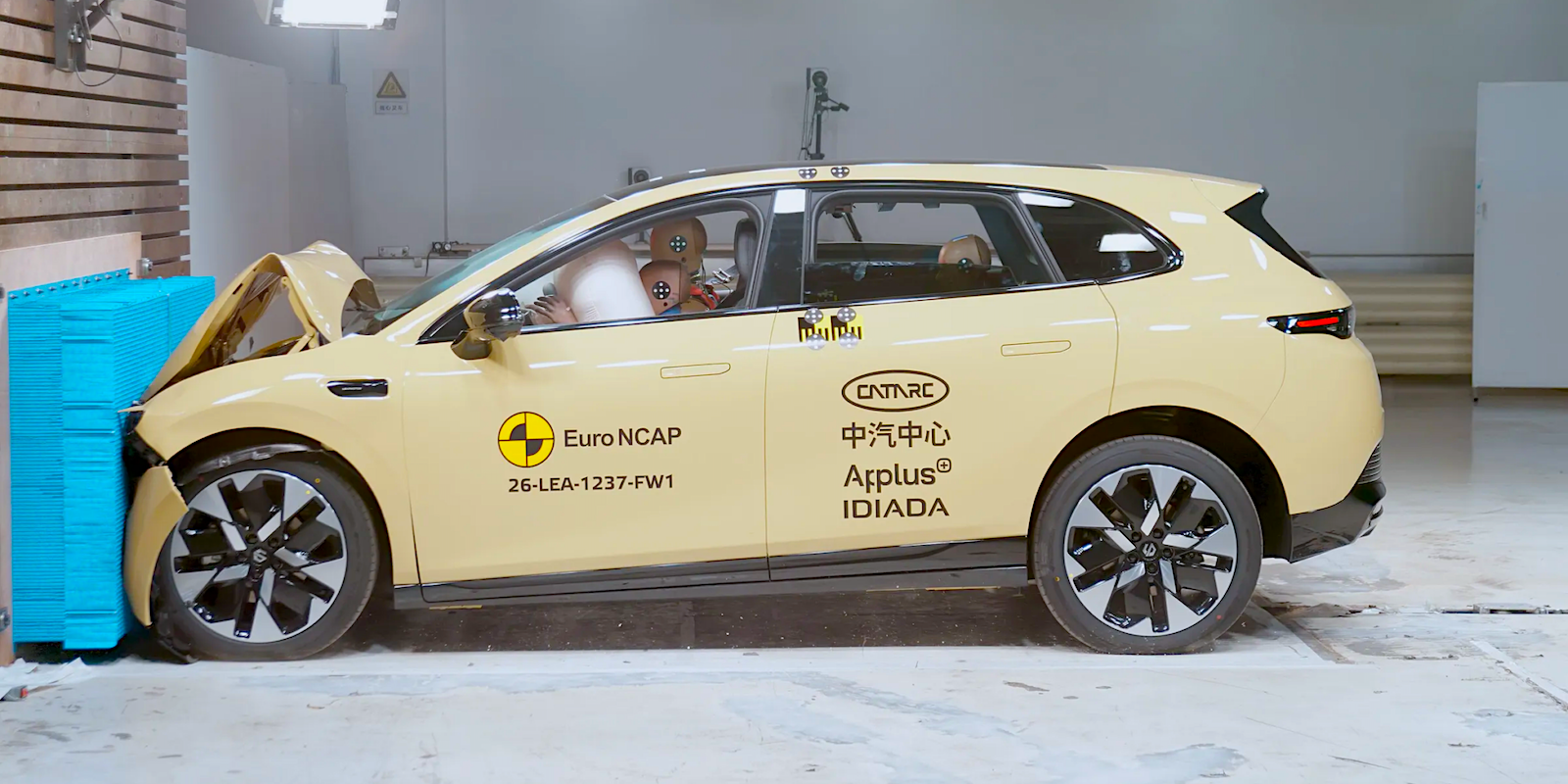
The vehicles tested—the GAC Aion UT, the Geely E2 (marketed as the EX2 in select regions), and the Leapmotor B05—went head-to-head against Europe’s most stringent crash and safety protocols. Despite persistent skepticism regarding the structural integrity and technological sophistication of Chinese-manufactured automobiles in certain international markets, these models excelled across all evaluation parameters.
This development highlights a broader industry reality: the gap in build quality, safety innovation, and crash protection between legacy Western automakers and rapidly expanding Chinese EV brands has not only closed, but in many categories, has reversed entirely. Furthermore, the results underline the stark contrast between Europe’s rigorous independent testing standards and the self-certification loopholes that continue to plague automotive safety regulations in the United States.
Chronology
To understand the weight of these recent Euro NCAP results, it is essential to trace the timeline of automotive safety standard divergence and the rapid rise of Chinese EV compliance on the global stage:
- October 2019: Automotive safety journalist Tanya Mohn, writing for Forbes, publishes a landmark critique noting that U.S. vehicle safety ratings—once considered the global gold standard—had begun to lag significantly behind international counterparts, failing to keep pace with modern safety innovations.
- Decade-Prior Trade Negotiations: During transatlantic trade talks, an independent study commissioned by the car industry reveals a critical disparity: European-market vehicles were, on average, 33% safer regarding the risk of serious injury in common front-side collisions compared to their U.S. counterparts.
- March: Financial Times contributor Antonio Avenoso reiterates that European Union (EU) and United States safety standards remain entirely non-equivalent, emphasizing the superior stringency of European protocols.
- September 3: While Tesla grants select loyalists an exclusive preview of its upcoming autonomous Cybercab—a vehicle reliant on U.S. regulatory frameworks—Euro NCAP officially publishes its latest battery-electric vehicle safety evaluations.
- September 4: Comprehensive crash-test scores are released, confirming that the GAC Aion UT, Geely E2, and Leapmotor B05 have all earned five-star ratings, prompting widespread discussions across global automotive forums and industry publications like CarNewsChina.
Supporting Data
The Euro NCAP testing framework evaluates modern vehicles across four distinct pillars: Safe Driving (driver assistance and monitoring), Crash Avoidance (active safety systems like AEB), Crash Protection (structural integrity and occupant trauma mitigation), and Post-Crash Safety (ease of rescue and eCall functionality).
The newly tested Chinese models performed exceptionally well, posting scores that outpace many legacy internal combustion engine (ICE) vehicles currently dominating Western roads:

GAC Aion UT
- Overall Rating: 5 Stars
- Safe Driving: 66%
- Crash Avoidance: 74%
- Crash Protection: 91%
- Post-Crash Safety: 88%
- Context: Competing directly against established European hatchbacks like the Mini Aceman, Renault 4, and Volkswagen ID. Polo, the Aion UT proved to be a robust all-rounder. Despite being from a relatively young brand, it demonstrated top-tier performance in structural crash protection.
Geely E2 (EX2)
- Overall Rating: 5 Stars
- Safe Driving: 79%
- Crash Avoidance: 72%
- Crash Protection: 86%
- Post-Crash Safety: 95%
- Context: Building on its success as one of China’s best-selling vehicles, Geely’s small electric hatchback excelled in Post-Crash Safety. Notably, the vehicle earned bonus marks for integrating standard direct Child Presence Detection (CPD) and maintaining a balanced reliance on physical controls for key driving and infotainment commands (scoring 80% in usability).
Leapmotor B05
- Overall Rating: 5 Stars
- Safe Driving: 66%
- Crash Avoidance: 77%
- Crash Protection: 92%
- Post-Crash Safety: 89%
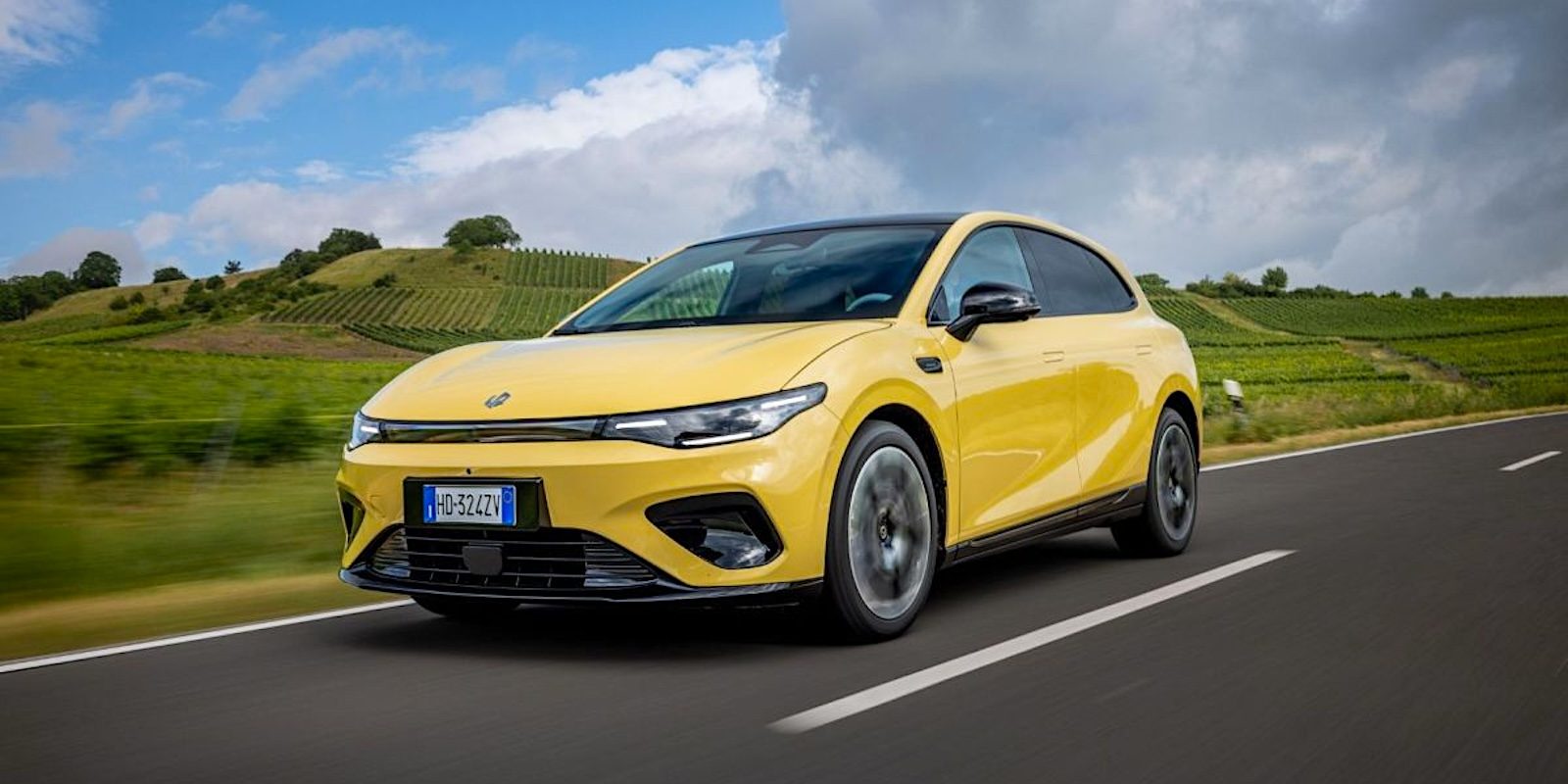
- Context: Designed to challenge high-volume European family hatchbacks like the Renault Megane and Volkswagen Golf, the Leapmotor B05 delivered standout metrics. It achieved maximum points in both side-barrier and side-pole impact tests. Its center airbag successfully prevented occupant head-to-head contact, and it secured a staggering 100% score for pelvis and femur protection concerning vulnerable road users. Furthermore, its Autonomous Emergency Braking (AEB) showed exceptional performance in high-speed and junction scenarios.
Official Responses
The impressive performance of these vehicles prompted targeted commentary from leading European safety authorities and manufacturing partners:
Dr. Aled Williams, Programme Director at Euro NCAP, addressed the implications of the tests during the official results release:

"Today’s results clearly demonstrate that Chinese carmakers are still working hard to match the high standards expected by European consumers. By actively embracing Euro NCAP’s rigorous targets, particularly this year, carmakers are showing they want to deliver safer vehicles for everyone on Europe’s roads."
Stellantis, which holds a major strategic partnership with Leapmotor, emphasized the engineering triumph of the B05 in official corporate statements, noting that the vehicle’s class-leading safety performance is a testament to the collaborative global development strategies currently reshaping the automotive sector.

Implications
The latest Euro NCAP evaluations carry profound implications for the global automotive industry, consumer perception, and regulatory policy:
- Demolishing Stereotypes: The outdated narrative that vehicles manufactured in China prioritize low costs over passenger safety has been decisively dismantled. As these five-star ratings show, Chinese automakers are engineering vehicles that meet or exceed the world’s most demanding safety benchmarks.
- Regulatory Disparities: The stark contrast between Euro NCAP’s rigorous third-party physical crash testing and the United States National Highway Traffic Safety Administration’s (NHTSA) allowance of manufacturer self-certification has once again been thrust into the spotlight. Critics and safety advocates are increasingly questioning why American regulatory bodies lag behind European and Japanese counterparts in mandating modern, comprehensive evaluations.
- Market Competitiveness: With models like the GAC Aion UT, Geely E2, and Leapmotor B05 proving their mettle against benchmark European vehicles like the Volkswagen Golf and Renault Megane, traditional Western automakers face unprecedented competitive pressure. Consumers shopping for affordable, high-technology electric hatchbacks now have certified, ultra-safe alternatives that rival domestic offerings in every measurable category.
As these vehicles roll out across European roadways, the message to global competitors is clear: safety innovation is no longer the exclusive domain of legacy Western brands.
