

Main Facts
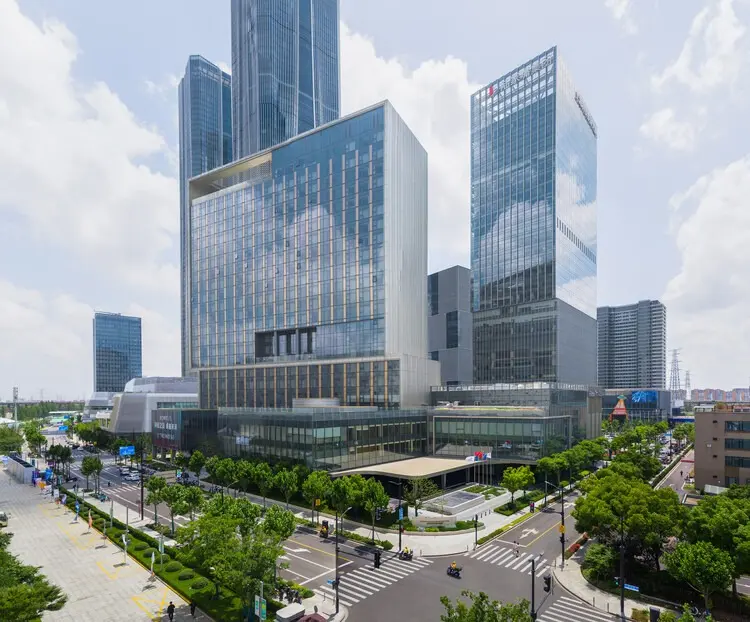
The architectural landscape of Shanghai has taken a bold step toward the future with the completion of the Shanghai Science and Technology Investment Tower. Designed by the renowned global architecture and design firm NBBJ, this striking mixed-use development is strategically positioned in the vibrant core business district of Zhangjiang Science City—widely recognized as China’s premier hub for high-tech research, development, and entrepreneurship.
Spanning a multi-functional footprint, the complex seamlessly integrates state-of-the-art office spaces, dynamic retail environments, and high-end hospitality functions. The project has been meticulously crafted to act as a powerful magnet for cutting-edge technology enterprises, with a specialized focus on pioneers in artificial intelligence (AI), biotechnology, advanced manufacturing, and digital innovation.
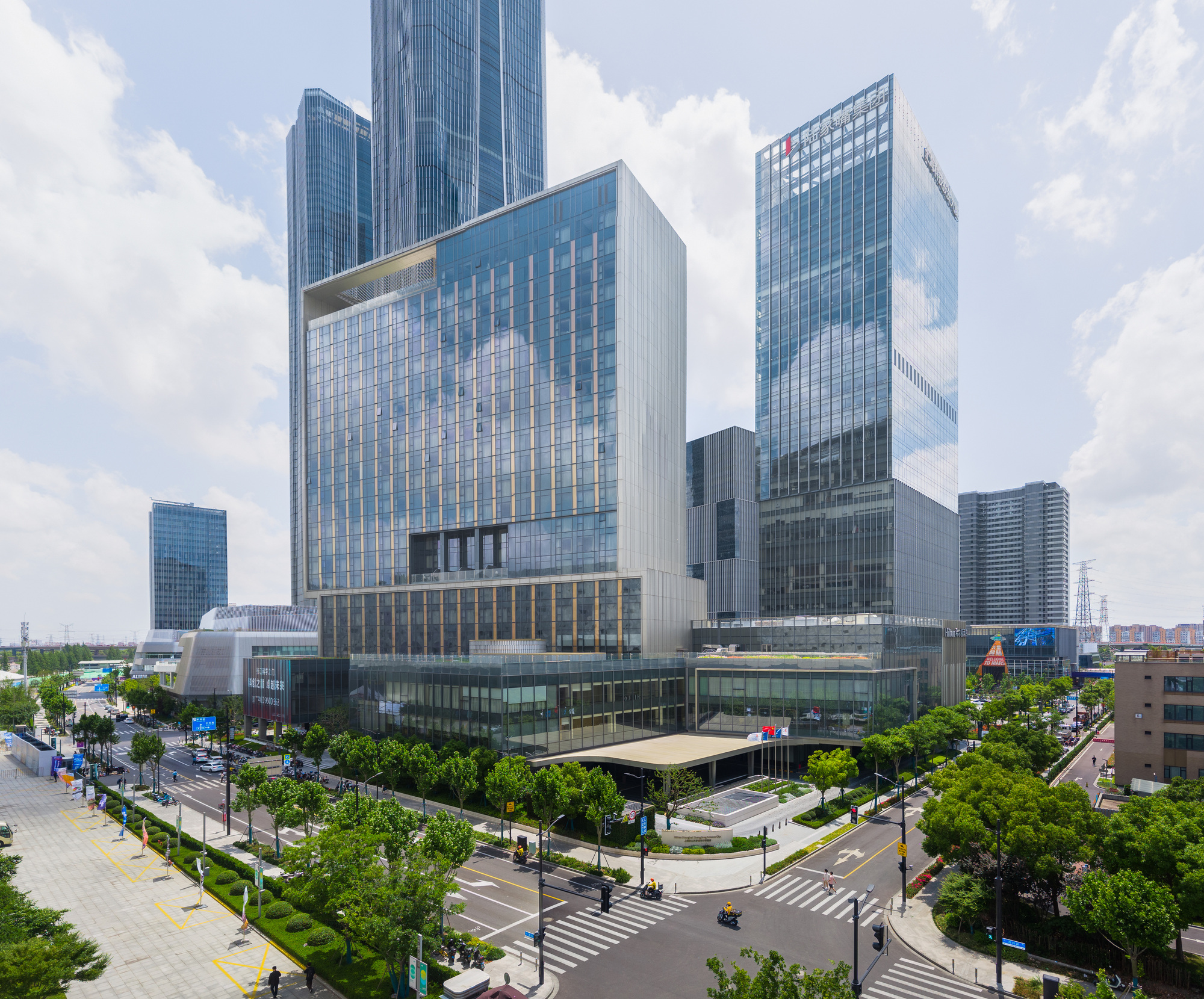
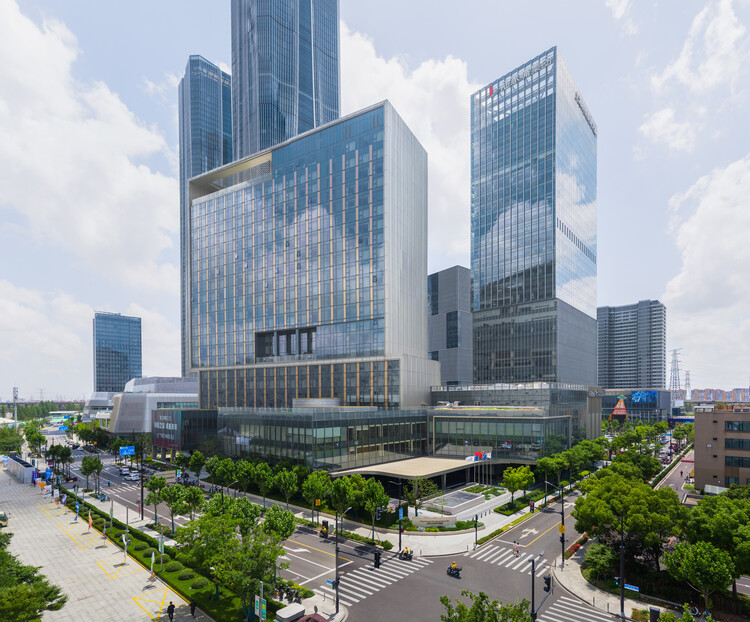
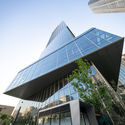
Rather than functioning as a mere commercial high-rise, the Investment Tower is envisioned as a holistic urban ecosystem. By bridging the gap between corporate ambition and everyday community life, the project provides a fertile breeding ground for startups, venture capitalists, and multinational tech giants to collaborate under one roof. The building’s striking exterior, captured through the lens of architectural photographers SFAP, showcases a sleek fusion of high-performance glass, dynamic structural geometry, and seamless urban integration, firmly anchoring it as a new visual icon in Shanghai’s eastern skyline.
Chronology of Development
The realization of the Shanghai Science and Technology Investment Tower is the result of years of strategic planning, visionary urban design, and meticulous construction. While the official project completion and curation highlights were brought to light in October 2026, the journey of the tower reflects Shanghai’s broader economic pivot toward a knowledge-based, innovation-driven economy.
- Phase I: Strategic Vision and Master Planning (Early 2020s): As Zhangjiang Science City expanded its footprint to accommodate a surging influx of global tech talent and research institutions, municipal planners and developers recognized the need for a flagship mixed-use anchor. NBBJ was selected to design a building that could transcend traditional corporate real estate paradigms.
- Phase II: Architectural Conceptualization and Design Iterations: NBBJ’s design team focused heavily on adaptability, sustainability, and technological integration. The floor plates were optimized for modern tech tenants requiring flexible open-plan layouts, collaborative zones, and robust digital infrastructure.
- Phase III: Construction and Urban Integration (Mid-2020s): Amidst the bustling context of Zhangjiang’s existing high-tech parks, construction progressed with an emphasis on sustainable building techniques, energy-efficient facades, and pedestrian-friendly public interfaces.
- Phase IV: Official Unveiling and Occupancy (October 2026): The tower officially opened its doors, instantly positioning itself as a central node for venture investment and technological breakthroughs. The integration of retail and hotel components transformed the site from a standard 9-to-5 workplace into a round-the-clock destination for innovators.
Supporting Data and Architectural Specifications
The Shanghai Science and Technology Investment Tower is a masterclass in modern mixed-use programmatic distribution, technical engineering, and urban scaling.
- Location: Core business district of Zhangjiang Science City, Pudong New Area, Shanghai, China.
- Architectural Practice: NBBJ, an international architecture, planning, and design firm globally celebrated for its human-centric, data-driven approach to workplace and urban design.
- Programmatic Typology: Mixed-use development encompassing Grade-A office spaces, experiential retail zones, and contemporary hotel accommodations.
- Primary Target Sectors: Artificial Intelligence (AI), semiconductor research, life sciences, venture capital investment firms, and digital technology startups.
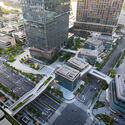
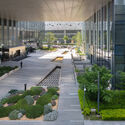
- Visual and Material Identity: High-performance structural glass curtain walls maximizing natural daylight while mitigating solar heat gain; dynamic massing that shifts perspectives from both pedestrian and aerial viewpoints; integrated public plazas linking the tower directly to local transit hubs.
Official Responses and Design Philosophy
Speaking on the conceptual framework of the tower, the design team at NBBJ emphasized that the project was built around the core philosophy of connectivity and acceleration.
"Our goal for the Shanghai Science and Technology Investment Tower was to construct an environment that actively participates in the innovation process," notes the design rationale provided by the architects. "In fast-moving sectors like artificial intelligence and deep tech, serendipitous encounters and rapid communication are just as important as isolated laboratory work. By weaving together workspace, hospitality, and retail into a single vertical campus, we are fostering a community where ideas can transform into investments, and investments into global solutions almost overnight."
Local municipal leaders and economic development boards in Pudong have similarly praised the project. They view the tower not just as a real estate asset, but as an essential piece of infrastructure designed to accelerate the "Four New" economies of Shanghai—accelerating new technology, new industries, new formats, and new business models. By providing high-end amenities tailored to the lifestyle preferences of young, highly skilled tech workers, the tower aids regional stakeholders in attracting and retaining top-tier global talent.
Implications for Shanghai and Global Urbanism
The completion of the Shanghai Science and Technology Investment Tower carries profound implications for the future of urban development, commercial real estate, and technology incubation, both within China and across the globe.
1. The Rise of the "Vertical Innovation Ecosystem"
Traditional corporate offices are increasingly giving way to integrated vertical campuses. By combining workspaces with lifestyle amenities like hotels and retail, projects like NBBJ’s tower eliminate the friction of modern urban commuting. Tech entrepreneurs can live, work, dine, and pitch to investors within a tightly integrated geographic footprint, drastically compressing project lifecycles.
2. Reinforcing Zhangjiang’s Global Standing
Often dubbed China’s "Silicon Valley," Zhangjiang Science City has historically functioned as a collection of suburban industrial parks and R&D campuses. The introduction of a high-density, architectural landmark in its core business district signals a maturation of the area into a true urban metropolis. It proves that suburban science hubs can successfully evolve into dense, walkable, and culturally vibrant city centers.
3. Sustainable and Human-Centric Design Standards
As cities grapple with climate change and the shifting expectations of the post-pandemic workforce, architectural firms like NBBJ are under immense pressure to deliver buildings that prioritize well-being and environmental stewardship. The Investment Tower’s focus on natural lighting, indoor-outdoor connectivity, and energy-efficient glass engineering sets a new benchmark for sustainable commercial developments in East Asia.
In summary, the Shanghai Science and Technology Investment Tower stands as a testament to what is possible when visionary urban planning meets world-class architectural execution. As its offices fill with the minds shaping the next generation of artificial intelligence and scientific discovery, the tower will undoubtedly remain a cornerstone of innovation for decades to come.
