

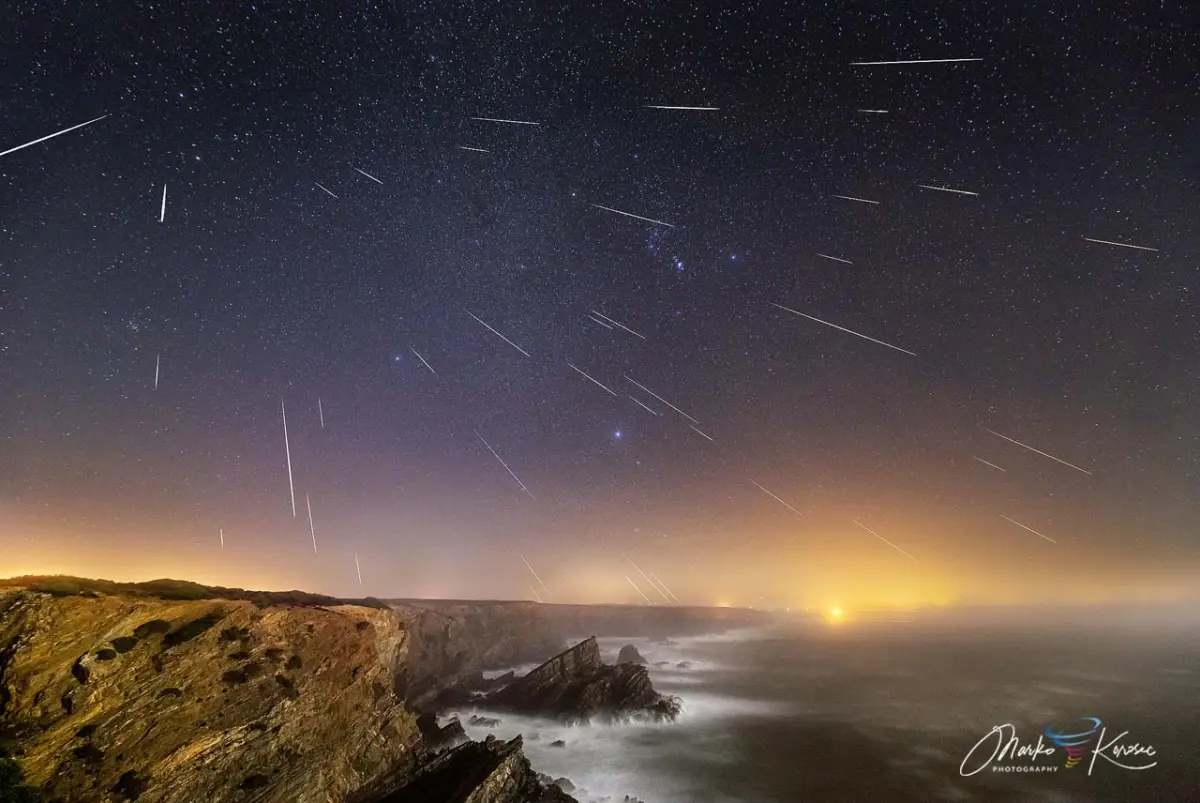
GLOBAL ASTRONOMY DESK — As summer reaches its zenith, stargazers worldwide are preparing for what promises to be one of the most visually stunning astronomical spectacles in decades. The annual Perseid meteor shower is set to peak on the night of August 12 into the early hours of August 13, boasting up to 100 shooting stars per hour under pristine conditions.
What elevates the 2026 Perseid display from a standard summer tradition to a once-in-a-generation event is an extraordinary cosmic alignment: the peak coincides directly with a rare total solar eclipse cutting across Greenland, Iceland, and Spain on August 12. With the Moon positioned in a New Moon phase, astronomers and astrophotographers are guaranteed pitch-black night skies free from lunar interference, setting the stage for optimal viewing across Europe, North America, and beyond.

Main Facts: The Anatomy of the 2026 Perseids
Every year, Earth passes through the debris trails left behind by periodic comets, producing reliable meteor showers. Among these, the August Perseids and December Geminids stand out as the twin pillars of annual meteor observation, consistently exceeding a Zenithal Hourly Rate (ZHR) of 100 meteors under ideal conditions.
The Perseid meteors originate from 109P/Swift-Tuttle, a periodic comet that loops around the Sun every 133 years. As Earth intersects the comet’s vast trail of orbital debris, tiny dust particles—most no larger than a grain of sand—slam into the upper atmosphere at staggering speeds of roughly 59 kilometers per second (132,000 mph).
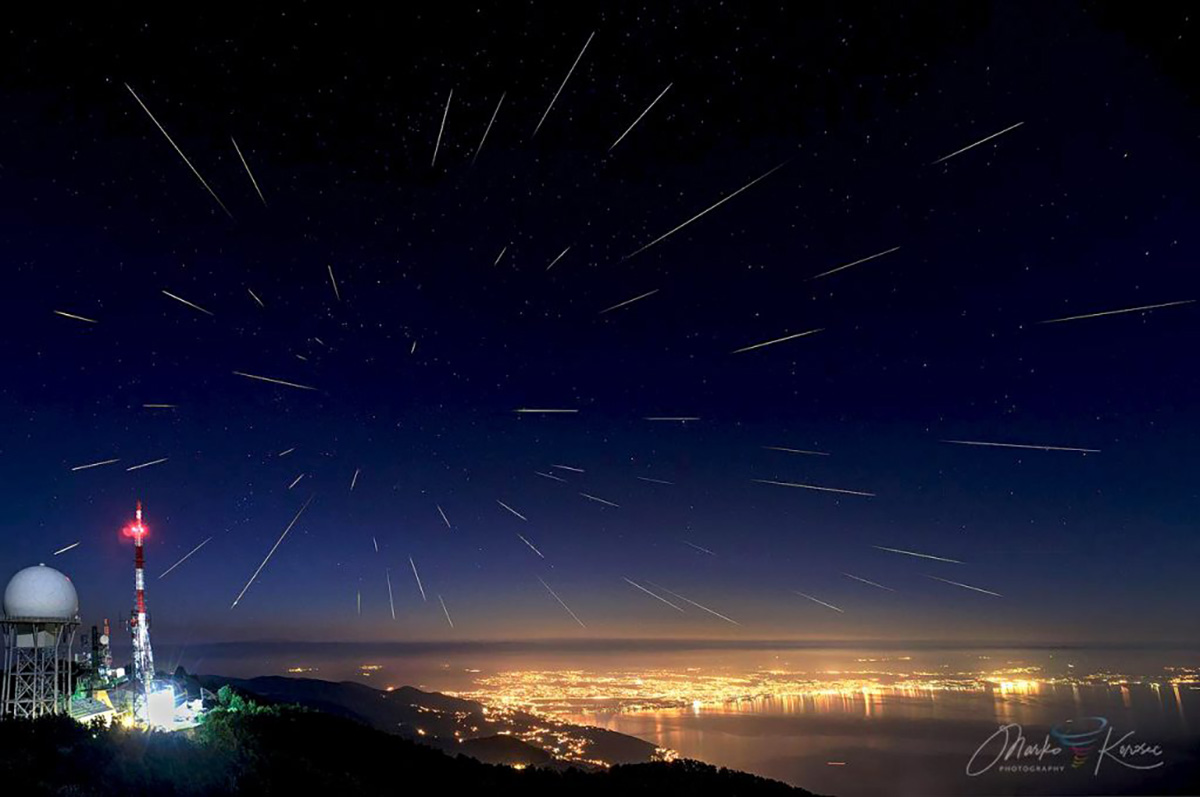
- Altitude and Speed: The friction generated by these high-speed impacts ionizes the air molecules, creating the brilliant streaks of light we see as shooting stars. This pyrotechnic display occurs roughly 100 kilometers (62 miles) above Earth’s surface, right at the boundary of space.
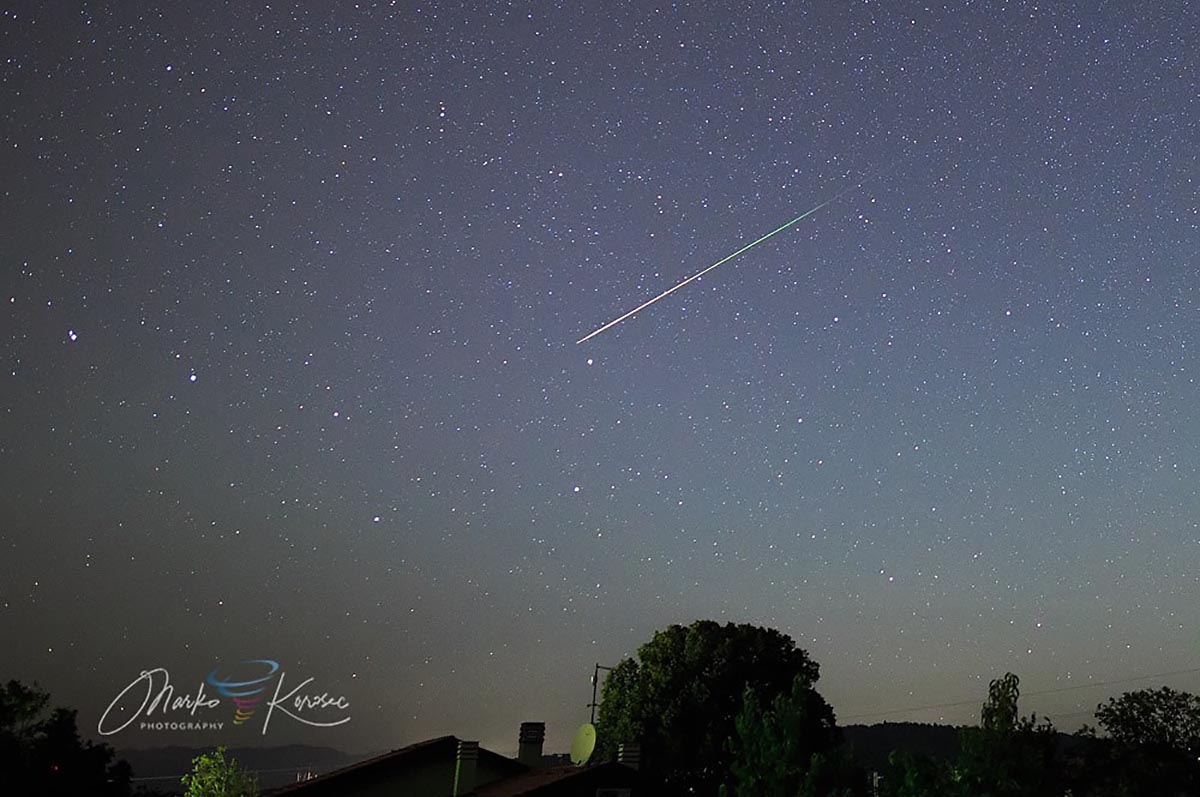
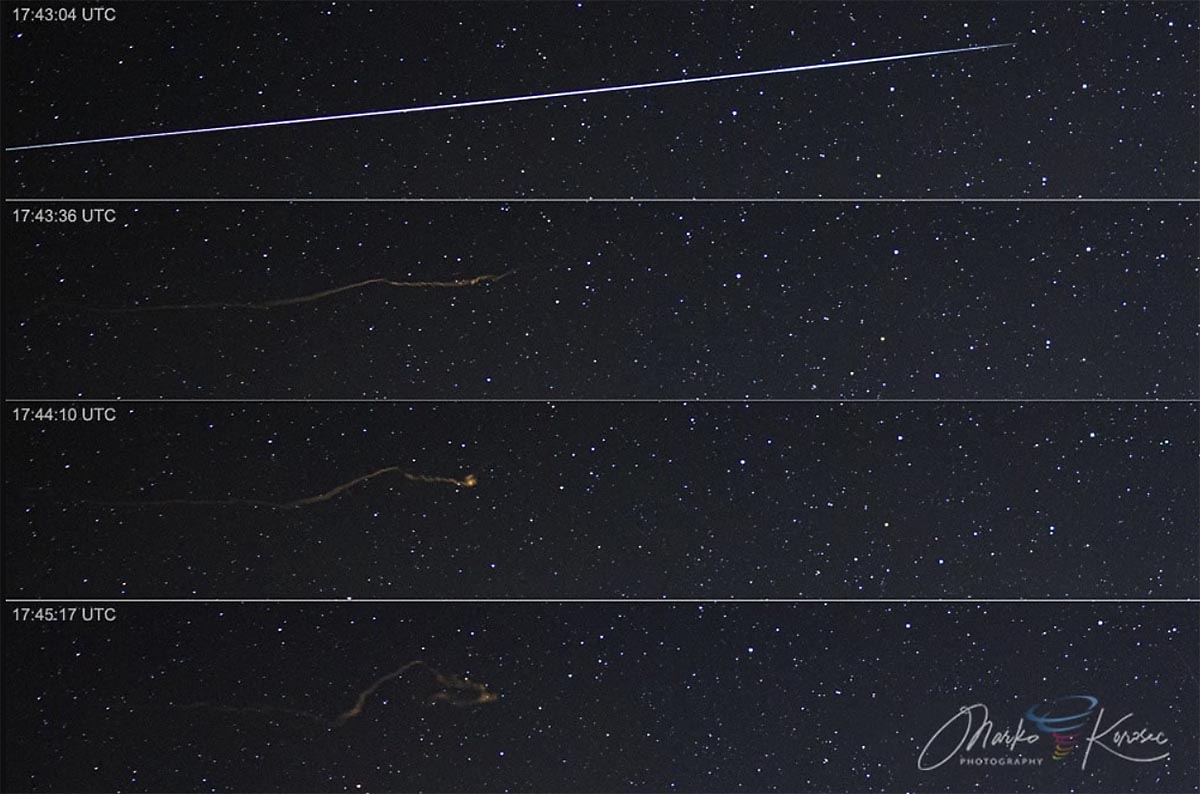
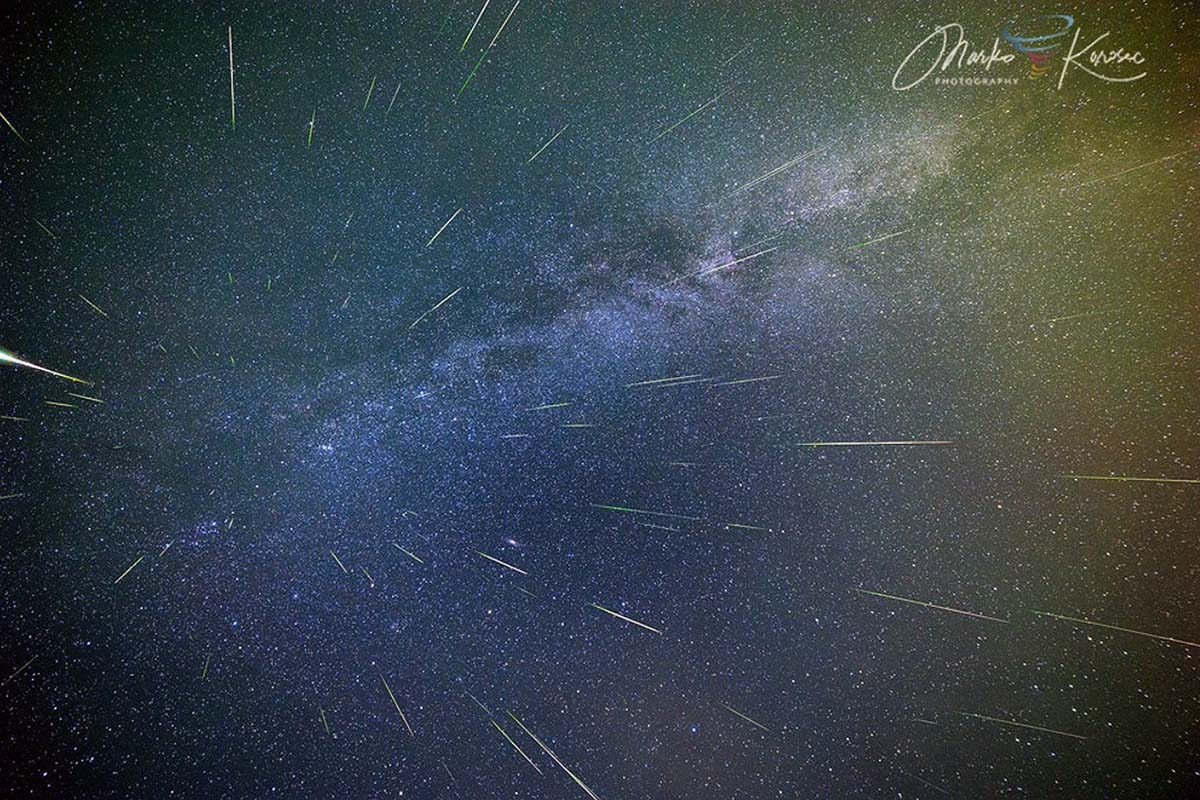
- Fireballs and Persistence: The Perseids are particularly renowned for producing bright, colorful meteors and spectacular fireballs. The brightest members of the shower frequently leave glowing dust trails that linger in the upper atmosphere, twisted and contorted by stratospheric winds for tens of seconds—or even minutes when viewed through binoculars.
- The Radiant: Tracing the paths of Perseid meteors backward reveals a common point of origin in the northeastern sky: the constellation Perseus, situated near the famous Double Cluster. The higher this radiant climbs as the night progresses, the higher the frequency of visible meteors.
Chronology: The Timeline of the August 2026 Spectacle
The astronomical calendar for mid-August 2026 is tightly packed with marquee events, creating a continuous narrative of daytime and nighttime marvels.
August 11–12: The Buildup and Solar Eclipse
Activity ramps up steadily in the days leading up to the peak. On August 12, amateur and professional astronomers across parts of North America, Greenland, Iceland, and Europe will first turn their attention skyward during daylight hours. A rare total solar eclipse will sweep across the globe, bringing totality to parts of Spain and Iceland. This marks the first major path of totality to cross Europe in nearly three decades.
Dusk on August 12: Observations Begin
As twilight fades on the evening of August 12, the shadow of the New Moon ensures that nightfall arrives with absolute darkness. Unlike previous years, where a waxing or waning moon washed out fainter streaks of light, the 2026 night sky will render even subtle meteors clearly visible.
Midnight to Pre-Dawn (August 13): The Zenith Peak
The core peak of the Perseids is calculated to occur around August 13 at 02:00 UTC.
- For Europe and Africa: This timing is near-optimal, arriving in the deep, dark hours of the night when the constellation Perseus climbs high into the northeastern sky. Observers can expect peak rates of 90 to 120 meteors per hour.
- For North America: The peak occurs roughly six hours before local midnight. While the absolute peak happens before the radiant climbs to its highest elevation, North American observers will still experience exceptional viewing throughout the entire night as the radiant ascends.
Supporting Data: Understanding the Numbers
To contextualize what observers will see, meteor scientists rely on standardized metrics and historical data regarding the Swift-Tuttle stream.
| Metric | Detail |
|---|---|
| Parent Body | Comet 109P/Swift-Tuttle |
| Velocity | ~59 km/s (37 miles per second) |
| Zenithal Hourly Rate (ZHR) | 90–120 meteors per hour at peak |
| Moon Phase | New Moon (0% illumination, zero interference) |
| Altitude of Phenomenon | ~100 km (edge of space) |
| Peak Timing | August 13 at 02:00 UTC |
Understanding ZHR: The Zenithal Hourly Rate represents the number of meteors a single observer would see in an hour under pristine dark skies (where stars down to magnitude 6.5 are visible) if the radiant were directly overhead. In practice, local light pollution and lower radiant elevations mean actual counts are typically lower, though the moonless conditions of 2026 will push actual observed rates close to theoretical maximums.
Official Responses and Scientific Perspectives
Astronomical organizations, meteorological agencies, and astrophotography networks have issued extensive guidance regarding the dual events of August 2026.
Dr. Elena Vance, a senior stellar dynamicist, emphasized the rarity of the alignment: "It is exceptionally rare to have a major solar eclipse paired with a moonless peak of the Perseids within a 24-hour window. For science outreach, this is a golden week. It highlights the dynamic, clockwork nature of our inner solar system—from lunar-solar geometry to cometary debris fields."
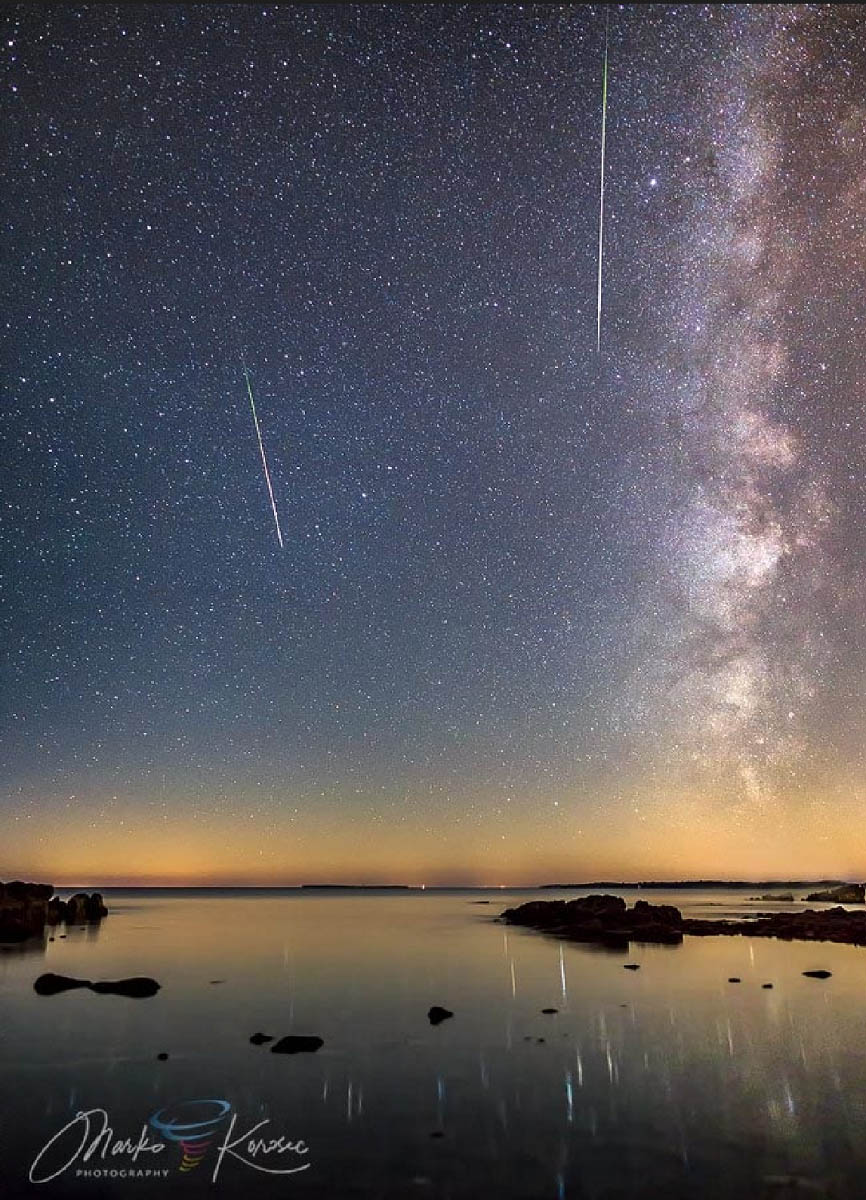
Meteor network coordinators have also stressed the importance of citizen science during the event. Observers are encouraged to log their counts and submit images to global databases. These reports help astronomers map the density fluctuations within the Swift-Tuttle debris stream, refining orbital models for future centuries.
Weather agencies across Europe and North America are coordinating closely with astronomical societies to provide localized cloud-cover forecasts. Because mid-August often brings localized convective thunderstorm activity and afternoon cumulus clouds, forecasters are advising communities on microclimates—such as high-altitude mountain passes and coastal areas—where nighttime cooling typically clears lingering cloud cover.
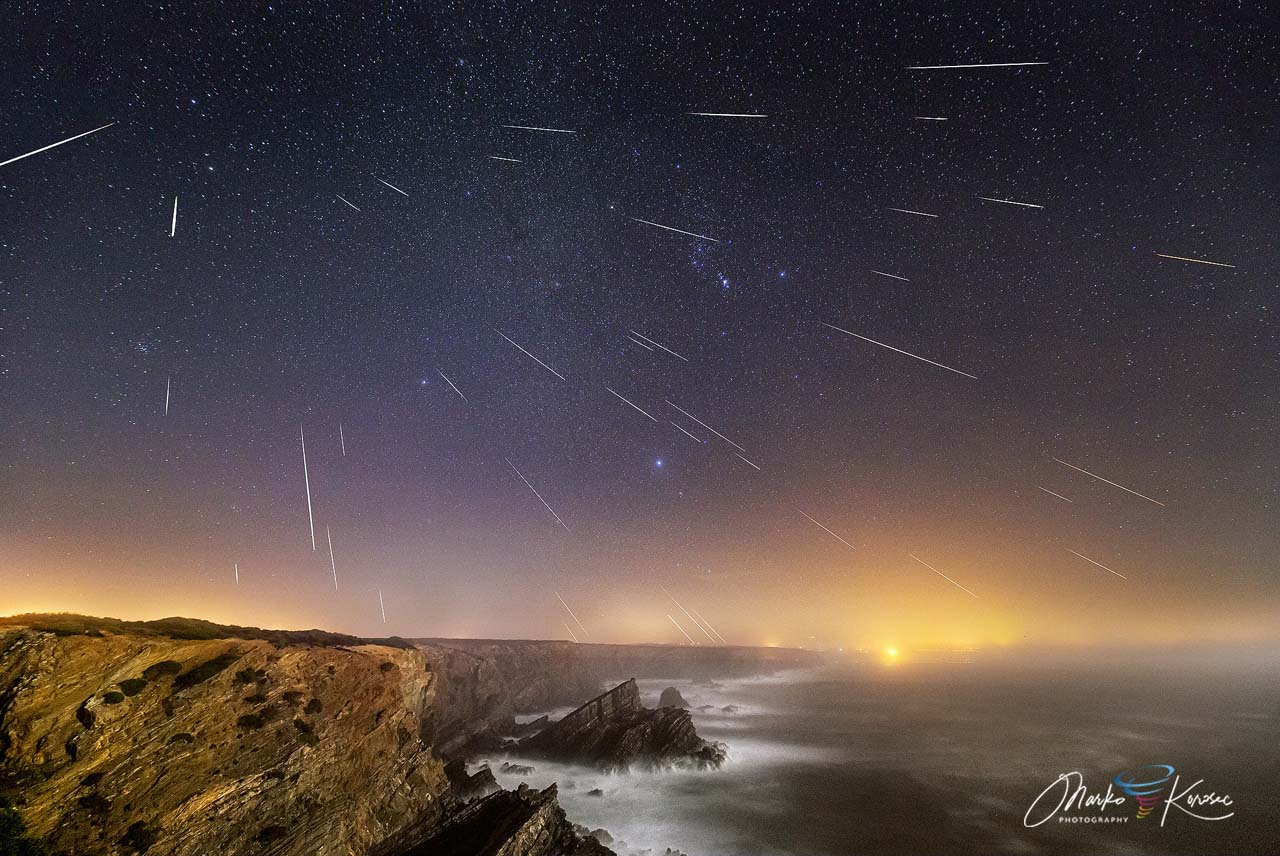
Implications: Practical Advice for Observers and Astrophotographers
Capitalizing on this year’s optimal conditions requires preparation, patience, and the right equipment. Experts have outlined key recommendations for the public.
Escaping Light Pollution
While the New Moon eliminates natural light pollution, artificial urban glow remains a significant hurdle. Observers are urged to travel away from city centers to rural, elevated locations—such as hills, national parks, or mountain lookouts—where the horizon is wide and atmospheric clarity is maximized.
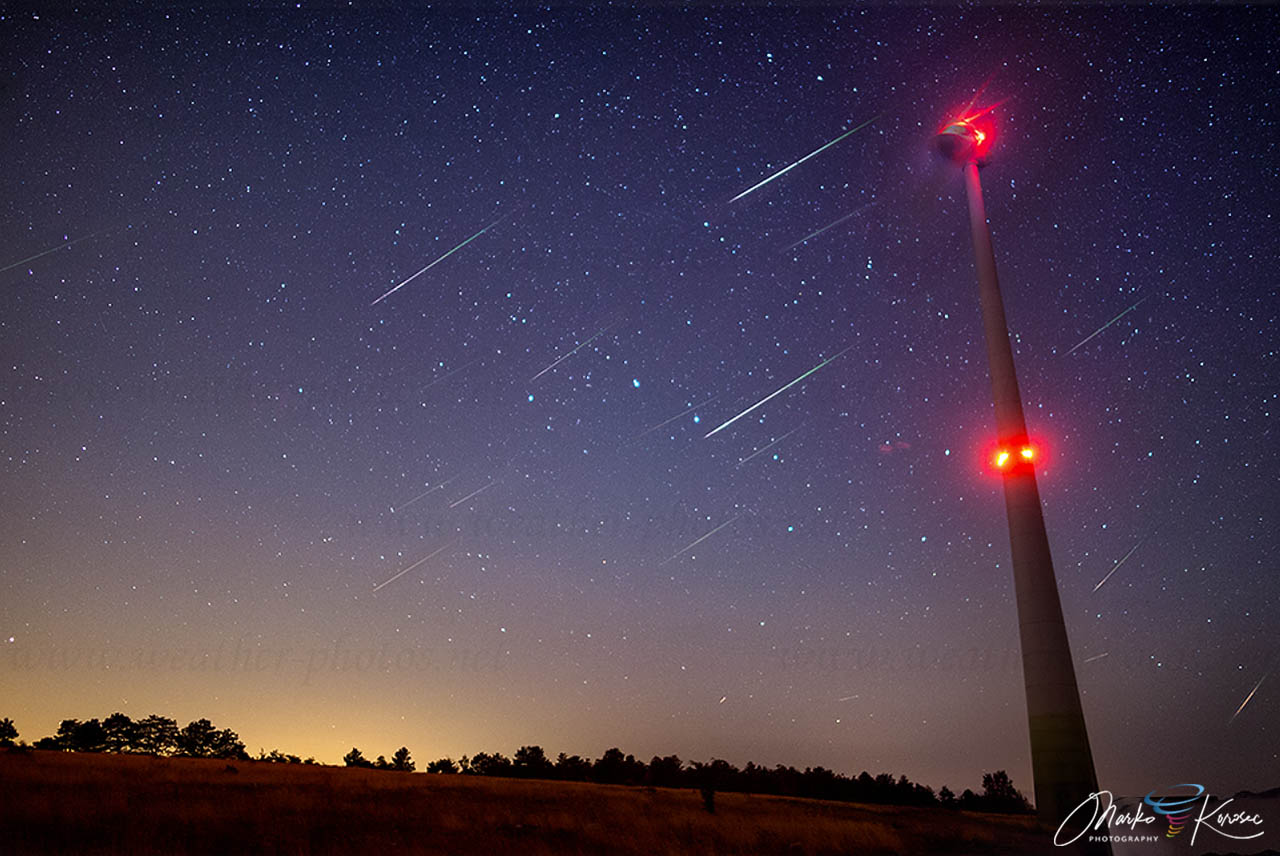
The Art of Meteor Photography
Capturing a fireball requires more than just pointing a smartphone at the sky. Astrophotographers recommend the following setup:
- Equipment: A DSLR or mirrorless camera, a sturdy tripod, a fast wide-angle lens (e.g., 14mm to 24mm with an aperture of f/2.8 or lower), and an intervalometer or built-in shutter timer.
- Technique: Set the camera to manual focus (focused carefully on a bright star), use a high ISO (ranging from 1600 to 6400 depending on ambient darkness), and set exposures between 15 to 25 seconds.
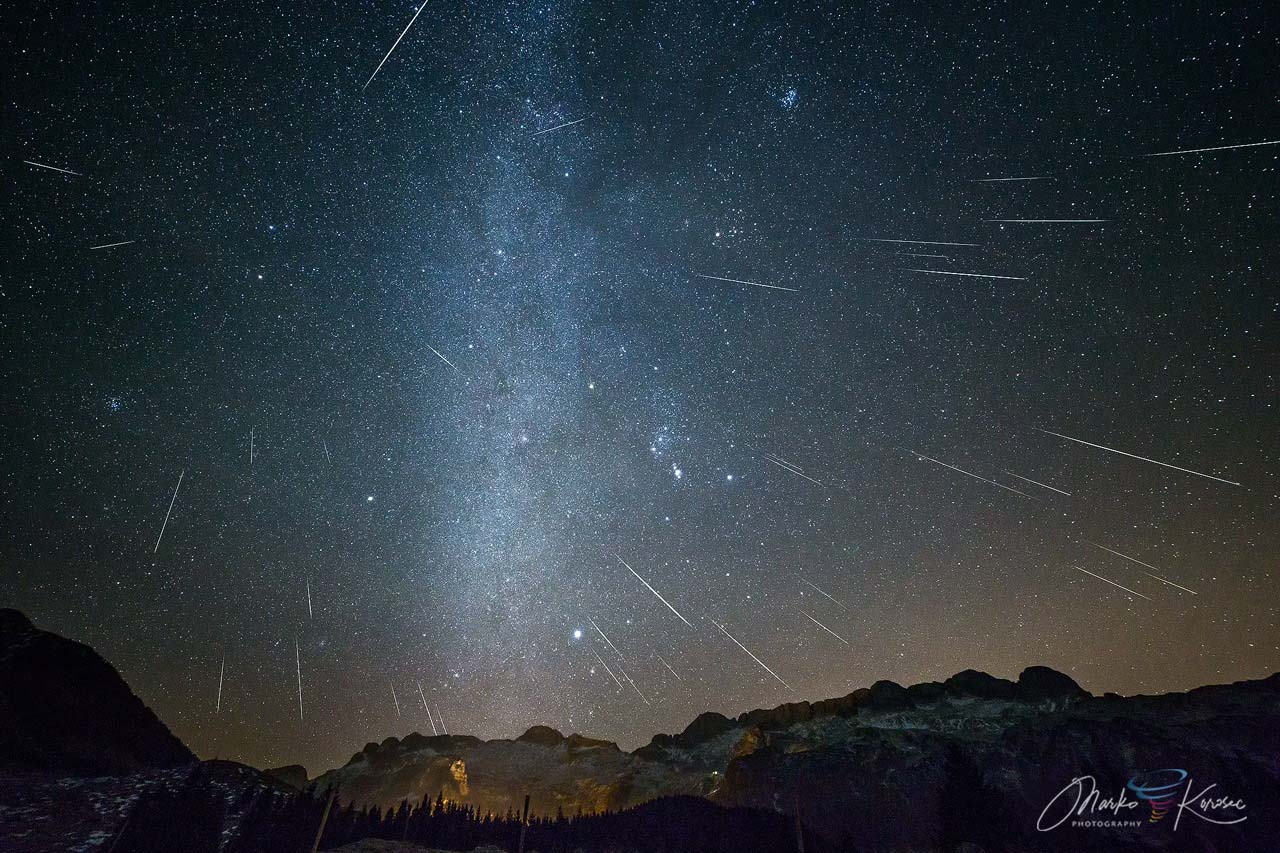
- Patience: Meteor photography is a game of probability. Photographers should expect to capture hundreds—or even thousands—of blank frames over several hours before a brilliant Perseid or exploding fireball streaks through the frame. The wait, however, is invariably rewarded by stunning composite images featuring the Milky Way, bright planets like Mars, and jagged silicate trails.
Cultural and Community Engagement
Beyond the hard science, events like the 2026 Perseids serve as a powerful cultural touchstone. Often historically referred to as the "Tears of St. Lawrence," the shower brings communities together for late-night vigils. Local astronomy clubs across Europe and the Americas are organizing public "star parties," offering guided tours of the night sky and safe viewing setups for the preceding solar eclipse.
As the clock ticks toward August 12, the message from the global astronomical community is clear: secure a dark-sky location, check local weather updates, prepare for a long and rewarding night under the stars, and share the experience with fellow enthusiasts.
