

By Global Tech Desk
Sony continues to dominate the personal audio landscape, refusing to rest on the laurels of its flagship hardware. While industry attention frequently focuses on cutting-edge releases like the WH-1000XM5 and the premium WH-1000XM6, Sony understands that longevity and value are major drivers of consumer adoption. Capitalizing on the enduring legacy of one of its most celebrated historical releases, the Japanese electronics giant has announced a fresh wave of headphones.
Leading this new hardware rollout is the WH-1000XM4C (M4 2nd Gen), priced at $300, which breathes new life into a nearly flawless classic from August 2020. Alongside the second-generation XM4 variant, Sony has introduced two modernized mid-tier and entry-level options: the WH-CH730N ($180) and the WH-CH530 ($80).

Main Facts: What’s New in Sony’s Latest Headphone Drop?
The centerpiece of this announcement is undoubtedly the WH-1000XM4C. Despite the arrival of two subsequent generations of flagship over-ears, the original WH-1000XM4 remains a cult favorite among audiophiles, commuters, and students alike for its deep, dynamic bass, comfortable fit, and reliable active noise cancellation (ANC).
The new M4 2nd Gen ($300) keeps the core architecture of the original model intact while introducing targeted upgrades:
- Connectivity & Customization: The headphones swap out Bluetooth 5.1 for the much faster and more efficient Bluetooth 6.0. Furthermore, Sony has upgraded the companion app’s equalizer from a 5-band to a comprehensive 10-band EQ, which includes a dedicated gaming EQ preset for enhanced sound personalization.
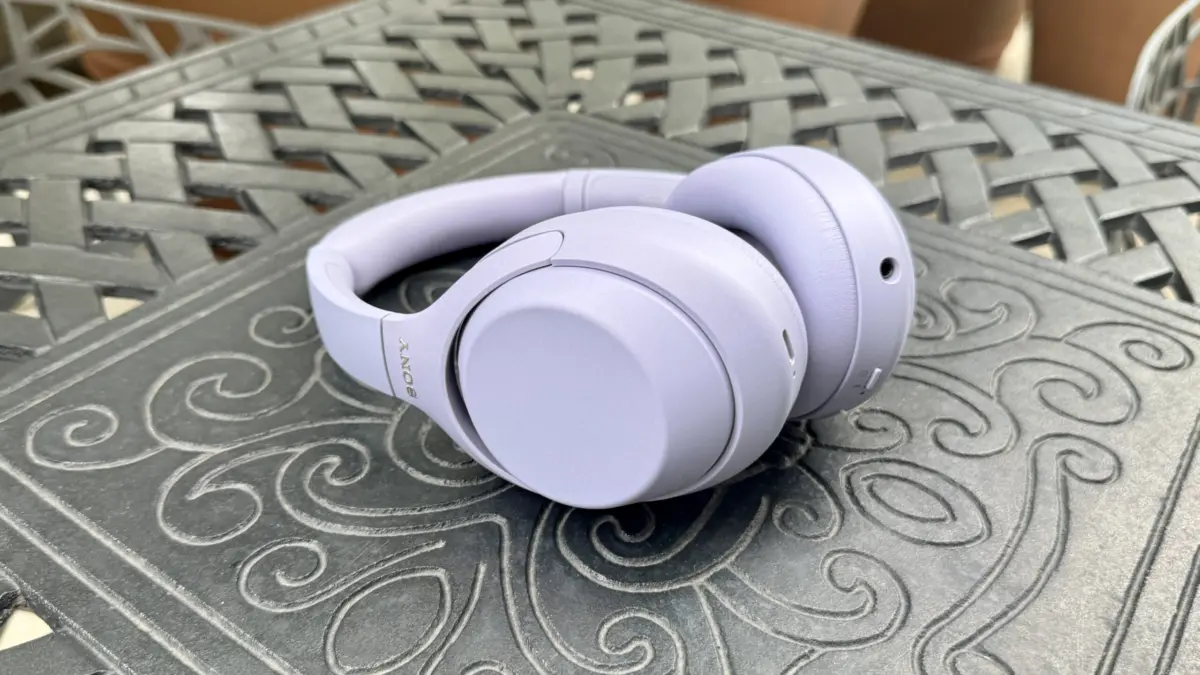
- Aesthetic Tweaks & New Colors: While retaining the iconic silhouette, the XM4C introduces fresh colorways, including an exclusive online-only lavender option designed specifically to appeal to younger demographics and female consumers who historically favored the line.
- Core Audio & ANC: Powered by the legacy QN1 chip and outfitted with four microphones, the active noise cancellation remains largely unchanged from the original model. However, audio engineers applied updated sound tuning for a cleaner, more refined reproduction. Battery life sees a minor dip to 27 hours with ANC enabled, down slightly from the original’s 30-hour rating.
Meanwhile, the mid-tier WH-CH730N ($180) and entry-level WH-CH530 ($80) target budget-conscious consumers looking for robust feature sets without breaking the bank.

Chronology: The Evolution of the WH-1000X Family
To understand why Sony is revisiting a 2020 model, it helps to review the timeline of the company’s industry-leading headphone lineage:
- August 2020: Sony launches the WH-1000XM4. It receives widespread critical acclaim, lauded for introducing multipoint Bluetooth pairing and exceptional sound profiles, quickly capturing market share.
- May 2022: The radical redesign of the WH-1000XM5 arrives, shifting to a non-folding frame and an entirely new aesthetic, though some purists miss the foldable design and warmer bass profile of the M4s.
- 2024–2025: Sony rolls out the WH-1000XM6, pushing the boundaries of spatial audio, microphone arrays (boasting 12 mics), and premium ANC technology at an elevated price point.
- Current Day: Recognizing that a vast segment of the consumer base still desires the classic form factor, physical folding capabilities, and signature sound tuning of the 2020 era—at a more accessible price point than the latest flagships—Sony officially unveils the WH-1000XM4C (M4 2nd Gen).
Supporting Data: Specifications, Pricing, and Performance Metrics
When evaluating consumer tech, specifications tell only part of the story, but they provide critical context for how these new models stack up against competitors and predecessors.
| Model Name | Launch Price | Key Upgrades vs. Predecessor | Battery Life (ANC On) | Standout Features |
|---|---|---|---|---|
| WH-1000XM4C (M4 2nd Gen) | $300 | Bluetooth 6.0, 10-band EQ, updated sound tuning, new colors | Up to 27 hours | QN1 chip, iconic foldable design, specialized lavender colorway |
| WH-CH730N | $180 | Foldable chassis, Dual Noise Sensor tech, LC3 codec support | Up to 50 hours | AI noise reduction for calls, 10-band EQ, 10% more effective ANC |
| WH-CH530 | $80 | AI voice-calling noise reduction, volume limiter, new colorways | Up to 55 hours | On-ear design, youth-focused safety limits, lightweight build |
A Closer Look at the WH-CH730N
The predecessor to this midrange model, the CH-720N, was a favorite for its ultra-lightweight build and punchy value proposition. The new CH-730N bumps the list price up by $30 to $180, but justifies the increase with a fully foldable design—a highly requested feature missing from the prior iteration.

Audio-wise, the CH-730N delivers an open, well-balanced sound profile with deep bass extension. While it lacks the ultimate clarity of the flagship XM6, it performs admirably for everyday listening. Crucially, the microphone array has been upgraded with beamforming technology and AI-driven noise reduction, vastly improving voice-call clarity. Battery life is another major selling point, pushing an impressive 50 hours on a single charge with ANC turned on.
The Entry-Level WH-CH530
Targeting younger listeners and students, the on-ear CH-530 replaces the older CH-520. Priced at $80 ($20 higher than its predecessor’s original list price), it introduces a built-in volume limiter—a vital tool for parents protecting young children’s hearing. It boasts an astonishing 55 hours of battery life, AI-enhanced voice calling, and a fun palette of vibrant colors (including cobalt, coral, mint, pink, white, and black). However, users should note that it lacks active noise cancellation, wired audio support, and a carrying case.
Official Responses and Strategic Intent from Sony
Sony’s product marketing strategy behind the WH-1000XM4C centers on targeted consumer data. According to Sony representatives, internal metrics revealed that the original WH-1000XM4 maintained immense popularity among younger female demographics long after its initial shelf-life peak.

To lean into this trend, Sony collaborated on aesthetic finishes, developing the online-exclusive lavender variant available exclusively via Sony’s direct storefront and Amazon.
Furthermore, regarding the acoustic adjustments made to the M4 2nd Gen, Sony emphasized that the internal hardware layout remains anchored by the reliable QN1 noise-canceling processor. Rather than overhauling the active noise cancellation—which would cannibalize sales of the ultra-premium WH-1000XM6—Sony focused on "updated sound tuning designed for today’s listening preferences." This subtle retuning targets modern streaming habits, delivering crisper highs while preserving the rich, dynamic low-end that made the 2020 iteration legendary.
Market Implications: Navigating the Holiday Shopping Season
The launch of these three products arrives at a strategic juncture in the consumer electronics calendar. List prices for premium headphones have crept steadily upward over the years, alienating budget-conscious shoppers. By positioning the XM4C at $300, Sony bridges the gap between aging clearance stock and exorbitant flagship pricing ($400+).

Industry analysts point out that while these are the manufacturer’s suggested retail prices (MSRP), historical precedent suggests they are primed for steep retail promotions. With older flagship models like the WH-1000XM5 frequently seeing deep discounts dipping below $200 during flash sales, tech consumers should anticipate aggressive holiday promotions. The $180 price tag on the WH-CH730N, for instance, is widely expected to tumble by $50 or more during Black Friday and seasonal shopping events.
Conclusion and What’s Next
Sony’s decision to refresh a legacy champion rather than abandoning its past successes highlights a mature understanding of consumer preference. Not every buyer wants a radical redesign; many prefer the tried-and-true ergonomics, physical folding hinges, and warm sonic signatures of earlier generations.
Review samples for all three models have already been distributed to major tech publications, with comprehensive, side-by-side performance reviews expected later this month. As the audio market braces for intense year-end competition, Sony’s refreshed lineup ensures that shoppers have access to proven engineering outfitted with modern connectivity, refined tuning, and exceptional battery endurance.
