

Main Facts: The New V2L Rollout
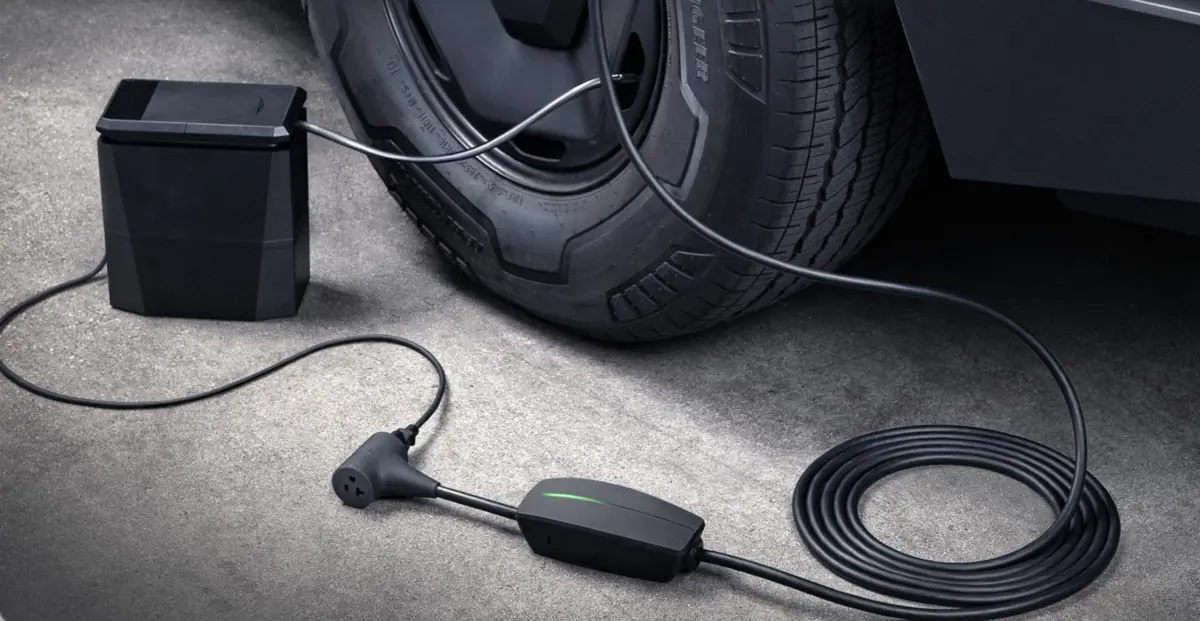
Tesla has officially activated vehicle-to-load (V2L) capabilities for the Model Y Premium across the United States and Puerto Rico. This functionality allows vehicle owners to draw up to 2.4 kW of electrical power directly from the car’s high-voltage battery pack at 120 volts and 20 amps.
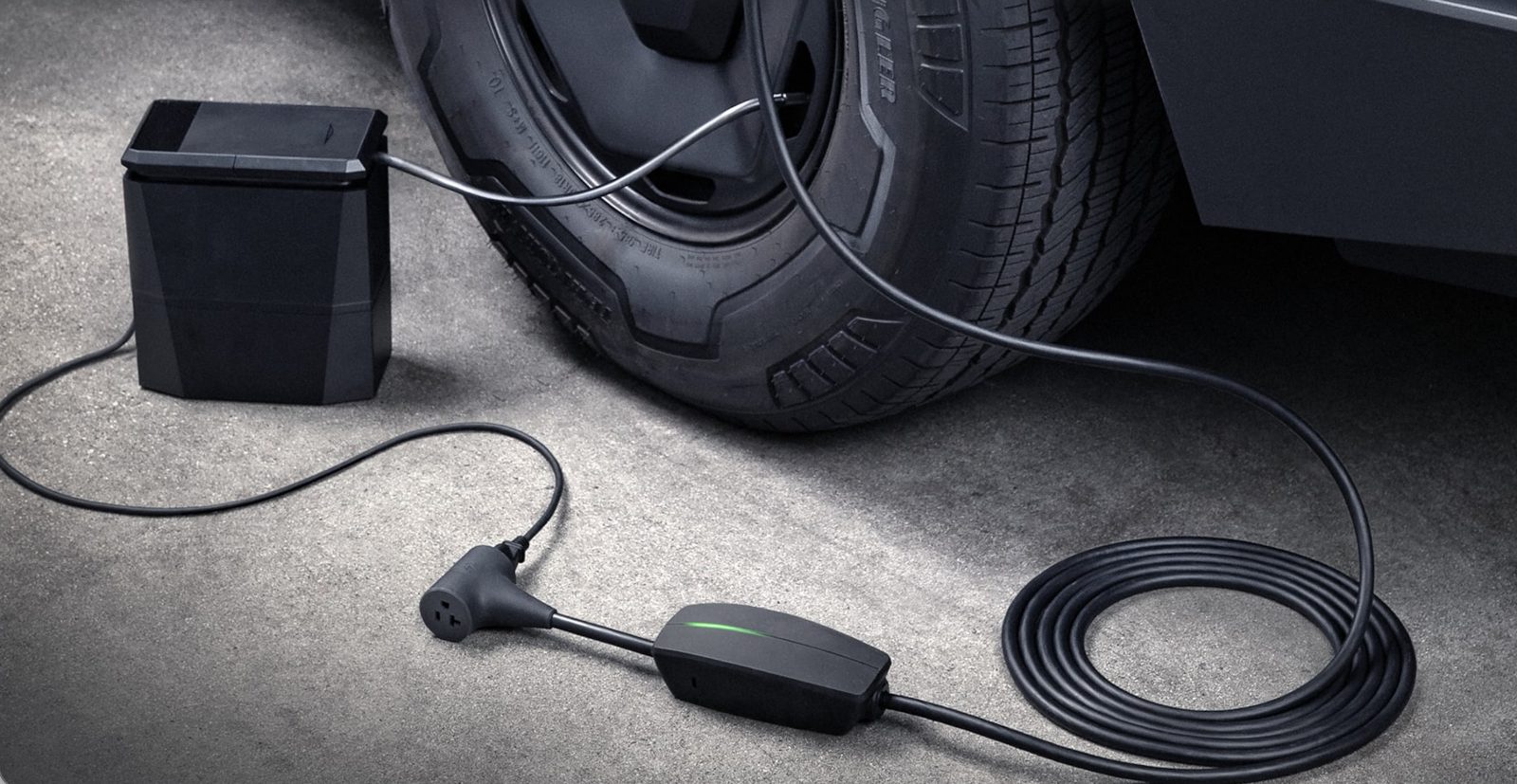
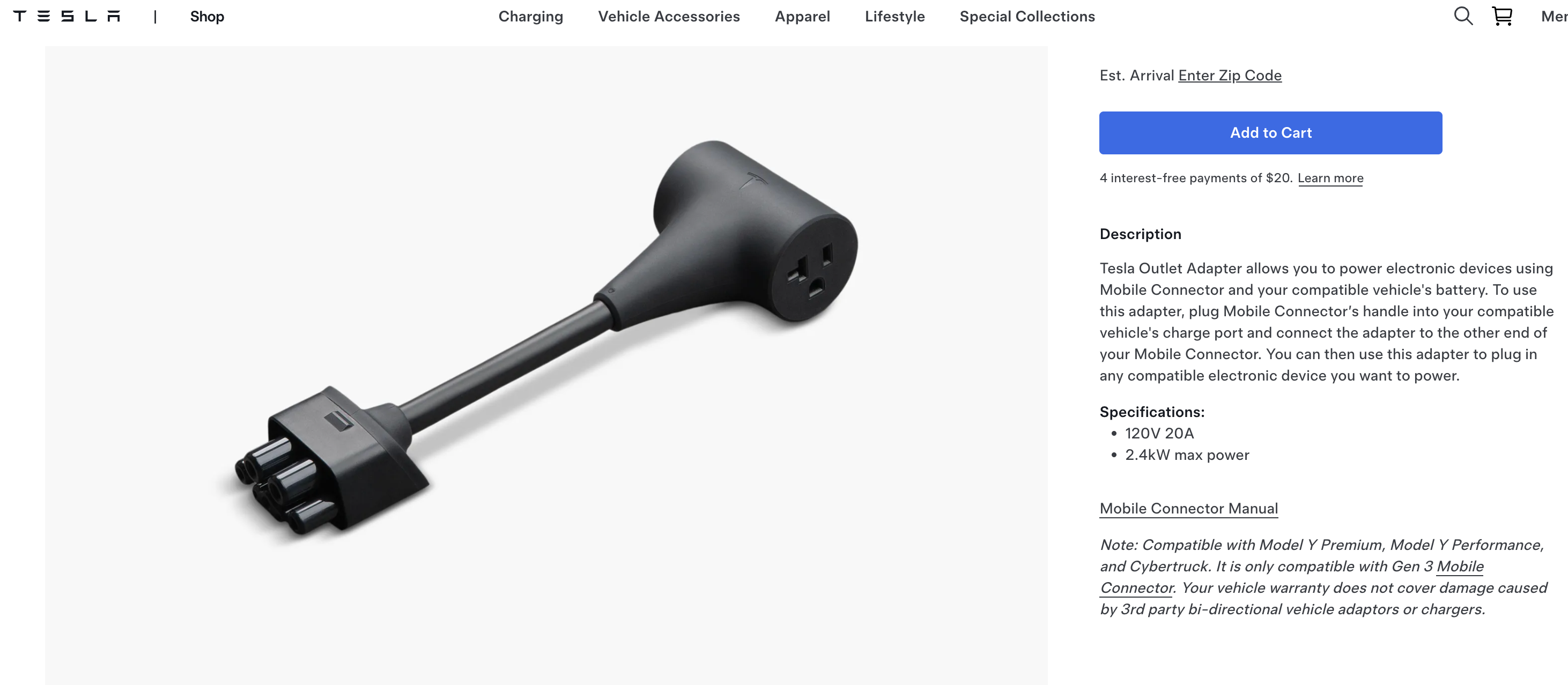
However, accessing this power requires more than just an over-the-air software update. Owners must purchase an $80 hardware adapter—the same accessory initially introduced for the Cybertruck in April 2025. This specialized fitting attaches to the end of Tesla’s Gen 3 Mobile Connector, the portable charging cable that comes standard with new Model Y purchases or retails independently for $300. By plugging the connector into the charge port and attaching the adapter, users gain access to standard household outlets capable of delivering 20 amps of power.
Despite the excitement surrounding this feature, availability remains strictly limited by vehicle trim and hardware specifications:

- Compatible Vehicles: Model Y Premium, Model Y Performance, and the Cybertruck.
- Excluded Vehicles: The budget-friendly Model Y Standard and the entire Model 3 lineup currently lack the necessary internal hardware to support the feature.
- Limitations: The rollout is strictly limited to V2L power delivery (plugging in appliances and tools). It does not include vehicle-to-home (V2H) backup power or vehicle-to-grid (V2G) capabilities for the Model Y.
While the 2.4 kW ceiling is sufficient to power refrigerators, space heaters, campsite setups, or job-site power tools, it places Tesla at the conservative end of the broader automotive industry’s bidirectional charging spectrum.
Chronology: How Tesla’s Bidirectional Journey Unfolded
To understand the significance of this release, it helps to examine the timeline of Tesla’s approach to bidirectional power:
- Pre-2021: Elon Musk and Tesla executives repeatedly downplayed the consumer utility of vehicle-to-home charging, arguing that home backup batteries (like the Tesla Powerwall) were a superior, dedicated solution for residential energy storage.
- 2021–2023: Competitors like Hyundai, Kia, and Ford aggressively integrated V2L and V2H hardware into their electric vehicle lineups. Hyundai introduced 3.6 kW V2L capabilities with the launch of the Ioniq 5, shipping adapters directly in the glovebox.
- Late 2023: Tesla introduced the Cybertruck, revealing that it possessed substantial bidirectional capabilities, including up to 11.5 kW of home backup power via the Tesla Powershare ecosystem.
- April 2025: Tesla launched the $80 charge-port adapter for the Cybertruck, opening the door for mobile accessory powering.
- October 2025: Industry insiders and teardowns confirmed that newly manufactured Model Y Performance units were quietly shipping with bidirectional-capable hardware built into their power electronics, though the feature remained locked via software.
- October 2025 (Later): Tesla released a lower-priced Model Y Standard trim, strategically stripping out advanced electronics to cut costs.
- August 2026: Tesla officially switches on V2L capabilities for the Model Y Premium and Performance trims via a software update, nearly a year after hardware confirmations surfaced.
Supporting Data: How Tesla Stacks Up Against the Competition
When examining the broader electric vehicle market, Tesla’s V2L offering arrives late and sits firmly at the bottom of the power delivery tier. While an 2.4 kW output is undeniably useful for tailgating, camping, or running essential emergency devices, it lags significantly behind competing electric vehicles:
| Automaker & Vehicle Model | V2L / V2H Power Output | Outlets / Connection Method | Included in Purchase Price? |
|---|---|---|---|
| Tesla Model Y Premium / Performance | 2.4 kW (120V / 20A) | Gen 3 Mobile Connector + $80 Adapter | No ($80 extra) |
| Hyundai Ioniq 5 / Kia EV6 / EV9 | 3.6 kW (120V) | Interior outlet + charge-port adapter | Yes (Included standard) |
| Ford F-150 Lightning (Pro/XLT) | 2.4 kW standard (Up to 9.6 kW optional) | True bed and frunk household outlets | Yes (Varies by package) |
| Chevrolet Silverado EV | Up to 10.2 kW | Dedicated PowerBase bed outlets | Yes (Varies by package) |
| Tesla Cybertruck | Up to 11.5 kW (Home backup via Powershare) | Bed outlets + Gateway integration | Requires additional Powershare hardware |
As the data highlights, legacy automakers and direct EV competitors have treated bidirectional charging as a core utility feature for years, frequently including the necessary hardware or adapters out of the box. Tesla, by contrast, treats the feature as an aftermarket accessory add-on restricted to its higher-end vehicle tiers.
Official Responses and Strategic Positioning
Tesla has remained notably methodical about rolling out bidirectional charging, balancing consumer demand against its lucrative energy storage ecosystem—specifically the Tesla Powerwall.
For years, company leadership expressed skepticism regarding vehicle-to-home applications, arguing that cycling an EV’s multi-thousand-dollar battery pack to power a home during peak hours caused unnecessary degradation to primary mobility assets. Furthermore, analysts have long suspected that Tesla intentionally delayed home-backup features on consumer vehicles to protect sales of its dedicated residential storage solutions, the Powerwall and Megapack.
However, market pressures have forced a pivot. With competitors aggressively marketing trucks and SUVs that double as mobile generators, Tesla could no longer ignore consumer demand for utility features. The Cybertruck proved that Tesla’s engineering teams could deliver robust bidirectional power systems, achieving a major regulatory milestone in April 2026 when the truck was officially approved as a vehicle-to-grid (V2G) asset with Pacific Gas and Electric (PG&E) in California.
Despite these milestones for the Cybertruck, Tesla’s official support pages for Powershare continue to explicitly state: “Powershare is not available for Model S, Model 3, Model X and Model Y.” This careful distinction emphasizes that the newly enabled Model Y V2L feature is strictly a mobile accessory power source rather than a whole-home emergency generator.
Implications: What This Means for Consumers and the EV Market
The activation of V2L on the Model Y Premium carries several vital implications for current owners, prospective buyers, and the broader energy landscape:

1. Enhanced Utility for Volume Vehicles
By pushing V2L down to the Model Y—Tesla’s highest-volume vehicle—the company is putting mobile power into the hands of hundreds of thousands of everyday drivers. For outdoor enthusiasts, contractors, and campers, an $80 adapter provides a cheaper, cleaner alternative to traditional gas generators without requiring them to purchase a massive electric truck.
2. The Persistent Home-Backup Gap
Disappointed consumers hoping to use their Model Y as an emergency buffer during blackstorms or rolling grid failures will need to temper their expectations. Because the vehicle lacks the high-voltage architecture and gateway integration required for residential backup (Powershare), the Model Y remains limited to localized, low-draw appliance powering. True home energy resilience within the Tesla ecosystem still requires a dedicated Powerwall installation or a Cybertruck.
3. A Strange Industry Paradox
It remains an industry curiosity that Tesla—a company that builds grid-scale battery installations, commercial Megapacks, residential Powerwalls, and advanced solar roofs—was among the last major automakers to deliver basic vehicle-to-load capabilities to its core consumer fleet. While the introduction of the $80 adapter is a welcome and practical step forward, it highlights a lingering gap between Tesla’s software ambitions and hardware deployment strategies.

Ultimately, the update is a win for Model Y owners who value versatility. Even if Tesla arrived late to the V2L party, turning the world’s best-selling electric crossover into a functional mobile generator for less than the cost of a portable power station is a significant step in the right development direction.
