

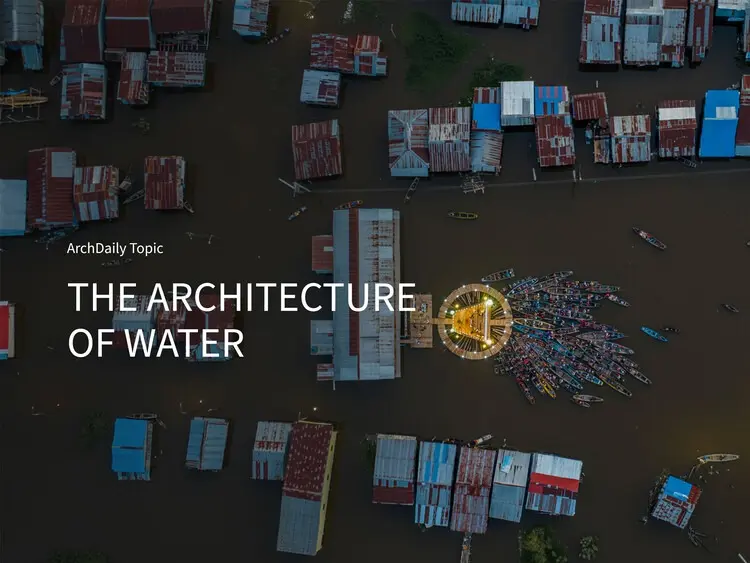
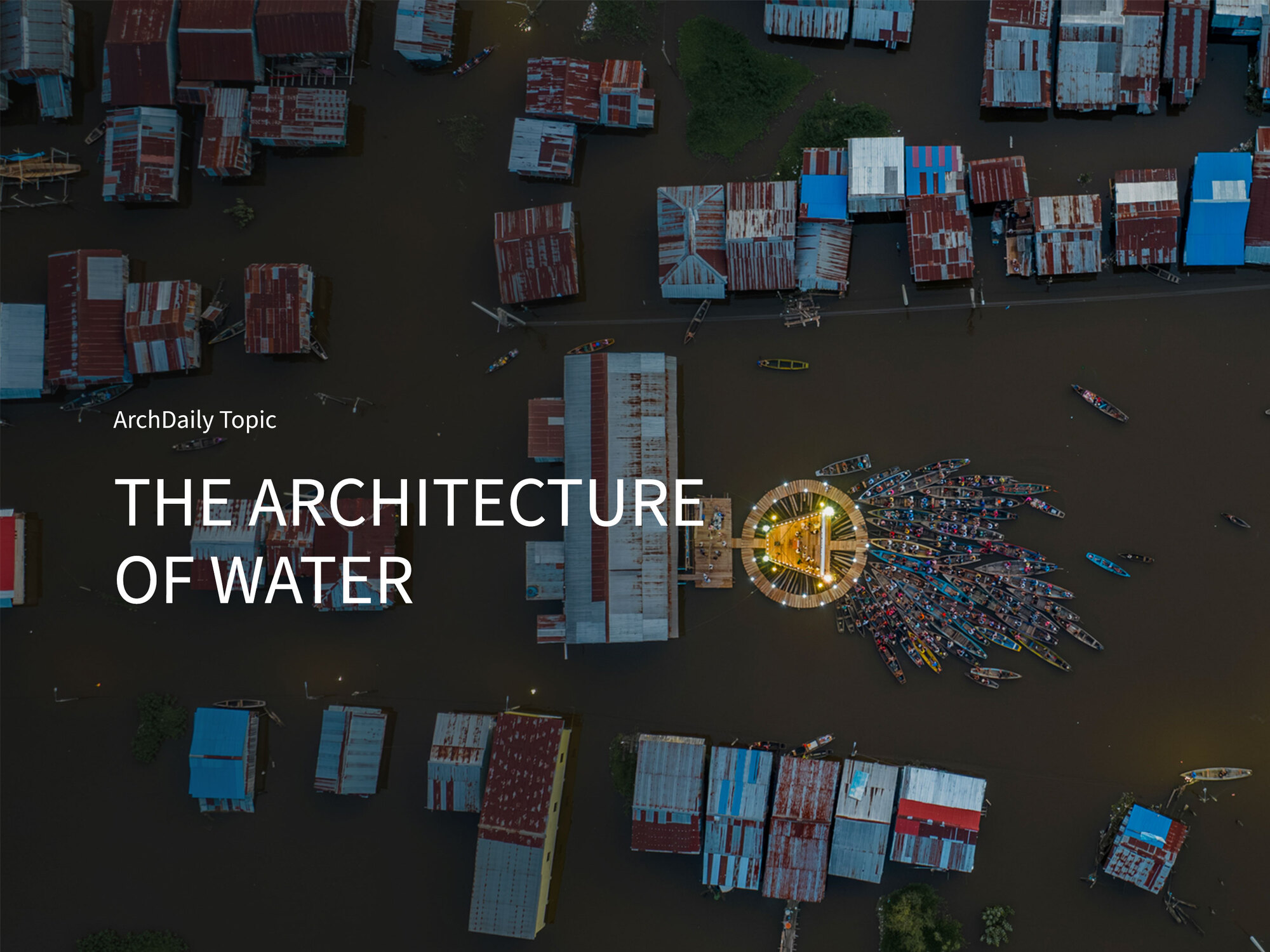
Published: October 2, 2026
By Romullo Baratto / ArchDaily
Introduction: The Dual Nature of Earth’s Most Critical Resource
Water is the bedrock of life. Across ecosystems, from the microscopic chemistry of cellular structures in plants and fungi to the biological dependencies of animals and humans, water functions as the primary vehicle for nutrient transport and metabolic activity. Even in suspended animation—such as the near-total dormancy of resilient seeds and spores—water remains the catalyst that reawakens life. It is, in the most literal sense, the fluid that binds humanity to the natural world.
Yet, this same fluid force divides us. Water acts as both a geopolitical weapon and an arbitrary border. Every year, thousands of migrants cross the Mediterranean from North Africa in perilous, overcrowded vessels toward destinations like Lampedusa, driven by the search for safety and stability; the International Organization for Migration’s Missing Migrants Project records more than 30,000 deaths or disappearances in these waters since 2014.
Geopolitically, water shapes global trade and conflict. Prior to the escalation of the conflict involving Iran in early 2026, the Strait of Hormuz carried approximately 25% of the world’s seaborne crude oil, directly linking maritime geography to global economic volatility.
Simultaneously, water sits at the epicenter of the global climate crisis. Its abundance can be just as lethal as its scarcity. Severe, unpredictable flooding increasingly devastates nations that have historically contributed the least to global carbon emissions, while wealthier, industrialized polluters remain heavily fortified against climatic shocks. If water is life, it can also spell devastation. Ultimately, water is profoundly political.
Chronology: From Historic River Valleys to Climate-Driven Urban Frontiers
To understand humanity’s relationship with water is to trace the history of civilization itself. The evolution of architectural and urban design is indelibly tied to humanity’s attempts to harness, divert, and live alongside aquatic landscapes.
1. Antiquity to the Industrial Age: Settling the Edges
- The Cradle of Civilization (c. 4000 BCE – 500 BCE): Early human settlements universally gravitated toward water. The Tigris-Euphrates, the Nile, the Indus, and the Yellow River valleys served as the cradles of agriculture and urban organization. Water management—through early irrigation channels, dikes, and levees—was synonymous with state power.
- The Monumental Era of Water Infrastructure (19th – Mid-20th Century): As engineering prowess advanced during the Industrial Revolution, water ceased to be merely a life-sustaining element and became a tool for industrial expansion. Canals, locks, grand aqueducts, and massive concrete dams were erected as monuments to human dominance over nature.
2. The Contemporary Era: The Crisis of Control
- Late 20th Century: The acceleration of global climate change began to expose the structural limitations of rigid, hard-engineering approaches. Seawalls and channelized rivers frequently exacerbated flooding downstream rather than mitigating it.
- 2014–Present: A dramatic spike in maritime migration crises across the Mediterranean and climate-induced catastrophic flooding worldwide underscored the vulnerability of global coastlines and riverbanks.
- February 2026: Geopolitical flashpoints, such as the strategic disruptions in the Strait of Hormuz, underscored how maritime choke points dictate global energy security and international stability.
- October 2026: ArchDaily launches its landmark editorial focus, "The Architecture of Water: Territories, Tensions & Transformations," challenging architects, urban planners, and policy-makers to rethink humanity’s relationship with aquatic systems.
Supporting Data & Metrics: The Scale of the Crisis
To frame the architectural and urban challenges of the coming decades, current metrics highlight the compounding pressures facing global water systems:
- 30,000+ Fatalities: Recorded by the Missing Migrants Project in the Mediterranean Sea since 2014, illustrating the deadly role of maritime borders.
- 25% of Global Crude Oil: The share of the world’s seaborne oil historically transiting through the Strait of Hormuz, linking regional waterways directly to global market stability.
- Rising Sea Levels: According to global meteorological assessments, accelerating ice-sheet melt and thermal expansion continue to threaten hundreds of millions of coastal residents living within low-elevation coastal zones (LECZs).
- Vulnerability Disparity: Developing nations in the Global South face up to tenfold higher relative risks of catastrophic displacement due to flooding compared to industrialized nations with advanced infrastructural defenses.
Official Responses and Perspectives
As global institutions and design collectives grapple with the realities of water scarcity, sea-level rise, and geopolitical volatility, architectural discourse is shifting away from aggressive conquest toward ecological stewardship.
The Shift Toward the "Blue Economy"
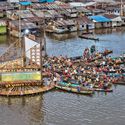
Urban planners and environmental scientists are increasingly advocating for a Blue Economy—a paradigm that prioritizes ecological regeneration over resource extraction. Rather than treating water bodies as drainage networks or obstacles to be paved over, contemporary design strategies view aquatic systems as active participants in urban resilience.
Architectural Interventions Across Scales
- Living Barriers vs. Concrete Seawalls: In coastal zones, architects and landscape designers are increasingly turning to natural buffers. Mangrove forest restoration projects are proving more effective, flexible, and sustainable than rigid concrete seawalls in absorbing storm surges and preventing coastal erosion.
- Adaptive Urbanism in the Global South: In Southeast Asia, historic urban canals are being reclaimed as vibrant ecological corridors and public spaces rather than relegated to subterranean stormwater drains.
- Flood-Resilient Public Spaces: Throughout Latin America, landscape architects are pioneering the design of public plazas and urban parks engineered to flood intentionally during heavy downpours, safely detaining and filtering water before gradually releasing it.
- Atmospheric Water Harvesting: In hyper-arid regions where surface water is virtually non-existent, designers are exploring cutting-edge atmospheric water generation technologies, carefully balancing the promise of decentralized water access with energy consumption limits.
Implications for the Future of Architecture
The mounting pressures of the climate crisis force a profound reckoning within the architectural profession. The traditional mandate of architecture—to create static, enclosed, and permanent shelters—is being fundamentally challenged by the dynamic nature of water.
1. Designing for Uncertainty
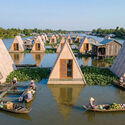
Can architecture accept a degree of fluidity and uncertainty? Designing for water that rises, recedes, and returns demands an agile architectural vocabulary. Amphibious architecture, stilt structures, and floating communities are transitioning from experimental concepts to survival strategies for vulnerable delta cities.
2. Redefining Land and Ownership
The relentless expansion of buildable land through artificial land reclamation has historically come at a devastating cost to marine ecosystems and coastal wetlands. As sea levels continue to encroach, legal and ethical questions take center stage: Where does ownership end and stewardship begin? Who gets to claim land on or around water?

3. Water as a Commons
Ultimately, the architectural profession is being called upon to dismantle the legacy of treating water purely as a commodity or a threat to be engineered away. By reframing water as a global common to be shared, architects, urban designers, and communities can pioneer a new epoch of coexistence—one where human settlements are resilient, regenerative, and deeply attuned to the natural rhythms of Earth’s most vital fluid.
This article is part of the ongoing ArchDaily Topic series: The Architecture of Water: Territories, Tensions & Transformations. Every month, ArchDaily explores critical global topics in-depth through analytical articles, expert interviews, news coverage, and innovative architecture projects from around the globe.
