

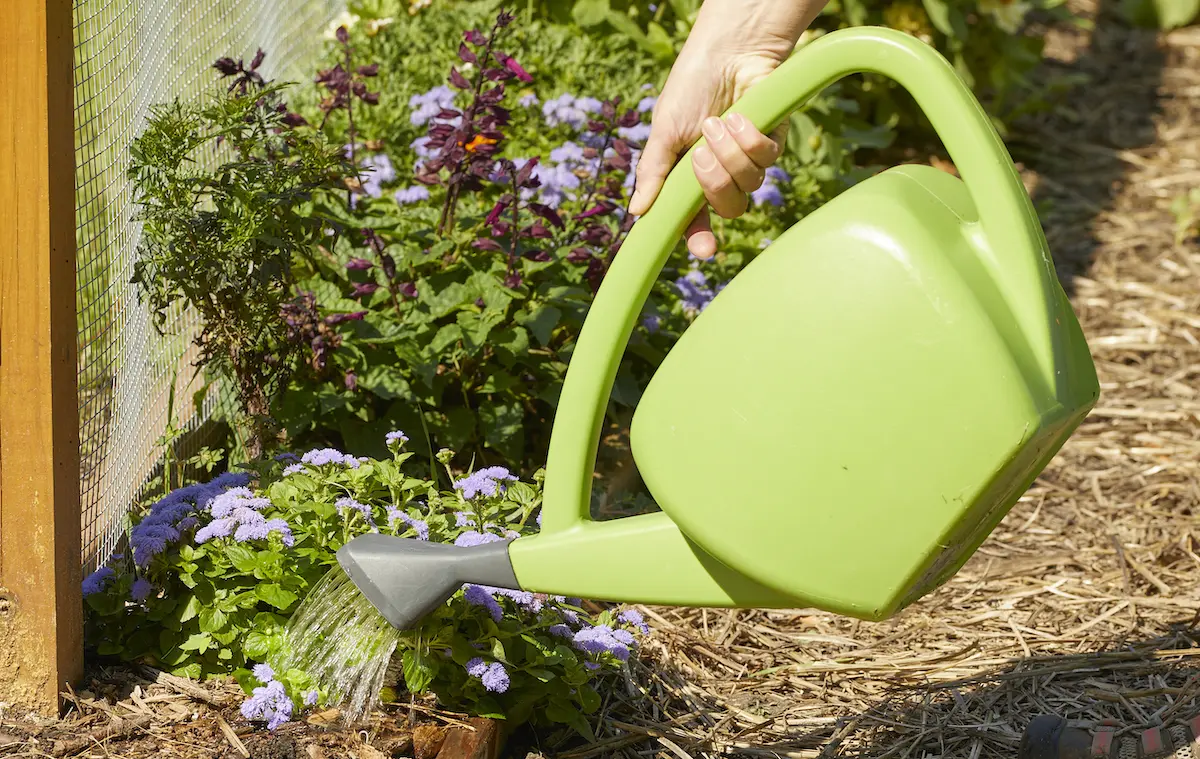
Every middle-school science classroom introduces a foundational truth: plants need water to survive and thrive. However, translating that simple concept into successful gardening is where many enthusiasts stumble. Incorrect watering techniques remain one of the leading killers of both indoor houseplants and outdoor landscaping. Poor hydration habits can invite fungal diseases, cause root rot, and ultimately destroy greenery that took months or years to cultivate.
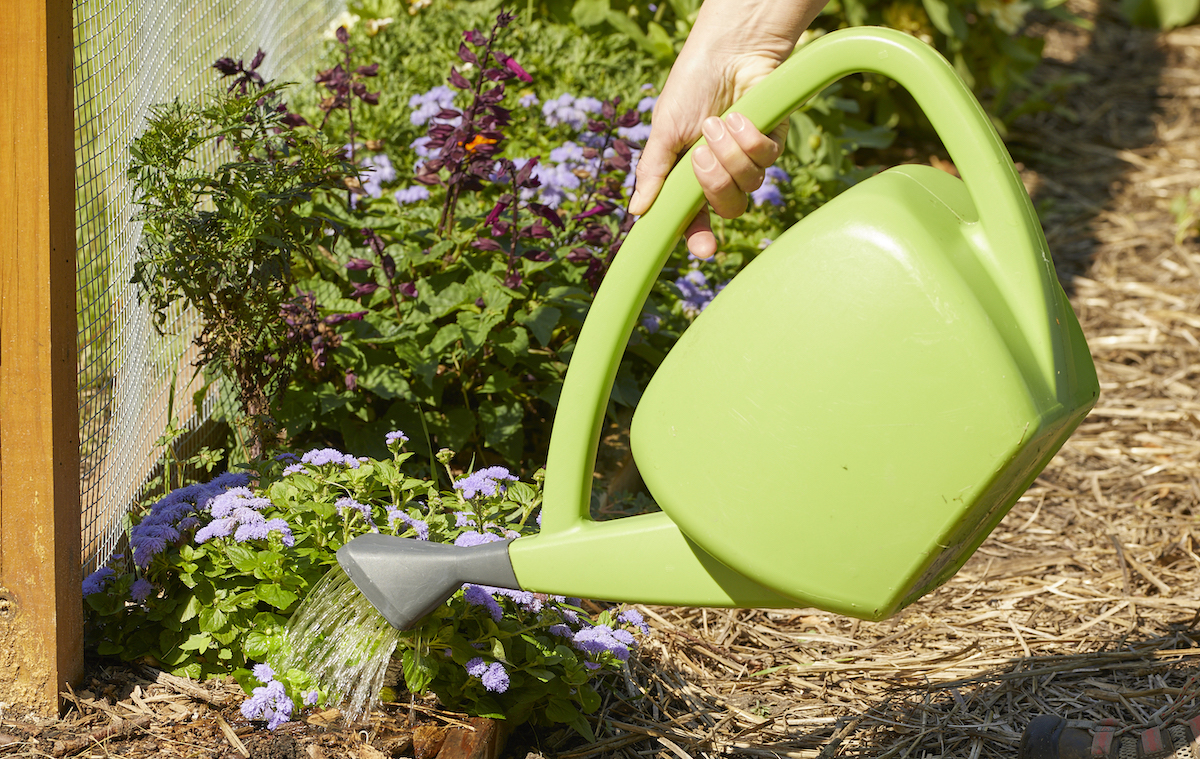
To help gardeners avoid these pitfalls, leading landscaping and irrigation experts have shared the ultimate roadmap of professional do’s and don’ts for keeping plants healthy, vibrant, and resilient.
Main Facts: The Core Rules of Plant Hydration
The overarching principle of plant watering is deceptively simple: deliver the right amount of moisture to the roots at the right time. Yet, achieving this balance requires understanding the distinct physiological needs of different plant types, environments, and seasonal cycles.
- Timing is Everything: Outdoor plants are best watered in the early morning to minimize evaporation and fungal growth, while indoor plants adjust their consumption based on seasonal daylight shifts.
- Depth Over Frequency: Shallow, daily splashes encourage weak, surface-level roots. Deep, thorough soakings build resilient root systems.
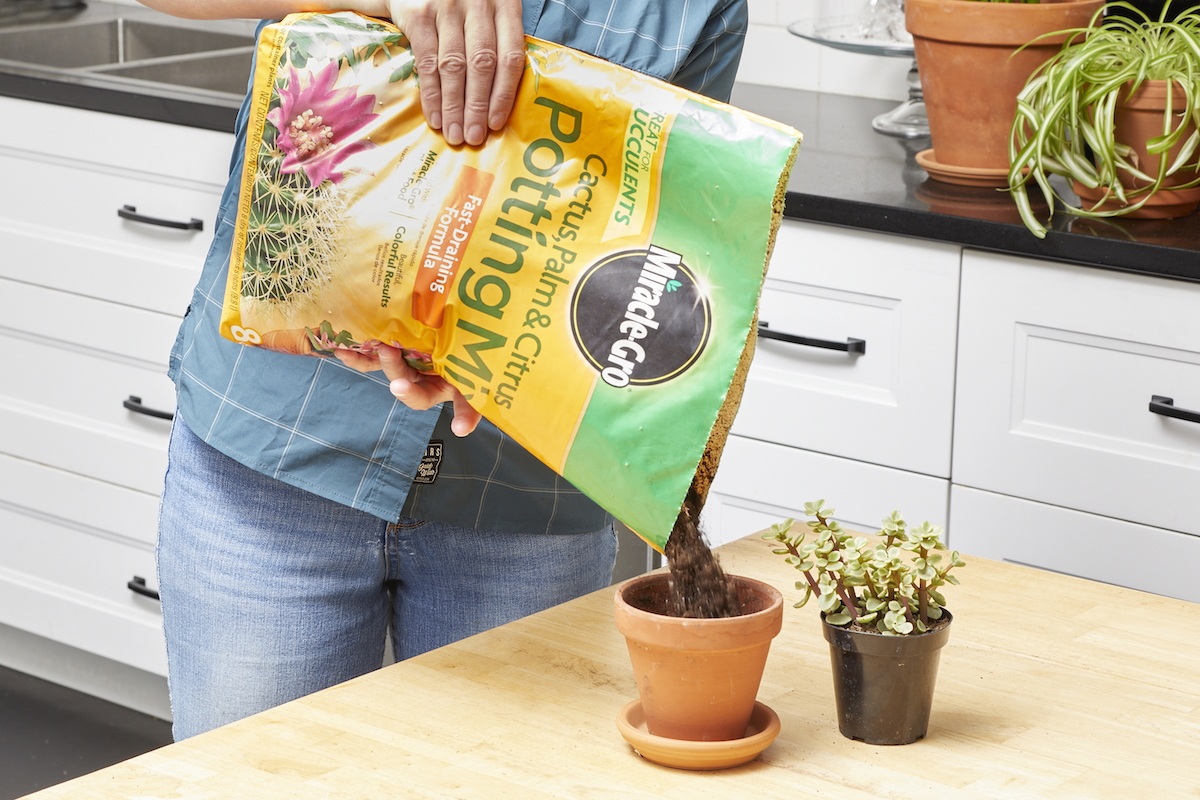
- Soil Selection Matters: Indoor plants require specialized, well-draining soil mixes rather than heavy outdoor garden dirt, which can harbor pests and pathogens.
- The Danger of Overwatering: Too much water is just as damaging as too little, cutting off oxygen to the roots and creating a breeding ground for root rot and fungus gnats.
Chronology: The Lifecycle of Proper Watering Practices
Understanding how watering needs change over the course of a day, a season, and a plant’s lifetime is crucial for any gardener.
Daily and Weekly Cycles
- Morning (The Golden Hour): For outdoor gardens, morning is the ideal time to irrigate. Cool morning soils allow water to travel straight to the roots before the heat of the day causes rapid evaporation. Nighttime watering, by contrast, leaves foliage damp for hours, inviting aggressive fungi.
- Seasonal Shifts: During the peak heat of summer, outdoor container plants may require watering twice daily if temperatures exceed 90 degrees Fahrenheit. Conversely, indoor houseplants experience a dormant phase during the short, low-light days of winter, requiring significantly less water until the longer days of spring spark new growth.
Plant Maturity Milestones
- New Plantings: Newly planted trees, shrubs, and garden beds require intensive care. For the first month, new trees should be thoroughly soaked two to three times per week, followed by weekly waterings through their first growing season.
- Established Flora: Once trees and shrubs pass the two-year mark, their deep root systems become largely self-sufficient, requiring supplemental watering only once every two weeks during severe dry spells.
Supporting Data: Understanding Soil Moisture and Volume
To remove the guesswork from gardening, experts rely on measurable metrics rather than intuition alone.
- The 1-Inch Rule: Most garden flowers, vegetables, and shrubs require the equivalent of 1 inch of water per week. During hot, dry summer spells, this requirement can double. Utilizing a garden rain gauge helps monitor whether natural precipitation is meeting this threshold.
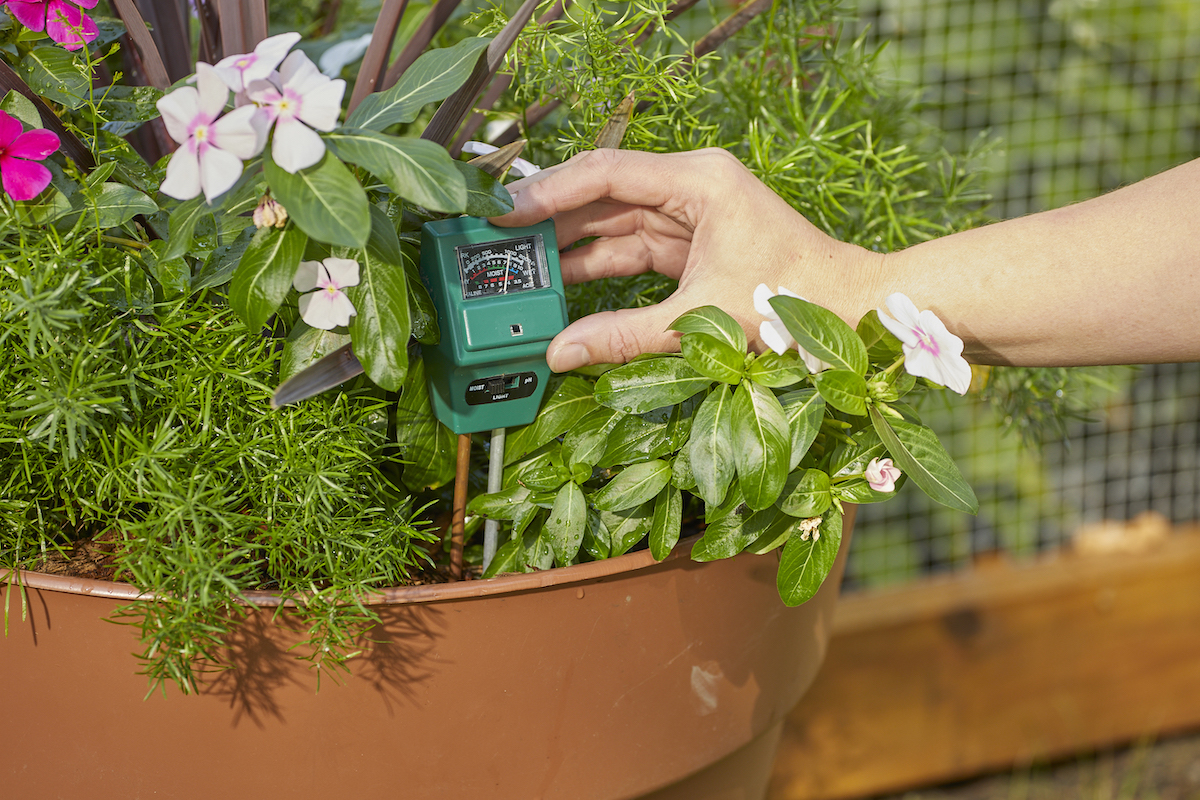
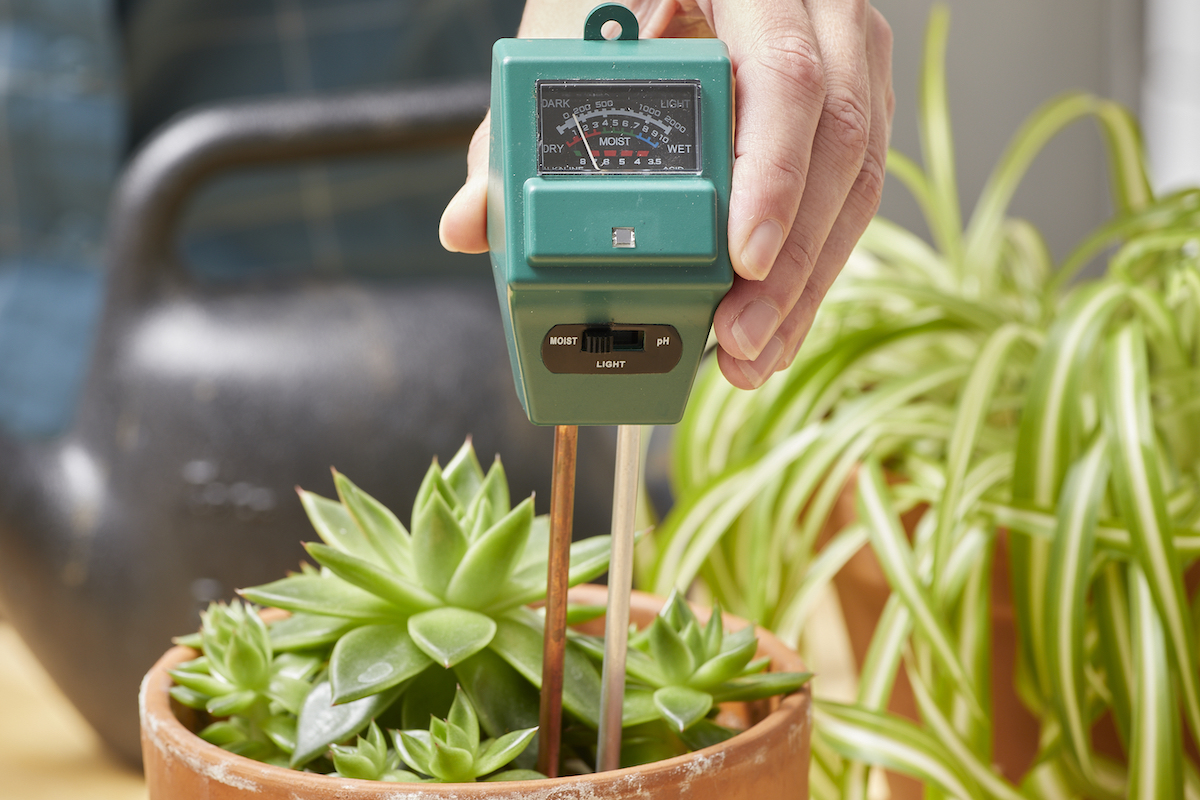
- The Wooden Dowel Test: Surface soil can feel bone-dry on a windy afternoon while the deeper root zone remains soaked. Gardeners can insert a simple wooden dowel a few inches into the soil; if it comes out clean and dry, it is time to water. Alternatively, a reliable soil moisture meter costing under $20 provides precise readings from the root zone.
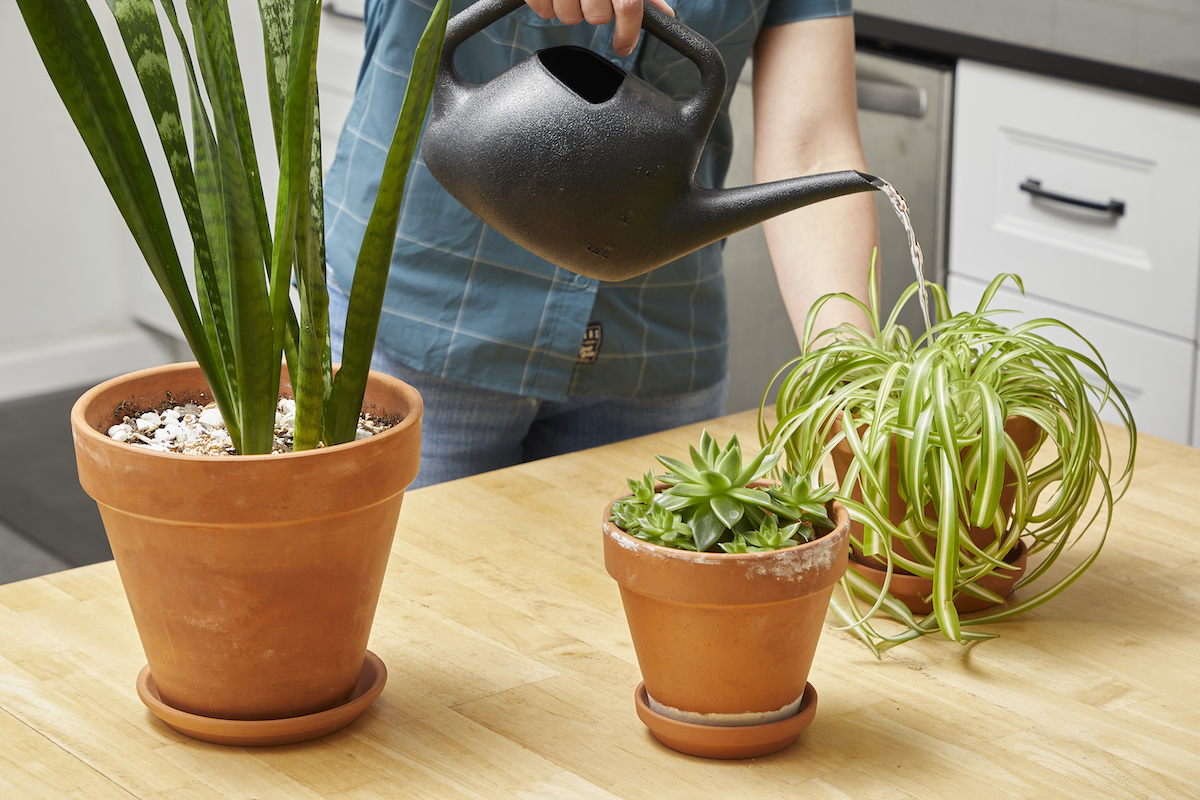
- Drainage and Saturation: Indoor pots must feature drainage holes. When excess water drains into a collection tray, gardeners should allow the plant 30 minutes to reabsorb what it needs before dumping the remaining standing water to prevent root rot.
Expert Insights: Perspectives from Irrigation and Horticulture Professionals
Maintaining plant health is both an art and a science, backed by professionals who design irrigation systems and manage complex landscapes every day.
- Peter Pappas, Irrigation Designer: Based in Middlesex County, Massachusetts, Pappas emphasizes the necessity of morning irrigation. "Water outdoor plants early in the morning to reduce evaporation," he explains, noting that cool soils give moisture the best chance of reaching deep roots. He also stresses the importance of avoiding waterlogged soil: "Stop watering when the soil is moist but not waterlogged." On the dangers of overwatering, Pappas warns, "Look for yellowing leaves, wilting despite wet soil, and general poor growth. Ensure good drainage and allow soil to dry out between waterings."
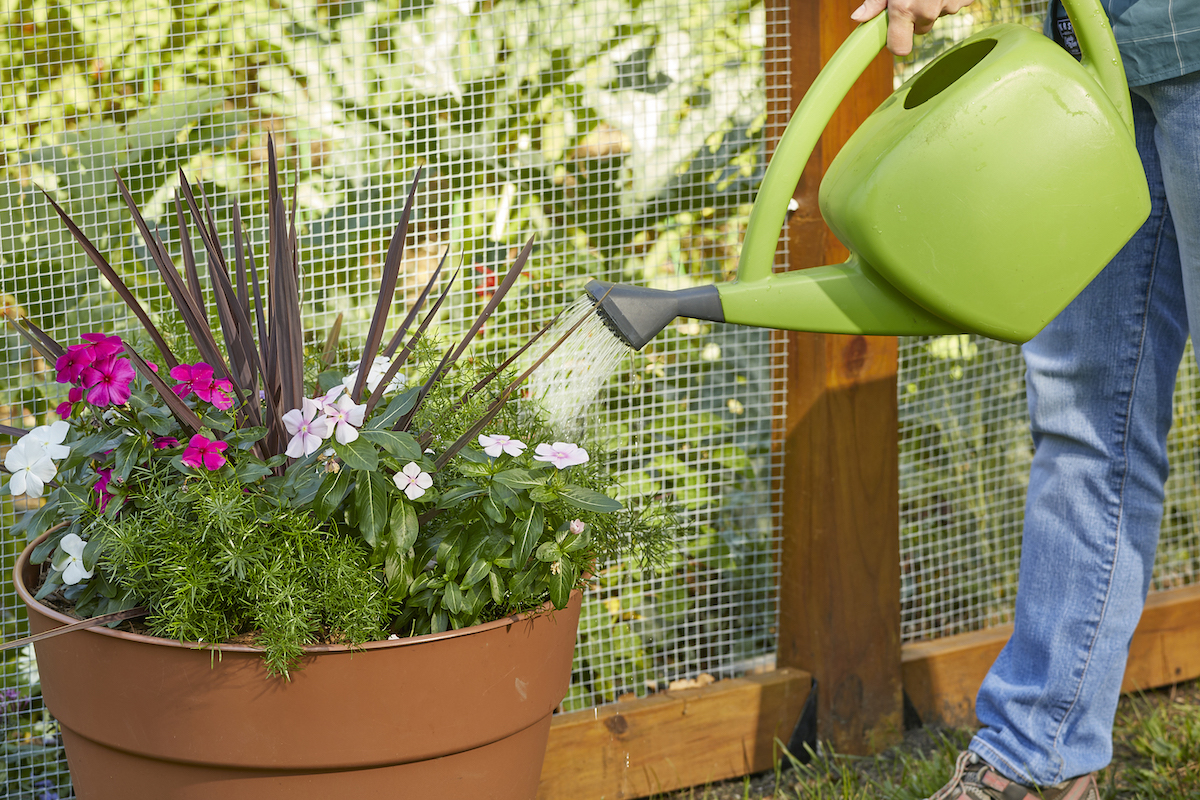
- Matthew Wilson, Handy Gardeners: Wilson highlights the importance of managing container plants and grouping flora strategically. Because container soil dries out rapidly, Wilson advises draining excess water to prevent waterlogging. Furthermore, he recommends grouping landscape plants with similar water requirements together: "Every plant in the group is watered with an appropriate amount of water," making maintenance significantly more efficient.
Implications: Building a Sustainable and Thriving Garden
Mastering the mechanics of plant watering has far-reaching implications for both home aesthetics and environmental sustainability.
- Healthier Food and Foliage: Proper irrigation directly impacts crop yields in vegetable gardens and prevents unsightly brown tips and leaf drop in houseplants.
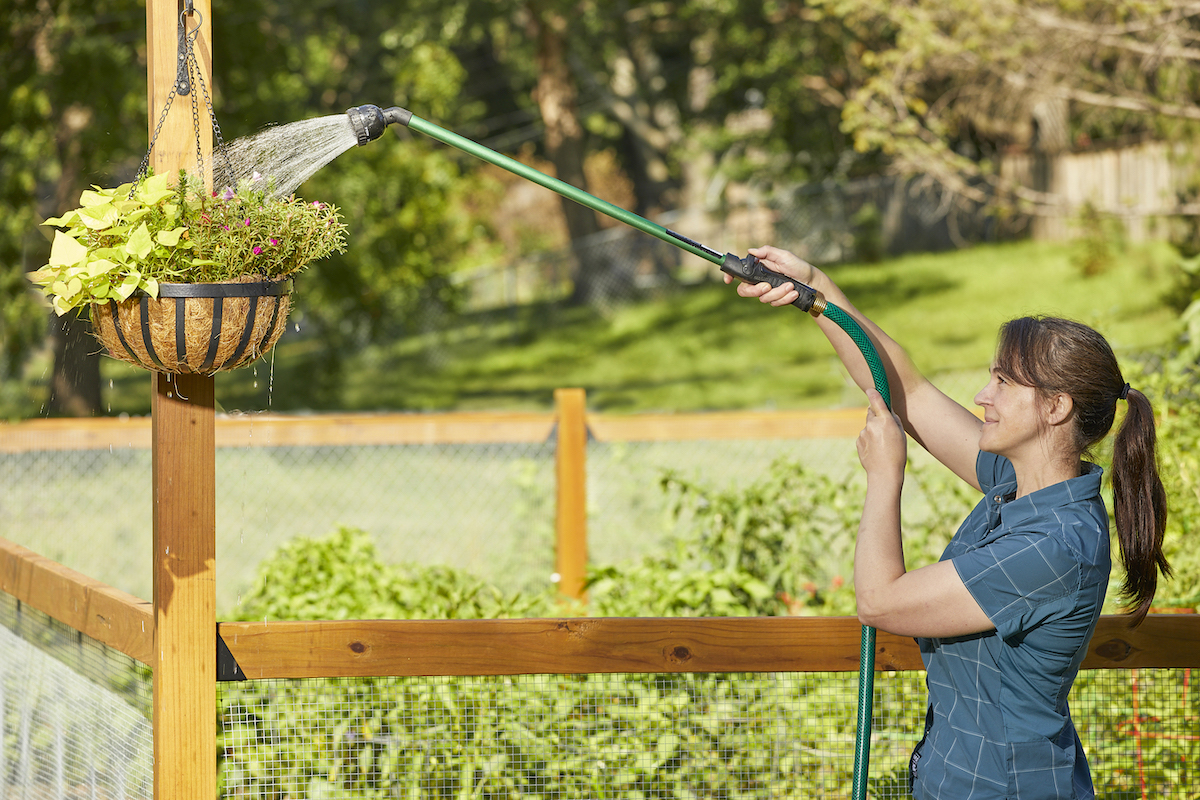
- Water Conservation: Transitioning away from inefficient broadcast sprinklers—which lose massive amounts of water to wind and evaporation—toward targeted methods like soaker hoses, watering wands, and drip systems conserves a precious natural resource.
- Rainwater Harvesting: Gardeners who adopt rainwater collection systems during dry spells can bypass treated tap water entirely, protecting sensitive plants from the chemical additives and sodium found in municipal water supplies or home water softeners.
By abandoning one-size-fits-all habits and adopting these targeted, science-backed watering practices, gardeners can ensure their indoor collections and outdoor landscapes flourish year-round.
