

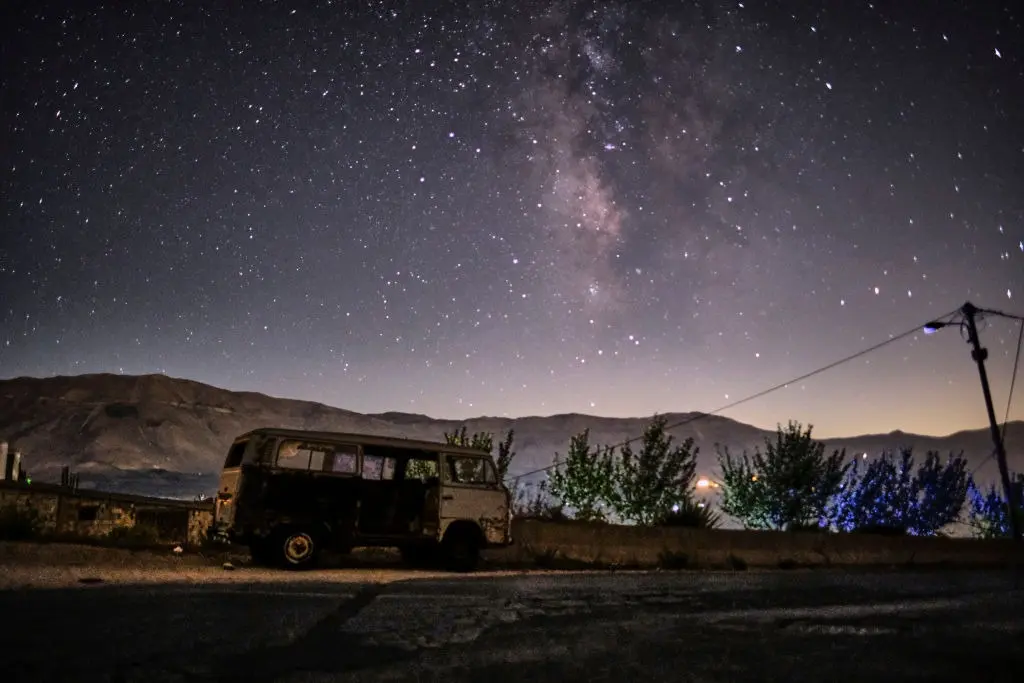
As crisp autumn breezes begin to sweep across the Northern Hemisphere and amber leaves paint the landscape, the universe is preparing an astronomical spectacle of its own. October offers an action-packed, remarkably diverse lineup of planetary alignments, rare lunar occultations, active meteor showers, and prime astrophotography conditions. For both seasoned astronomers equipped with high-powered telescopes and casual stargazers stepping outside with the naked eye, this month promises a front-row seat to the wonders of our solar system and beyond.
Main Facts: A Grand Planetary Parade and Rare Alignments
One of the most extraordinary highlights of October is the sheer visibility of our cosmic neighborhood. All eight planets of the solar system will be visible at some point during the month, offering a rare opportunity to track our planetary companions as they traverse the night sky.

While gas giants like Saturn and Jupiter dominate the evening hours with brilliant clarity, even elusive inner planets like Mercury and Venus make calculated appearances. Beyond individual planets, October features a series of close encounters, or "dance parties," in the cosmos—including a dramatic lunar occultation where the Moon entirely swallows Jupiter from view, alongside the majestic peak of the Hunter’s Moon.
Chronology of Celestial Events: What to Watch and When
For stargazers planning their autumn calendar, October is meticulously packed with headline-making events day by day:

October 3–4: Saturn Reaches Opposition
Kicking off the month’s major events, Saturn reaches "opposition" on October 4 at approximately 8:00 a.m. ET. Opposition occurs when Earth passes directly between a planet and the Sun, placing Saturn at its closest point to our home planet for the entire year.
The best times to view this ringed marvel are the evenings of October 3 and October 4. Rising from the eastern horizon just before sunset, Saturn will streak high into the southern sky, glowing brightly enough to be spotted with the naked eye. However, pulling out a telescope or high-powered binoculars during opposition reveals the planet’s iconic ring system in breathtaking detail.

October 5: The Moon and Mars Get Cozy
Following its close brush with Saturn, the Moon continues its celestial journey, drifting into a picturesque conjunction with Mars on the evening of October 5. In the days leading up to this date, the Red Planet can be seen positioned higher in the sky, slowly drifting closer to the lunar body until the two appear nearly stacked upon one another. Once October 5 passes, the Moon will rapidly accelerate away from Mars against the backdrop of the stars.
October 6: The Lunar Occultation of Jupiter
Just twenty-four hours after cozying up to Mars, the Moon engages in an even more dramatic encounter: a lunar occultation of Jupiter. During this rare event, the Moon will pass directly in front of the gas giant, entirely hiding it from view for a significant portion of the night.

According to historical data from The Old Farmer’s Almanac, lunar occultations of bright planets like Jupiter are exceptionally uncommon for specific regions. For instance, New York City experienced a Jupiter occultation in 2004, but the previous one visible to residents there occurred all the way back in 1889. While the exact timing of when Jupiter dips behind the lunar limb and pops back out varies wildly depending on geographic location, local stargazers are encouraged to consult regional timetables to catch this rare eclipse.
October 7: Draconids Meteor Shower Peak
Running from October 6 through October 10, the Draconids represent one of the shortest meteor showers of the autumn season. Peaking on the evening of October 7, this shower originates from the debris trail of comet 21P/Giacobini-Zinner, a member of the Jupiter family of comets.

Meteors from this shower appear to radiate from the Draco constellation, located high in the western sky of the Northern Hemisphere. While a typical year yields a relatively tame output of about 10 meteors per hour, the Draconids carry a storied history of astronomical surprises; in 1933 and 1946, outbursts produced thousands of shooting stars per hour, ranking among the most intense celestial storms of the 20th century. Fortunately, the Moon will remain below the horizon during the peak, ensuring dark skies free of lunar light pollution.
October 10: The Final Prime Window for Milky Way Photography
For astrophotographers and night-sky enthusiasts, October 10 marks the final high-quality window of the year to capture striking images of the Milky Way core. While summer months traditionally offer all-night viewing, September and October shift the galactic center to its highest point between 8:00 p.m. and 10:00 p.m. local time. This early evening positioning is a boon for early birds. After October, the Milky Way dips too low on the horizon for clear photography until it returns the following May.

October 21: The Orionids Meteor Shower Peak
The Orionids are widely considered the more prolific and famous of October’s dual meteor showers. Active from October 2 through November 7, the shower reaches its peak on the night of October 21. These meteors trace their origins to the legendary 1P/Halley comet—the very same periodic comet responsible for May’s Eta Aquariids.
Stargazers can generally expect 10 to 20 meteors per hour. Though the Moon will be roughly 76% full during the peak, creating some degree of light wash, Orionid meteors are famous for their blazing speed, persistent glowing trails, and occasional fireballs that can outshine the lunar glow. The radiant point in the Orion constellation clears the eastern horizon just after midnight.

October 26: Peak of the Hunter’s Moon
The full moon of October, traditionally known as the Hunter’s Moon, reaches its absolute peak on October 26 at 12:12 a.m. ET. Falling just days before Halloween, this luminous orb will appear over 90% full for a span of roughly five days, providing ample illumination for evening walks and atmospheric moon-gazing. While it narrowly misses classification as a supermoon, it serves as the final "normal" full moon before a closing trio of supermoons concludes the year.
October 27: The Moon Eclipses the Pleiades
Rounding out the month’s major spectacles, the Moon will cross paths with the Pleiades—one of the most famous and visually stunning open star clusters in the night sky, often called the "Seven Sisters." On October 27, the Moon will glide directly in front of the cluster, temporarily eclipsing its shimmering blue stars. Depending on whether observers are positioned on the East or West Coast of North America, they will witness either the middle or the concluding stages of this stellar occultation.

Supporting Data: Planetary Viewing Guide for October
Navigating the solar system requires knowing where and when to look. Here is the operational breakdown for tracking all eight planets throughout the month:
- Mercury: Difficult to spot due to solar glare, Mercury reaches maximum eastern elongation on October 12. This date, alongside a two-day buffer before and after, provides the optimal window to catch the swift inner planet low on the horizon just before sunset.
- Venus: Hugging the Sun for the majority of the month, Venus remains largely obscured until late October. It begins to break away just in time for a promising debut on October 31, setting the stage for magnificent morning and evening displays heading into November.
- Mars: Visible every night of October, the Red Planet rises from the eastern horizon around 2:00 a.m. and remains prominent until dawn breaks.
- Jupiter: Sharing a close spatial relationship with Mars throughout the month, Jupiter follows a similar nightly trajectory, though it generally rises about two hours later than its red neighbor.
- Saturn: Enjoying prime visibility, the ringed planet climbs into the sky almost precisely at sunset (ET) and lingers all night until sunrise.
- Neptune: Following a path closely paralleling Saturn, Neptune traverses the night sky from east to west, setting around sunrise. Because it shares a close visual neighborhood with Saturn, astronomers can use Saturn as a reliable signpost—though spotting Neptune requires binoculars or a telescope.
- Uranus: Rising approximately two hours after Saturn, Uranus follows a similar nocturnal trek across the sky, culminating high in the western heavens by the time morning arrives.
Official Responses and Scientific Context
Astronomical institutions and organizations, including NASA and The Old Farmer’s Almanac, emphasize that October 2026 offers a uniquely comprehensive layout for public engagement in observational science.

According to planetary scientists, the clustering of planetary visibility is a natural consequence of orbital mechanics, but occurrences like simultaneous lunar occultations of bright planets and star clusters provide rare educational milestones. Outreach coordinators note that events like the Draconids and Orionids serve as critical gateways for amateur scientists, encouraging public participation in citizen-science meteor tracking initiatives coordinated by organizations like the American Meteor Society (AMS).
Implications: Fostering Public Engagement and Dark-Sky Awareness
Beyond pure visual enjoyment, the rich astronomical calendar of October highlights broader cultural and environmental implications. Events such as the final autumn window for Milky Way photography and the widespread visibility of multiple planets bring renewed attention to the global issue of light pollution.

Conservation groups and dark-sky advocates frequently leverage these high-profile natural phenomena to campaign for responsible outdoor lighting ordinances. By demonstrating how excessive artificial light washes out the Milky Way, dims meteor showers, and obscures faint objects like Neptune and the Pleiades, these monthly celestial events remind humanity of its place within the broader cosmos—turning millions of casual lookers into active stewards of the night sky.
