

LONDON / NEW YORK — While every preloved piece of furniture carries a silent narrative of eras past, a distinct design obsession is currently sweeping through top-tier interior architecture firms worldwide. Today, elite designers aren’t just shopping for vintage; they are actively hunting for British antiques.
From the stately architectural presence of Regency furniture that improves gracefully with age to English silver bearing centuries-old hallmarks, British historical pieces possess an unmatched level of collectibility, charm, and soulful gravity. According to leading names in the interior design space, these historic imports have transcended mere decorative objects to become foundational elements of modern, lived-in luxury.
We spoke with top industry creatives to uncover the five definitive British antique staples that they insist on sourcing for every project, regardless of the overarching aesthetic.
2. Main Facts: The Anatomy of the Trend
The modern appetite for British antiques is driven by a desire for layered, narrative-rich spaces that reject the sterile uniformity of fast-furniture manufacturing. Rather than aiming for pristine, museum-quality perfection, today’s top designers look for character, patina, and evidence of a piece’s previous life.
The top five British antique categories currently dominating luxury design portfolios are:
- Regency Hall Chairs: Highly sculptural, hand-carved mahogany seating originally built for grand English entryways.
- English Silver: Historic tableware and decorative items carrying authentic British hallmarks.
- Slipware and Stoneware: Unmatched antique ceramics, Staffordshire pottery, and old transferware boasting irregular, organic forms.
- Georgian and Regency Dressers: Dense, dark-wood cabinetry and secretary desks featuring magnificent veneers and expert craftsmanship.
- Ornate Victorian Lighting: Translucent milk glass lamps, intricate ironwork lanterns, and dramatic candelabras that introduce whimsical asymmetry to a room.
3. Chronology and Evolution: From Grand Estates to Modern Homes
To understand the current fascination with British antiques, one must look at how these objects transitioned from functional utility to high-status design commodities.
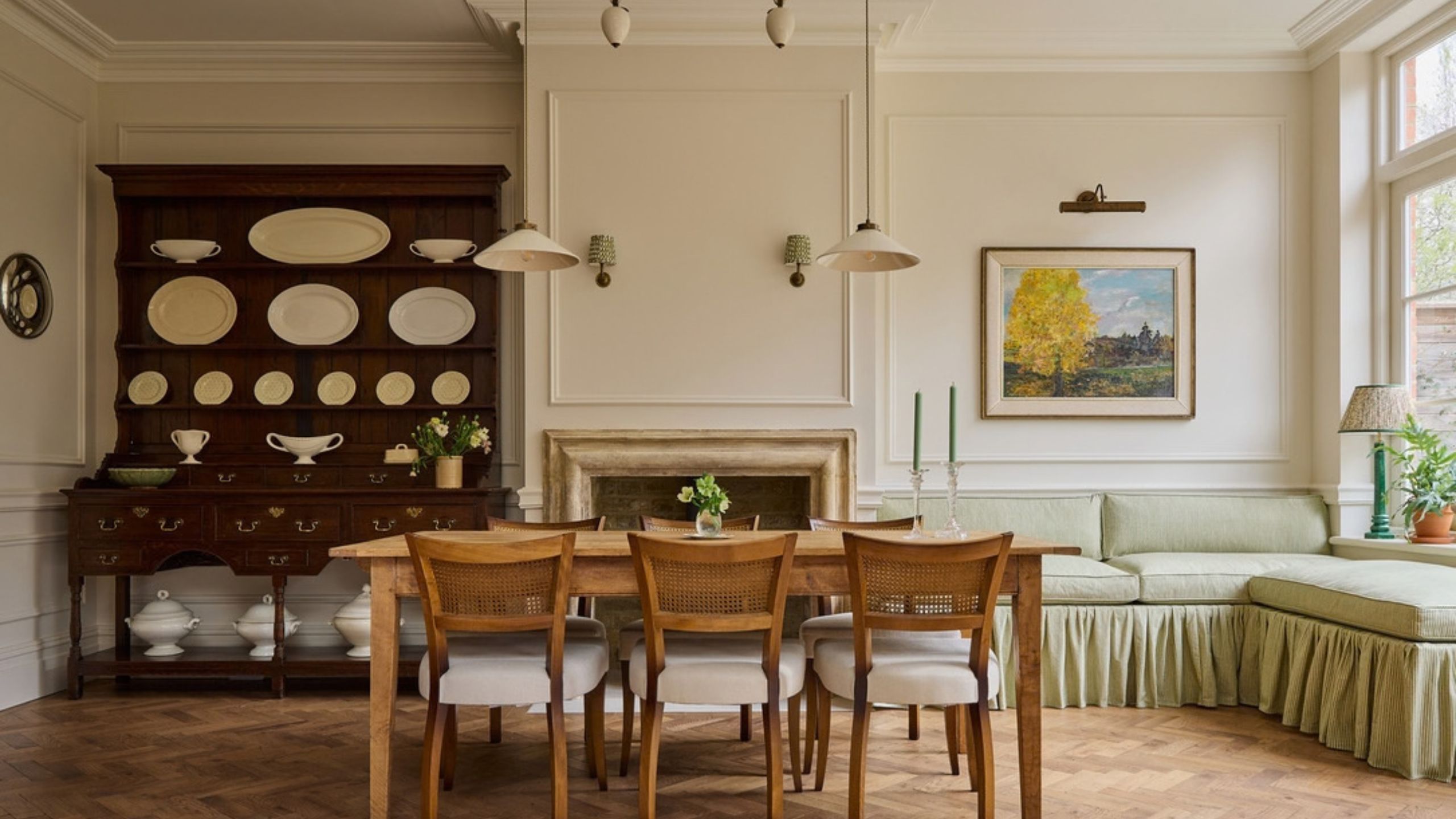
- The 18th and 19th Centuries (The Manufacturing Golden Age): Master craftsmen—such as the famed Gillows of Lancaster—pioneered structural, heavy-duty furniture like Regency hall chairs and grand Georgian dressers for the country houses of the British elite. Concurrently, England’s robust guilds standardized the silver-hallmarking system, leaving a permanent historical trail of provenance.
- The Mid-to-Late 20th Century: British antiques were frequently viewed through a rigid, formal lens, often restricted to traditional stately home aesthetics or formal dining rooms.
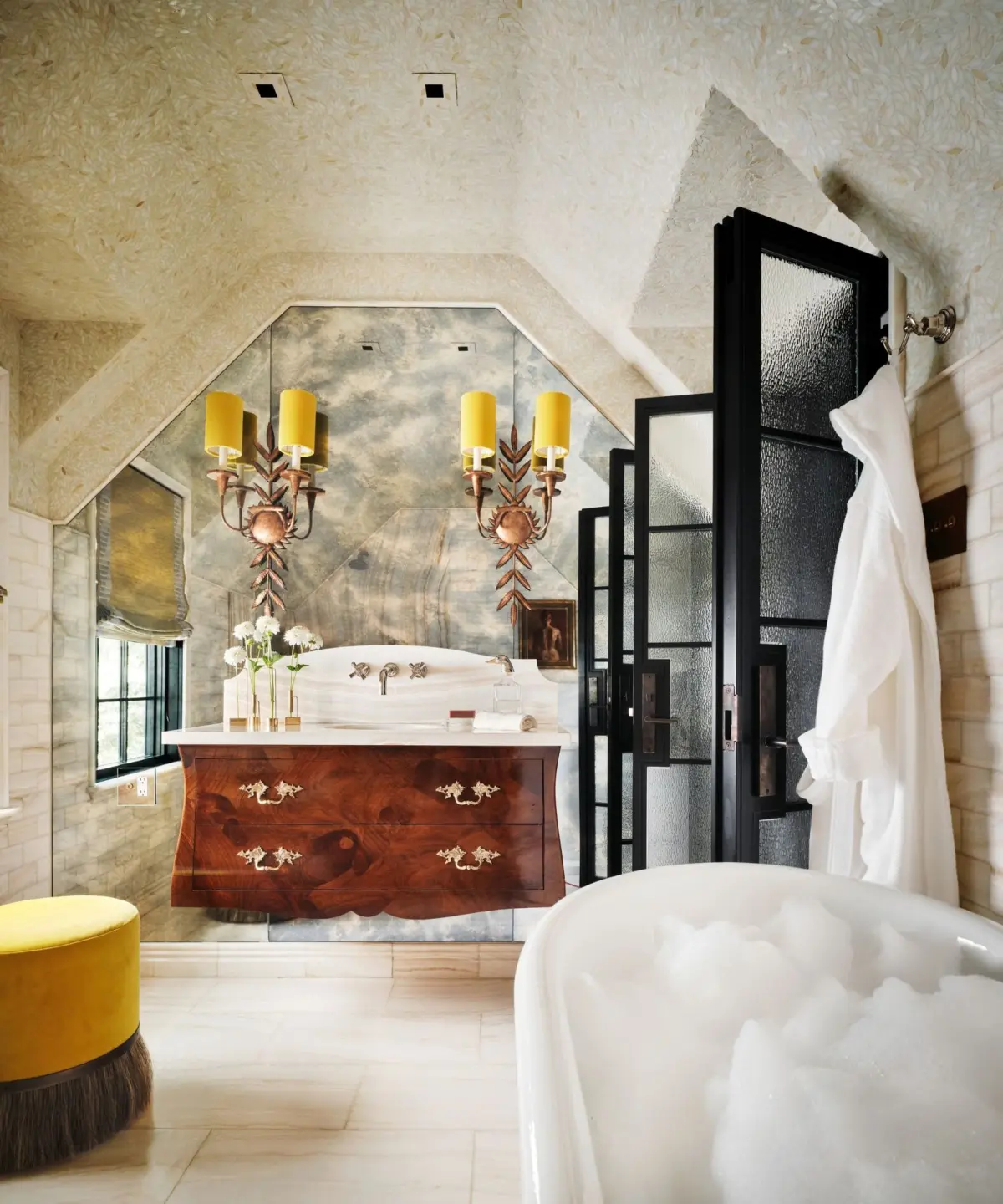
- The Contemporary Shift (Present Day): Designers have completely flipped the script. Instead of treating these historic artifacts as untouchable museum pieces, modern creatives are repurposing 18th-century secretary desks into chic home bars and utilizing hall chairs as luxury bathroom side tables, blending historic heft with contemporary utility.
4. Supporting Data: Why Designers are Scouring the UK Markets
The resurgence of British antiquing is backed by professional insights from some of the industry’s most sought-after practitioners, who leverage these historic pieces to anchor contemporary floor plans.
1. Regency Hall Chairs
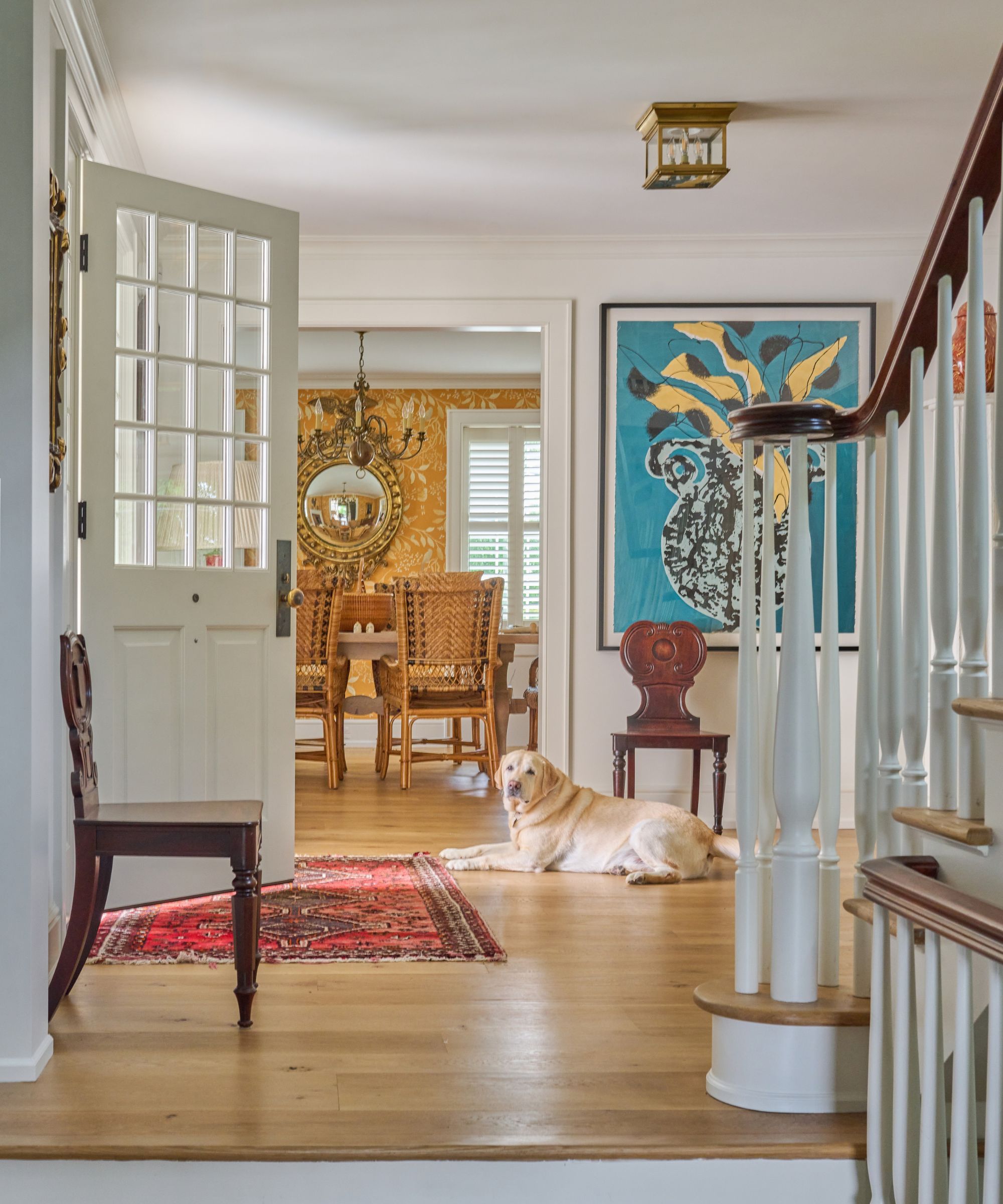
Once utilized strictly in cavernous country-house corridors, English Regency hall chairs are now prized for their striking, architectural silhouettes.
"I am always on the lookout for antique English Regency hall chairs," notes interior designer Ali Mahon of The Barns by Ali Mahon. "Whether I find singles, pairs, or sets of these 18th-century pieces, I scoop them up. I love how sculptural they are, and I adore how the rich brown mahogany mixes beautifully with my early American painted furniture."
Mahon demonstrates their versatility outside the foyer: "I obviously use them in hallways, but I have a fabulous pair flanking my primary bathroom tub. They hold salts, soaps, and towels. The plank seat and hand-carved backrests can be much more interesting than a side table."
2. English Silver
For collectors, English silver offers a tangible connection to history that mass-produced metals simply cannot replicate.
"English silver is probably at the top of my list," says Vanessa Chaverri-Gratz, founder of The Gratz Life. "I started collecting silver more intentionally over the last few years, and some of my favorite pieces are those with English hallmarks. There is something so special about turning a piece over and finding those little clues to where it came from."
Chaverri-Gratz points out that sentimental ties often fuel these collections: "My family has English roots, as my mother’s family is from England, so I grew up with that connection. I’m much more interested in something that carries evidence of its past than something that feels pristine or precious."
3. Slipware, Stoneware, and Ceramics
Moving away from manufactured symmetry, designers are leaning heavily into the organic imperfections of historic English ceramics.
"I’m always drawn to English antique ceramics and vases, particularly pieces with beautiful shapes, color, and a little bit of age and patina," shares interior designer Laura Stephens. "I love finding individual pieces rather than looking for a perfectly matched set, and I’m particularly drawn to collections where the pieces have slightly different forms and finishes."
Stephens specifically hunts for Staffordshire pottery, English stoneware, transferware, lusterware, and old slipware, scattering them alongside antique glass, candlesticks, and vintage lamps to ensure a room feels like it has evolved organically over decades.
4. Georgian and Regency Dressers
Investing in heavy mahogany chests and Rococo-inspired cabinetry remains a favorite strategy for top-tier designers seeking storage solutions with immense aesthetic weight.
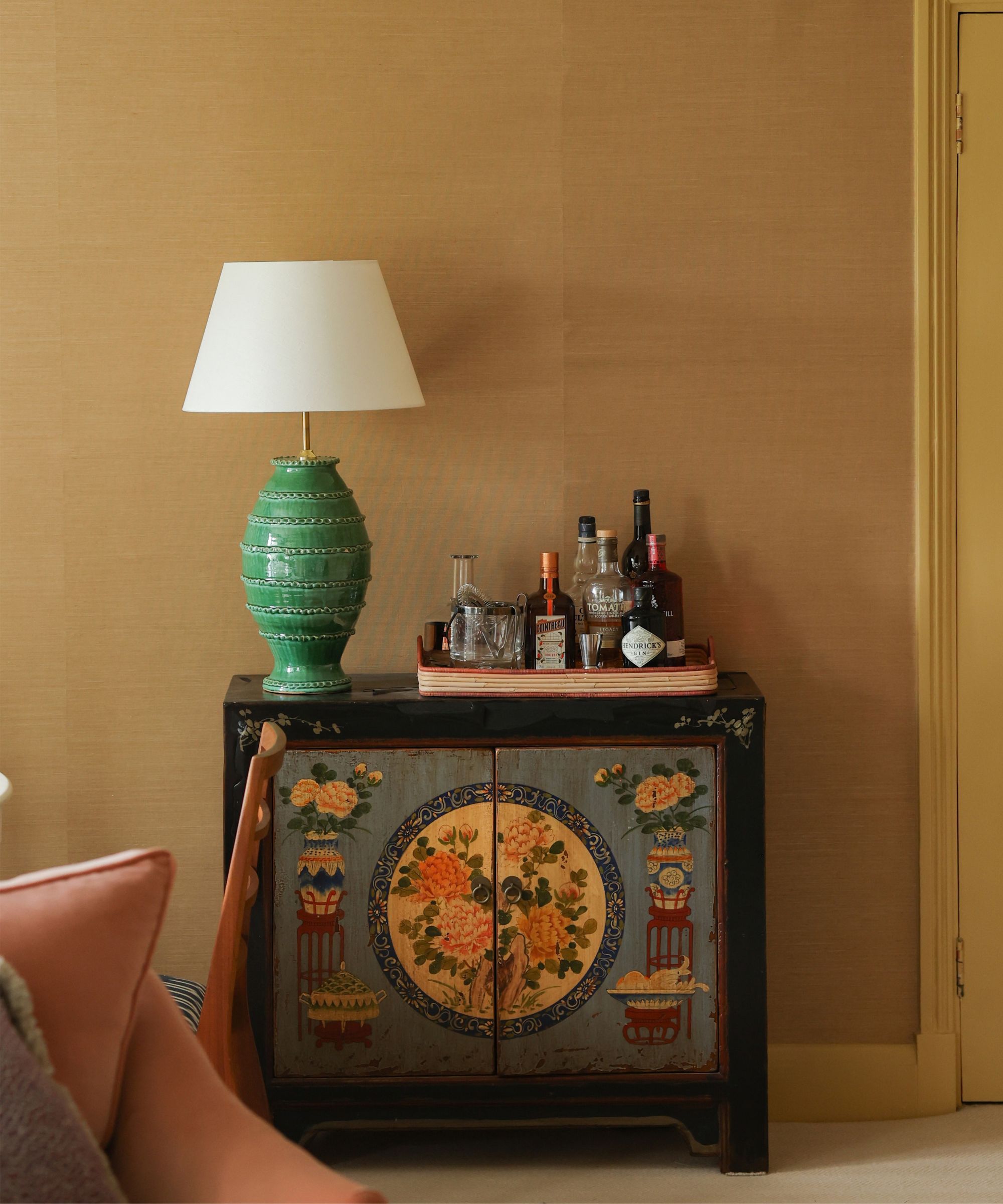
"I’m particularly drawn to English Georgian and Regency antiques," says interior designer Liz Caan. "I find that pieces from these periods blend incredibly well with furniture from other eras—the lines are interesting and distinctive, but they don’t necessarily demand that the entire room follow suit. Personally, I store all my barware in an 18th-century George III secretary at my home."
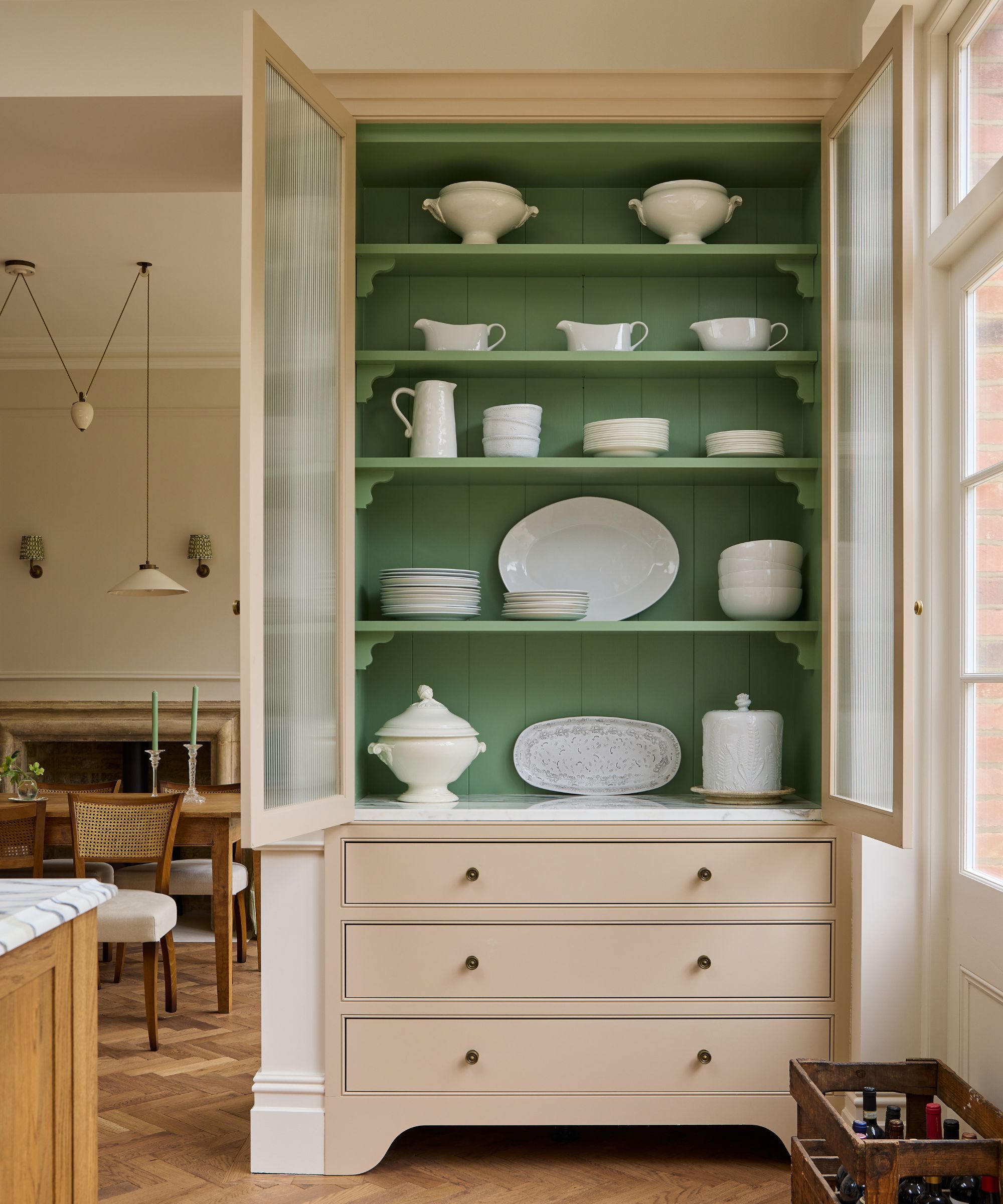
Sophie Pringle, founder of Pringle & Pringle, echoes this sentiment regarding adaptive reuse: "Antique chests, cabinets, and dressers can make wonderful drink stations or bars, and I love the idea of taking a beautiful old piece and adapting it rather than always starting from scratch."
5. Ornate Victorian Lighting
Lighting is frequently treated as the jewelry of a room, and Victorian fixtures provide an eccentric, human touch that modern manufacturing struggles to mimic.
"Vintage English lighting is another weakness of mine," says Tanner Sammons, founder of Morgan Madison Design. "An old lamp or fixture can completely change the feeling of a room. Lighting is one of those places where I think a bit of English whimsy is especially wonderful. It doesn’t always need to be serious or perfectly symmetrical. Sometimes the slightly odd, charming piece is exactly what makes the room."
5. Official Responses and Industry Insights
The collective enthusiasm for British imports points to a broader psychological shift within interior architecture. Rather than striving for catalog perfection, today’s homeowners crave spaces that tell a story.
Designers emphasize that the ultimate appeal of British antiques lies in their democratic ability to bridge disparate eras, materials, and styles.
"Ultimately, I think what I love most about English design is that it gives you permission to mix," reflects Tanner Sammons. "Something refined can sit next to something rustic; an important antique can live beside a contemporary piece; a beautiful painted finish can be a little imperfect."
6. Broader Implications for the Global Design Market
The sustained demand for British antiques carries significant economic and cultural ripple effects:
- Sustainability in Luxury Design: The "circular economy" of interior design is thriving. By sourcing 18th- and 19th-century furniture, designers are actively reducing the carbon footprint associated with manufacturing and shipping new, disposable flat-pack goods.
- Revival of Artisanal Appreciation: The high valuation of hand-carved mahogany, hand-painted ceramics, and hallmarked silver signals a consumer rebellion against mass production. Buyers are increasingly willing to pay a premium for human touch and authentic craftsmanship.
- Cross-Cultural Design Fusion: The trend demonstrates how traditional British elements—historically associated with formal, stuffy estates—can be completely recontextualized. Whether placed in a sleek Manhattan loft or a rustic American farmhouse, these pieces prove that great design transcends its original geographic and temporal borders.
As long as homeowners seek spaces defined by soul, narrative, and individual personality, the timeless appeal of British antiques will remain secure at the very pinnacle of interior design.
