

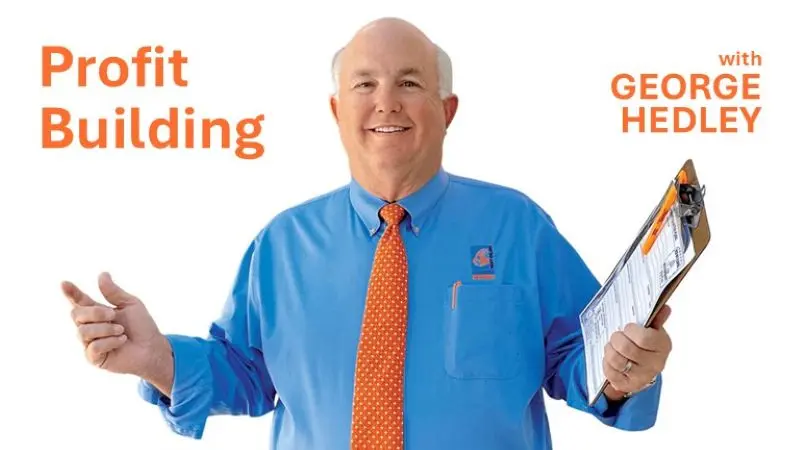
By George Hedley
Published August 24, 2026
Remember the butterflies of early romance? To truly understand and connect with a romantic partner in the early stages, you invest substantial time in conversation, shared experiences, and attentive gestures. Afterward, you follow up with phone calls, small gifts, and consistent check-ins to show you care.
In the high-stakes world of modern construction, building a thriving, resilient enterprise is surprisingly similar. Cultivating rock-solid customer relationships requires unwavering commitment, dedicated time, and constant, meaningful contact. The absolute best business relationships are forged over time through what can only be described as "relationship-building sessions"—intentional, dedicated periods spent sharing a meal, attending a sporting event, or simply enjoying an experience together away from the job site.
In essence, contractors must "date" their customers to build enduring loyalty.
Main Facts: The Psychology of Client Loyalty in Construction
At its core, commercial and residential construction is fundamentally a people business. Customers do not simply hire logos, equipment fleets, or spreadsheets; they hire people they know well, like, and trust.
- The Trust Equation: Contractors earn foundational trust first by executing quality work on time and on budget, and second by taking the deliberate time to understand their clients on a personal level.
- The Danger of Indifference: According to industry studies and client exit interviews, the number one reason customers switch contractors is not pricing—it is an attitude of indifference. Clients leave because they believe the contractor simply does not care about them anymore.
- The Profit Catalyst: Once construction leaders realize they are fundamentally in the relationship-building business rather than just the building-construction business, their companies experience exponential growth, higher profit margins, and a steady stream of repeat business.
Chronology: The Evolution of a Client Relationship
Building a lifelong client does not happen overnight. It follows a predictable timeline that requires proactive stewardship from the contractor’s executive team.
Phase 1: The Initial Spark (Acquisition)
The journey begins with targeted outreach and winning the initial bid. However, savvy contractors treat the signing of a contract not as the finish line, but as the first date. This is the period when expectations are set, communication channels are opened, and first impressions are cemented through exceptional field performance.
Phase 2: The Courtship (Active Engagement)
During and immediately following project delivery, the contractor initiates regular "dating" sessions. Rather than disappearing until the next bidding cycle, the contractor schedules face-to-face check-ins, shares valuable industry insights, and maintains low-pressure, high-value contact every 60 to 90 days.
Phase 3: Long-Term Commitment (Loyalty and Advocacy)
Over time, repeated positive interactions convert a one-off buyer into a repeat client, and eventually into a loyal brand advocate. At this stage, the client no longer bothers shopping bids around; they call their trusted contractor first, knowing that their business priorities and personal preferences are fully understood.
Supporting Data: The 6-Step Blueprint for Developing Loyal Customers
To operationalize the "dating" philosophy, contractors must implement a structured, repeatable framework. Industry expert George Hedley outlines six critical steps to transform random clients into lifelong advocates.
1. Make Customers Your Priority
Commit to spending at least 33% of your executive or business development time face-to-face with clients and prospects. This includes structured lunches, dinners, industry conventions, or casual outings to sporting events.
- The Rule of Thumb: Aim to schedule at least two dedicated customer sessions every week, supplemented by a major outing (such as a round of golf or a baseball game) with current or prospective clients at least once a month.
2. Bring Value to Every Interaction
Never schedule a meeting empty-handed. Before sitting down with a client, prepare a valuable business tip, cost-saving strategy, or operational idea that can directly improve their bottom line. People naturally want to help those who help them.
- Quarterly Touchpoints: At least four times a year, mail or hand-deliver resources that add value to their enterprise—such as relevant supplier updates, industry magazine subscriptions, striking job site progression photos, updated building code summaries, or trade association research. Always include a handwritten note reading: "I thought this could help your business."
3. Implement Systematic Customer Ranking
Not all clients require the same level of attention. Review your client database from the past three years and categorize them into distinct segments:
- Loyal clients
- Repeat clients
- Old clients
- Target prospects
- Referring parties
Next, rank them based on two criteria: how easy they are to do business with, and their long-term potential to become loyal accounts. Organize this list from highest to lowest rank, and direct your relationship-building efforts toward the top-tier clients and high-potential targets.
4. Guard Quality Time with Top-Tier Clients
Trust is an accumulation of micro-interactions over time. Once your customer base is ranked, establish strict accountability measures. Track every customer meeting in your CRM and commit to seeing your top-tier clients face-to-face at least every two to three months. Your ultimate objective is moving new targets into repeat buyers, and repeat buyers into fiercely loyal advocates.
5. Be in the Right Place at the Right Time
Visibility breeds opportunity. In many contracting businesses, subcontractors and suppliers who physically spend time in the general contractor’s office land the lion’s share of the work. This is rarely a coincidence. By prioritizing presence and relationship proximity, you position your firm to land profitable projects simply by being top-of-mind when an urgent need arises.
6. Show Genuine Care Through Personal Tracking
Customers need to know you care about their business challenges, their professional goals, and their lives outside of work. Maintain detailed notes on each client—track their family milestones, children’s schools, hobbies, upcoming vacations, and major life events. Review these notes before every meeting and ask thoughtful questions about their personal life. Genuine empathy creates an emotional moat around your business that competitors cannot easily cross.
Official Perspectives: Expert Insights on Construction Business Growth
Industry coaches and construction executives increasingly emphasize that technical competence alone is no longer enough to guarantee survival in competitive markets. With fluctuating material costs, labor shortages, and tightening margins, client retention has become the ultimate financial stabilizer.
"If you stop dating your customers, a competitor will gladly take them out to dinner," warns George Hedley, a certified construction business coach, speaker, and best-selling author. "Building a loyal customer base is no different from building any other lasting relationship. It demands time, consistency, trust, and a genuine, unselfish interest in the other person. Keep dating them, and they will keep choosing you long after the competition has stopped calling."
Business analysts point out that acquiring a new construction client can cost up to five times more than retaining an existing one. Therefore, investments in client entertainment, relationship management software, and executive face-time yield significantly higher returns than traditional cold-outreach marketing campaigns.
Implications for the Modern Contractor
The implications of adopting a relationship-first business model extend far beyond short-term sales metrics. Contractors who successfully pivot toward "client dating" experience several transformative benefits:
- Insulation From Price Wars: Loyal clients who trust their contractor are vastly less likely to nickel-and-dime every change order or ruthlessly drive down bids during hard economic cycles. They value the certainty of performance over the risk of a cheaper, unproven alternative.
- Predictable Pipeline Revenue: Repeat and loyal customers form a predictable baseline of work, allowing construction firms to better forecast cash flow, retain top-tier field crews, and negotiate favorable volume pricing with material suppliers.
- Organic Word-of-Mouth Growth: Satisfied, emotionally connected clients become active referral sources, reducing reliance on costly public advertising and public-bid plan rooms where margins are perpetually compressed.
Ultimately, the construction companies that thrive tomorrow are those recognizing a timeless truth today: buildings are made of steel, concrete, and wood, but successful businesses are built exclusively on human connection.
