

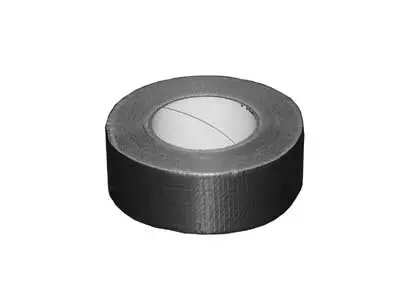
Main Facts: The Ubiquitous Roll and Its Hidden Dangers
As Roofmaster celebrates its 70th anniversary as a major supplier and authority in the commercial roofing industry, the milestone offers an opportunity to reflect on how field practices have evolved. Over seven decades, roofing contractors have earned a reputation for resourcefulness, frequently inventing field-expedient solutions to keep projects moving under tight deadlines and unpredictable weather. However, one of the most common symbols of job site ingenuity—the ubiquitous roll of duct tape—has increasingly transitioned from a convenient temporary binder to one of the safety inspector’s greatest liabilities.
While duct tape is highly effective for non-critical, low-risk applications, such as patching a torn knee-pad strap or temporarily securing a ripped work glove, its widespread misapplication on hazardous tools and equipment creates a dangerous illusion of safety. In the fast-paced environment of a commercial roofing site, workers frequently use duct tape to patch leaking liquid petroleum (LP) propane hoses or to wrap damaged, frayed, or cut extension cords.
[Minor Equipment Damage] ---> [Duct Tape Applied] ---> [Visual Hazard Hidden] ---> [False Sense of Security] ---> [Catastrophic Failure/Accident]These quick fixes mask critical underlying structural failures. Propane gas leaks, which should be immediately detected by smell or sound, can be partially contained or redirected by tape, allowing gas to accumulate silently until it reaches an ignition source.
Even more hazardous is the practice of wrapping damaged electrical insulation on extension cords. Unlike gas, electrical currents cannot be smelled or seen. When duct tape is wrapped around a cut cord, it conceals exposed copper wires without providing the necessary dielectric strength to prevent electrical arcing, shock, or electrocution. Furthermore, these compromised cords cause voltage drops and current fluctuations that can permanently damage sensitive electronic roofing equipment, such as hot-air membrane welders.
Chronology: From Post-War Ingenuity to Modern Safety Standards
To understand how duct tape became a default tool for field repairs, it is necessary to examine the historical trajectory of commercial roofing safety, material technology, and regulatory oversight over the past seventy years.
1954: Post-war boom; informal field repairs dominate.
  │
1970: OSHA established; introduction of standardized job site safety.
  │
1980s-1990s: Shift to single-ply membranes (TPO/EPDM) and high-tech electronic tools.
  │
Present Day: Strict regulatory enforcement; zero-tolerance for makeshift field repairs.
1954–1970: The Era of Informal Field Repairs
When Roofmaster was founded in 1954, the roofing industry relied heavily on built-up roofing (BUR) systems, hot asphalt kettles, and highly manual application methods. Job site safety was largely self-regulated, and safety equipment was minimal. During this post-war construction boom, field-expedient repairs were considered a mark of craftsmanship and efficiency. If a tool broke or a hose wore thin, the crew fixed it with whatever materials were on hand to avoid costly downtime. Duct tape, originally developed for the military during World War II to seal ammunition boxes, became commercially available and quickly grew into a staple of the contractor’s toolbox.
1970–1990: The Advent of OSHA and Technological Shifts
The establishment of the Occupational Safety and Health Administration (OSHA) in 1970 marked a major shift in job site accountability. For the first time, federal standards dictated the handling of electrical equipment, pressurized gases, and fall protection.
Concurrently, the roofing industry began transitioning away from traditional hot asphalt toward single-ply membranes (such as EPDM and TPO) and modified bitumen. This technological shift introduced new equipment to the roof, including pressurized LP gas torches and specialized electrical tools. Despite the increased complexity and potential hazards of these tools, the legacy habit of using duct tape for quick fixes persisted among field crews.
2000–Present: The Precision Era and Zero-Tolerance Safety
In the 21st century, commercial roofing has become highly technical. The widespread adoption of automatic hot-air welding systems, digital temperature controls, and sophisticated power distribution setups has made modern equipment far more sensitive to power fluctuations.
At the same time, regulatory bodies have adopted a zero-tolerance policy for unapproved field modifications on electrical and pressurized systems. What was once viewed as clever problem-solving in the mid-20th century is now recognized as a severe safety violation and a primary cause of preventable job site accidents.
Supporting Data: The Physics of Failure and Electrical Hazards
The dangers associated with using duct tape on electrical cords and pressurized hoses are rooted in chemistry and physics. Understanding these properties highlights why makeshift repairs fail under field conditions.
The Limits of Duct Tape Insulation
Duct tape is constructed with a three-layer architecture: a polyethylene top coat, a fabric mesh scrim, and a rubber-based adhesive. None of these components are rated for electrical insulation or high-pressure containment.
| Material Property | Electrical Grade Tape (Vinyl) | Standard Utility Duct Tape |
|---|---|---|
| Dielectric Strength | 600V to 10,000V+ (Rated) | Non-rated (Typically < 100V) |
| Adhesive Base | Acrylic or Synthetic Rubber | Natural/Synthetic Rubber |
| Moisture Resistance | High (Hydrophobic) | Low (Water degrades adhesive over time) |
| Flame Retardancy | Self-extinguishing | Highly flammable (Polyethylene/rubber) |
Standard utility duct tape lacks a certified dielectric rating. It cannot reliably contain electrical currents, particularly when exposed to moisture, which is common on roofing jobs. If the outer jacket of an extension cord is cut and wrapped in duct tape, any moisture that penetrates the tape can conduct electricity directly to a worker’s hand or a wet roof deck.
Electrical Accidents in Construction
According to data from the Bureau of Labor Statistics (BLS) and OSHA’s Integrated Management Information System (IMIS), electrocution remains one of the "Fatal Four" leading causes of death in the construction industry, accounting for approximately 7% to 9% of all construction fatalities annually.
A significant portion of these incidents involve contact with damaged or improperly repaired extension cords and temporary power setups. When an extension cord is damaged, its grounding path can be interrupted. If the hot wire contacts a compromised jacket under a layer of duct tape, the entire exterior of the cord can become energized, waiting to ground through the next worker who touches it.
Impact on Sensitive Electronic Equipment
Modern single-ply roofing installations rely on hot-air welders, such as Leister automatic and hand-held welders, to fuse TPO and PVC seams. These machines require a stable, uncorrupted supply of electricity to maintain precise temperatures, often exceeding 1,000°F (538°C).
Damaged Cord Jacket
  └── Exposed copper strands break down over time
        └── Increased electrical resistance in the cord
              └── Voltage drops at the tool terminal
                    └── Heating elements run hotter to compensate OR control boards fail
                          └── Permanent damage to sensitive electronic components
When an extension cord has damaged copper strands beneath a taped jacket, the effective gauge of the wire is reduced. This restriction increases electrical resistance, leading to a drop in voltage at the tool’s terminal. Sensitive electronic control boards and heating elements in modern welders are highly vulnerable to these voltage drops. Operating under low-voltage conditions causes the control boards to overheat and fail prematurely, resulting in expensive repair bills and costly project delays.
Official Responses: OSHA Regulations and Industry Standards
Regulatory agencies and equipment manufacturers maintain strict, unambiguous policies regarding the repair and inspection of job site equipment.
OSHA Title 29 CFR Regulations
OSHA has established several legally binding standards that directly address the use of damaged cords and makeshift repairs:
- 29 CFR 1926.403(b)(1) – Suitability: This standard requires that all electrical equipment be free from recognized hazards that are likely to cause death or serious physical harm. A cord repaired with duct tape is an explicit violation, as it has not been evaluated or listed by a Nationally Recognized Testing Laboratory (NRTL) in that altered condition.
- 29 CFR 1926.404(b)(1)(iii) – Assured Equipment Grounding Conductor Program (AEGCP): Employers must implement either an AEGCP or install Ground Fault Circuit Interrupters (GFCIs) on all construction sites. Under an AEGCP, each cord set and cord-and-plug-connected equipment must be visually inspected before each day’s use for external defects, such as deformed or missing pins, frayed jackets, or outer coverings repaired with tape. Any damaged cord must be immediately removed from service.
- 29 CFR 1926.405(g)(2)(iv) – Strain Relief: Extension cords must be connected to devices and fittings so that tension will not be transmitted to joints or terminal screws. Duct tape does not provide structural strain relief; under tension, a taped repair will pull apart, exposing live conductors.
Manufacturer Warnings and Professional Repair Protocols
Equipment manufacturers explicitly state in their operation manuals that any modification or unauthorized repair voids the equipment’s warranty and safety certifications. For example, LP gas hose manufacturers specify that hoses must never be spliced, taped, or patched. Because propane is stored under pressure, any compromise to the integrity of the hose wall requires immediate replacement of the entire hose assembly with an approved, factory-crimped alternative.
Implications: Liability, Culture, and Best Practices
The practice of "duct-tape engineering" carries significant legal, financial, and cultural consequences for roofing contractors.
Financial and Legal Liability
The immediate savings realized by taping a damaged cord or hose rather than replacing it are dwarfed by the potential financial liabilities of a failure:
- OSHA Citations: A single serious violation for a damaged or taped extension cord can carry a penalty of up to $16,131 (as of the 2024 adjusted limits). If the violation is deemed "willful" or "repeated," the fine can escalate to $161,310 per occurrence.
- Worker Compensation and Civil Litigation: If a worker is injured or electrocuted due to a taped cord, the contractor faces severe civil lawsuits, astronomical increases in worker compensation insurance premiums, and potential criminal negligence charges.
- Property Damage: A leaking propane hose patched with duct tape can lead to catastrophic fires or explosions on the roof, destroying the building under construction and resulting in millions of dollars in property damage claims.
Proper Alternatives and Field Best Practices
To eliminate the risks associated with makeshift repairs, contractors must establish clear safety protocols and provide crews with the proper tools and materials:
[Inspect Equipment] ───> Is Damage Found?
                             │
              ┌──────────────┴──────────────┐
              ▼ Yes                         ▼ No
     [Tag Out of Service]           [Safe to Operate]
              │
     ┌────────┴────────┐
     ▼                 ▼
[Professional Repair] [Complete Replacement]- Implement a Strict "Tag-Out" Program: Any cord, hose, or tool that fails visual inspection must be immediately tagged "Do Not Use" and removed from the active work area.
- Utilize Professional Repair Services: Rather than attempting field repairs on critical equipment, contractors should utilize certified repair centers. Facilities like Roofmaster maintain dedicated repair experts who can inspect, repair, and recertify electrical tools, hot-air welders, and LP gas equipment to original manufacturer specifications.
- Deploy Purpose-Built Temporary Solutions: When temporary sealing is required for the building envelope itself—such as patching a minor roof leak during a rain event—contractors must avoid duct tape, which quickly degrades under UV radiation and moisture. Instead, they should use professional-grade, long-term temporary sealants and flashing bands, such as U-Seal Band and other specialized products available through local roofing distributors. These products are specifically engineered to withstand environmental exposure and provide reliable, waterproof seals without damaging the underlying substrate.
By fostering a safety culture that prioritizes proper equipment maintenance over short-term convenience, commercial roofing contractors can protect their workers, safeguard their expensive electronic tools, and avoid devastating regulatory and civil liabilities. Seven decades of industry experience demonstrate that in the long run, the right repair is always less expensive than a quick fix.
