

By Global Infrastructure & Workforce Correspondent
Published: September 2026
Main Facts: The Talent Crisis Behind the AI Infrastructure Boom
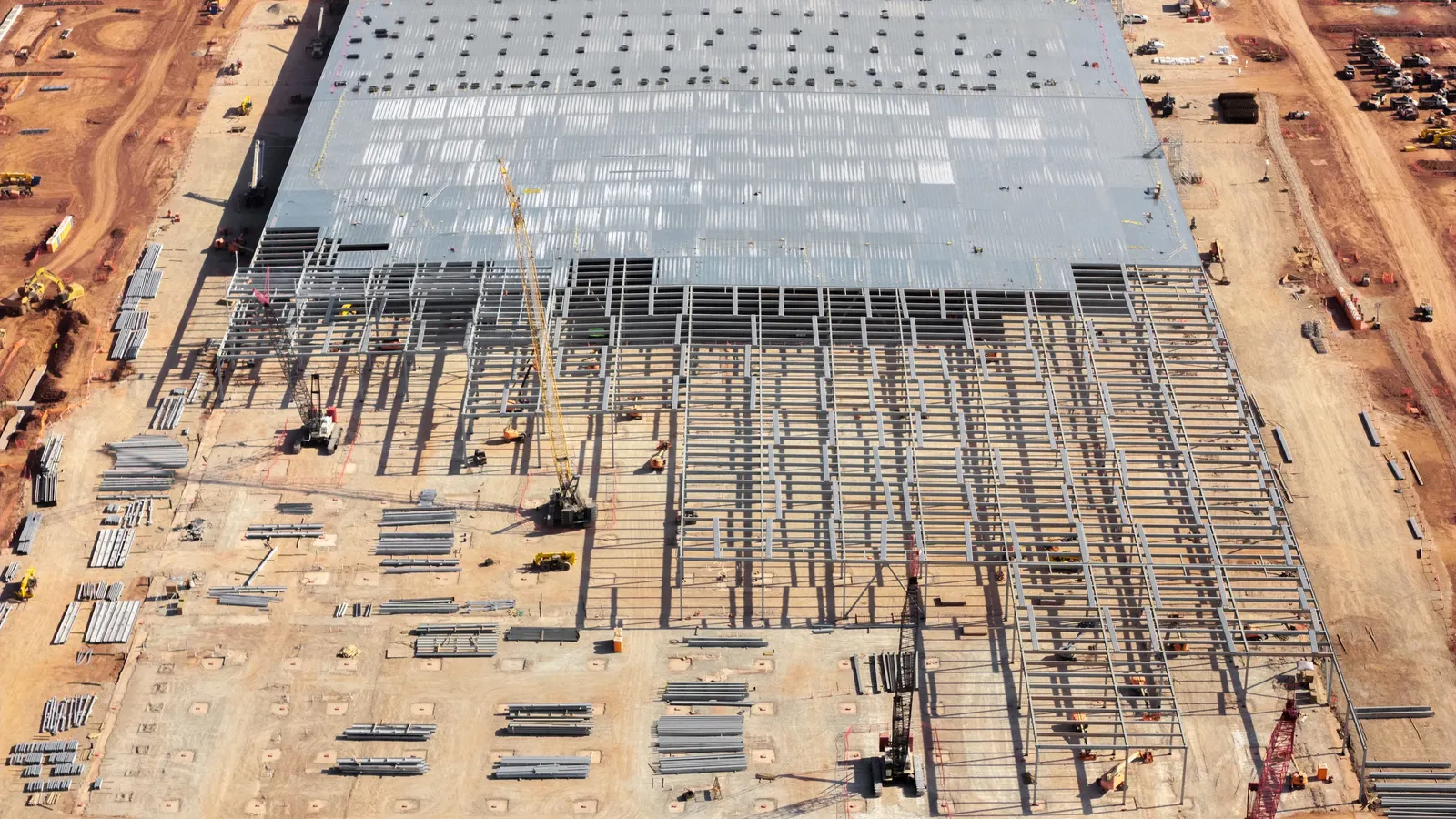
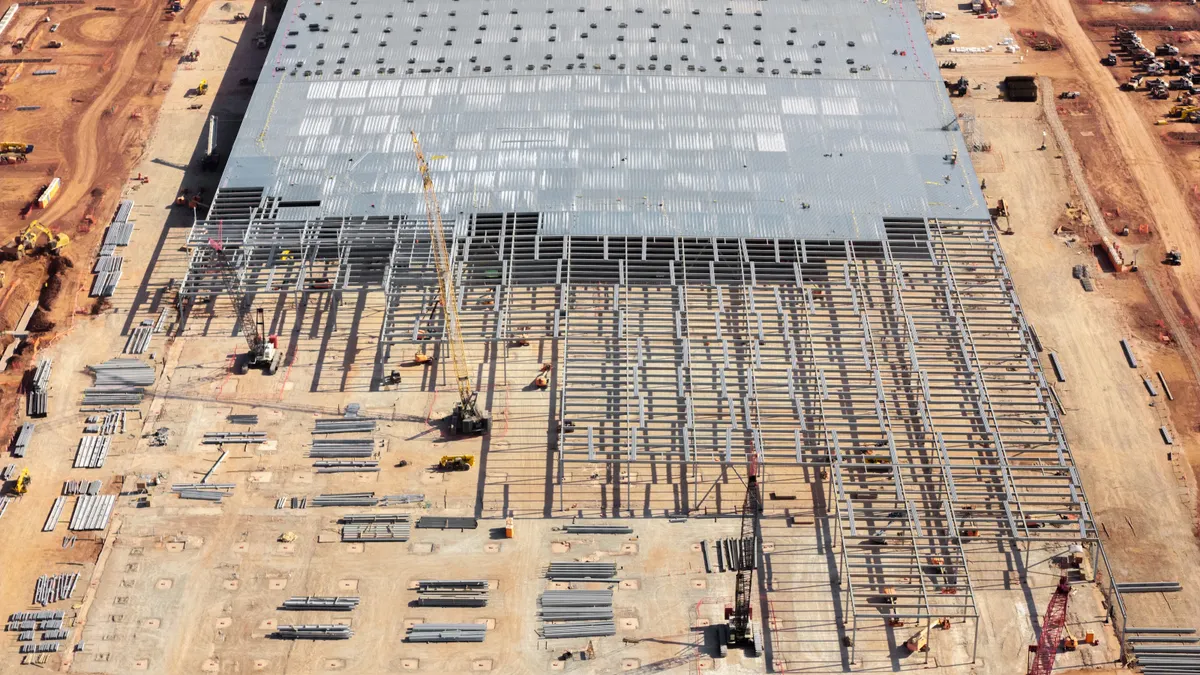
The unprecedented proliferation of artificial intelligence and cloud computing has triggered the largest infrastructure buildout in modern history. Across the globe—from the sprawling plains of Abilene, Texas, to the technology hubs of Silicon Valley and secondary markets like Omaha, Nebraska—millions of square feet of data center space are rising from the ground. Yet, despite hundreds of billions of dollars in venture capital and corporate investment, this historic boom faces a severe, structural roadblock.
According to recent data from workforce solutions leader Kelly Services, the primary constraint on the expansion of digital infrastructure is no longer securing grid power, acquiring land, or sourcing heavy electrical equipment. It is talent.
By the end of 2026, data center employment is projected to scale to approximately 650,000 positions globally—a dramatic 30% increase from 2023 levels. However, 90% of data center operators report that critical staffing shortages are actively delaying construction, system integration, and operational scaling. Industry experts note that while land and equipment supply chains remain tight, the inability to hire and retain qualified engineers, skilled tradespeople, and program managers represents the single greatest vulnerability within corporate control.
To combat this crunch, companies are being forced to look beyond traditional recruitment channels, drawing talent from adjacent sectors such as telecommunications and utility grid operations, while simultaneously rewriting compensation, benefits, and workforce planning strategies.
Chronology of a Crisis: From Niche Real Estate to National Economic Priority
Phase I: The Pre-Pandemic Baseline (2018–2020)
For years, data centers were viewed as specialized, highly automated real estate assets. Staffing requirements were relatively lean, typically managed by small teams of facility maintenance technicians, network engineers, and basic security personnel. While skilled labor was always at a premium in technical fields, the talent pipeline was stable enough to support steady, predictable year-over-year market growth without triggering systemic disruptions.
Phase II: The Cloud Acceleration and Early Post-Pandemic Era (2021–2023)
The mass corporate migration to remote work, combined with the rapid scaling of enterprise cloud services, accelerated data center construction exponentially. Facilities grew larger, more complex, and more power-dense. During this period, labor shortages began to manifest in specialized electrical and mechanical trades, though hiring cycles remained manageable. By 2023, industry metrics indicated that while power availability was the primary bottleneck, workforce gaps were quietly widening beneath the surface.
Phase III: The Generative AI Explosion (2024–2025)
The public debut and enterprise adoption of generative artificial intelligence fundamentally altered the computing landscape. Large language models required computing clusters of unprecedented scale, prompting tech giants and specialized developers to commission massive facilities capable of handling gigawatt-scale loads. The demand for specialized AI infrastructure caused the talent market to overheat. Construction timelines began to slip, not due to delayed shipments of backup generators or chillers, but because there were simply not enough certified professionals to install, commission, and manage the complex liquid-cooling and power distribution systems.
Phase IV: The 2026 Workforce Bottleneck and Adjacent Recruiting (Present)
By September 2026, the data center talent crisis has reached a boiling point. Workforce planning failures have been unmasked as the leading internal cause of multi-million-dollar project delays. In response, staffing firms like Kelly Services and industry organizations are advocating for a paradigm shift: tapping into adjacent sectors like telecommunications, traditional utilities, and heavy industrial manufacturing to construct a sustainable, cross-trained talent pipeline.
Supporting Data: Salaries, Geographic Disparities, and Time-to-Hire Realities
The sheer scarcity of specialized talent has unleashed fierce competition, driving salaries upward while revealing stark geographic disparities across the United States. According to comprehensive market analysis by Kelly Services, pay scales for critical data center and AI infrastructure roles vary by as much as 46 percentage points depending on the region:
- Silicon Valley, California: Leads the nation, with compensation packages tracking 34.2% above the national average.
- Omaha, Nebraska: Sits at the opposite end of the tracked spectrum, with compensation packages sitting 11.8% below the national average, reflecting differing local costs of living and varying regional market saturations.
National Midpoint Salary Estimates for Key Roles:
- AI Engineers: $175,000
- Data Center Operators: $178,000
- Commissioning Program Managers: $135,000
- Construction Managers: $128,000
Beyond base compensation, the dynamics of hiring have fundamentally shifted. Data compiled by Randstad in early 2026 indicates that the time-to-hire for skilled trade workers necessary to build AI infrastructure is now significantly longer than the time-to-hire for traditional corporate knowledge workers.
Furthermore, a survey released by the National Fire Protection Association (NFPA) highlights that the explosive demand for talent in the data center sector is pulling skilled electrical and safety professionals away from other vital industries—such as municipal infrastructure, commercial real estate, and healthcare construction—creating ripple effects throughout the broader economy.

Official Responses and Industry Perspectives
Corporate leaders and workforce experts are openly acknowledging that traditional human resources playbooks are failing to keep pace with the hyper-growth of digital infrastructure.
Speaking in a media release, Joel Leege, president of Kelly Science, Engineering, Technology & Telecom, underscored the changing nature of industry constraints:
"The biggest constraint is no longer just power, land or equipment. It’s talent."
Leege emphasized that while external factors like utility interconnection queues and supply chain delays for transformers and switchgear frequently make headlines, internal workforce planning failures remain the primary obstacle to keeping projects on schedule.
During a virtual industry event hosted by Construction Dive, executives discussed the necessity of evolving beyond standard salary offerings to secure mission-critical personnel. Because the scale of modern data center campuses resembles large industrial mega-projects rather than standard commercial builds, employers are deploying innovative recruitment and retention mechanisms:
- Formal Mobility Programs: Offering structured relocation and travel incentives for personnel deployed to remote or rural data center sites (such as rural Texas, Ohio, and Oregon).
- Student Loan Repayment Assistance: Providing direct financial relief to attract younger engineers and technicians burdened by educational debt.
- Advanced Career Development: Establishing clear, accelerated upskilling pathways that allow traditional electricians and utility workers to transition seamlessly into high-voltage data center operations and AI hardware maintenance.
Implications: What the Talent Drought Means for the Future of AI
The ongoing talent crisis in the data center sector carries profound implications for the broader technology and construction landscapes:
1. Accelerated Automation and AI in Workforce Management
Ironically, the industry driving the AI revolution is being forced to adopt AI-driven tools to solve its internal hiring and project management crises. Operators are increasingly utilizing predictive analytics to forecast labor needs, optimize shift scheduling, and identify internal employees who possess adjacent skills eligible for rapid upskilling.
2. Upward Pressure on Tech and Cloud Costs
As compensation packages continue to inflate—especially in high-demand technical hubs—the operational expenditure of running hyperscale AI infrastructure will inevitably rise. These increased labor costs could trickle down to enterprise cloud consumers and everyday users of artificial intelligence applications.
3. A Paradigm Shift in Vocational Education
The severe shortage of skilled trade workers and commissioning engineers highlights a broader societal failure in vocational and technical education. Educational institutions, policymakers, and private enterprises will need to forge deeper partnerships to rebuild the pipeline for electricians, HVAC specialists, and network infrastructure technicians, framing these trades not as secondary career paths, but as the foundational bedrock of the digital economy.
Ultimately, the trajectory of the artificial intelligence boom will not be determined solely by algorithms, silicon chips, or venture capital funds. It will be decided in the labor market—hinging on the industry’s ability to attract, train, and retain the human workforce required to build the digital future.
