

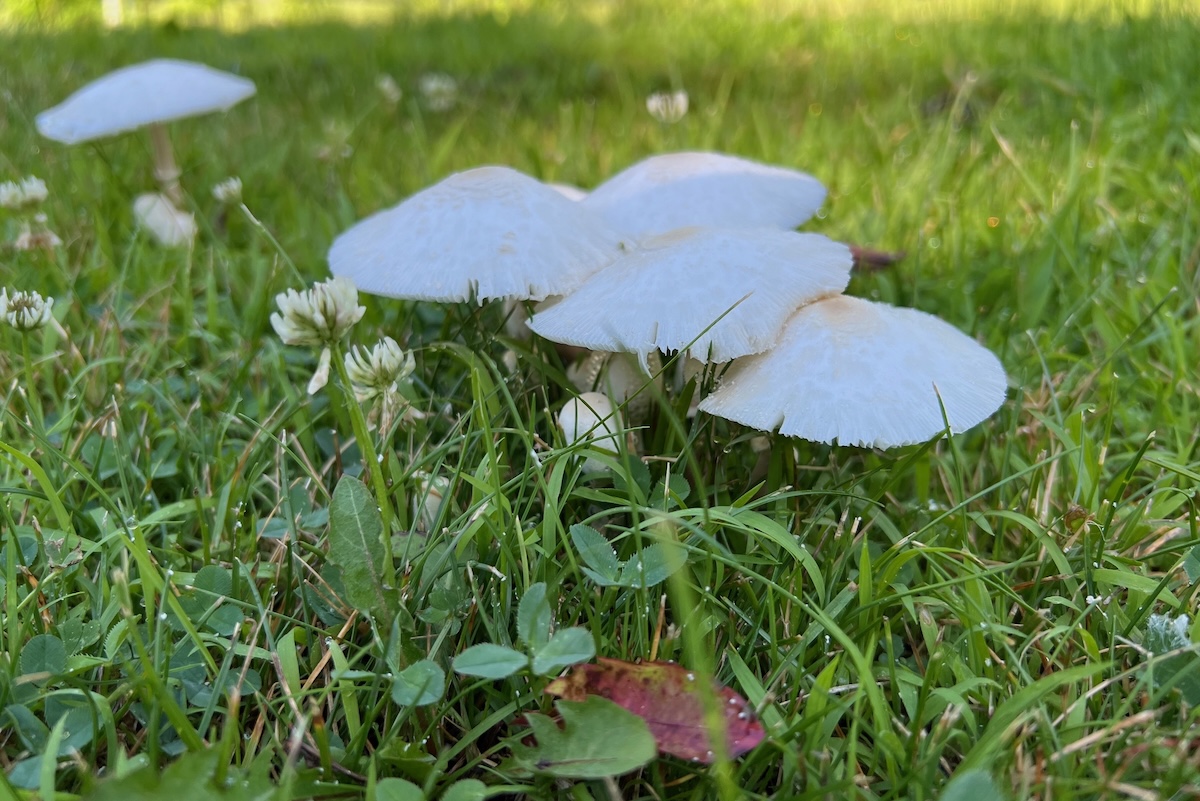
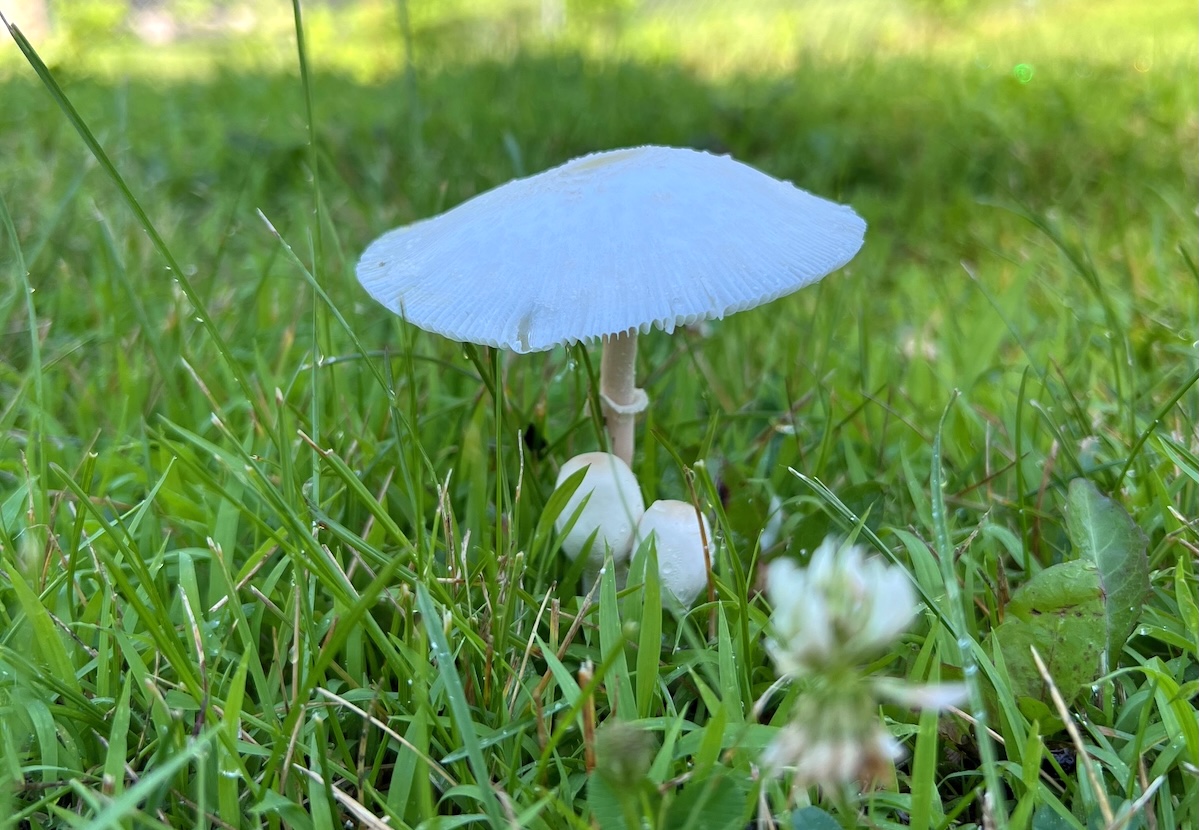
To the average homeowner, waking up to find a cluster of pale toadstools sprouting across an otherwise pristine, emerald-green lawn can feel like an affront to meticulous landscaping. Often appearing overnight after a heavy summer rain or in damp, shaded corners of the yard, these sudden growths are frequently met with immediate panic. Homeowners instantly worry about disease, pest infestations, or potential hazards for roaming children and family pets.
However, professional horticulturists and turf management experts suggest a dramatic shift in perspective. Far from being a blight on your property, the appearance of lawn mushrooms is usually a symptom of a deeply functioning, healthy underground ecosystem. Rather than reaching for harsh chemical fungicides that can destabilize your soil, understanding the biological mechanics behind these fungi can save you time, money, and unnecessary stress.
Main Facts: Understanding the Fungal Foundation
At their core, mushrooms are simply the "fruit" of a much larger, complex organism living silently beneath your feet. Just as an apple tree produces fruit to spread its seeds, a fungus produces mushrooms to disperse microscopic spores. These spores are released from the gills beneath the cap, catching the wind or hitching a ride on insects to populate new areas.
Beneath the soil, however, the real work is happening through an intricate, branching network of thread-like filaments known as hyphae. These underground networks are ecological workhorses. They feed on decaying organic matter—such as fallen leaves, grass clippings, buried wood remnants, and old tree roots—and break them down into essential macronutrients like nitrogen, phosphorus, and potassium.
According to soil scientists, this decomposition process is vital for plant life. Without fungi continuously cycling nutrients and improving soil structure, your grass would struggle to access the foundational elements it needs to remain lush and green. Therefore, while mushrooms may temporarily disrupt the visual uniformity of a manicured lawn, their presence is living proof that your soil is biologically active and rich in organic matter.
Chronology: From Subterranean Activity to Surface Sprouting
The appearance of mushrooms does not happen by accident; it is the culmination of a precise biological timeline influenced by environmental conditions and seasonal shifts.

- Phase 1: Subterranean Colonization (Year-Round): Fungal spores or existing hyphae live permanently in healthy soil. They continuously digest organic debris, building a robust underground network that helps soil retain moisture and cycle vital nutrients to grass roots.
- Phase 2: Environmental Triggers (Wet & Shady Periods): When weather patterns shift toward high humidity, frequent rain, and cooler nighttime temperatures—or when a lawn is systematically overwatered—the moisture levels in the soil spike. This signals the underground fungus that conditions are optimal for reproduction.
- Phase 3: The Formation of "Fairy Rings" (Pre-Emergence): Before mushrooms appear, homeowners may notice dark green or brown circles or arcs forming in the grass. This phenomenon, historically called a "fairy ring," occurs as the fungus breaks down organic matter, temporarily releasing a surge of nitrogen that greens up the grass in a ring pattern.
- Phase 4: Spore Dispersal and Emergence: Overnight, caps push through the turf canopy. If left unmanaged, these mushrooms mature within days, release millions of spores into the air, and eventually wither away as the topsoil dries out.
Supporting Data & Ecological Mechanics
Understanding the scale of subterranean fungal activity requires looking at how soil biology directly impacts turf health. Research compiled by agricultural extension offices highlights several key data points regarding lawn fungi:
- Diversity: There are approximately 50 different species of common fungi responsible for producing fairy rings and turf mushrooms in residential lawns.
- Moisture Retention: The pervasive root-like hyphae systems significantly enhance a soil’s ability to retain water during dry spells, acting as a natural sponge.
- Nutrient Cycling: Fungi are among the few organisms capable of efficiently breaking down stubborn lignin and cellulose found in dead wood and thatch, converting them into bioavailable plant food.
- The Overwatering Factor: Turf specialists note that over 70% of unexpected mushroom outbreaks in non-shaded residential yards are directly linked to improper irrigation schedules—specifically, watering late in the evening or daily rather than deep, infrequent soakings (such as the standard recommendation of 1 inch of water per week).
Expert Perspectives and Professional Responses
Horticultural experts and professional landscaping services emphasize that eradicating mushrooms with chemical treatments is rarely the correct path forward.
"Fortunately, mushrooms can’t do anything bad to your lawn. They may only disrupt the perfect look of the grass," explains Bryan McKenzie, a landscape designer and co-founder of Bumper Crop Times. McKenzie notes that rather than reacting with panic, homeowners should evaluate the environmental conditions that invited the growth.
David Cusick, executive editor of House Method, echoes this sentiment, warning against the knee-jerk application of commercial fungicides. "Mushrooms are actually a good sign that your lawn’s soil is healthy," Cusick states. He points out that chemical treatments frequently destroy beneficial soil microorganisms along with the targeted fungi, ultimately leaving the turf more vulnerable to disease and nutrient deficiency.
Major professional lawn care providers, such as TruGreen, advocate for integrated pest and turf management strategies rather than toxic chemical overrides. Professionals recommend cultural practices—such as core aeration to improve sub-surface drainage, dethatching to remove excess organic debris, and adjusting irrigation timers to early morning cycles—as the most effective, environmentally sound methods for managing unwanted turf fungi.
Practical Implications: How to Manage or Embrace Yard Mushrooms
Homeowners faced with an outbreak of lawn mushrooms generally have two choices: embrace them as a sign of healthy soil, or take proactive steps to minimize their presence if they interfere with aesthetic preferences or safety concerns regarding pets and small children.

1. Adjust Your Lawn Care Routine
If you wish to discourage mushroom growth, target the root environmental causes: moisture and shade.
- Aerate the Soil: Use a manual or mechanical core aerator to relieve compaction, allowing trapped water to drain and oxygen to circulate freely beneath the turf.
- Modify Irrigation: Water your lawn deeply only once or twice a week rather than giving it shallow, daily drinks. Always irrigate in the early morning so the grass blades and topsoil have time to dry out before the cool, dark evening hours set in.
- Increase Sunlight: Trim low-hanging tree branches to allow more sunlight to reach damp, shaded patches of grass.
2. Remove Organic Food Sources
Fungi feed on decaying matter. Regularly rake up excess grass clippings, thatch, and fallen leaves. If mushrooms persistently sprout in a specific location, it may indicate buried debris—such as old construction wood, mulch, or decaying tree roots—deep within the soil. Digging out these subterranean organic pockets (typically 12 to 18 inches deep) will permanently eliminate the food source supporting the fungal colony.
3. Manual Removal and Natural Remedies
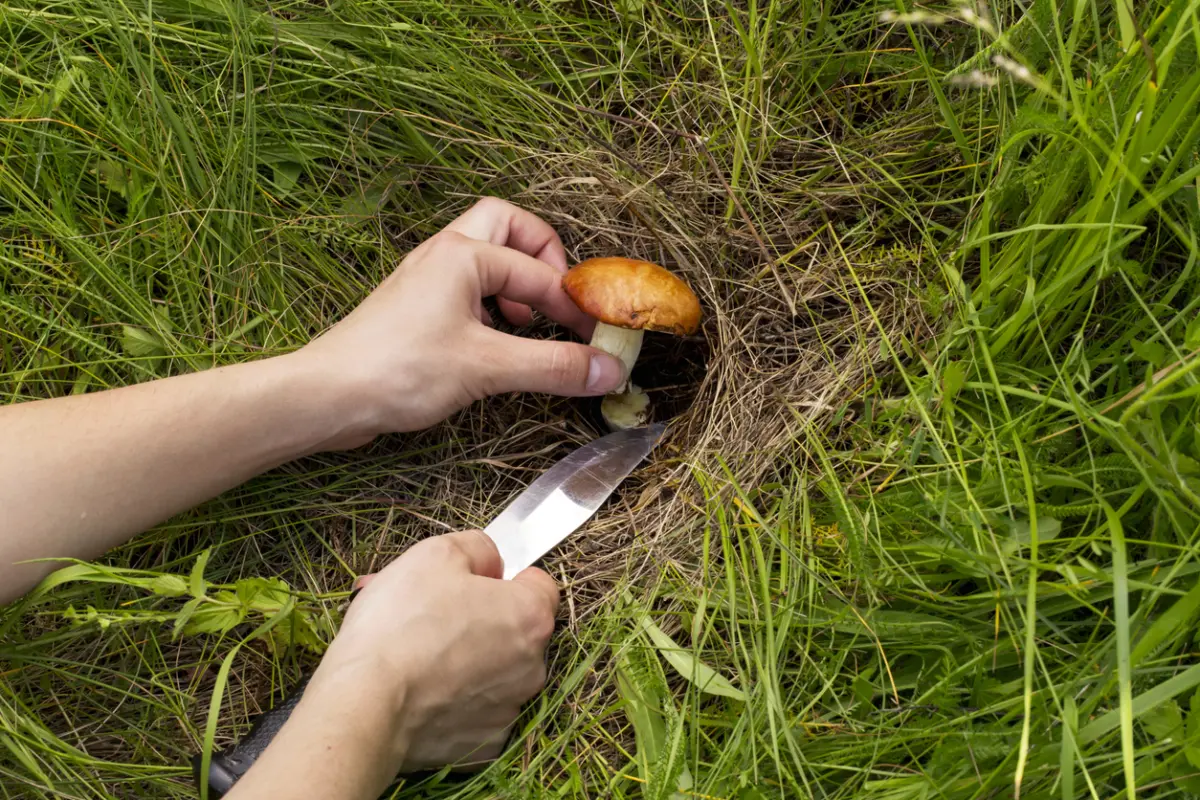
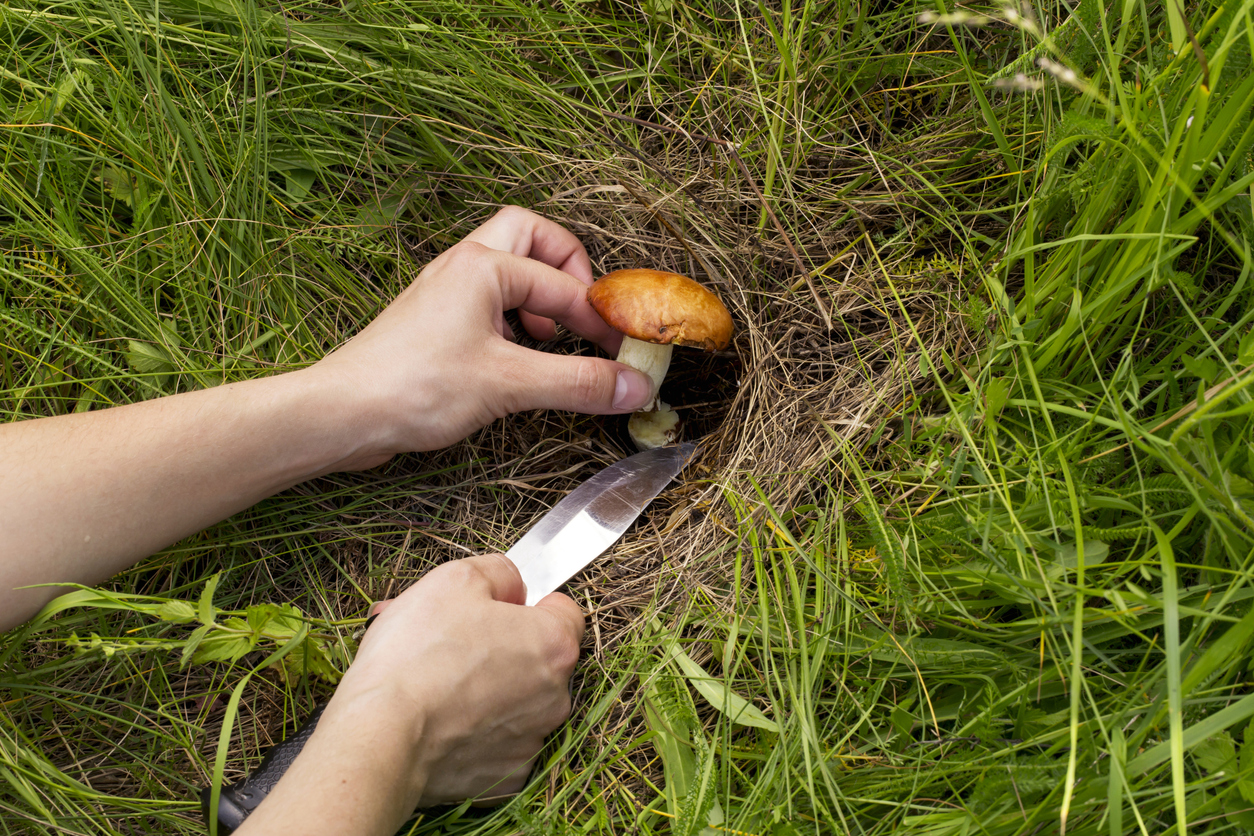
If mushrooms are popping up and you want them gone quickly for aesthetic or safety reasons, physically pluck them at the base or mow over them before they have a chance to open their caps and release spores. Crucial note: Do not throw harvested mushrooms into your home compost bin, as the spores can survive and multiply; instead, bag them tightly and place them in the trash.
For those seeking a mild, chemical-free deterrent, landscape designer Bryan McKenzie recommends a simple homemade mixture: combine 5 tablespoons of white vinegar per gallon of water in a garden sprayer, cut down the existing mushrooms, and apply the solution directly to the growth site.
Final Thoughts
Ultimately, the sudden appearance of mushrooms in your yard should be viewed as a natural check-and-balance of a vibrant ecosystem. By maintaining proper watering habits, improving soil drainage, and letting go of the expectation of an artificially sterile landscape, homeowners can coexist peacefully with these beneficial fungi—knowing that beneath the green blades, a hardworking microscopic workforce is keeping the lawn alive and well.
