

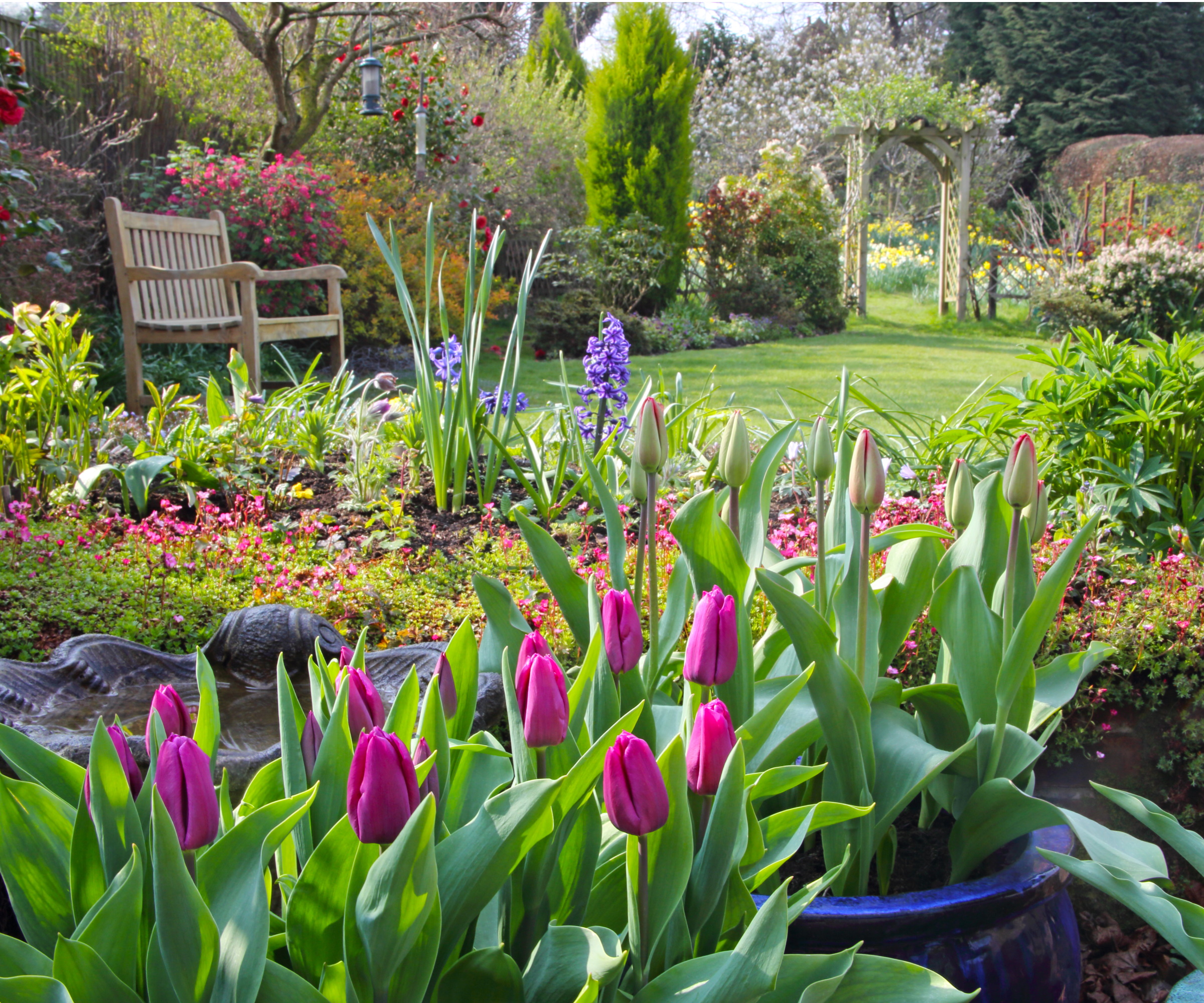
As the golden haze of late summer slowly yields to the crisp, brisk mornings of autumn, gardeners face a crucial seasonal transition. While the landscape prepares for its winter dormancy, the subterranean world of the garden tells an entirely different story. A truly spectacular spring garden—bursting with color, rich textures, and vital early-season forage for pollinators—is not born overnight; it is carefully engineered months in advance.
Backed by early-flowering perennials and resilient shrubs, spring-flowering bulbs invariably take center stage when given the opportunity to perform. However, the secret to a breathtaking spring display lies entirely in the calendar. October stands out as the absolute prime window for planting most spring bulbs. During this pivotal month, the soil retains enough residual warmth to stimulate critical root development, yet the ambient air temperatures have dropped sufficiently to prevent premature, vulnerable top-growth before the winter freeze sets in.
Drawing from decades of hands-on horticultural experience and thousands of successful plantings, gardening professionals have compiled the definitive guide on what to plant this October, the optimal environmental conditions required, and the specialized tools designed to make autumn bulb installation efficient and effortless.
Main Facts: Timing, Temperature, and Topography
The instruction to "plant spring bulbs in autumn" is a gardening staple, but it is often frustratingly vague. In an ideal horticultural world, the optimum time to install spring-flowering bulbs is when the ground remains easily workable and there is a generous window for root systems to establish before the arrival of the deep winter chilling period.
For the vast majority of gardeners—particularly those situated in USDA Hardiness Zones 6 through 8—October is the undisputed sweet spot. In warmer southern climates, planting may need to be delayed until November to allow the soil to cool down. Conversely, local topography plays an outsized role in timing. If a garden sits within a low-lying frost pocket or an exposed hollow, horticultural experts recommend accelerating the planting schedule to ensure bulbs are securely anchored before the first hard freeze locks the earth.
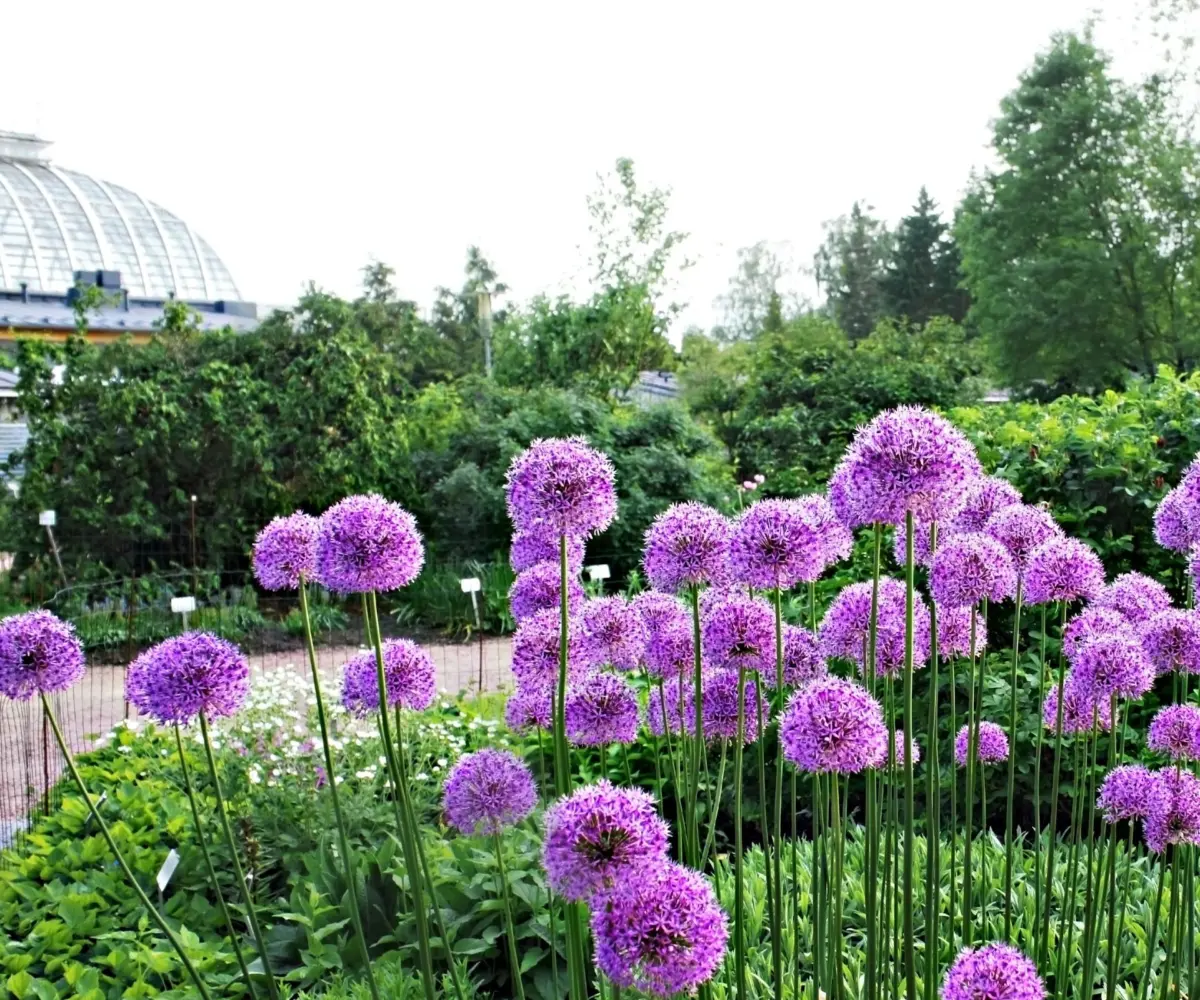
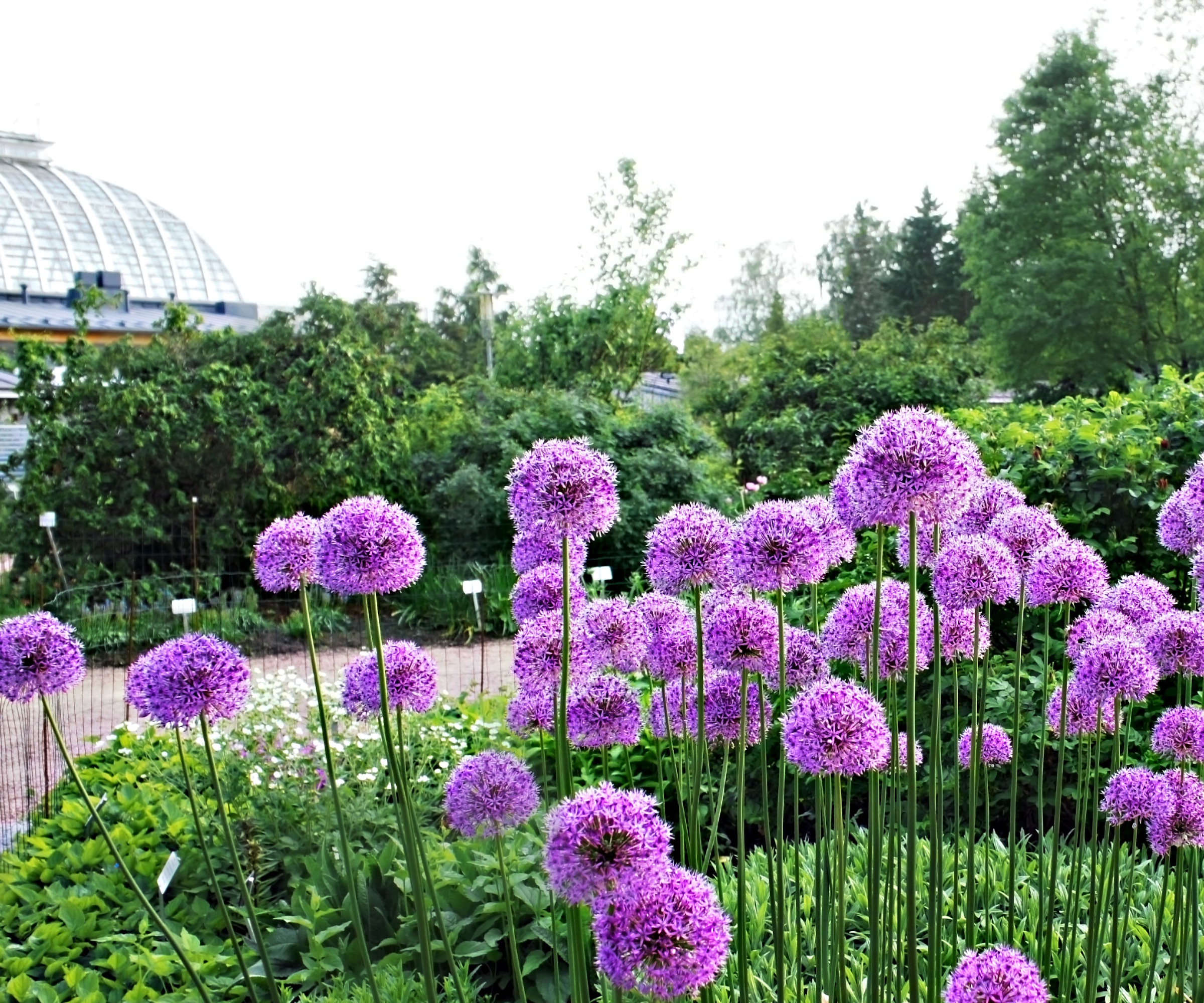
Furthermore, soil temperature is a vital scientific metric to monitor. For instance, planting sensitive species like alliums when the soil is still excessively warm can trigger premature autumn sprouting. Experts advise waiting until ambient soil temperatures settle comfortably between 50°F and 60°F before pushing these larger specimens into the ground.
Chronology: The Seasonal Lifecycle of Spring Bulbs
Understanding the chronological progression of a bulb from a dry autumn package to a vibrant spring spectacle helps contextualize why October planting is non-negotiable.
Phase 1: Autumn Establishment (October – November)
Once buried in the cool, nutrient-rich soil, bulbs immediately react to the remaining subterranean warmth. Roots begin to push downward, anchoring the plant and absorbing essential moisture and minerals. This foundational root network is what guarantees a robust plant come spring.
Phase 2: Winter Chilling (December – February)
Most spring-flowering bulbs require a mandatory period of sustained cold temperatures—known as vernalization—to trigger the physiological changes necessary for flowering. During this dormant phase above ground, cellular magic happens quietly beneath the frozen crust.
Phase 3: Early Emergence and Peak Bloom (February – June)
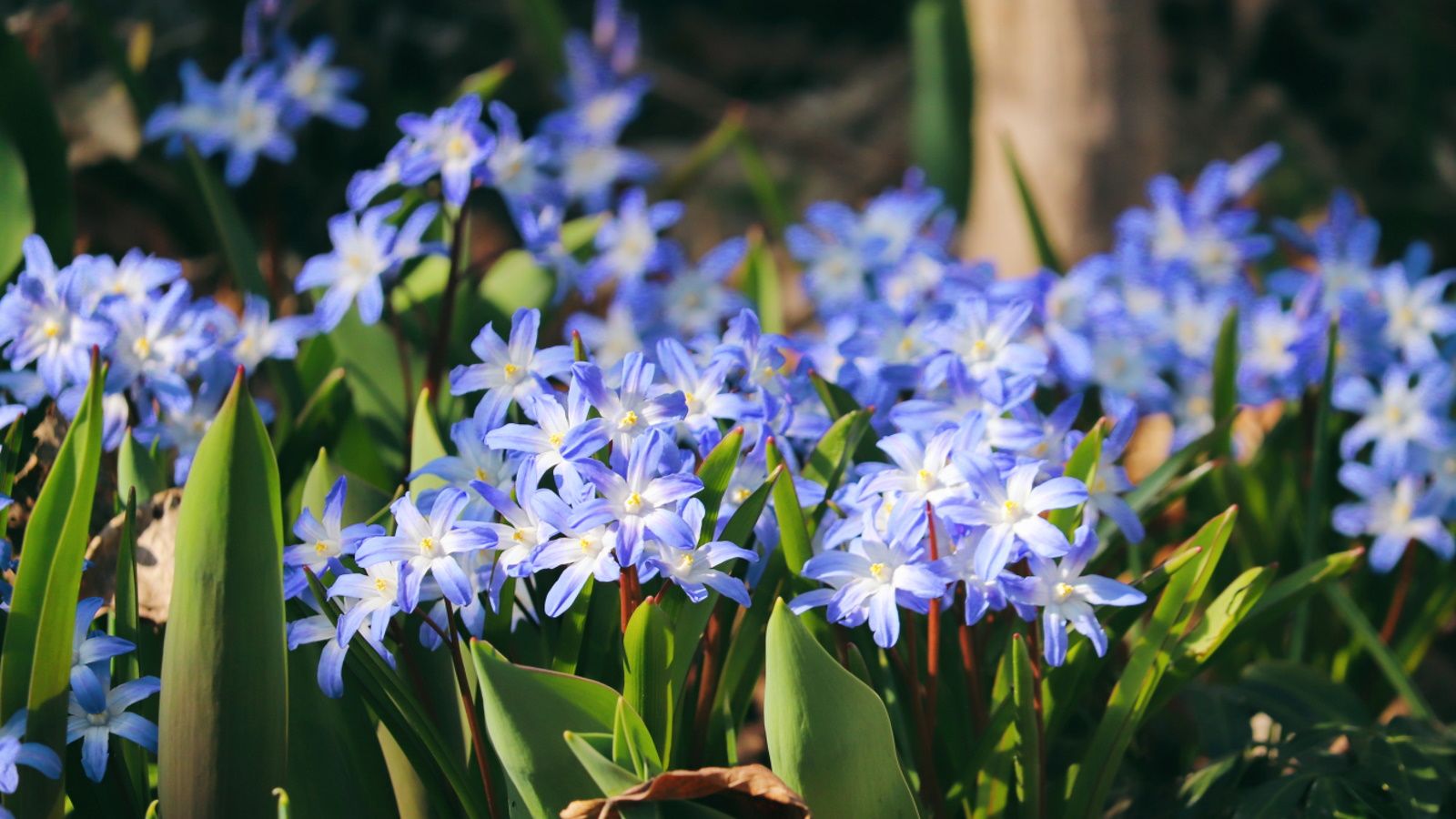
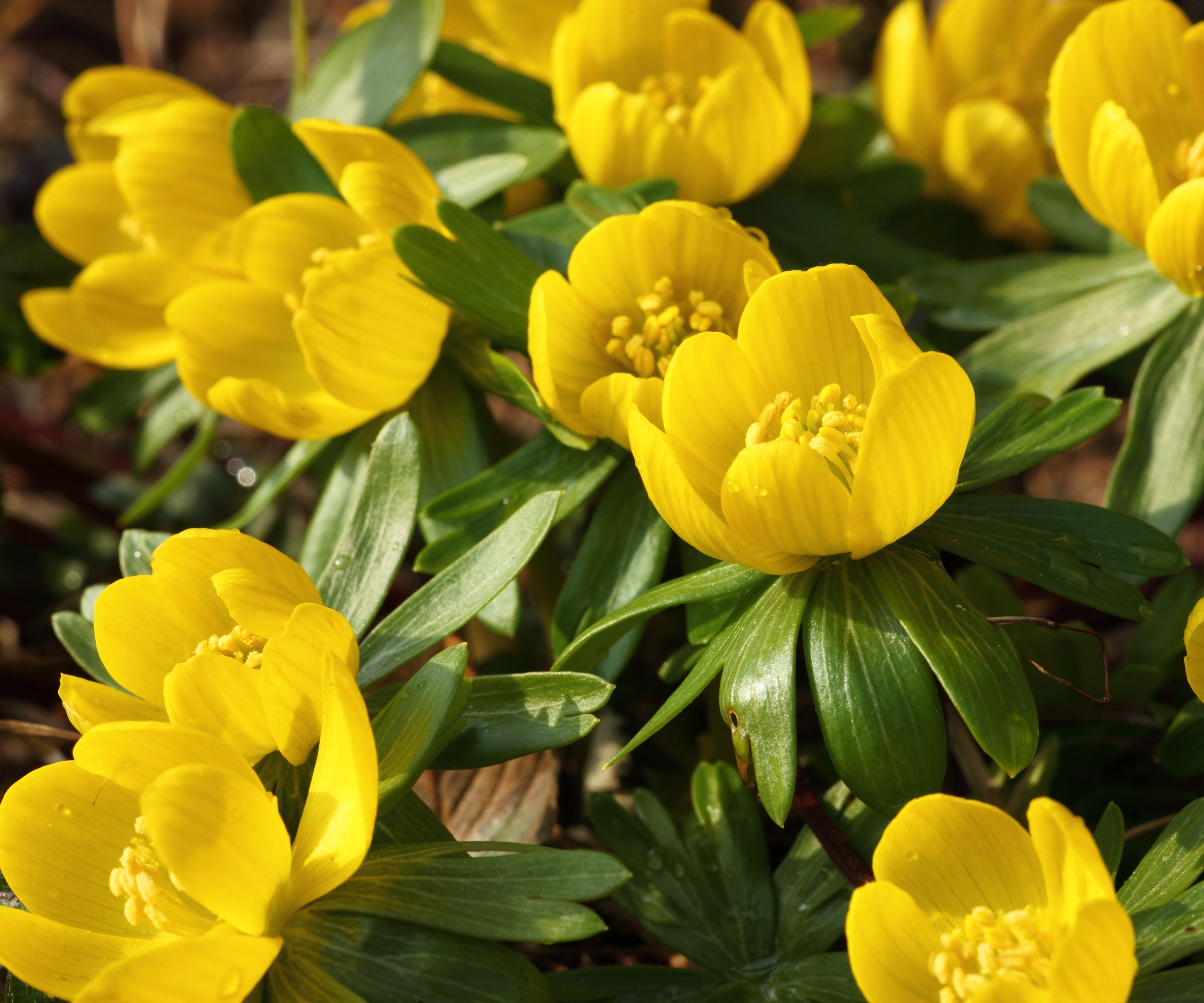
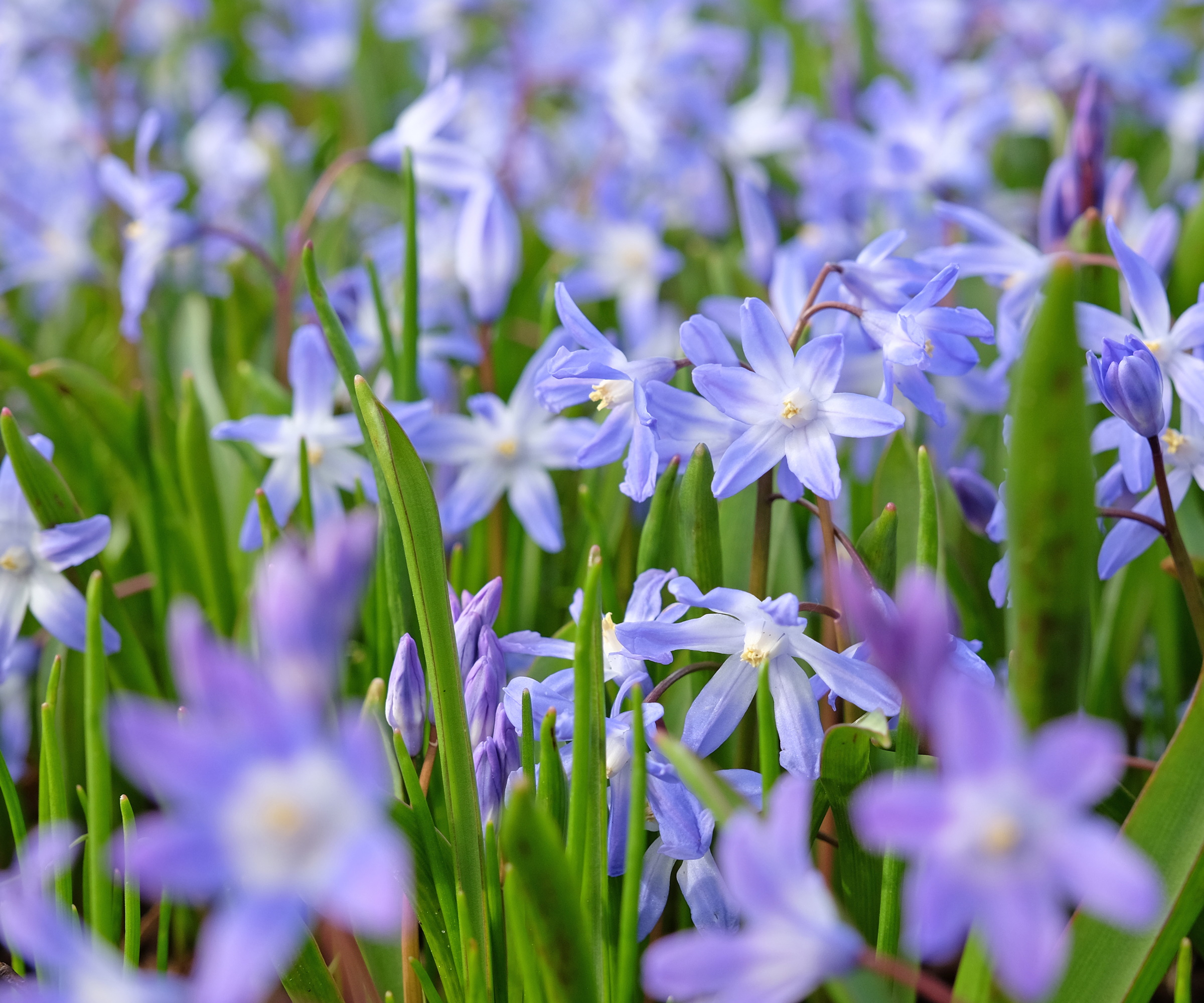
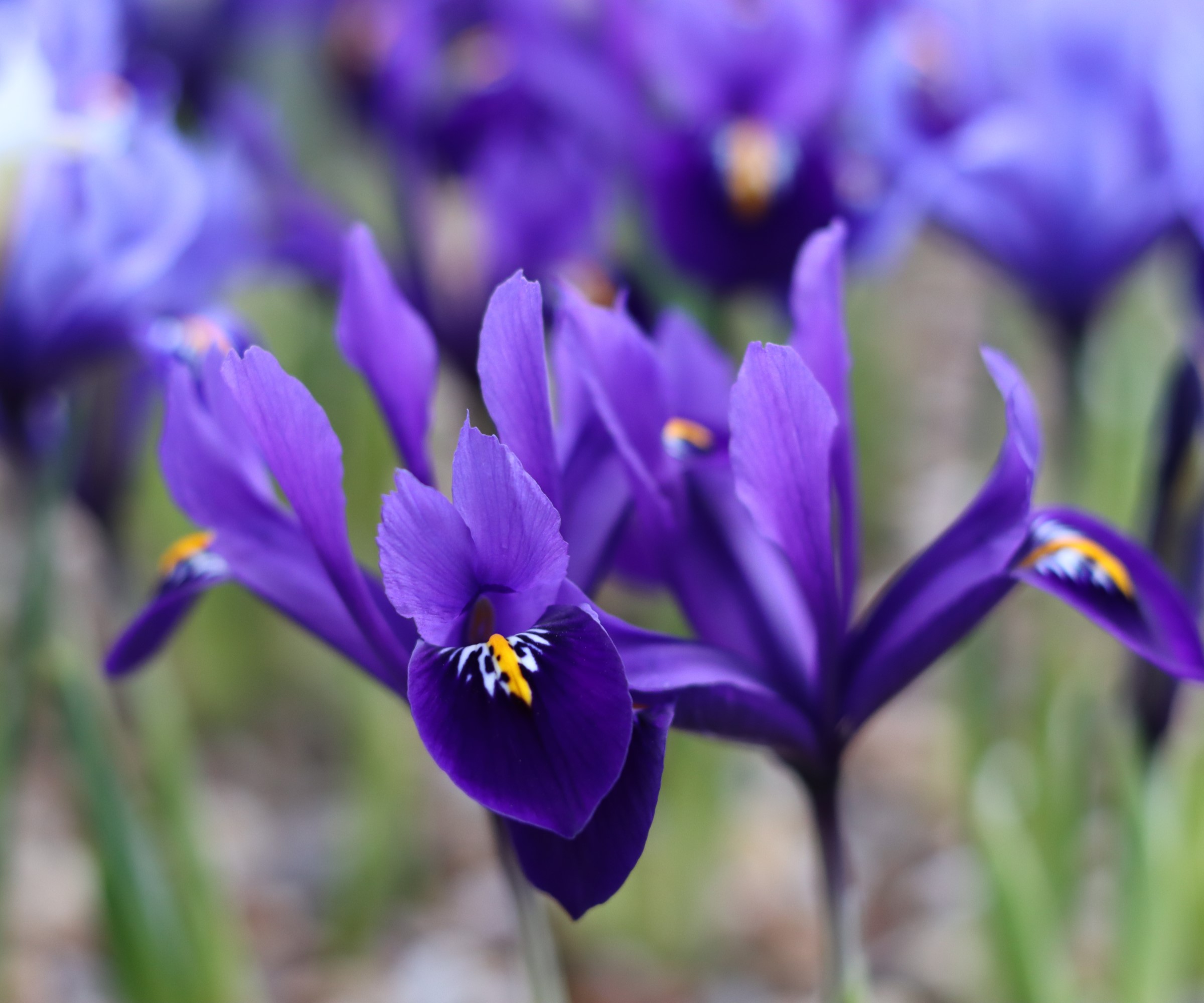
Triggered by lengthening daylight hours and rising spring temperatures, shoots break through the soil surface. Early risers like winter aconites and snowdrops emerge as early as February, followed swiftly by dwarf irises, grape hyacinths, and glory of the snow. By late spring, towering alliums and checkered fritillaries complete the grand seasonal crescendo.
Supporting Data: Recommended Varieties and Planting Metrics
To achieve professional results, precision matters. Different species demand specific depths, soil compositions, and sun exposure. Below is the essential data for the premier October planting selections:
| Bulb Variety | Botanical Name | Optimal Bloom Time | Ideal Planting Depth | Recommended Spacing | Sun/Shade Requirements | USDA Hardiness Zones |
|---|---|---|---|---|---|---|
| Winter Aconite | Eranthis hyemalis | Late Winter | 2–3 inches | Clustered closely | Partial to dappled shade | Zones 4–8 |
| Glory of the Snow | Chionodoxa luciliae | Late Winter – Early Spring | 3x bulb depth | 2–3x bulb width | Full sun to partial shade | Zones 3–9 |
| Ornamental Onion | Allium spp. | Late Spring – Early Summer | 3–4x bulb depth | 6–8 inches apart | Full sun | Zones 4–9 |
| Dwarf Iris | Iris reticulata | February – March | 3–4 inches | 2–3 inches apart | Full sun to dappled shade | Zones 5–9 |
| Snowdrop | Galanthus | January – March | 3–4 inches | 3–4 inches apart | Dappled or partial shade | Zones 3–8 |
| Grape Hyacinth | Muscari | March Onwards | 3–4 inches | 2–3 inches apart | Full sun | Zones 4–8 |
| Snake’s Head Fritillary | Fritillaria meleagris | Mid-Spring | 3–4x bulb depth | 4–6 inches apart | Partial shade | Zones 4–8 |
Official Recommendations: Expert Insights and Specialized Tools
Planting thousands of bulbs across sprawling landscapes requires more than just enthusiasm; it demands ergonomic efficiency and horticultural best practices. Professionals emphasize several key protocols when handling autumn bulbs.
Safety First
The vast majority of plant bulbs—including daffodils, hyacinths, and fritillaries—contain toxic compounds that can cause severe irritation or illness if ingested by humans or pets. Experts stress that wearing durable gardening gloves is a mandatory baseline practice when handling and planting bulbs.
Essential Equipment Upgrades
To reduce physical strain and dramatically speed up the planting process, industry experts recommend investing in professional-grade tools:
- For Deep and Mass Plantings: The Spear & Jackson long-handled bulb planter or heavy-duty bulb auger drill bits (available on Amazon) eliminate the back-breaking labor of kneeling and digging individual holes for large quantities of bulbs or massive specimens like Allium ‘Globemaster’.
- For Delicate and Precision Work: A sharp stainless-steel hand dibber (such as the Berry & Bird hand dibber available via Lowe’s) allows gardeners to punch clean, correctly sized holes rapidly in workable soil.
- For Container and Management Control: Utilizing specialized bulb baskets or terracotta-colored composite planters makes managing spreading species (like aggressive Muscari varieties) effortless while safeguarding bulbs from subterranean pests.
Implications: Biodiversity, Aesthetics, and Future Planning
The strategic choice to plant in October has profound implications that extend far beyond simple backyard aesthetics.
Ecologically, early-blooming bulbs such as winter aconites, crocuses, and snowdrops provide the absolute first wave of nectar and pollen for emerging queen bumblebees and other beneficial pollinators waking up from hibernation. Without these vital early food sources, local urban and suburban ecosystems experience a critical nutritional deficit in late winter and early spring.
Aesthetically, naturalizing bulbs—allowing them to multiply and spread organically over the years—transforms sterile lawns and bare woodland borders into golden carpets and seas of royal blue.
Looking ahead, October is not solely reserved for subterranean bulbs. Horticulturalists note that autumn is also the prime pre-ordering and planting season for structural spring-blossom trees. Integrating flowering cherries, crab apples, serviceberries, and ornamental almonds alongside an established bulb matrix guarantees a multi-layered, three-dimensional spring display that captures both ground-level charm and eye-level grandeur.
By taking action this October with the right varieties, precise depths, and professional tools, gardeners lay the physical and biological groundwork for a resilient, breathtaking landscape when spring finally returns.
