

By Global Energy Desk
Published: September 2026
Main Facts: The Web of Modern Energy Conflicts
For over a century, the lifeblood of the global economy has been petroleum. From the industrial hubs of East Asia to the sprawling suburbs of North America, the extraction, refinement, and transport of crude oil have dictated the rise and fall of nations. However, this dependence has come at an extraordinary cost. Today, approximately 43% of the world’s oil supply originates from regions actively embroiled in geopolitical conflict, localized civil wars, or trade embargoes.
As the world grapples with a staggering array of simultaneous crises—ranging from the de facto closure of the Strait of Hormuz to targeted strikes on Russian refineries and U.S.-led blockades—analysts are forced to confront a sobering reality: traditional energy markets are breaking down. Financial institutions like JPMorgan Chase have openly admitted that they no longer have a reliable model to forecast an "endgame" for these compounding crises.
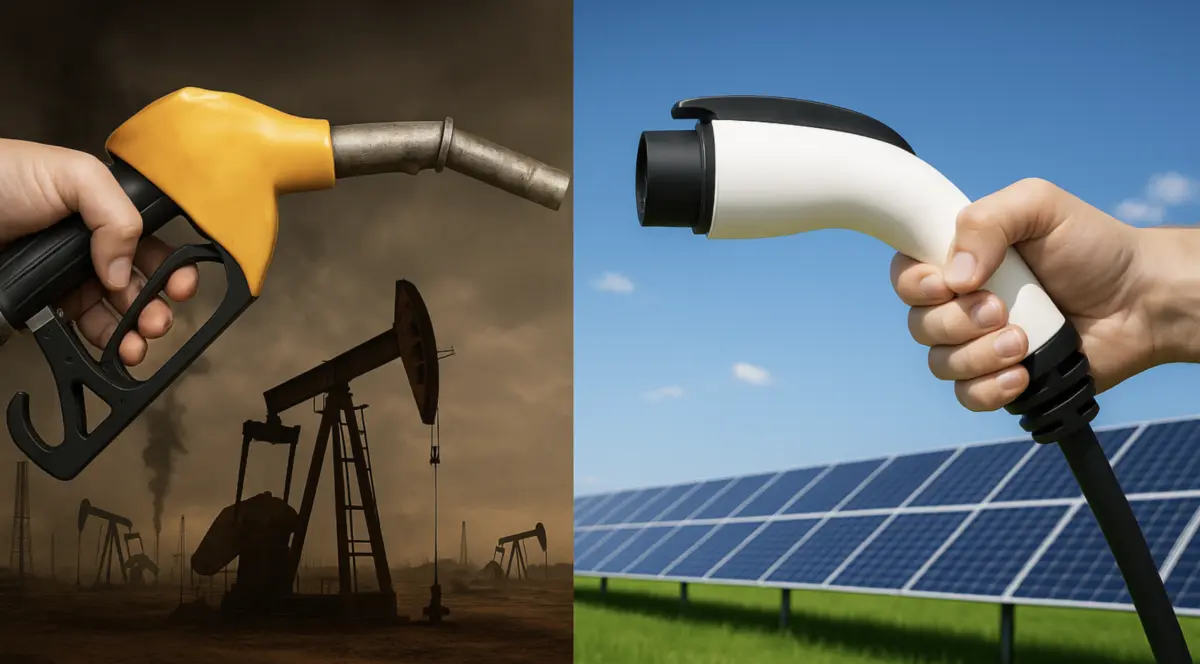
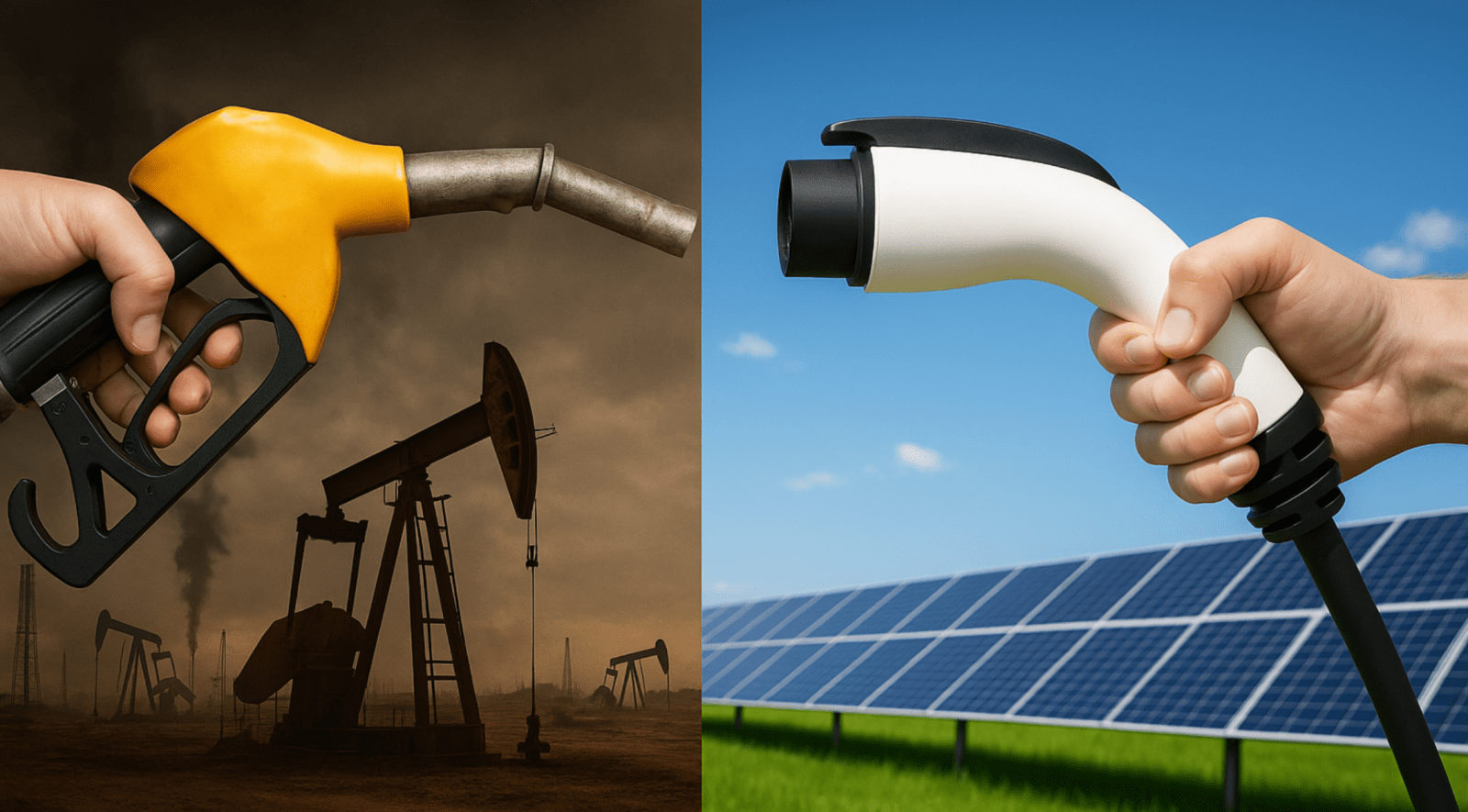
Yet, amid this unprecedented volatility, a profound structural shift is underway. While fossil fuel networks fracture under the weight of war and protectionism, electrified transportation is quietly rewriting the rules of global demand. From China’s aggressive deployment of electric vehicles (EVs) to Russia’s domestic pivot toward battery-powered cars and Cuba’s solar-powered municipal fleets, the transition away from oil is no longer a distant environmental talking point. It is becoming an urgent matter of economic survival.

Chronology of Crisis: A Timeline of Global Supply Disruptions
The fragility of the global oil grid has been laid bare by a cascade of escalating events over the past several years:
- 2014–Present: Russia’s initial invasion and annexation of Crimea establishes a stranglehold over the Kerch Strait, a critical maritime chokepoint connecting the Sea of Azov to the Black Sea. This geopolitical friction sets the stage for future militarized energy strategies.
- March 2025: Following an unprovoked military escalation involving the United States and Israel—which begins with a strike targeting Iran’s leadership—the Strait of Hormuz is effectively closed by Iranian authorities. Nearly a fifth of the world’s seaborne crude supply is abruptly choked off.
- Late 2025 – Early 2026: China shocks global markets by aggressively curtailing its domestic oil consumption. Pushed forward by a massive wave of EV adoption, China’s reduction in oil imports effectively offsets an amount of demand equal to 70% of Iran’s total pre-war exports, preventing a catastrophic global price shock.
- August 2026: The United States intensifies an economic blockade against Cuba, intercepting incoming petroleum shipments to starve the island nation of traditional energy. In response, Cuba accelerates one of the fastest localized solar and electric vehicle deployments in the world.
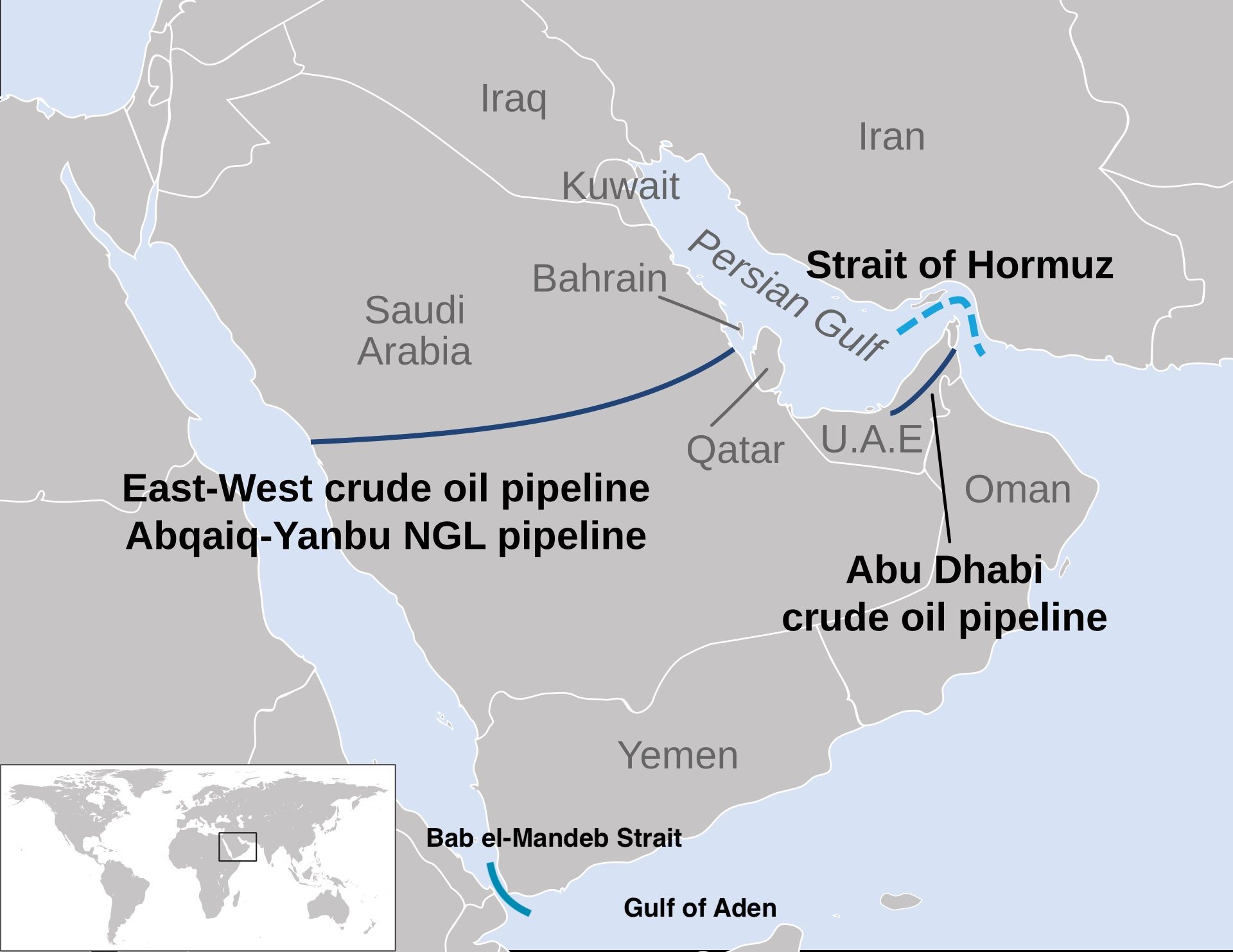
- September 2026: A critical escalation strikes Saudi Arabia when a Houthi drone attack hits a pumping station along the East-West crude oil pipeline. The Saudis immediately shut down the pipeline as a precaution, compounding the pressures of the Hormuz closure and dividing international naval protection efforts across multiple Arabian Peninsula chokepoints.
Supporting Data: The Metrics of Instability and Transition
To understand the magnitude of the current energy transition, one must examine the hard data governing supply constraints and demand destruction:
- 43%: The estimated share of the global oil supply originating from countries currently hit by active military conflict or severe sanctions.
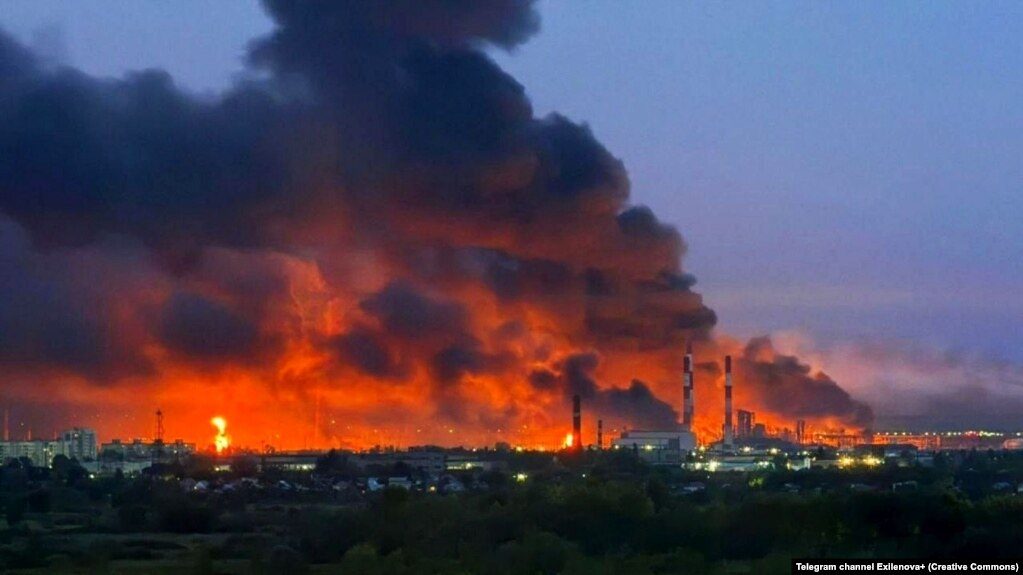
- 70%: The proportion of Russian refining capacity impacted by Ukrainian drone strikes, leaving 24 out of the nation’s 33 largest refineries damaged or offline. This has severely crippled Russia’s ability to export crude and forced a doubling of domestic EV sales over a three-month period.
- ~50,000 lbs: The approximate weight of oil burned by a standard internal combustion engine (ICE) vehicle over its operational lifespan—a massive consumption footprint that stands in stark contrast to the geographically distributed and recyclable minerals used in modern battery cells.
- 4x: The multiplier by which electric vehicles are more energy-efficient than traditional fossil fuel cars, fundamentally reducing the total energy, waste, and infrastructure required to maintain personal mobility.
- Zero to Minimal: The degree to which electric vehicles have contributed to any of the current oil-related military conflicts, highlighting the inherent security advantage of domestically generated electrical grids over imported fossil fuels.
Official Responses and Industry Reactions
As the geopolitical landscape fractures, governments and corporate institutions are scrambling to respond, often adopting divergent strategies that pit protectionist policies against market realities.
The Western Industrial Retrenchment
In North America and parts of Europe, traditional automotive lobbies are fighting a rearguard action. In September 2026, the Alliance for Automotive Innovation formally petitioned the U.S. Congress to block competitive, highly affordable international EVs from entering the domestic market. Rather than competing on technological merit or pricing, legacy automakers have sought regulatory and tariff-based shields.
Similarly, executive commentary from major global manufacturers has highlighted a deep-seated anxiety regarding profit margins. Industry leaders have warned that the influx of low-cost, high-efficiency Chinese EVs threatens the traditional cash-cow business model that has allowed legacy automakers to market high-margin, fuel-dependent vehicles to American consumers.
Financial Capitulation
Wall Street has largely thrown up its hands in the face of structural unpredictability. In a widely circulated note, JPMorgan’s energy commodity team declared that financial models are no longer fit for purpose. With key chokepoints like Hormuz and Bab-el-Mandeb compromised, and critical infrastructure like the Saudi East-West pipeline vulnerable to asymmetric drone warfare, traditional risk assessment frameworks have failed.

Governments have attempted to plug the gaps by draining their Strategic Petroleum Reserves (SPR). However, months of continuous drawdown have left national emergency stockpiles dangerously depleted, particularly in consumer nations that failed to diversify their domestic energy mix early enough.
Implications: The Inevitability of Post-Oil Mobility
The long-term implications of the 2026 energy crisis are profound and irreversible. For decades, foreign policy experts warned of the perils of "resource curses" and the blood spilled over crude oil fields. Today, those warnings have materialized into a multi-front war economy that threatens global financial stability.

The Rise of Energy Self-Sufficiency
The most striking takeaway from the current crisis is how rapidly nations can adapt when forced to. Cuba’s grassroots pivot to solar microgrids and electric tricycles, Russia’s domestic surge in EV adoption following refinery strikes, and China’s structural decoupling from imported crude all point toward a decentralized energy future. By shifting transportation fleets away from volatile imported oil and toward locally generated electricity—whether through wind, solar, hydro, or nuclear—countries can insulate themselves from foreign conflicts.
The Shifting Center of Automotive Gravity
While Western policymakers attempt to erect trade barriers to protect legacy manufacturing, the global center of automotive innovation has decisively shifted eastward. Chinese manufacturers, backed by unmatched scale in battery production, solar manufacturing, and complete EV supply chains, are capturing the allegiance of developing and developed markets alike. Companies like BYD are expanding their transport fleets and export volumes at record paces, proving that the future belongs to electrified transport, whether protectionist nations choose to participate or not.
Climate Change as a Threat Multiplier
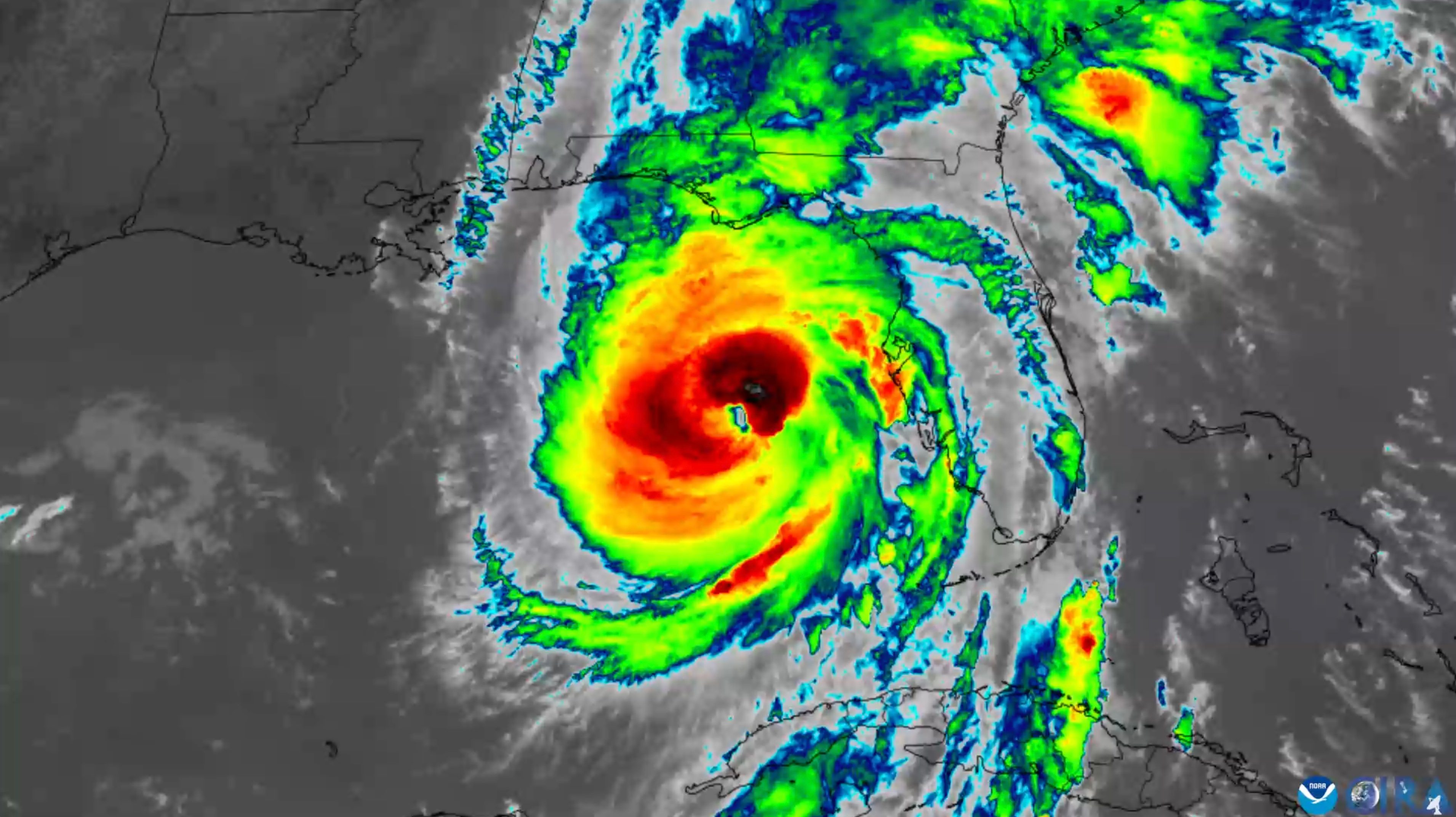
Finally, the underlying driver of both conflict and ecological degradation remains climate change. The burning of fossil fuels continues to supercharge extreme weather events—from unprecedented hurricane seasons to multi-year droughts that trigger civil unrest and mass migration. As military strategists increasingly recognize climate change as a primary threat multiplier, the argument for maintaining a fossil-fuel-based economy collapses under its own weight.
The path forward is clear. The technology required to eliminate oil from the transportation sector exists today, and it is demonstrably cheaper, cleaner, and more secure than the status quo. The question facing global leaders is no longer if the oil era will end, but how much needless conflict, economic pain, and environmental destruction will be allowed to pass before the world fully embraces the electric transition.
