

By Chris Gray | The ACHR NEWS
Published: October 5, 2026
Main Facts: The Hidden Dangers of Cutting Corners in HVAC Service
In the fast-paced world of residential and commercial heating, ventilation, air conditioning, and refrigeration (HVACR), time is often the most precious commodity a technician has. Facing packed schedules, demanding dispatchers, and frustrated property managers, HVAC professionals are frequently tempted to trim minutes off a service call. Whether skipping a meticulous coil cleaning because the components "look clean enough" or relying on a quick, general reading from an electronic leak detector rather than performing a thorough pin-down, these minor oversights feel harmless in the moment.
However, industry experts warn that these seemingly insignificant shortcuts carry massive downstream consequences. Rather than saving time, rushing through maintenance and diagnostic procedures routinely leads to repeat service calls, premature equipment failure, inflated energy bills for end-users, and—ultimately—severe damage to a contractor’s professional reputation.
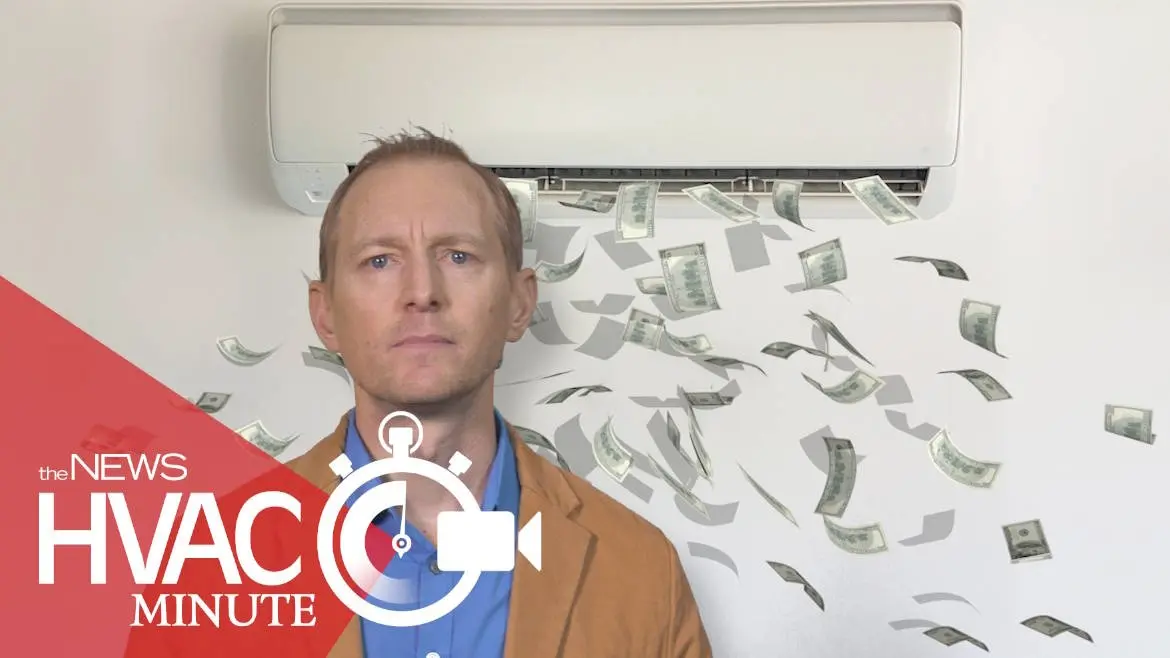
This video update and ongoing industry analysis from The ACHR NEWS examines the most common shortcuts practiced in the field, why technicians fall into the trap of taking them, and how adhering to rigorous, step-by-end-step service protocols ultimately protects both the customer’s investment and the contractor’s bottom line.
Chronology: The Anatomy of a Shortcut and Its Aftermath
To understand how a minor lapse in protocol spirals into a major operational headache, it helps to examine the lifecycle of a typical compromised service call.

Phase 1: The Pressure of the Schedule
It is mid-afternoon on a peak cooling-season day. A residential or commercial technician is already running 45 minutes behind schedule due to a complex compressor diagnostic earlier that morning. Arriving at the next appointment—a routine preventative maintenance check—the technician notes the system is currently cooling, albeit sluggishly.
Phase 2: The Rationalization
Faced with a backlog of two more calls before the end of the shift, the technician looks at the outdoor condenser coil. It has a light coating of cottonwood and dust. It’s blowing cold enough, and the homeowner didn’t explicitly complain about high bills, the technician thinks. I’ll just skip the deep chemical wash and brush it off quickly to save 20 minutes.
Inside, when checking for a minor refrigerant leak reported during the last seasonal visit, the technician waves an electronic leak detector broadly across the lineset. The device chirps generally near a messy evaporator coil joint, and the technician marks the area, injects a quick dose of stop-leak or tops off the charge without isolating and pressure-testing the specific circuit.
Phase 3: The Departure and False Economy
The paperwork is signed, the invoice is paid, and the technician drives away feeling triumphant for "making up time" on a tight schedule. For a few days, the system functions adequately.
Phase 4: The Callback
Two weeks later, the outdoor temperature spikes to 95°F. The partially clogged coil, now operating under extreme thermal stress, can no longer reject heat efficiently. High head pressures spike, the compressor overheats, and the remaining refrigerant—leaking steadily from the unverified joint—slips below the low-pressure threshold. The system locks out.

The customer, sweltering in a hot home or a stifling commercial office, calls the office, irate that they paid for maintenance just a fortnight ago only for the system to fail completely.
Phase 5: The Costly Resolution
The contractor must now dispatch a senior technician (often under warranty or at zero labor charge to appease the angry customer) to diagnose a system failure that could have been prevented. The company loses billable hours, burns fuel for a return trip, and absorbs a devastating hit to its local market reputation.
Supporting Data: The Ripple Effect on Equipment, Energy, and Economics
Industry research consistently demonstrates that preventative maintenance is not merely a formality, but a precise engineering intervention. When steps are skipped, measurable negative impacts occur across energy consumption, equipment longevity, and business profitability.
1. The Coil Cleaning Fallacy
Data from the U.S. Department of Energy and various HVAC engineering bodies indicate that even a small amount of dirt or dust accumulation on evaporator or condenser coils can reduce system efficiency by 15% to 21%.
- Energy Impact: A dirty coil forces the compressor to work harder and run longer to achieve the same cooling capacity, driving up the customer’s monthly utility bills.
- Component Strain: Elevated operating pressures place excessive wear and tear on electrical contactors, run capacitors, and compressor windings, dramatically shortening the lifespan of equipment designed to last 15 to 20 years.
2. The Illusion of Electronic Leak Detection
Modern electronic leak detectors are marvels of modern engineering, capable of sensing microscopic parts-per-million (PPM) concentrations of refrigerants like R-410A, R-32, or emerging A2L blends. However, relying solely on an uncalibrated wand or a general area sweep without utilizing nitrogen pressure testing, ultrasonic testing, or bubble solutions leads to high error rates.

- Environmental & Regulatory Costs: Failing to pinpoint and properly braze a leak means continuous refrigerant venting into the atmosphere, violating EPA Section 608 regulations and exposing commercial contractors to steep federal fines.
- Financial Drain: Refrigerant prices remain volatile. Continuously "topping off" systems instead of repairing the root cause wastes expensive product and erodes contractor profit margins on service contracts.
3. Business Reputation and Customer Retention
According to small-business customer service analytics, acquiring a new HVAC customer costs anywhere from five to seven times more than retaining an existing one. Furthermore, a customer who experiences a breakdown immediately following a service visit is statistically unlikely to renew their annual maintenance agreement. Word-of-mouth reviews, amplified by digital platforms like Yelp, Google Reviews, and Facebook, mean that a single botched maintenance call can permanently deter dozens of prospective clients in a local service area.
Official Responses and Industry Perspectives
Leading voices across the HVACR sector emphasize that ongoing technician training and cultural shifts within contracting businesses are the only effective antidotes to shortcut culture.
"When technicians feel overworked and undervalued, or when flat-rate compensation structures inadvertently reward speed over precision, shortcuts become an attractive survival mechanism," notes a veteran commercial service manager. "As management, we have to ensure our teams have adequate time allocated per call. Quality cannot be sacrificed at the altar of daily call volume."
Training institutions and equipment manufacturers are also stepping up to provide clearer diagnostic pathways. Manufacturers are redesigning equipment access panels, integrating smart diagnostic ports, and developing onboard self-diagnostics that guide technicians through mandatory testing sequences rather than letting them guess.
Furthermore, digital tools are transforming how contractors verify field work. Many modern field service management (FSM) platforms now require technicians to upload photo verification of cleaned coils, static pressure measurements, and digital manifold screenshots before a job can be closed out in the system. This accountability eliminates the gray areas where shortcuts typically occur.

Implications for the Future of HVAC Contracting
As the HVAC industry navigates historic shifts—including the transition to flammable A2L refrigerants, increasingly stringent energy efficiency mandates, and a severe skilled labor shortage—the margin for error in the field is shrinking rapidly.
- Safety Implications with A2L Refrigerants: With the widespread adoption of mildly flammable A2L refrigerants (such as R-32 and R-454B), sloppy leak detection or improper brazing practices are no longer just an efficiency issue; they represent a severe safety hazard. Technicians who cut corners on leak verification or recovery protocols risk catastrophic accidents, legal liability, and regulatory penalties.
- The Shift Toward Smart Diagnostics: The integration of IoT (Internet of Things) devices and remote monitoring tools means homeowners and commercial facility managers often know a system is operating suboptimally before the technician even leaves the parking lot. Contractors who rely on "good enough" maintenance will find themselves exposed as remote sensors flag unaddressed performance drops.
- Redefining Productivity: Progressive HVAC companies are redefining what "productivity" means. Instead of measuring success by the raw number of calls completed per day, forward-thinking organizations evaluate technicians based on first-time fix rates, callback percentages, and customer satisfaction scores. By aligning incentives with quality rather than speed, businesses can eliminate the root causes of field shortcuts.
Conclusion
The temptation to take shortcuts will always exist in a demanding trade like HVACR. Between mounting traffic delays, complicated wiring diagrams, and demanding end-users, the impulse to rush is entirely human. Yet, as industry data and field realities prove, every shortcut taken is merely a delayed, more expensive problem waiting to happen.
By investing in comprehensive technician training, enforcing strict quality-assurance checklists, and fostering a workplace culture that prioritizes precision over speed, HVAC contractors can safeguard their reputations, protect their profit margins, and ensure that every system they touch runs safely and efficiently for years to come.
Looking for quick answers on air conditioning, heating, and refrigeration topics? Try Ask ACHR NEWS, the smart AI search tool designed to help HVAC professionals navigate technical challenges, code requirements, and service best practices instantly. Visit the Ask ACHR NEWS portal to learn more.
