

By Tech Insights Desk
Published: March 2026
Main Facts: The Battle for Premium Smartphone Supremacy
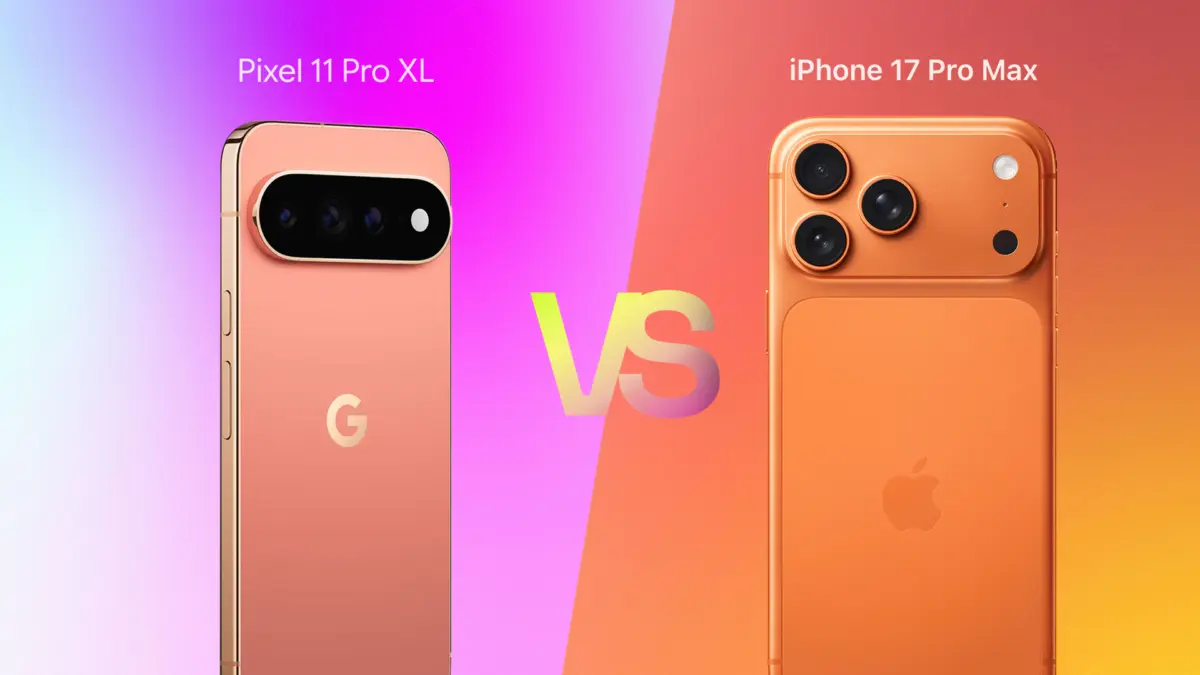
The mobile landscape has shifted once again. Google has officially pulled back the curtain on its highly anticipated Pixel 11 series, featuring the standard Pixel 11, the Pixel 11 Pro, the innovative Pixel 11 Pro Fold, and its premier large-format powerhouse: the Google Pixel 11 Pro XL.
Starting at $1,299 for the 256GB storage configuration, the Pixel 11 Pro XL enters a fierce battleground. Its primary target? Apple’s reigning heavyweight champion, the iPhone 17 Pro Max, which starts at $1,199. Both devices represent the absolute pinnacle of what modern consumer technology can achieve, packing bleeding-edge displays, advanced multi-lens camera systems, next-generation silicon, and deeply integrated artificial intelligence.

However, they approach the luxury smartphone market from fundamentally different philosophies. Google leans heavily into open-ended agentic AI, ultra-bright display hardware, and nostalgic yet modern notification innovations like the HiLight LED. Apple, conversely, relies on ecosystem synergy, class-leading energy efficiency, the robust A19 Pro chip, and a streamlined user interface. As global supply chains face mounting pressures—particularly an ongoing RAM shortage inflating manufacturing costs—choosing between these two titans has never been more consequential for consumers.
Chronology: How We Got Here
To understand the weight of this rivalry, it helps to look at how both tech giants arrived at their 2026 flagships.
- Late 2024 to 2025: The smartphone industry began grappling with severe component shortages, notably affecting RAM pricing and availability. Despite this, manufacturers pushed forward with miniaturization. Apple launched the iPhone 17 lineup, capturing critical acclaim and Cnet’s Lab Award for best battery life, while Google refined its custom Tensor architecture with the Pixel 10 generation.
- Summer 2026: Amid widespread component price hikes, Apple adjusted its pricing strategy across multiple product lines, setting the stage for a more expensive upgrade cycle.
- Early Fall 2026: Google officially unveiled the Pixel 11 family. The company shifted its focus toward ambient computing, introducing features like the Tensor G6 chipset built on a cutting-edge 2nm process, alongside deeply integrated agentic AI capabilities via Gemini.
- Present Day: With pre-orders live for the Pixel 11 Pro XL and rumors swirling regarding Apple’s impending iPhone 18 series, consumers are caught in a classic upgrade dilemma: buy the newly minted Google flagship now, or stick with the proven, highly efficient iPhone 17 Pro Max while waiting to see what Apple delivers next.
Supporting Data: Head-to-Head Specifications
Evaluating raw specifications reveals where each device carves out its competitive advantage. Below is a comprehensive breakdown of how the Google Pixel 11 Pro XL measures up against the Apple iPhone 17 Pro Max.

Technical Specification Matrix
| Feature | Google Pixel 11 Pro XL | Apple iPhone 17 Pro Max |
|---|---|---|
| Price (Base 256GB) | $1,299 | $1,199 |
| Display Size & Type | 6.8-inch OLED, 120Hz | 6.9-inch OLED, 1-120Hz variable |
| Resolution & Density | 2,992 × 1,344 pixels (486 ppi) | 2,868 × 1,320 pixels (460 ppi) |
| Peak Brightness | Up to 3,600 nits | Up to 3,000 nits |
| Processor | Google Tensor G6 (2nm) | Apple A19 Pro (3nm) |
| RAM & Storage Options | 12GB/16GB RAM; 256GB, 512GB, 1TB | N/A RAM; 256GB, 512GB, 1TB, 2TB |
| Rear Cameras | 50MP Wide, 48MP Ultrawide, 50MP Telephoto (5x) | 48MP Wide, 48MP Ultrawide, 48MP Telephoto (4x) |
| Front Camera | 42MP | 18MP |
| Battery Capacity | 5,115 mAh | 5,088 mAh |
| Wired / Wireless Charging | 45W wired / 25W Qi 2.2 (PixelSnap) | 40W wired / 30W MagSafe |
| Biometrics | Under-display fingerprint / Face ID | Face ID (No fingerprint) |
| Software | Android 17 | iOS 26 |
| Unique Hardware | HiLight LED, Action-adjacent shortcuts | Action Button, Camera Control, Dynamic Island |
Deep-Dive Analysis
1. Design, Display, and Aesthetics
At first glance, both phones share a massive footprint dictated by their expansive screens. The iPhone 17 Pro Max features a slightly larger 6.9-inch panel compared to the Pixel’s 6.8-inch display, though the physical difference in hand is negligible. Both utilize premium blends of recycled aluminum, glass, and metals.
Where Google pulls ahead on paper is peak panel brightness. The Pixel 11 Pro XL achieves an astonishing 3,600 nits, outshining the iPhone’s still-impressive 3,000 nits. In real-world terms, this promises exceptional legibility under direct sunlight.
Front-facing design philosophies remain starkly divided. Apple retains its interactive Dynamic Island, a pill-shaped cutout that doubles as a status hub for media playback, timers, and ride-sharing apps. Google opts for a clean punch-hole camera, but introduces a nostalgic twist on the rear: the HiLight LED. This modern reimagining of the classic BlackBerry notification light pulses with customizable colors to signal incoming calls or active conversations with Gemini.
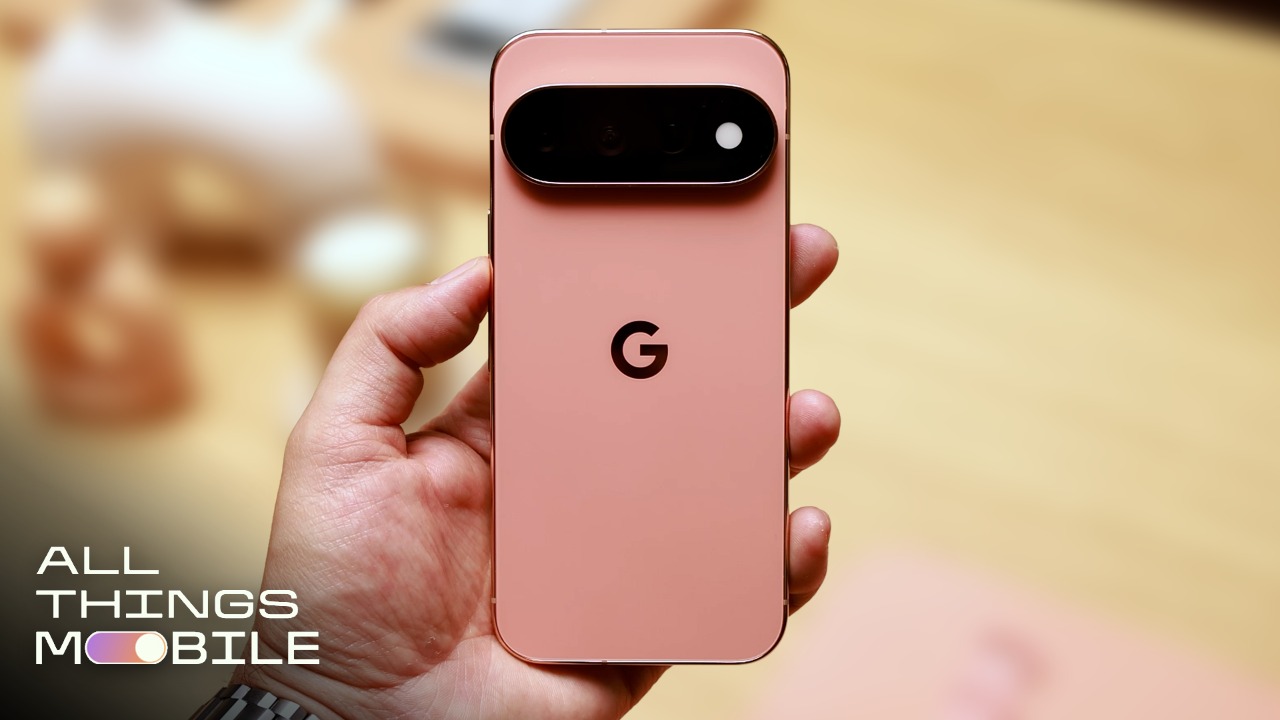
Apple counters physical notification lights with its versatile hardware buttons: the customizable Action Button (frequently programmed for shortcuts like ordering coffee or setting timers) and the pressure-sensitive Camera Control button.
2. Performance and Efficiency
Under the hood, the Pixel 11 Pro XL runs on Google’s custom Tensor G6 processor. Built on a groundbreaking 2nm architecture, Google has squeezed more transistors into a tighter space than Apple’s 3nm A19 Pro chipset. Google claims a 25% boost in browsing speeds and a 3.5x increase in on-device AI processing.
Battery endurance is another critical battleground. The Pixel 11 Pro XL packs a robust 5,115 mAh battery, slightly eclipsing the iPhone 17 Pro Max’s 5,088 mAh cell. However, Apple holds a major historical advantage: the iPhone 17 Pro Max secured Cnet’s Lab Award for the best battery life among all tested phones in 2025 and early 2026. Thermal management via vapor-cooling chambers on both devices will dictate real-world stamina under heavy loads.

3. Artificial Intelligence: Gemini vs. Siri
The software divide ultimately boils down to Gemini versus Siri.
Google’s Gemini integration on Android 17 functions on a deeper, agentic level. It can execute background tasks across the internet—such as ordering food via DoorDash while you browse—and offers granular transcription tools like "Rambler," which filters out filler words ("um," "ah") during dictation.
Apple’s Siri, while deeply tied into native apps like iMessage and capable of basic on-screen contextual awareness, feels more constrained. While users awaiting iOS 27 and expanded Siri AI features may see significant upgrades, Google currently holds the crown for advanced, proactive AI integration.

4. Camera Capabilities
Both flagships feature triple-lens configurations that easily rank among the best in the industry. The Pixel 11 Pro XL relies on a 50-megapixel main sensor, a 48-megapixel ultrawide, and a 50-megapixel telephoto lens offering up to 5x optical zoom (and up to 120x via Super Res Zoom). The iPhone counters with a uniform trio of 48-megapixel sensors.
Beyond raw specs, software features dictate the shooting experience. Google introduces Magic Capture Mode, which automatically records and saves ideal frames during video capture—ideal for fast-moving subjects like children or pets. For purists wary of AI over-processing, Google’s new Camera Looks feature applies film-inspired color profiles directly at capture, bypassing algorithmic edits. Apple offers a similar philosophy through its granular Photographic Styles toolset.
Official Responses and Industry Context
Executives and industry analysts have emphasized that the 2026 smartphone cycle is defined by cost pressures and the maturation of on-device AI.

A spokesperson for Google noted during the hardware unveiling:
"With the Tensor G6 and our deep agentic AI integrations, we aren’t just giving users a faster phone; we are providing an ambient assistant that anticipates needs before they are spoken. The hardware advancements—from our 3,600-nit display to the redesigned camera array—ensure that form and function are balanced without compromise."
Conversely, industry watchers point out that Apple’s strength remains its unmatched ecosystem retention and silicon efficiency. Despite Google raising its base price to $1,299 to match expanded memory tiers, carrier trade-in promos are expected to dictate consumer choices heavily during the launch window.

Implications: Which Phone Should You Buy?
The launch of the Pixel 11 Pro XL leaves consumers with a nuanced set of choices:
- Choose the Google Pixel 11 Pro XL if: You want cutting-edge agentic AI capabilities, a remarkably bright display, expansive zoom capabilities, and the open customization of Android 17. The inclusion of 7 years of software updates also makes it a formidable long-term investment.
- Choose the Apple iPhone 17 Pro Max if: You are deeply entrenched in the Apple ecosystem, prioritize industry-leading battery efficiency, value hardware shortcuts like the Action and Camera Control buttons, and prefer Apple’s tightly integrated privacy and software framework.
As the smartphone market navigates rising manufacturing costs and hardware shortages, both Google and Apple have proven that they are willing to push boundaries. Whether you lean toward the brilliant display and AI prowess of the Pixel or the refined endurance and ecosystem harmony of the iPhone, the consumer ultimately benefits from this relentless technological arms race.
