

In the fast-paced world of consumer technology, leaks are an expected part of the product lifecycle. Blueprints surface on manufacturing forums, regulatory filings slip into public databases, and insider whispers frequently map out upcoming hardware months in advance. Yet, very rarely does a piece of unreleased, highly classified hardware materialize in the wild quite like this.
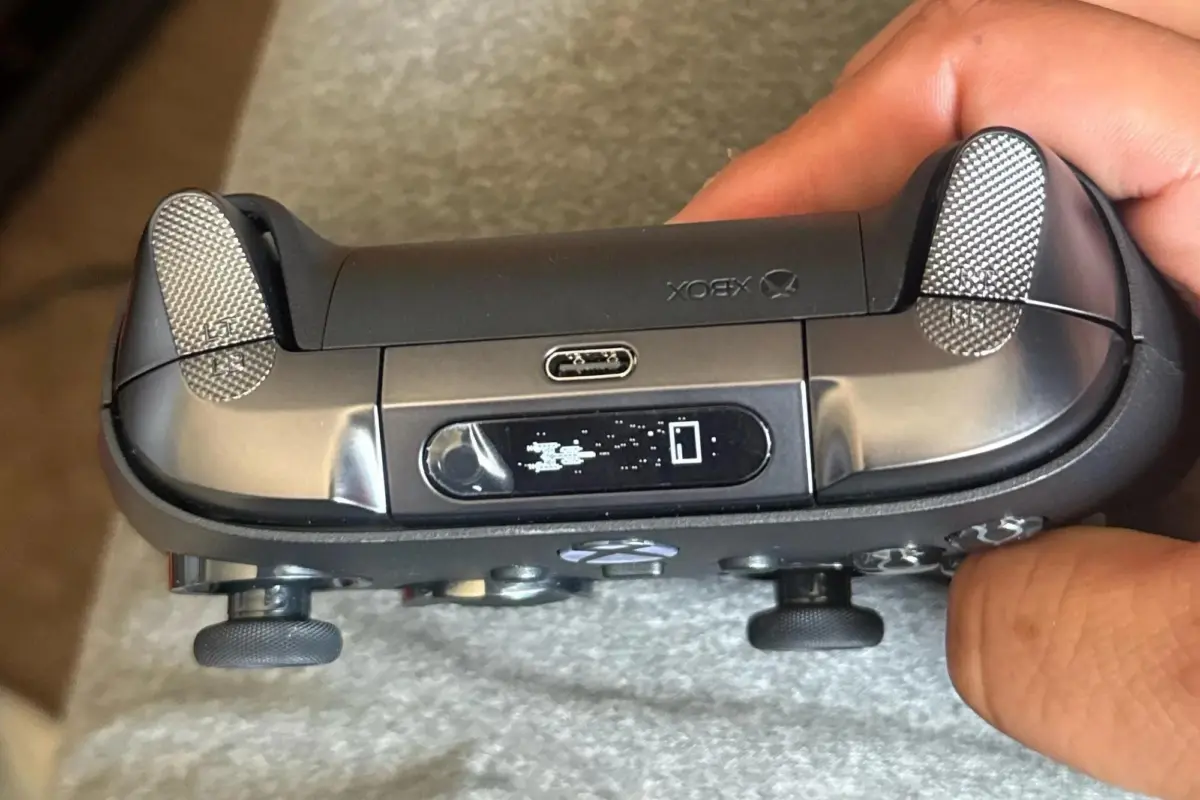
A Reddit user recently shocked the gaming community by sharing detailed, seemingly authentic photographs of what is almost certainly an unreleased prototype of the Microsoft Xbox Elite Series 3 controller. Incredibly, the user claims to have purchased the high-end gamepad for just $200 on the local-listing marketplace OfferUp. While the device bears the unmistakable "NOT FOR SALE" markings of a strict engineering sample and currently lacks functional firmware, the physical hardware tells a remarkable story.
This unexpected leak corroborates and dramatically expands upon previous regulatory disclosures from earlier this year. It paints a vivid picture of a high-end, feature-rich controller designed to bridge the gap between traditional console gaming and the rapidly expanding ecosystem of cloud streaming.
Main Facts: What the Prototype Reveals
The discovery of the prototype provides hardware enthusiasts with a comprehensive look at what Microsoft has cooking for its next iteration of premium gamepads. Far from a minor iterative refresh, the purported Xbox Elite Series 3 introduces several radical departures from both standard controllers and its predecessor, the Elite Series 2.

The Built-In Screen and "Pair Button" Integration
The most jaw-dropping revelation from the user’s photos is the inclusion of a built-in display screen situated near the center of the controller. While early diagrams leaked by Brazilian regulatory agency Anatel in May hinted at a new mode-switching interface, they did not clarify the physical housing of such a feature.
The screen on the prototype appears capable of displaying dynamic system diagnostics and UI elements. In one captured image, the display famously features the signature "xCloud rocket ship" icon positioned next to an Xbox Series X. Another snapshot shows a URL redirecting to an internal Microsoft cloud resource—a restricted page that yields an access-denied error for unauthorized viewers, lending massive credibility to the authenticity of the device. Sitting immediately to the left of this screen is a dedicated "Pair Button," which rumors suggest will allow users to seamlessly hot-swap connectivity between local consoles and cloud gaming servers.
Enhanced Inputs and Hardware Modularity
Beyond the screen, the physical layout of the controller showcases refined ergonomics and advanced control mechanics:
- Bottom-Edge Scroll Wheels: Following up on leaks from the Anatel filing, the prototype features two new scroll wheels located along the bottom edge of the chassis, potentially offering tactile adjustments for volume, sensitivity, or profile switching.
- Rear Paddles: The device retains the signature four-paddle layout on the rear, a staple of the Elite series prized by competitive gamers for custom mapping.
- Adjustable Triggers: The user confirmed that the hair-trigger locking mechanisms offer a distinctly tactile, "clicky" actuation when engaged.
- Interchangeable D-Pad: A redesigned detachable D-pad graces the face of the controller, differing slightly from the mechanical layout seen in earlier regulatory schematics.
Built for Repairability
Perhaps one of the most progressive—and surprising—elements discovered within the battery compartment is a clear nod to the right-to-repair movement. The controller houses accessible Torx T6 screws alongside a printed QR code. Industry analysts believe this QR code is designed to direct users straight to a dedicated Microsoft repair and parts portal, signaling a potential shift toward consumer-maintainable luxury peripherals.

Chronology of the Leak: From Brazilian Regulators to a Marketplace Find
To understand how the Xbox Elite Series 3 became public knowledge, it is necessary to trace the breadcrumbs left behind by regulatory bodies and supply chain leaks over the course of the year.
- May 2026 (The Regulatory Leak): The first concrete evidence of the Elite Series 3 emerged when Brazilian telecommunications regulator Anatel published documentation and technical diagrams. These files exposed early schematics detailing dual wireless modes (allowing direct connections to Xbox Cloud Gaming servers) and a novel "Pair Button" interface designed for multi-environment switching. However, at the time, analysts could only speculate on how these features would be physically packaged.
- Late August 2026 (The OfferUp Acquisition): A user posting under the handle
ssuberlexon Reddit’s r/Controller community published a post titled, "Anyone know what controller this is? Is this the Elite?" Attached were high-resolution photographs of an unfamiliar, high-end Xbox gamepad featuring an active display screen. The user revealed they had stumbled upon the listing on OfferUp and secured the hardware for $200. - Immediate Aftermath & Technical Analysis: Gaming journalists and hardware sleuths quickly jumped on the thread. Tech experts, including The Verge’s Microsoft authority Tom Warren, began cross-referencing the physical design with the May regulatory filings. It was quickly established that the controller was a genuine Microsoft engineering prototype rather than a sophisticated third-party knockoff.
- Current Status: The hardware remains bricked in terms of connectivity. The buyer reported that the device refuses to pair with an Xbox console or a wired USB connection, cycling only through a blinking red error light—a common behavior for engineering-stage samples restricted by proprietary internal firmware locks.
Supporting Data & Technical Specifications
While complete official specifications have yet to be published by Microsoft, the physical and regulatory data collected from the prototype and previous filings paint a clear picture of the hardware tier:
| Feature / Component | Xbox Elite Series 2 | Purported Xbox Elite Series 3 (Prototype) |
|---|---|---|
| Primary Connectivity | Proprietary Xbox Wireless, Bluetooth, USB-C | Proprietary Xbox Wireless, Bluetooth, Direct xCloud Wireless Mode |
| Display Interface | None | Built-in screen for status, URLs, and mode switching |
| Ergonomic Inputs | 4 Rear Paddles, Adjustable Tension Thumbs | 4 Rear Paddles, 2 Bottom Scroll Wheels, Clicky Hair-Triggers |
| Power Source | Internal Rechargeable Battery | Removable 5.8 watt-hour battery pack |
| Repair & Maintenance | Proprietary fasteners, glued assemblies | Accessible Torx T6 screws, integrated repair QR code |
| Estimated Pricing | ~$179.99 MSRP | Expected to command a premium above previous tiers |
The inclusion of a 5.8 watt-hour removable battery unit is particularly noteworthy. It indicates that Microsoft may be catering to long-term ownership concerns, allowing players to swap degraded batteries without needing to replace the entire chassis.
Official Responses and Industry Silence
As is standard corporate policy for unannounced hardware, Microsoft has maintained strict silence regarding the leak. Representatives for Xbox declined to comment when approached by tech publications for verification.

Major regulatory agencies like Anatel are legally obligated to publish documentation submitted by manufacturers seeking certification for commercial sale. However, these filings rarely include marketing materials or finalized cosmetic shells, which explains why the prototype features raw engineering labels, placeholder regulatory IDs, and bold "NOT FOR SALE" warnings stamped across both the controller body and its power cell.
Despite Microsoft’s corporate quietness, inside sources speaking anonymously to industry journalists have indicated that the hardware development cycle is proceeding as planned. According to The Verge’s reporting, supply chain tracking suggests that retail units of the Elite Series 3 are still on track to debut later this year, assuming no further manufacturing bottlenecks or logistical interruptions occur.
Implications for the Gaming Ecosystem
The arrival—and accidental public exposure—of the Xbox Elite Series 3 carries profound implications for Microsoft’s hardware strategy, the competitive peripheral market, and cloud gaming adoption.
Bridging Console and Cloud Architecture
For years, Xbox Cloud Gaming (xCloud) has required players to rely on standard Bluetooth connections paired to smartphones, tablets, or smart TVs, often introducing latency and setup friction. By engineering a controller capable of connecting directly to cloud servers via a secondary wireless mode—complemented by a physical screen and dedicated switching button—Microsoft is aggressively pushing cloud gaming as a first-class citizen of the Xbox ecosystem. Gamers may soon be able to jump from a local hardware session on a Series X directly into a cloud-streamed title on a secondary screen with the press of a single button.

Raising the Bar for Premium Peripherals
The high-end controller market has grown increasingly crowded. Competitors like Scuf, Razer, and Sony (with the DualSense Edge) have pushed the boundaries of modularity and customization. By introducing dual bottom scroll wheels, tactile clicky triggers, and a built-in display, Microsoft is attempting to reclaim the crown for luxury gamepads. However, if the inclusion of a display screen pushes the retail price significantly beyond the $180 benchmark set by the Elite Series 2, it may restrict the audience primarily to hardcore enthusiasts and professional esports competitors.
A Win for Sustainable Hardware
Perhaps the most understated yet vital implication of this leak is Microsoft’s apparent pivot toward repairability. The inclusion of visible Torx T6 screws and a diagnostic QR code inside the battery bay directly addresses long-standing criticisms of previous Elite controllers, which were notoriously difficult to service or repair independently when experiencing the dreaded "stick drift" or bumper failures. If these features make it to the final commercial release, it could represent a massive victory for consumer rights and electronic waste reduction.
As we look toward the final months of the year, all eyes remain on Microsoft. Whether the official reveal will live up to the high expectations set by a lucky $200 marketplace find remains to be seen, but one thing is certain: the future of Xbox hardware is getting a screen upgrade.
