

Published: August 11, 2026
Curated by: Valentina Díaz
Original Architecture Feature: Cuentos de agua by AR-AR Martínez Arquitectura y Paisaje
Main Facts
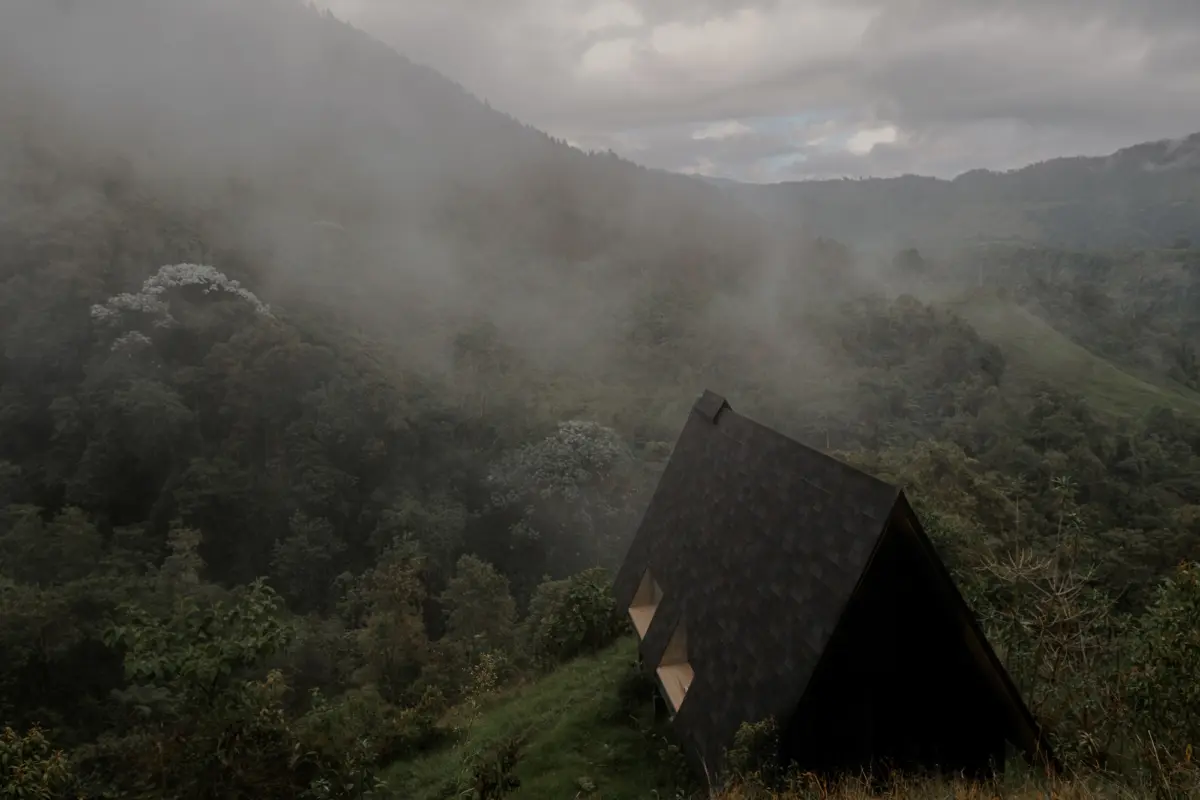
In the lush, mist-shrouded rural highlands of Villamaría, Caldas, Colombia, a profound environmental and architectural healing process is underway. Titled "Water Stories" (Cuentos de agua) in English and originally presented as Cuentos de agua by the design firm AR-AR Martínez Arquitectura y Paisaje, this landscape and architectural initiative seeks to reverse decades of ecological degradation.
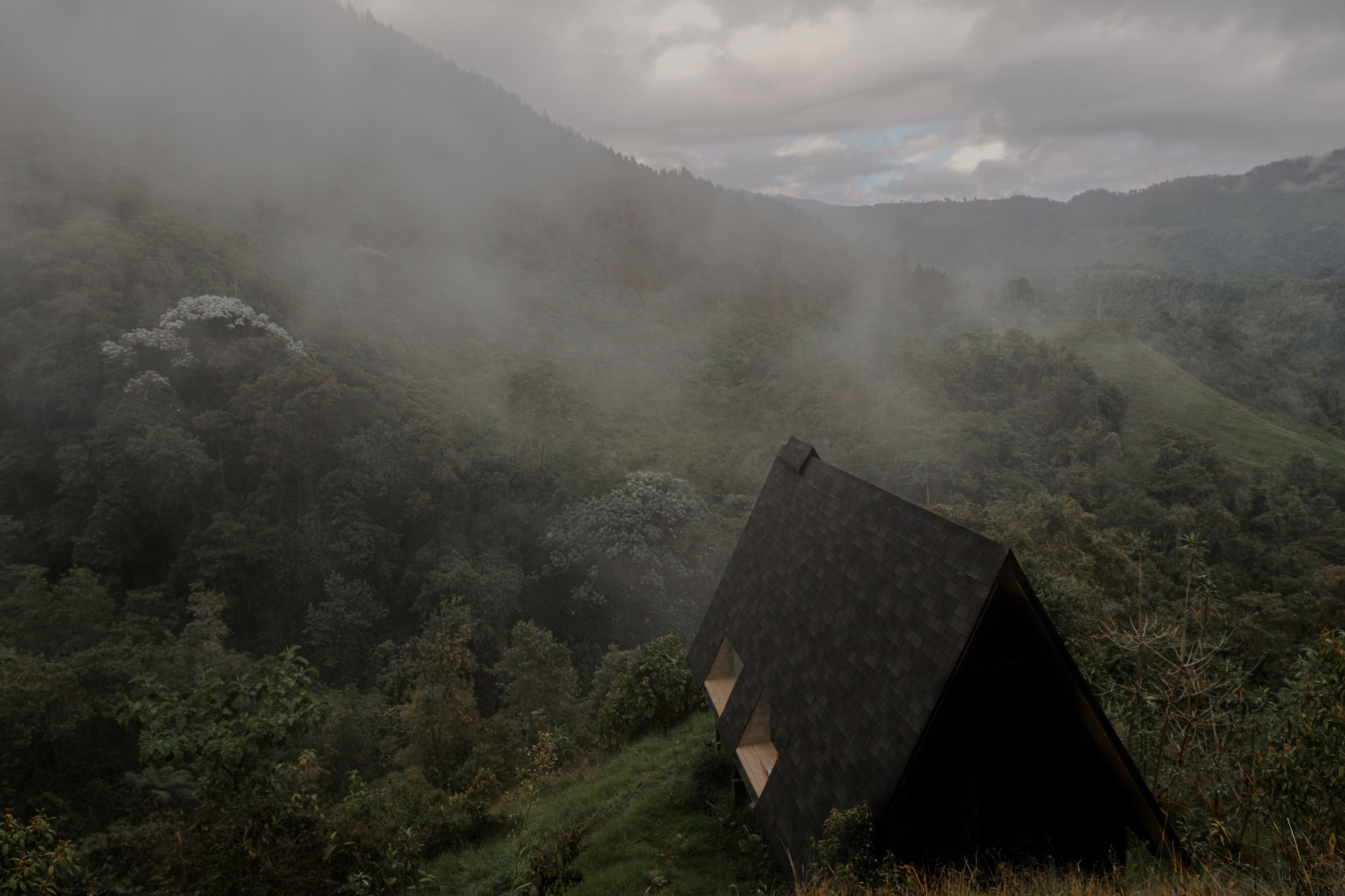
At the heart of the project is Campano Frío, a strategically chosen site located along the ecologically significant Ruta del Cóndor (Condor Route). Geographically, the property sits within the delicate ecosystems of the Río Claro sub-basin and the broader Río Chinchiná basin—a critical hydrological network that supplies water to the surrounding communities.
For generations, this land suffered from intensive cattle grazing. The practice required the systematic clearing of native high-altitude cloud forests, replacing rich, biodiverse ecosystems with invasive pasture grasses that disrupted local hydrology, compacted the soil, and fractured the wildlife corridors native to the Andean slopes.
To combat this, AR-AR Martínez Arquitectura y Paisaje has spearheaded a comprehensive landscape intervention centered on ecological reforestation and water restoration. Rather than imposing a heavy industrial or urban footprint onto the landscape, the architects introduced a pair of low-impact contemplation shelters—intimate architectural interventions designed to foster human connection with the recovering natural world without disturbing its fragile equilibrium. Supported by stunning visual documentation from photographers Teodoro Posada and Valentina Curró, the project serves as a physical manifestation of regenerative design, proving that architecture can act as a catalyst for environmental recovery.
Chronology of the Campano Frío Intervention
The realization of Water Stories did not happen overnight; it represents the culmination of a multi-phase vision for ecological restoration, land stewardship, and mindful architectural placement.
- Pre-Project Era (Decades Prior): The Campano Frío site undergoes heavy deforestation to accommodate cattle ranching. Over time, native cloud forest flora and fauna are displaced by aggressive invasive grasses, altering the natural water retention capabilities of the Río Claro sub-basin.
- Phase I: Ecological Assessment and Land Acquisition: AR-AR Martínez Arquitectura y Paisaje evaluates the degraded landscape along the Ruta del Cóndor. Recognizing the site’s immense hydrological and ecological value, the team formulates a master plan focusing on soil stabilization, the eradication of invasive pasture species, and the reintroduction of native cloud forest flora.
- Phase II: Reforestation and Hydrological Mapping: Before a single beam of wood is cut or placed, initial reforestation efforts begin. Water pathways, natural springs, and micro-catchments are mapped out to understand how moisture moves through the terrain. Native trees and understory plants are reintroduced to rebuild the sponge-like capacity of the cloud forest soil.
- Phase III: Architectural Integration (Design and Siting): The design team conceptualizes the contemplation shelters—structures intended to blend seamlessly into the recovering topography. Careful consideration is given to shadow cast, drainage, and minimal ground disturbance to protect the newly revitalized root systems and wildlife habitats.
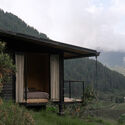
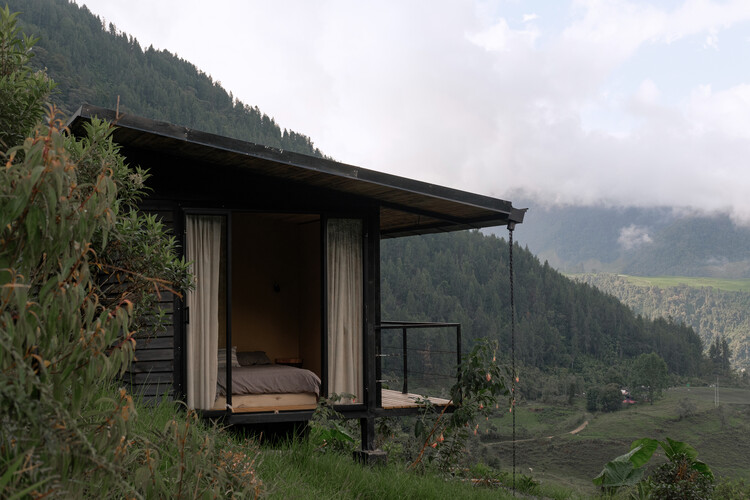
- Phase IV: Construction of the Contemplation Shelters: Using sustainable, locally sourced materials (predominantly wood), builders assemble the shelters on-site with a minimal carbon footprint. The structures are positioned to frame specific views of the forest, the sky, and moving water, earning them descriptive local identities such as the bird-watching cabin (Cabaña Aves) and the lookout cabin (Cabaña Mirador).
- Phase V: Ongoing Monitoring and Maturation (Present Day): Photographers Teodoro Posada and Valentina Curró document the completed project, capturing how the architecture coexists with the thriving, newly restored landscape. Today, the project functions as a living laboratory for Andean ecosystem recovery and sustainable rural tourism.
Supporting Data and Environmental Context
To fully understand the weight of the Water Stories initiative, one must examine the ecological vulnerabilities of the Andean cloud forest and the specific metrics of the intervention area:
- Geographical Coordinates: Located in the municipality of Villamaría within the Department of Caldas, Colombia.
- Ecological Zone: High-altitude Andean cloud forest, part of the neotropical realm known for its exceptional biodiversity and high endemic species count.
- Hydrological Significance: Situated at the intersection of the Río Claro sub-basin and the Río Chinchiná basin. These watersheds are critical for regional water security, supplying clean water downstream for both human consumption and agricultural use.
- Corridor Importance: The property sits directly on the Ruta del Cóndor, an ecological corridor historically used by the endangered Andean Condor (Vultur gryphus) and various other high-altitude fauna.
- Land-Use Transition: Converts cattle-grazed pastureland—which typically leads to high soil compaction and rapid runoff—back into a multi-layered forest canopy capable of intercepting mist, capturing atmospheric moisture, and replenishing underground aquifers.
- Architectural Typology: Low-impact wooden contemplation shelters (cabañas de contemplación), elevated or minimally anchored to preserve natural drainage channels and prevent soil erosion.
Official Responses and Perspectives from the Architects
While direct formal press releases from traditional municipal bodies are often dry, the design philosophy articulated by the team at AR-AR Martínez Arquitectura y Paisaje offers profound insight into the ethos driving Water Stories.
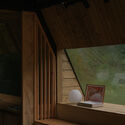
The architects approach landscape architecture not merely as the arrangement of plants and hardscapes around a building, but as a healing art. In their conceptual notes, they emphasize that water tells a story—one written through topography, rainfall, mist capture, and runoff. When humanity alters a landscape through aggressive cattle ranching, that story becomes one of erosion, drought, and ecological silence.
By introducing the contemplation shelters, the studio aims to rewrite this narrative. According to project curators and design leads, the shelters are intentionally modest in scale. They do not seek to dominate the landscape; rather, they act as lenses through which visitors can listen to the forest.
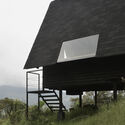
"Architecture in a cloud forest cannot be an act of conquest," design insights suggest. "It must be an act of listening. By stepping lightly on the soil and providing quiet spaces for human observation, we allow the forest to speak, heal, and reclaim its hydrological balance."
Local environmentalists and conservationists along the Ruta del Cóndor have welcomed the project as a breath of fresh air. In a region where economic pressures frequently push landowners toward intensive agriculture or commercial timber farming, Campano Frío demonstrates that private land can be profitably and poetically restored to its wild state without locking humans out entirely. Instead, it invites a symbiotic relationship where humans act as respectful observers rather than exploiters.
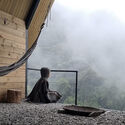
Broader Implications for Andean Architecture and Conservation
The completion and critical acclaim of Water Stories by AR-AR Martínez Arquitectura y Paisaje carry significant implications for the future of rural architecture and ecological restoration throughout Latin America and beyond.
1. Shifting from "Greenwashing" to True Regenerative Design
In recent years, the architectural world has seen an explosion of projects claiming to be "sustainable" simply because they use solar panels or recycled materials. Water Stories goes a step further by embracing regenerative design. The architecture is secondary to the primary mission: repairing a broken ecosystem. The buildings exist solely to support the human appreciation of nature’s recovery, proving that sustainable architecture must look at the macro-level health of the entire watershed and soil biome.
2. The Economic Viability of Ecological Tourism
One of the greatest hurdles to reforestation in Latin America is the immediate loss of income landowners face when removing cattle. Projects like Campano Frío pioneer a new paradigm where restored land paired with low-impact, high-aesthetic architecture (such as contemplation cabins) can generate alternative revenue streams through eco-tourism, bird-watching, and environmental education. This proves that conservation can be economically attractive to private landowners.
3. Hydrological Resilience in the Face of Climate Change
As global weather patterns shift, Andean cloud forests are under unprecedented stress from rising temperatures and changing precipitation cycles. These forests act as natural "sponges," capturing moisture directly from passing clouds and releasing it slowly during dry periods. By converting compacted pastures back into multi-tiered cloud forests, AR-AR Martínez Arquitectura y Paisaje is directly contributing to local climate resilience, ensuring that downstream communities maintain a stable water supply.

4. A Blueprint for Future Rural Interventions
The success of the Campano Frío project sets a high standard for future architectural and landscape interventions along the Ruta del Cóndor and similar ecological corridors. It demonstrates that architects must act as landscape ecologists, hydrologists, and sociologists all at once. By respecting local histories of land use while introducing sensitive, poetic structures, firms like AR-AR Martínez Arquitectura y Paisaje are charting a hopeful course for the future of Andean design—one where human habitation and wild nature finally learn to coexist in harmony.
