

Published: August 12, 2026
Author: Reyyan Dogan (Adapted for ArchDaily)
Main Facts
As the global community observes International Youth Day on August 12, 2026, the United Nations has centered the annual observance on the theme "Different Contexts, Common Aspirations." This year’s focal point underscores a profound global reality: while nearly 1.3 billion young people aged 15 to 24 inhabit radically diverse social, economic, and geographic landscapes, their core aspirations remain strikingly universal. Across both urban metropolises and marginalized frontiers, youth continue to demand dignity, economic opportunity, meaningful civic participation, quality education, and a sustainable, climate-resilient future.
In the architectural realm, this theme translates into an urgent call to action. The built environment is not a neutral backdrop; it is an active determinant of social mobility, psychological well-being, and community resilience. For the 2026 commemoration, architectural discourse has pivoted toward evaluating how spatial design either enables or stifles the potential of younger generations. The conversation spans multiple typologies—ranging from modular, inclusive educational facilities in displacement zones to radical co-living models addressing global housing crises, and from community-led public spaces in the Global South to high-tech, sustainable vernacular experiments utilizing 3D-printed earth.
Chronology: The Evolution of Youth-Centric Architecture
To understand how contemporary architecture addresses the needs of youth in 2026, it is essential to trace the historical milestones that shifted architectural priorities from top-down modernist planning to participatory, context-aware design.
- The Post-War Modernist Era (Mid-20th Century): Initial large-scale housing developments and student dormitories focused strictly on functional standardization and mass production. While these projects addressed immediate quantitative shortages following global conflicts, they largely neglected social cohesion, cultural nuances, and the specific psychological needs of developing youth.
- The Turn Toward Participatory Design (Late 20th Century): Grassroots architectural movements began challenging centralized master planning. Architects started recognizing that marginalized youth and local communities possessed vital insights into their own spatial requirements, laying the groundwork for participatory design workshops and community-led urban interventions.
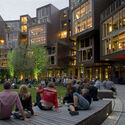
- The Urbanization and Housing Crises of the 2010s: As hyper-urbanization accelerated and housing affordability plummeted across major global economic hubs, young adults found themselves priced out of traditional housing markets. This era witnessed the commercialization and reimagining of co-living, micro-apartments, and shared housing typologies tailored to mobile, temporary lifestyles.
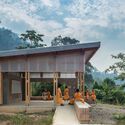
- The Climate and Displacement Era (2020–Present): With compounding climate emergencies, mass migrations, and geopolitical conflicts displacing millions of children and adolescents, architecture has been forced to adapt rapidly. Contemporary projects increasingly focus on modular, trauma-informed learning spaces in borderlands, climate-resilient public parks, and vernacular-modern hybrids that utilize local, low-carbon materials to secure the future of vulnerable youth populations.
Supporting Data and Global Demographics
The urgency of aligning architectural design with youth aspirations is underscored by compelling demographic and socio-economic data compiled by international bodies:

- Global Youth Population: Nearly 1.3 billion people worldwide are aged 15 to 24, representing an unprecedented demographic weight that will dictate global economic consumption, political stability, and environmental stewardship over the coming decades.
- Vulnerability Indices: The 2026 UN initiative draws specialized focus toward youth residing in Least Developed Countries (LDCs), Landlocked Developing Countries (LLDCs), and Small Island Developing States (SIDS). In these territories, geographic isolation, extreme poverty, and severe climate vulnerabilities intersect directly with a lack of digital infrastructure and educational resources.
- The Housing Crunch: In major economic hubs across Spain, France, Australia, and the United States, youth face historic affordability barriers. Traditional homeownership has been deferred by an average of 7 to 10 years compared to previous generations, forcing young professionals and students into overcrowded or precarious rental conditions.
- Educational Deficits: Millions of displaced youth lack access to permanent scholastic infrastructure. Recent case studies highlight that temporary, border-region learning centers built with sustainable, locally sourced materials can boost student retention rates by up to 40% compared to conventional, imported modular units.
Official Responses and Institutional Perspectives
International organizations, architectural unions, and urban theorists have issued strong policy and design mandates in honor of International Youth Day 2026.
The United Nations Perspective
The United Nations reiterates that young people must not be viewed merely as passive beneficiaries of educational policy or charitable housing schemes. Instead, they are designated as co-creators of the future. UN policy frameworks emphasize that sustainable development goals (SDGs) cannot be achieved without embedding youth perspectives into urban planning, climate adaptation strategies, and digital access initiatives.
The International Union of Architects (UIA)
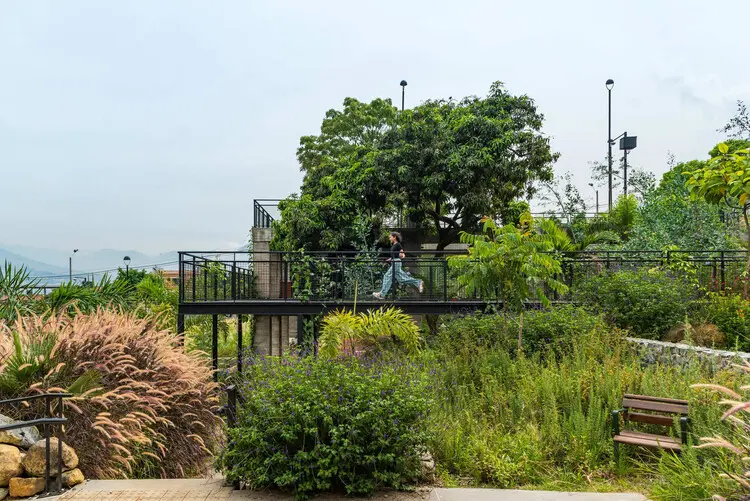
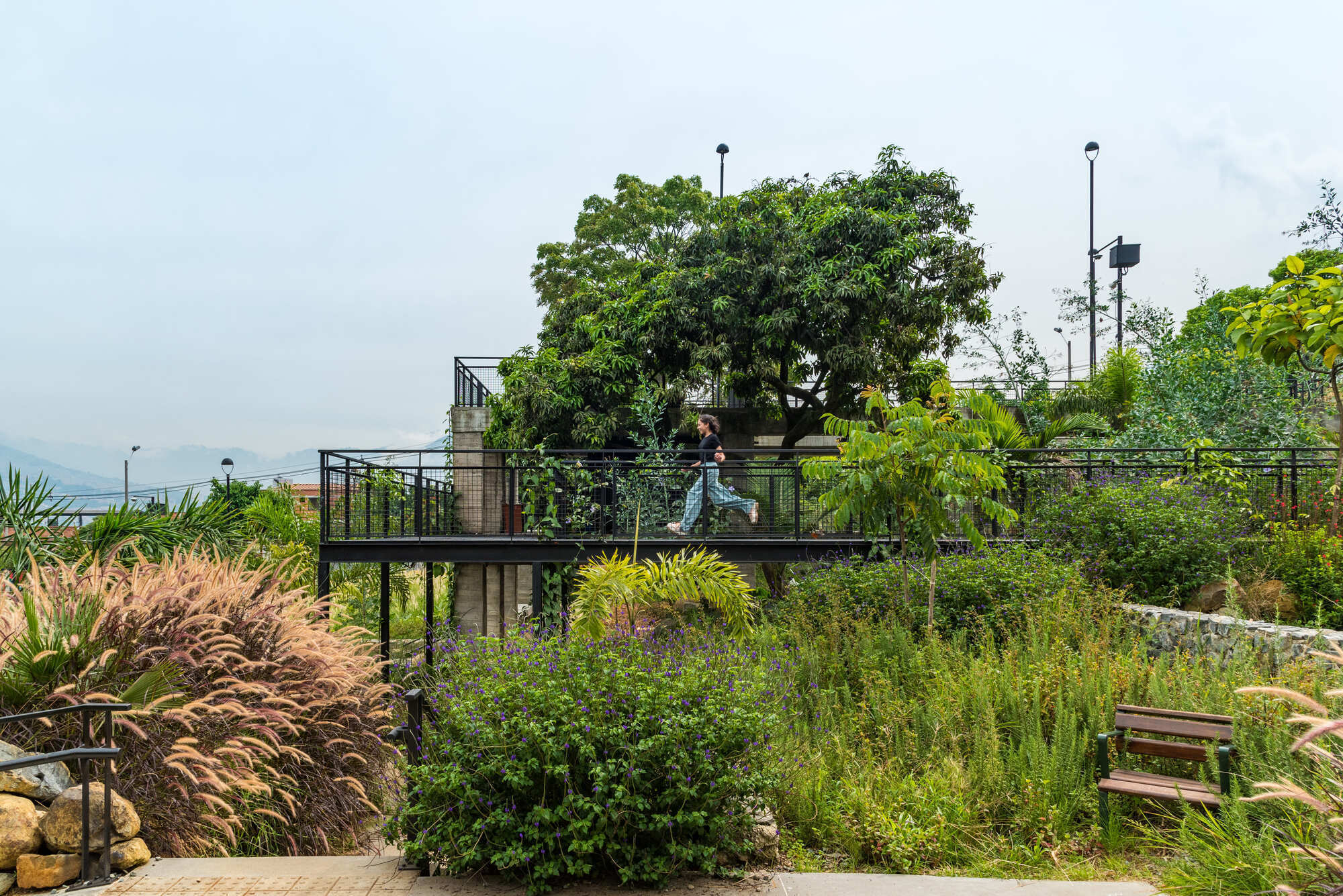
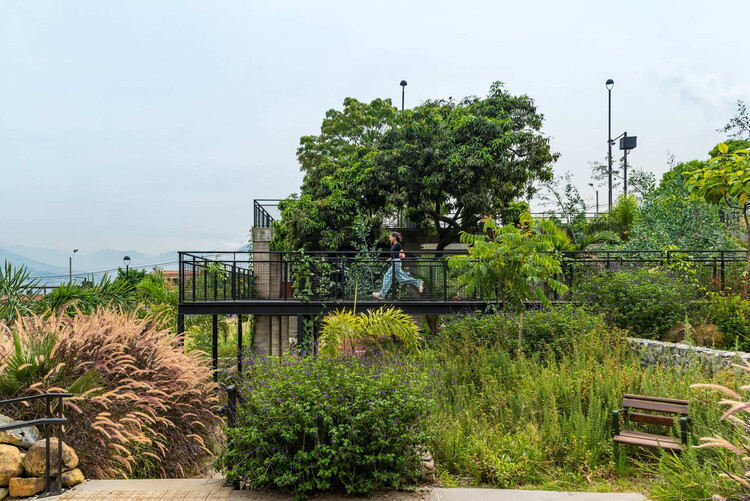
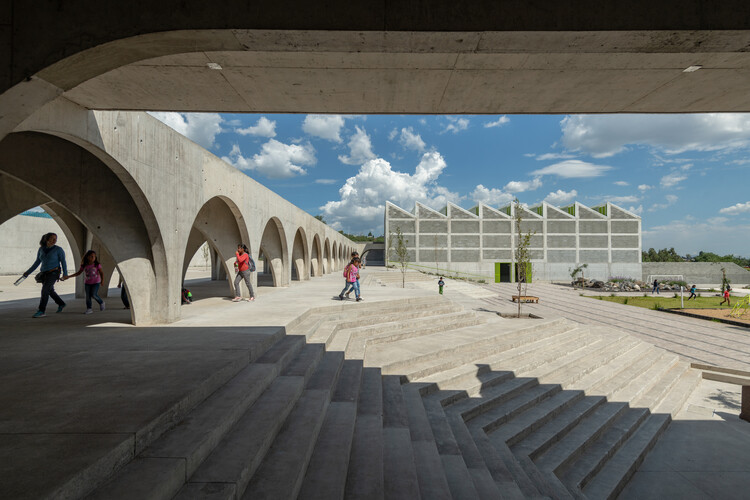
Aligning with recent recognitions such as the UIA 2030 Awards, architectural leaders are advocating for public spaces and housing typologies that foster social integration and environmental resilience. Winning projects—ranging from fish-tail ecological parks in China to landscape-integrated public parks in Colombia (such as Parque Prado by Connatural Arquitectura en el Paisaje)—demonstrate that ecological restoration and youth-friendly community spaces are inseparable.
Implications for the Future of Architecture
As the architectural discipline confronts the realities of 2026, the implications of "Different Contexts, Common Aspirations" demand a profound paradigm shift across multiple domains:
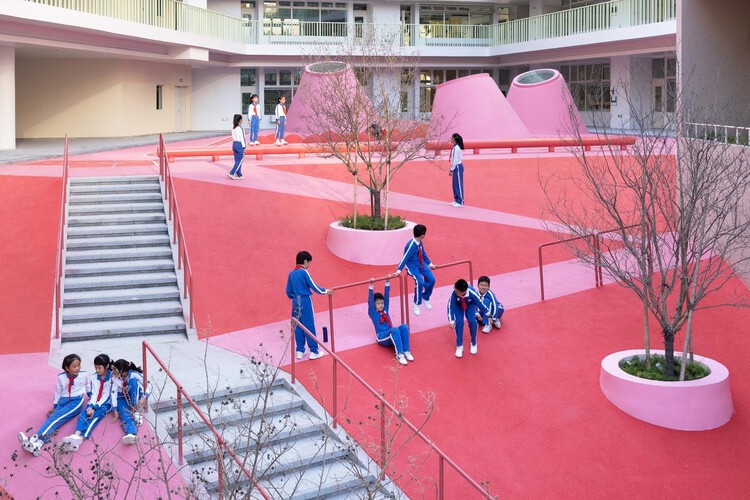
1. Beyond the Classroom: Multifunctional Educational Spaces
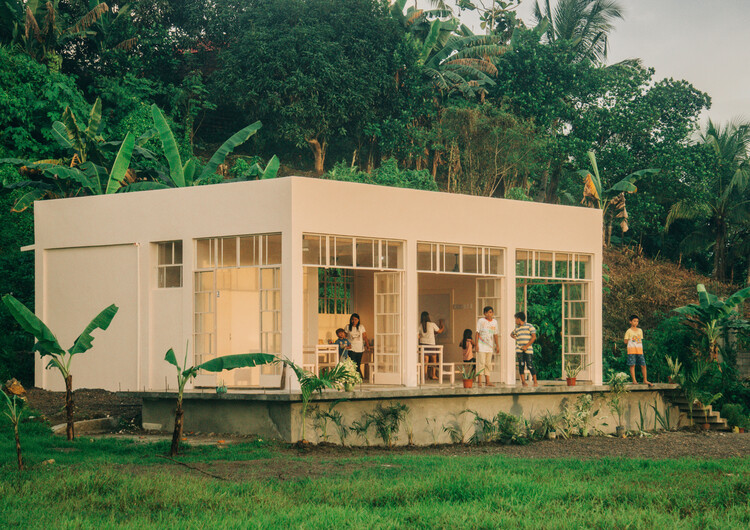
Educational architecture is evolving past the rigid, four-walled classroom model. In communities across the Global South, schools and youth centers are increasingly designed as multifunctional civic anchors. These spaces double as community kitchens, digital hubs during off-hours, and disaster shelters during climate emergencies. By designing with young users rather than merely for them, architects foster a powerful sense of ownership, civic identity, and emotional well-being.
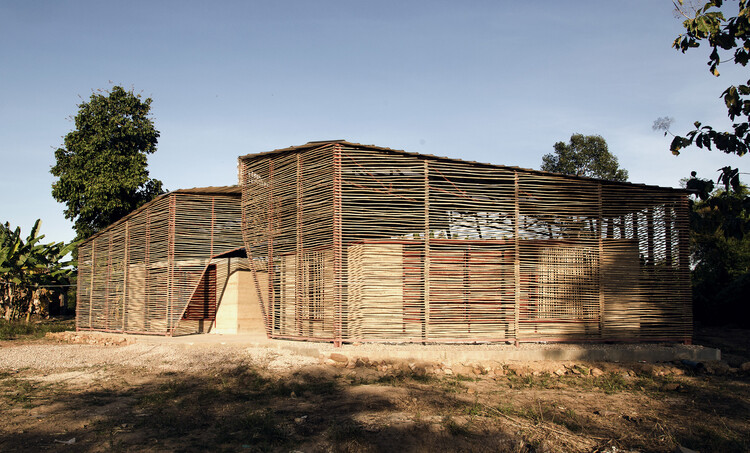
2. Radical Affordability and the Reshaping of the Home
The collapse of traditional housing accessibility has permanently altered how young adults live. Co-living models, adaptive reuse of underutilized commercial buildings, and micro-housing developments are no longer niche urban experiments; they are vital economic necessities. Architects are tasked with maximizing spatial density without sacrificing privacy or dignity, creating hybrid private-communal ecosystems that support temporary belonging and mobile career paths.
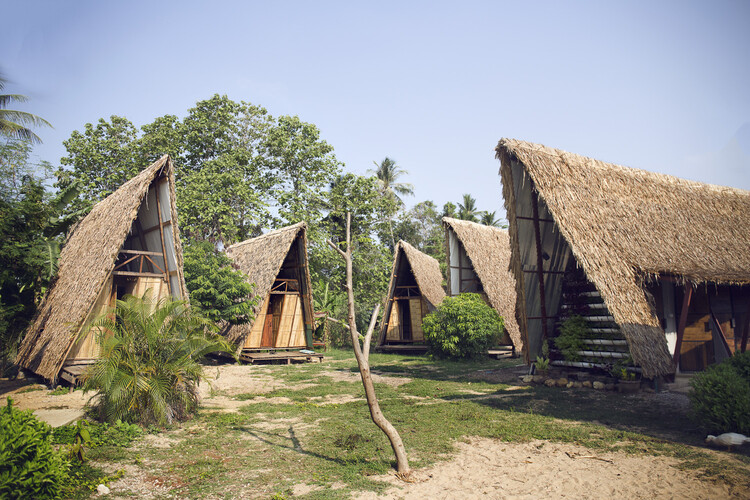
3. Climate Resilience and Vernacular Wisdom
Younger generations will inherit a built environment profoundly altered by ecological instability. Consequently, contemporary design is looking backward to move forward. By marrying ancestral, vernacular knowledge—such as earth-building and passive thermal regulation—with modern digital fabrication tools (like 3D-printed earth structures), architects are discovering low-carbon methodologies that empower local youth to construct their own resilient futures.
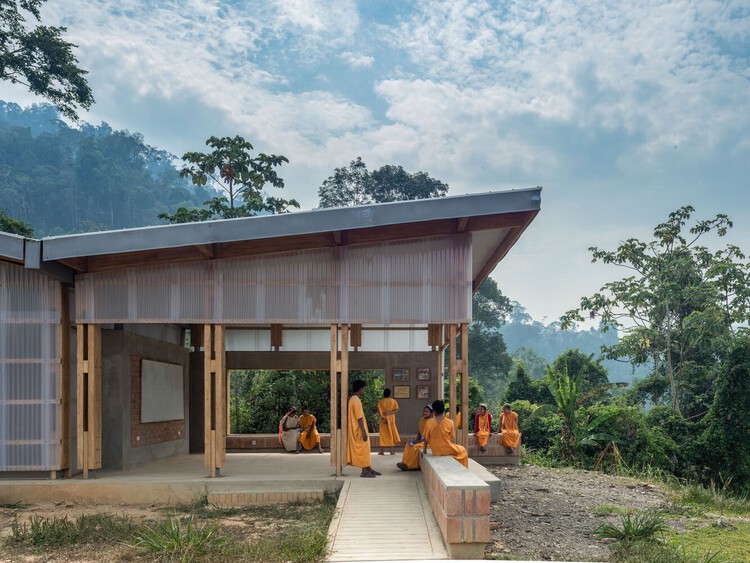
Ultimately, International Youth Day 2026 serves as a stark reminder that architecture’s true metric of success is not aesthetic grandeur, but its capacity to shelter, educate, and empower the human beings who will inhabit tomorrow.
Explore related ArchDaily coverage on global urban milestones, including World Population Day, World Environment Day, Africa Day, and International Mother Earth Day.
