

Main Facts
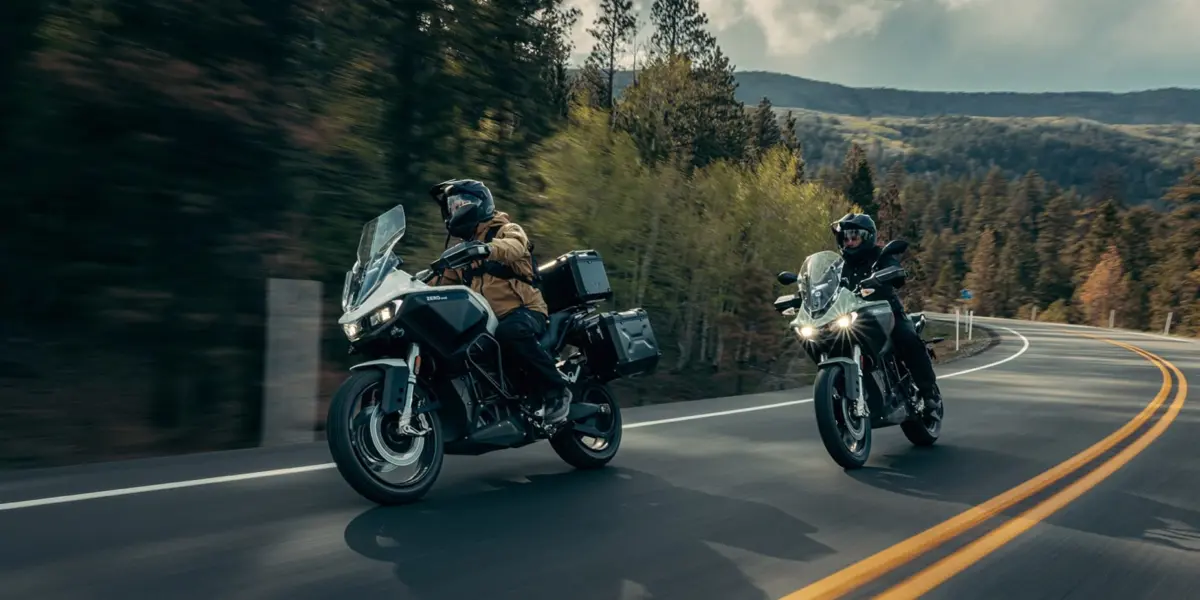
Electric motorcycle pioneer Zero Motorcycles has introduced a targeted financial incentive program designed to capture the hearts and wallets of newly licensed riders across Europe. Dubbed the "New Rider Bonus," the promotional campaign offers direct cash-back rebates to individuals who purchase a brand-new Zero motorcycle or scooter within three months of successfully obtaining their motorcycle license.
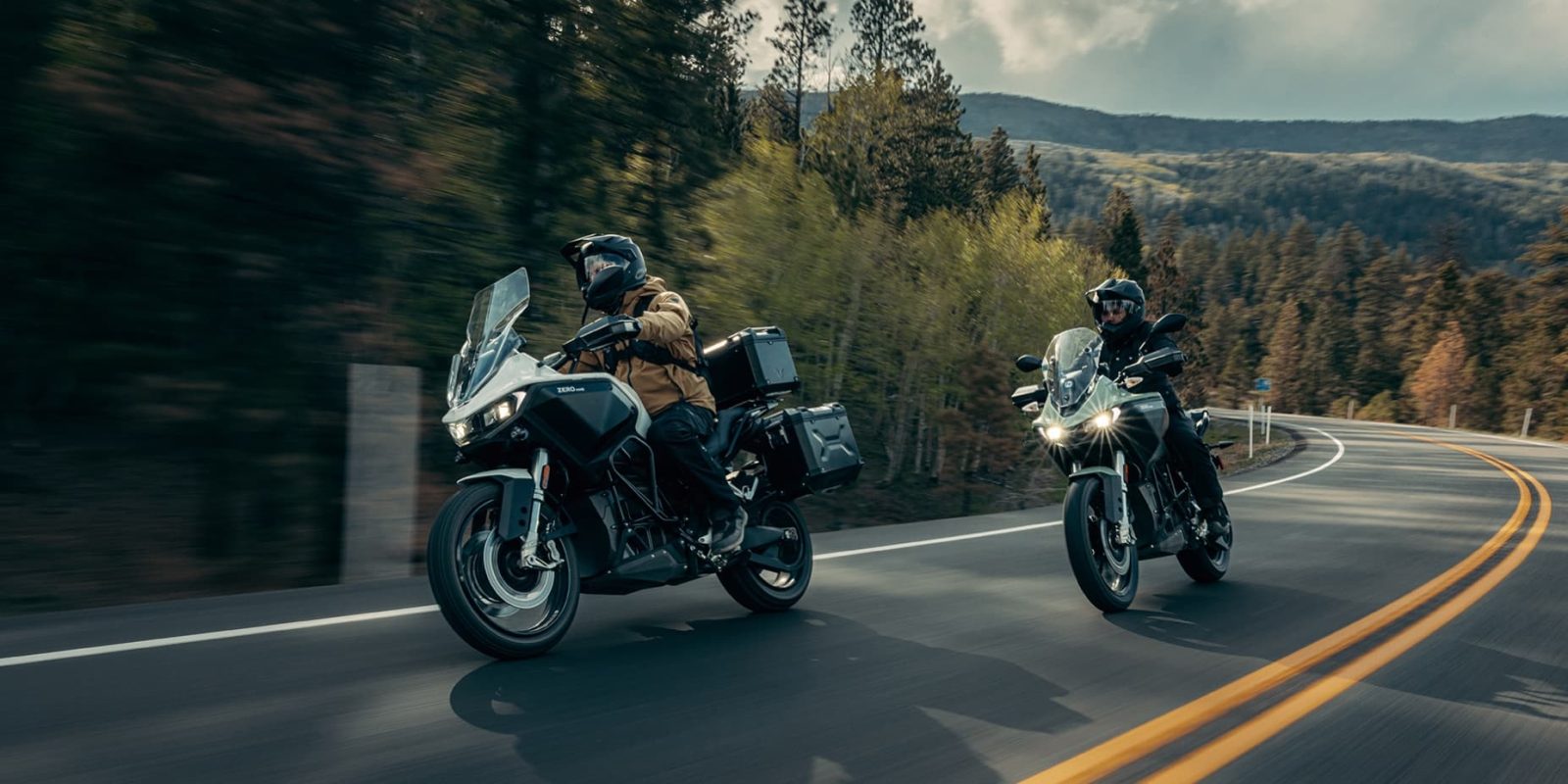
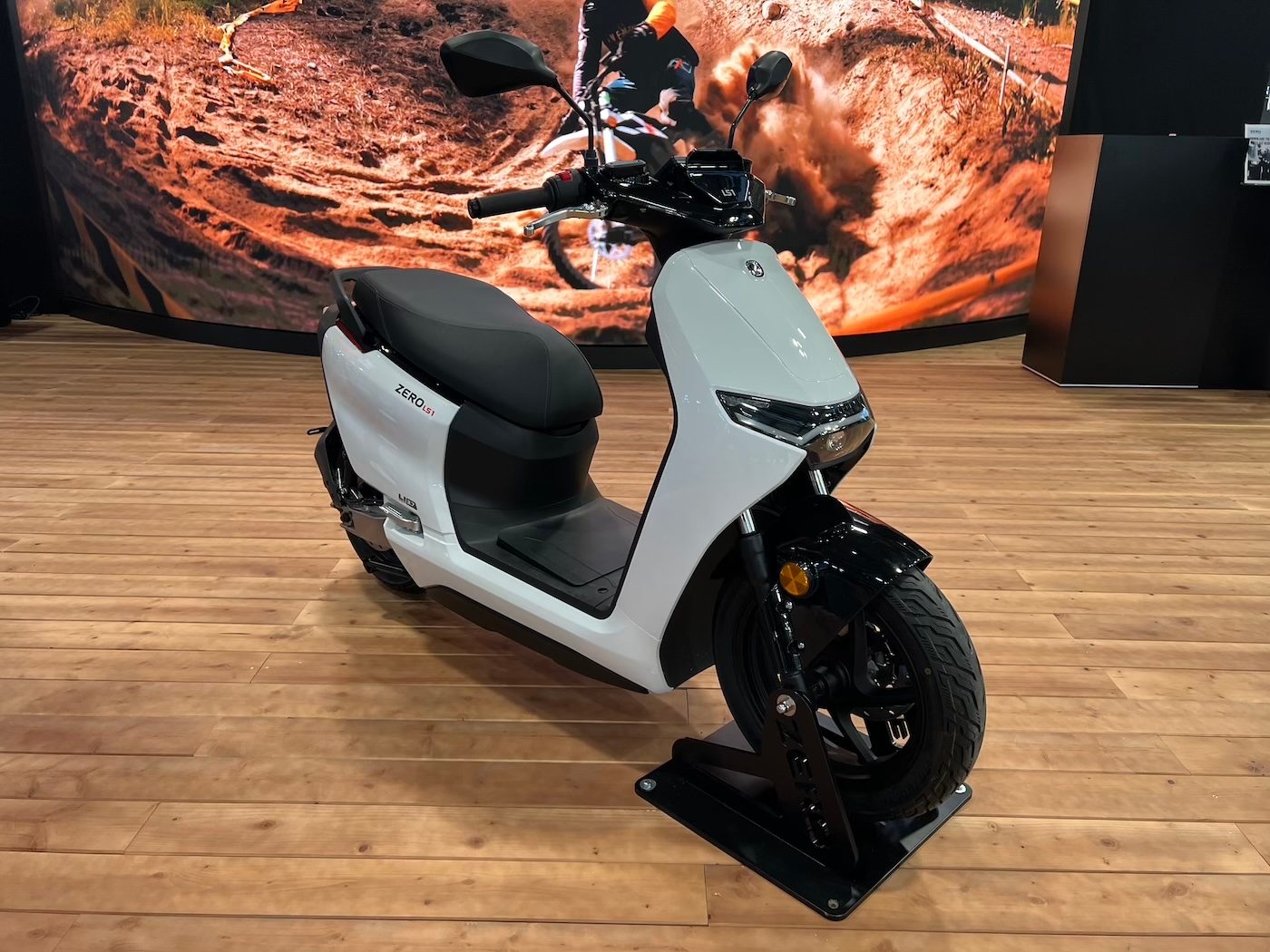
The initiative is split into two distinct tier payouts depending on the vehicle class. Buyers of Zero’s larger, higher-performance flagship models—such as the adventure-focused DSR/X, the sporty SR/F, the versatile S, and the dual-sport DS—are eligible for a €500 cash-back reward (approximately $580 USD). Meanwhile, purchasers of the company’s newer, more compact urban offerings, including the recently unveiled LS1 scooter and the lightweight XE models, will receive a €250 rebate (approximately $290 USD).
Crucially, the program applies to a broad spectrum of European licensing categories and certifications. This includes holders of traditional A1, A2, and full A motorcycle licenses, as well as UK Compulsory Basic Training (CBT) certificates and Irish Initial Basic Training (IBT) credentials. To qualify, customers must purchase a new, unregistered 2025 or 2026 model-year motorcycle from an authorized dealer located in participating countries. The footprint of the program spans major European markets, including:
- Germany
- France
- Italy
- Spain
- United Kingdom
- Ireland
- The Netherlands
- Belgium
- Austria
- Sweden
- Switzerland
- Luxembourg
However, the most controversial aspect of the launch is its geographical limitation. The "New Rider Bonus" is strictly exclusive to Europe, leaving American riders completely excluded from the promotion. This omission has reignited ongoing debates regarding Zero Motorcycles’ shifting corporate priorities away from its domestic roots in the United States and toward a more receptive European market.

Chronology of Events: Zero’s Strategic Shift to Europe
The rollout of the "New Rider Bonus" does not happen in a vacuum; it is the latest milestone in a calculated, multi-step pivot by Zero Motorcycles over the past several years. Understanding the timeline of this corporate evolution sheds light on why the company is heavily investing in European riders while bypassing the US market.
- Pioneering Years in the US (2006–2020): Founded in Santa Cruz, California, in 2006 by a former NASA engineer, Zero spent well over a decade establishing itself as the undisputed leader in the modern electric motorcycle industry. During this period, the company focused its marketing, dealer network expansion, and introductory rider programs heavily within North America.
- The European Regulatory Awakening (2020–2023): As stricter carbon emissions standards, aggressive municipal combustion-engine bans, and robust government subsidies took root across the European Union and the UK, Zero observed a dramatic acceleration in European e-mobility adoption. European sales began to outpace domestic growth, prompting the company to significantly bolster its continental dealer network and localized marketing campaigns.
- The Headquarters Relocation (October 2025): In a watershed moment for the brand, Zero Motorcycles officially announced it was shifting its core corporate headquarters from the United States to Europe. This move signaled to industry analysts that the company viewed its long-term commercial viability as inextricably linked to European infrastructure and policy support.
- Europe-First Product Strategy (November 2025): Cementing its new geographic focus, Zero rolled out a series of exclusive product launches tailored specifically to European demographics. This included the debut of the LS1 electric scooter—a form factor historically far more popular on crowded European streets than American highways—alongside street-legal homologation for its Sur Ron-style electric dirt bikes, a classification explicitly targeted at European urban and trail riders.
- The "New Rider Bonus" Launch (Early 2026): Building directly upon its new European headquarters and product ecosystem, Zero launched the New Rider Bonus. By targeting newly licensed operators precisely during their post-training purchasing window, Zero initiated its most aggressive grassroots customer-acquisition campaign to date—exclusively across European soil.
Supporting Data and Market Analysis
To fully grasp the mechanics and motivations behind Zero’s new incentive program, one must examine the demographic and economic realities of motorcycle licensing and EV adoption in Europe versus the United States.
The Licensing Landscape
In Europe, obtaining a motorcycle license is a structured, tiered process (A1, A2, and A). Young or novice riders routinely enter the market through lightweight scooters or restricted-power motorcycles (such as A2-compliant bikes limited to 35 kW). By structuring the cash-back rebate to cover both lightweight urban commuters (€250) and full-sized motorcycles (€500), Zero is positioning itself at every entry point of the European rider’s journey.
Furthermore, by officially recognizing UK CBT certificates and Irish IBT qualifications—which allow riders on the road with basic training before taking a full test—Zero has captured a massive demographic of absolute beginners who are often shopping for their very first motorized two-wheeler.
Financial and Behavioral Timing
Market data consistently shows that consumer brand loyalty in powersports is established early. A rider who purchases an internal combustion engine (ICE) motorcycle for their first vehicle is statistically far more likely to stick with gasoline-powered brands for subsequent, larger upgrades.
By offering an immediate financial inducement within three months of license acquisition, Zero effectively lowers the barrier to entry for electric powertrains. For a novice rider evaluating the upfront cost of an electric motorcycle versus a traditional petrol bike, a €500 discount paired with the long-term savings of zero fuel and reduced maintenance costs presents a compelling financial argument.
The Contrast in US Adoption Rates
The decision to omit the United States from this incentive program highlights a widening chasm in market conditions:
- Infrastructure and Culture: Europe boasts dense urban centers, widespread public charging infrastructure, and progressive government policies that actively penalize high-emission vehicles while rewarding electric two-wheelers.
- Sales Volumes: While the US market remains fiercely loyal to traditional cruiser and internal combustion heritage brands (such as Harley-Davidson and major Japanese manufacturers), European consumers have demonstrated a much higher baseline acceptance for alternative commuter technologies, electric bicycles, and light electric motorcycles.
Official Responses and Industry Reactions
While Zero Motorcycles has heavily publicized the operational and commercial benefits of the program through its European channels, representatives have framed the initiative as a natural extension of rider education and safety advocacy.
A statement from Zero’s European marketing division emphasized the symbiotic relationship between rider training and vehicle selection: "Someone who has just completed rigorous rider training is at a critical juncture. They are actively evaluating what kind of rider they want to be, what technology they want to trust, and which brand will accompany them on their motorcycling journey. By supporting them right at the finish line of their training, we are making the choice to go electric an easy one."
However, the industry reaction—particularly across digital forums, enthusiast blogs, and North American consumer bases—has been tinged with frustration.
Industry analysts point out that Zero’s pivot is a textbook example of capital allocation following the path of least resistance and highest return on investment. Yet, American electric vehicle advocates have voiced disappointment. On platforms like Electrek and various motorcycle forums, domestic enthusiasts have criticized the brand for neglecting the very consumer base that supported its foundational years.
One prominent US-based motorcycle reviewer noted, "Zero built its reputation on American ingenuity, venture capital, and early adopters in California. To watch the company effectively turn its back on the domestic market—offering cash incentives, headquarters relocations, and exclusive scooters entirely to Europe—feels like a bitter pill for the American riders who championed the brand when electric motorcycles were still viewed as a crazy experiment."

Implications for the Future of Electric Two-Wheelers
The launch of the European "New Rider Bonus" and the broader geopolitical realignment of Zero Motorcycles carry profound implications for the global electric vehicle landscape.
1. The Normalization of Electric as a "First Bike"
By targeting newly licensed riders, Zero is attempting to shift the perception of electric motorcycles. Historically, EVs have been marketed as high-end luxury toys or expensive performance flagships for affluent, experienced motorcyclists. By offering incentives tied to entry-level licenses, A1/A2 tiers, and lightweight scooters like the LS1, Zero is aggressively normalizing electric mobility as an everyday, practical choice for absolute beginners. If successful, this strategy could breed a brand-new generation of riders who have never owned or ridden a gasoline-powered motorcycle.
2. The Acceleration of Zero’s European Identity
For all practical purposes, Zero Motorcycles is completing its metamorphosis into a transatlantic company with a heavily European heartbeat. With its corporate headquarters relocated and product roadmaps increasingly tailored to European homologation, emission standards, and urban mobility needs, future product developments may prioritize European regulatory demands over American highway requirements. This could result in a product portfolio that looks increasingly distinct from what traditional American riders expect or desire.
3. A Warning Sign for the US Electric Powersports Market
The glaring exclusion of the US from the New Rider Bonus program serves as a sobering indicator of the health and strategic priority of the American electric motorcycle market. Without federal purchase incentives comparable to those found in certain European nations, and with slower consumer transition rates away from ICE vehicles, American electric startups and legacy players alike face an uphill battle.

If companies like Zero determine that the US market is stagnant or uncooperative, domestic enthusiasts may find themselves sidelined as manufacturers chase foreign subsidies and regulatory tailwinds. Ultimately, Zero’s new program is more than just a seasonal promotional discount—it is a clear economic signal of where the future of the electric motorcycle industry is currently being written, and unhappily for American fans, that pen is putting ink to paper across the Atlantic.
