

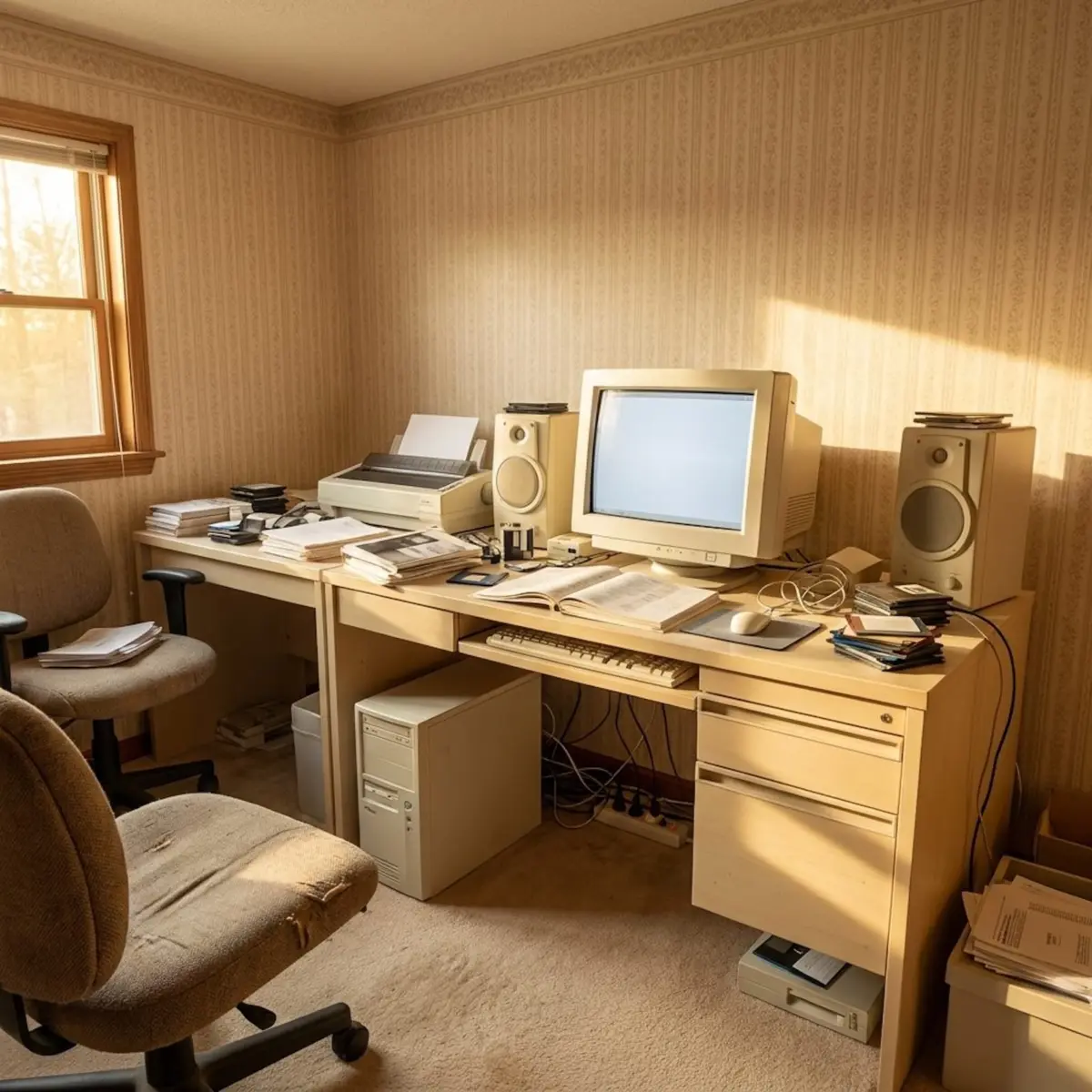
During the 1990s, an unprecedented architectural and technological shift occurred across suburban homes worldwide: the arrival of the personal computer (PC) as an essential household appliance. What began the decade as an expensive, specialized tool for hobbyists and corporate executives evolved into a central household fixture, requiring dedicated real estate within the home.
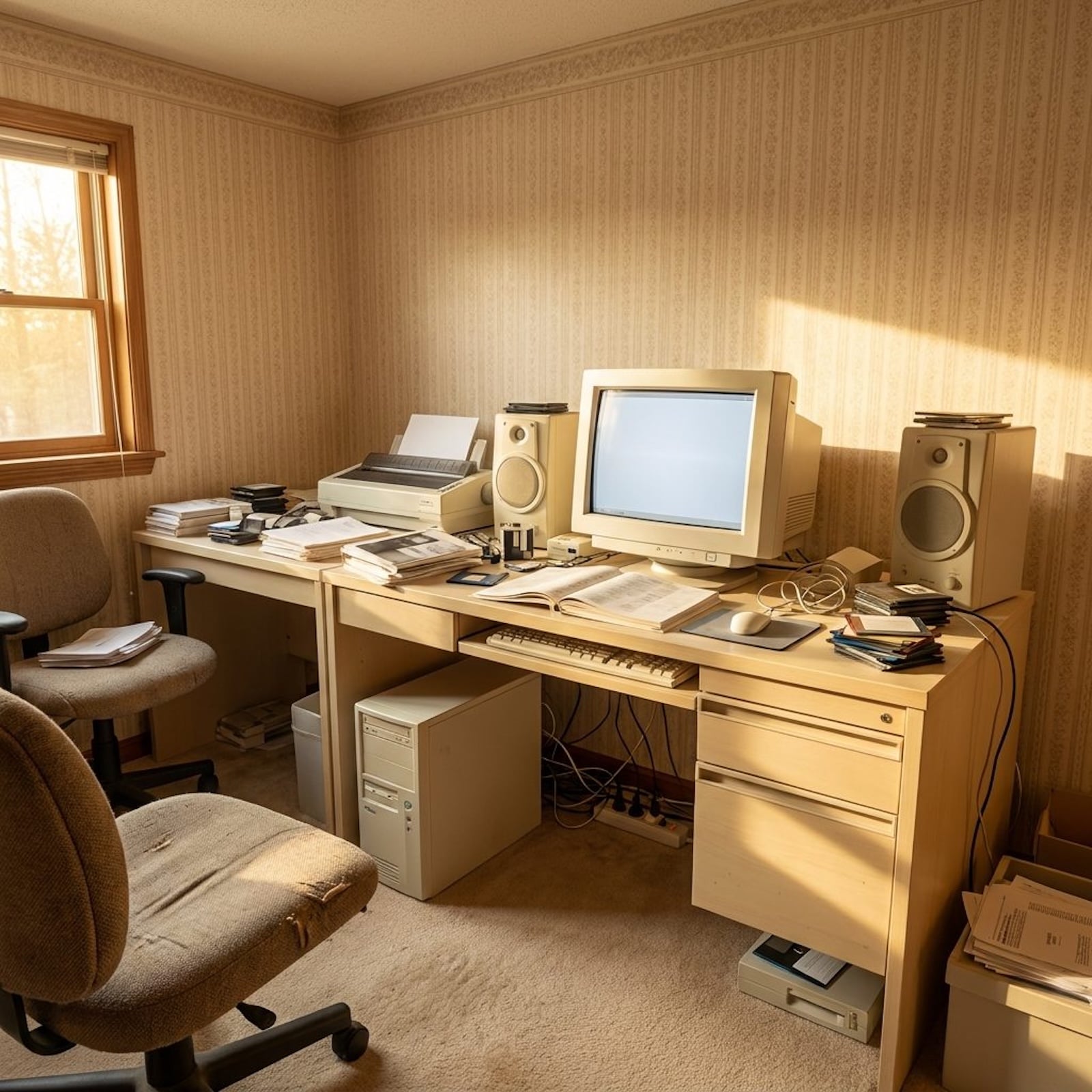
This technological integration reshaped interior floor plans, spurred a boom in flat-pack utility furniture, and established a distinct visual and sensory environment. Characterized by beige desktop towers, heavy cathode-ray tube (CRT) monitors, sprawling cable networks, and the unmistakable acoustic signature of dial-up modems, the 1990s home office served as the transitional bridge between the analog past and today’s hyper-connected, wireless era.
Main Facts: The Industrial Design and Spatial Annexation of the Family PC
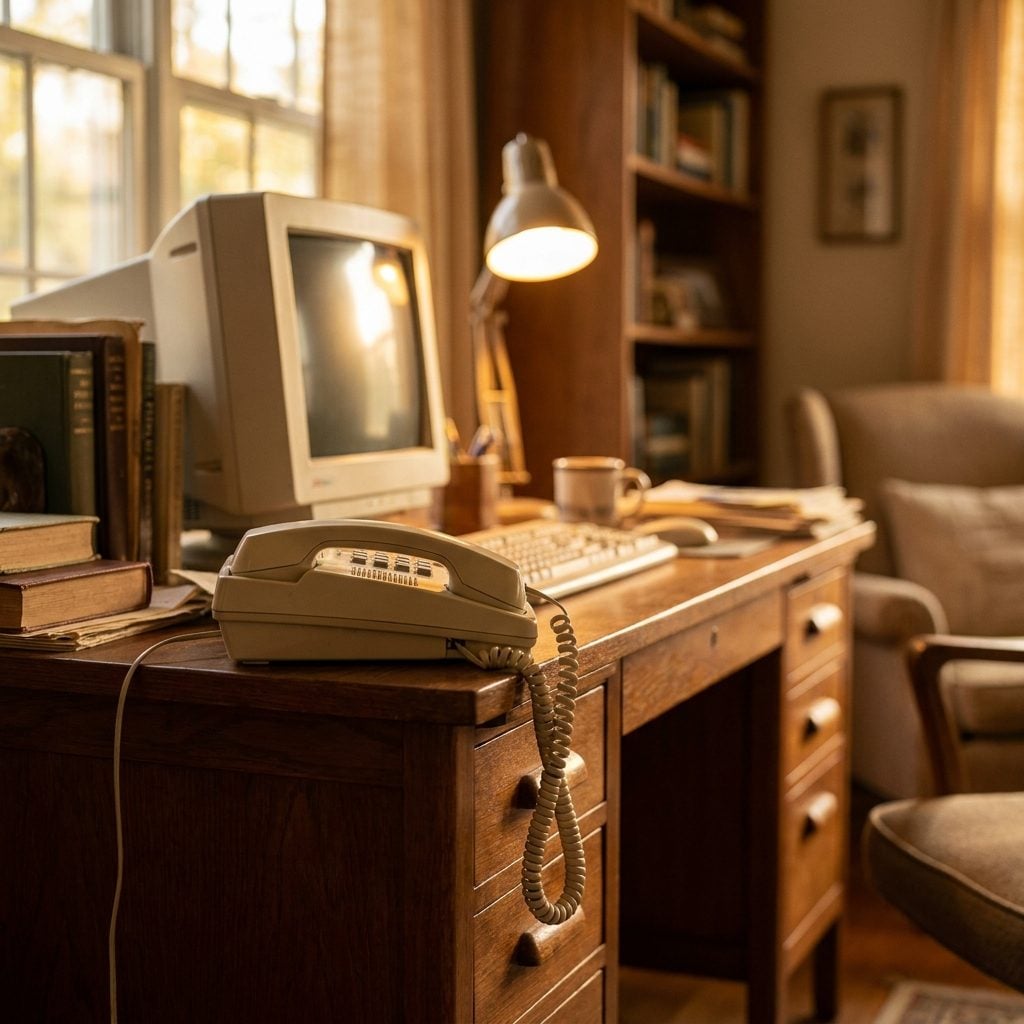
The integration of computing hardware into the residential home required significant structural compromises. Unlike modern laptops and smartphones, which integrate seamlessly into any living space, 1990s personal computers were heavy, modular, and tethered to physical infrastructure.
+-----------------------------------------------------------------------+
|                 1990s HOME OFFICE HARDWARE ECOSYSTEM                  |
+-----------------------------------------------------------------------+
|  [CRT Monitor]        -> Heavy depth, high power, static attraction   |
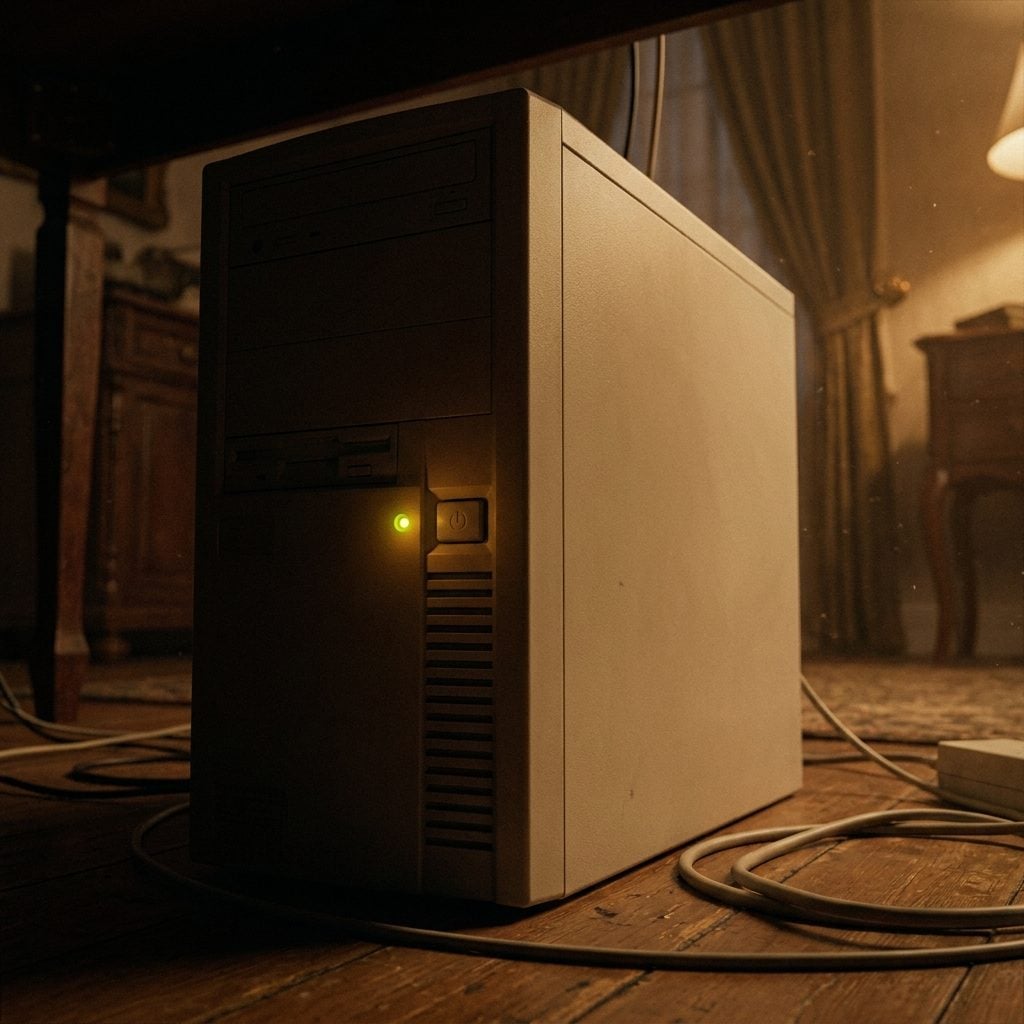
|  [Beige Desktop Tower]-> Modular chassis, mechanical drives, cooling  |
|  [Ball Mouse & Pad]   -> Mechanical tracking, internal maintenance    |
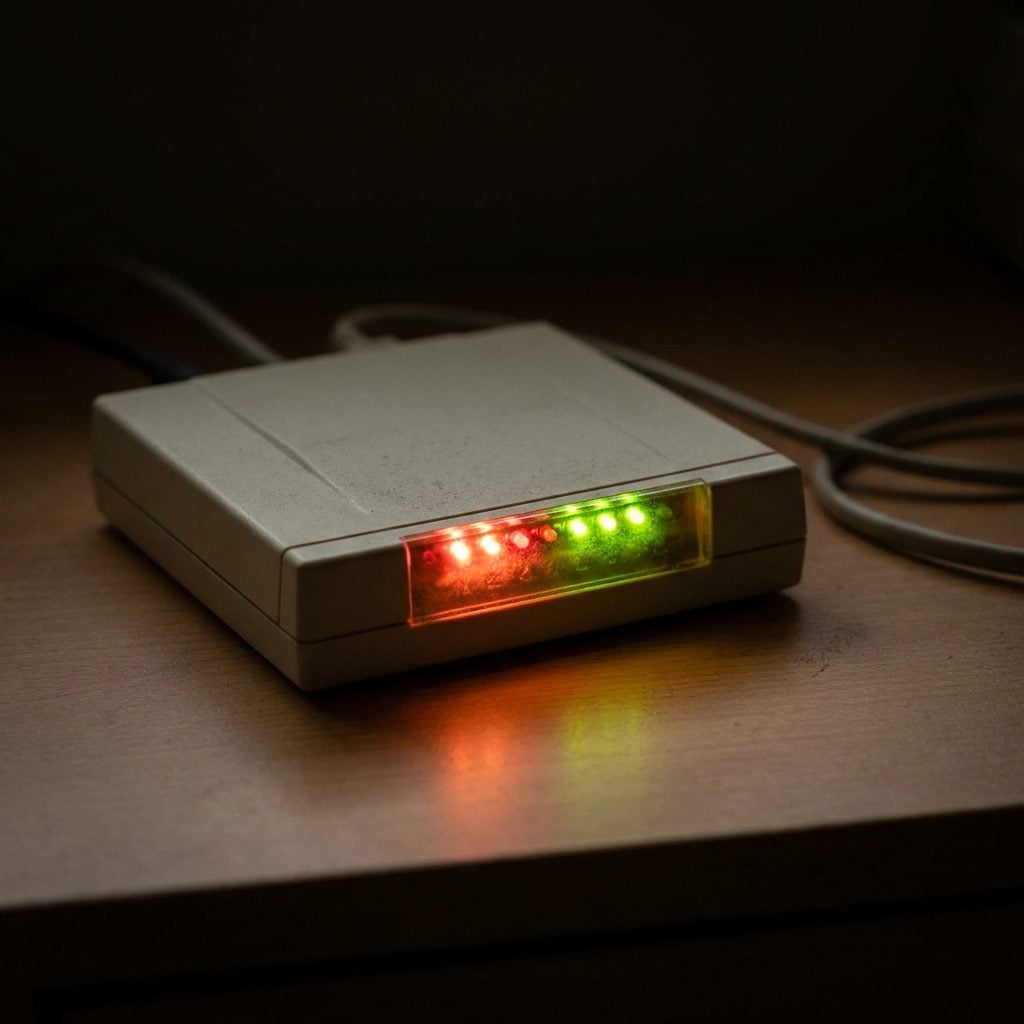
|  [Dial-Up Modem]      -> RJ11 phone line dependent, audible handshake |
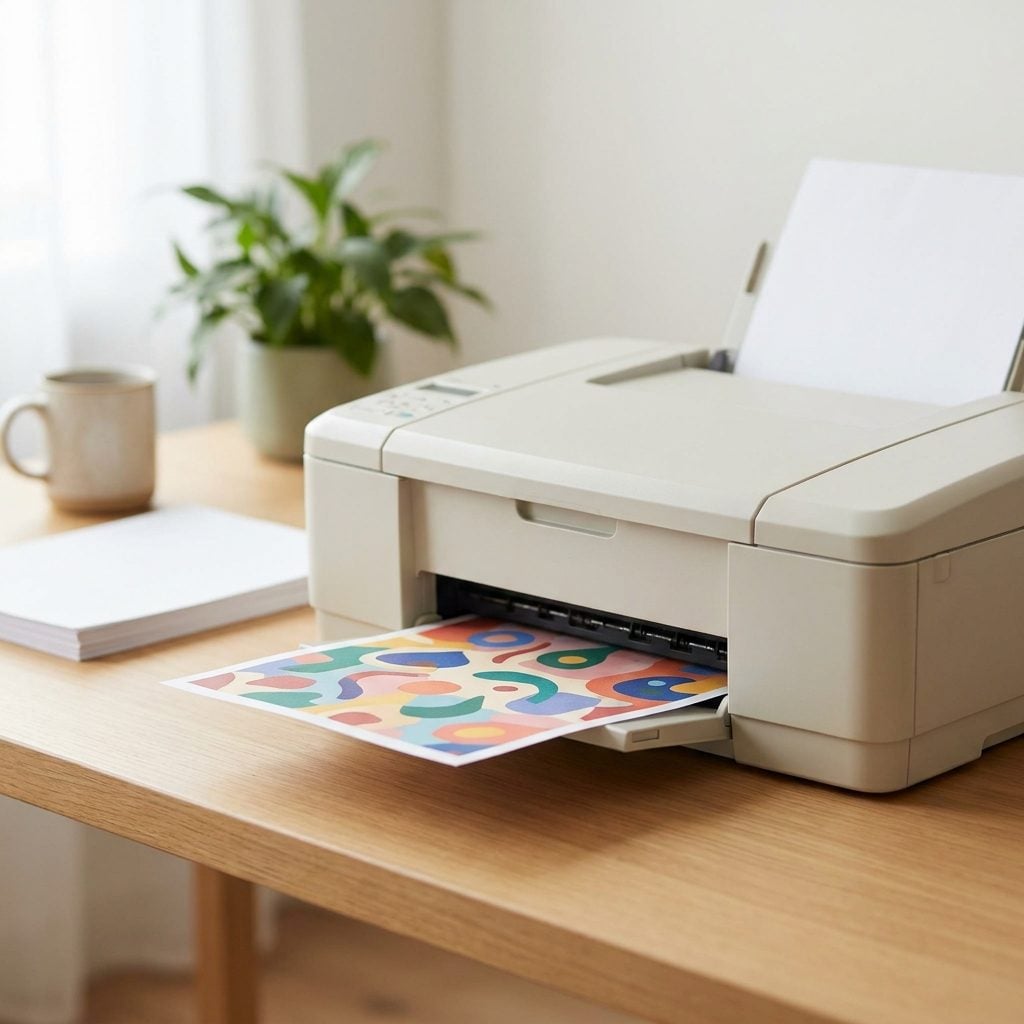
|  [Dot-Matrix/Inkjet]  -> Tractor-feed or early color ink cartridges   |
+-----------------------------------------------------------------------+
Key physical characteristics of this era included:
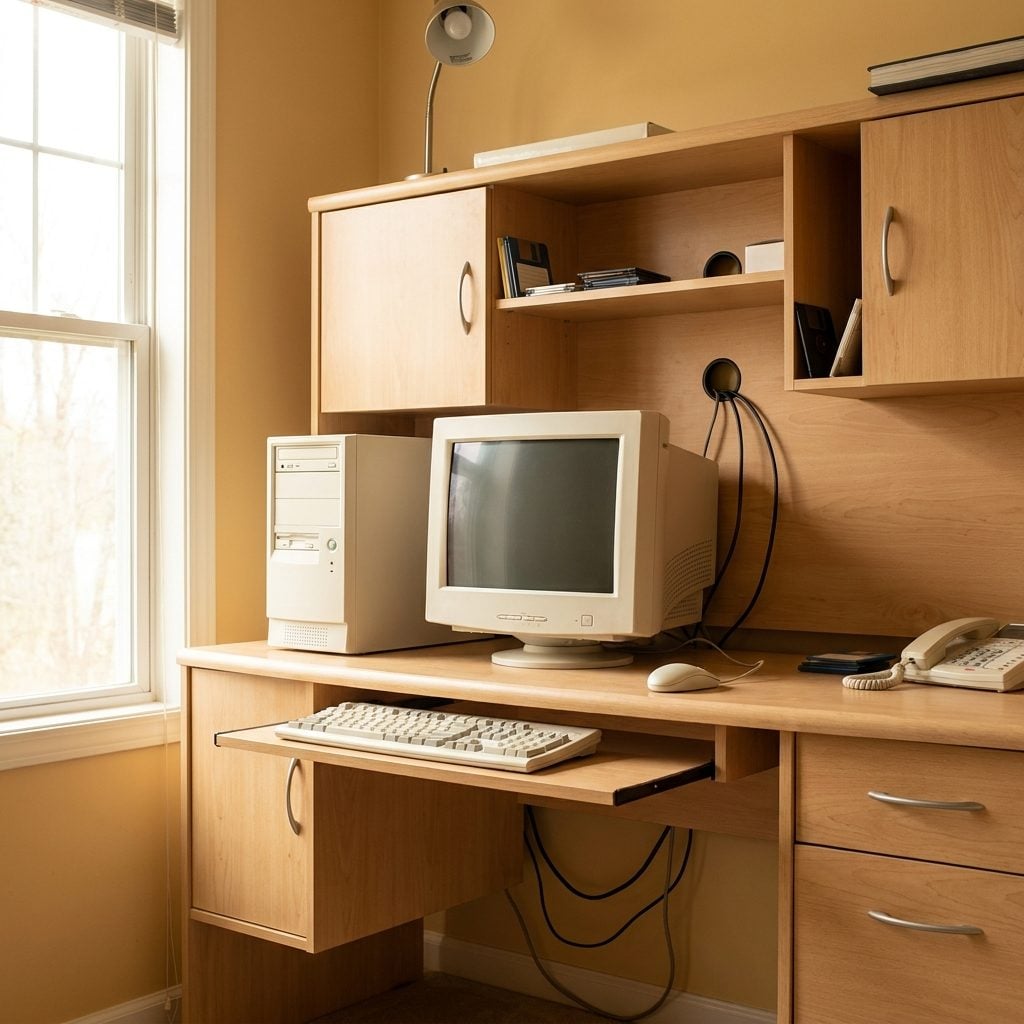
- Standardized Industrial Aesthetics: Desktop chassis, monitors, keyboards, and peripherals were almost universally finished in a muted grey-beige plastic. Over time, exposure to ultraviolet light and internal heat caused the brominated flame retardants in the plastic to oxidize, leaving many setups with a characteristic yellowed patina.
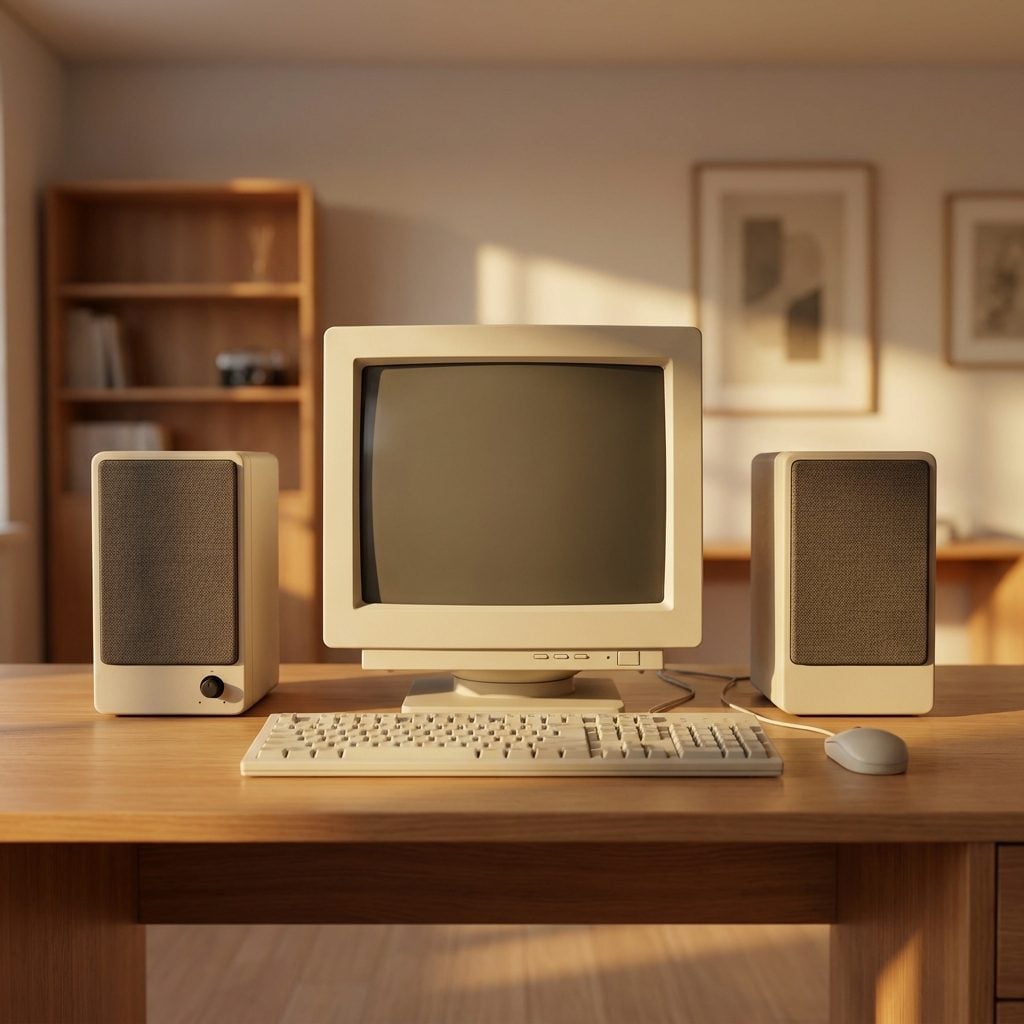
- Spatial Dominance: A complete workstation—comprising a desktop tower, an 80-pound CRT monitor, external stereo speakers, a printer, and an external modem—demanded up to 20 square feet of floor space.
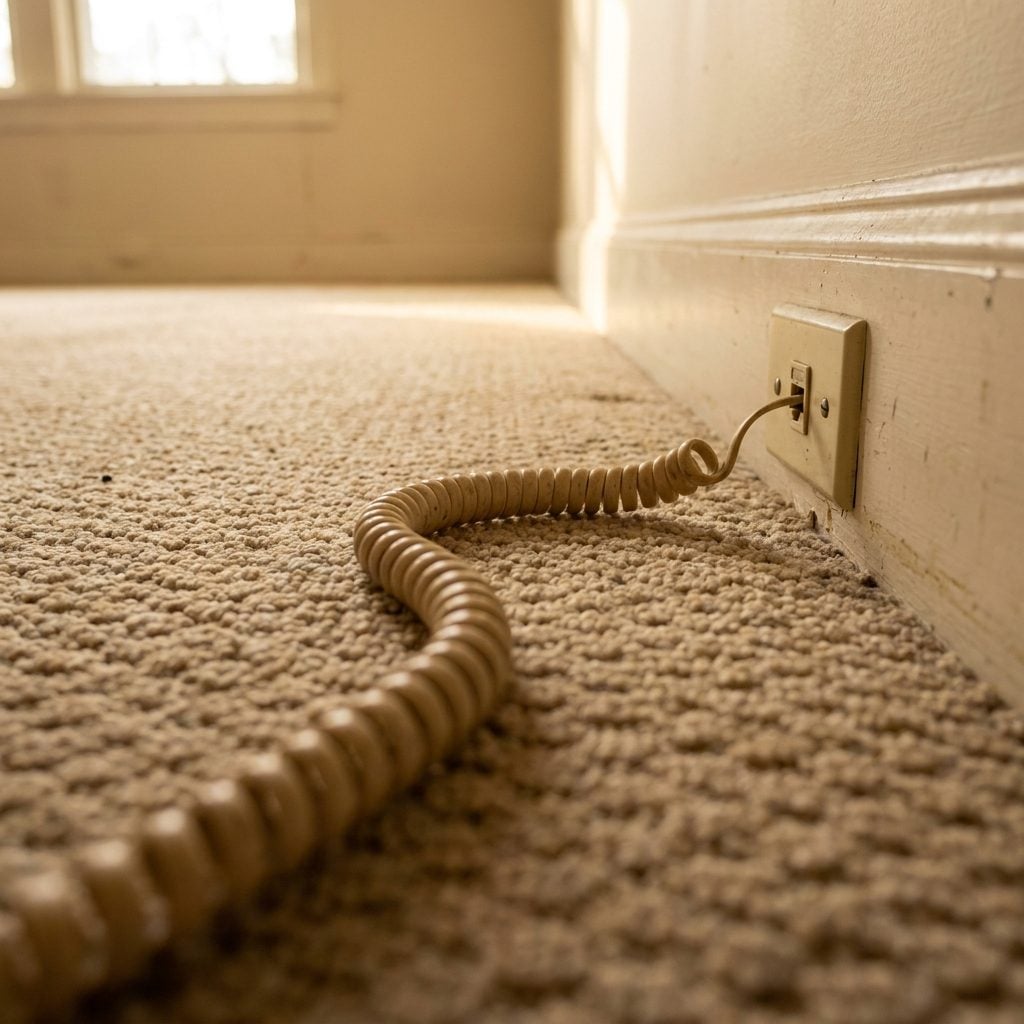
- Utility Infrastructure: Computing required proximity to two critical utility connections: a grounded electrical outlet capable of handling high power draws via surge protector strips, and a standard RJ11 telephone jack for network connectivity.
- The "Computer Room" Paradigm: Because hardware was stationary and noisy, households routinely converted spare bedrooms, dens, or basement corners into dedicated "computer rooms," creating an early iteration of domestic technology headquarters.
Chronology: The Architectural and Technological Evolution (1990–1999)
1990                       1995                       1998             1999
--+--------------------------+--------------------------+----------------+-->
  |                          |                          |                |
  DOS & Windows 3.0          Windows 95 Launch          56k V.90 Standard  Optical Mice
  Floppy Disks (1.44MB)      CD-ROM Mainstream          AOL Mass Mailing    mainstream
  Dot-Matrix Printers        Inkjet Dominance           Shared Family PC   Early Flat
                                                        Peak Era           Panels
Early 1990s: The Standalone Processing Era
At the start of the decade, home computing was primarily an offline activity focused on word processing, spreadsheet management, and early educational software. Systems operated on MS-DOS or early versions of Microsoft Windows (such as Windows 3.0 and 3.1).
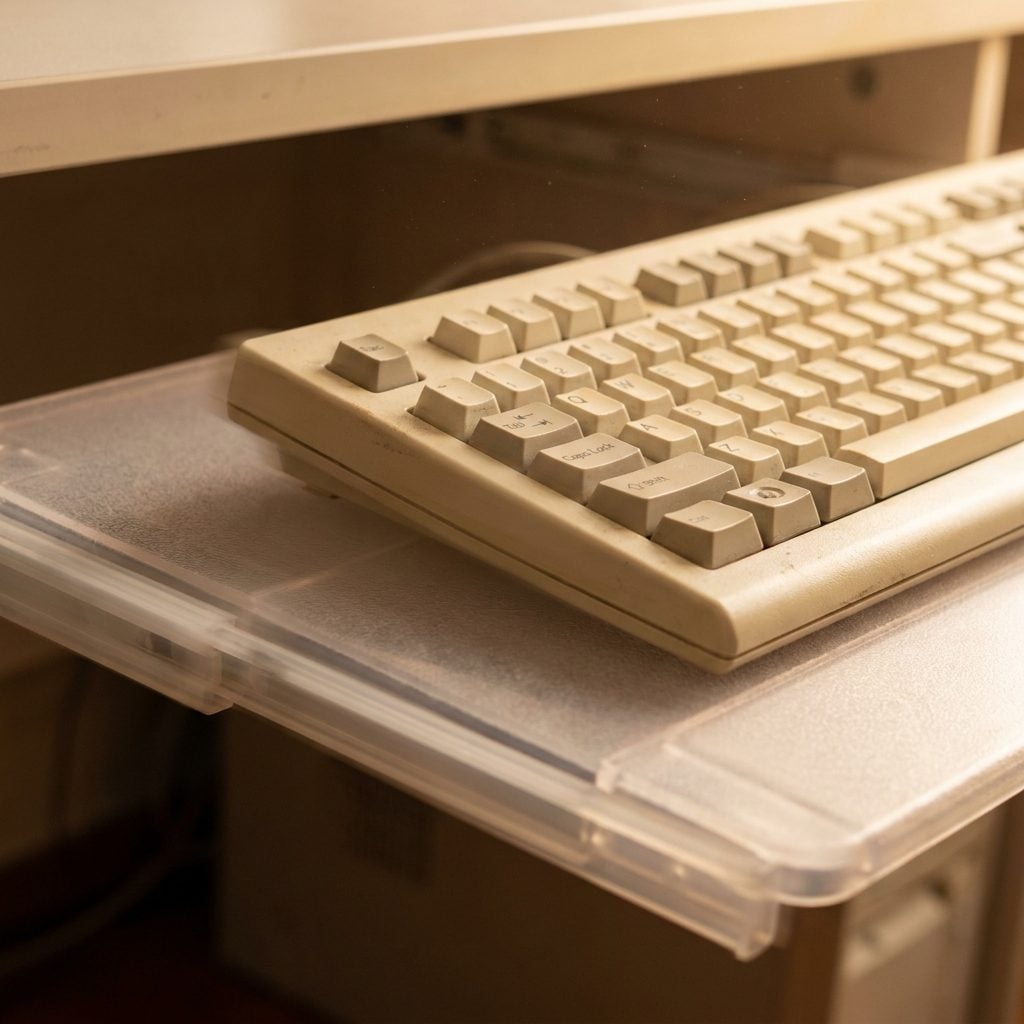
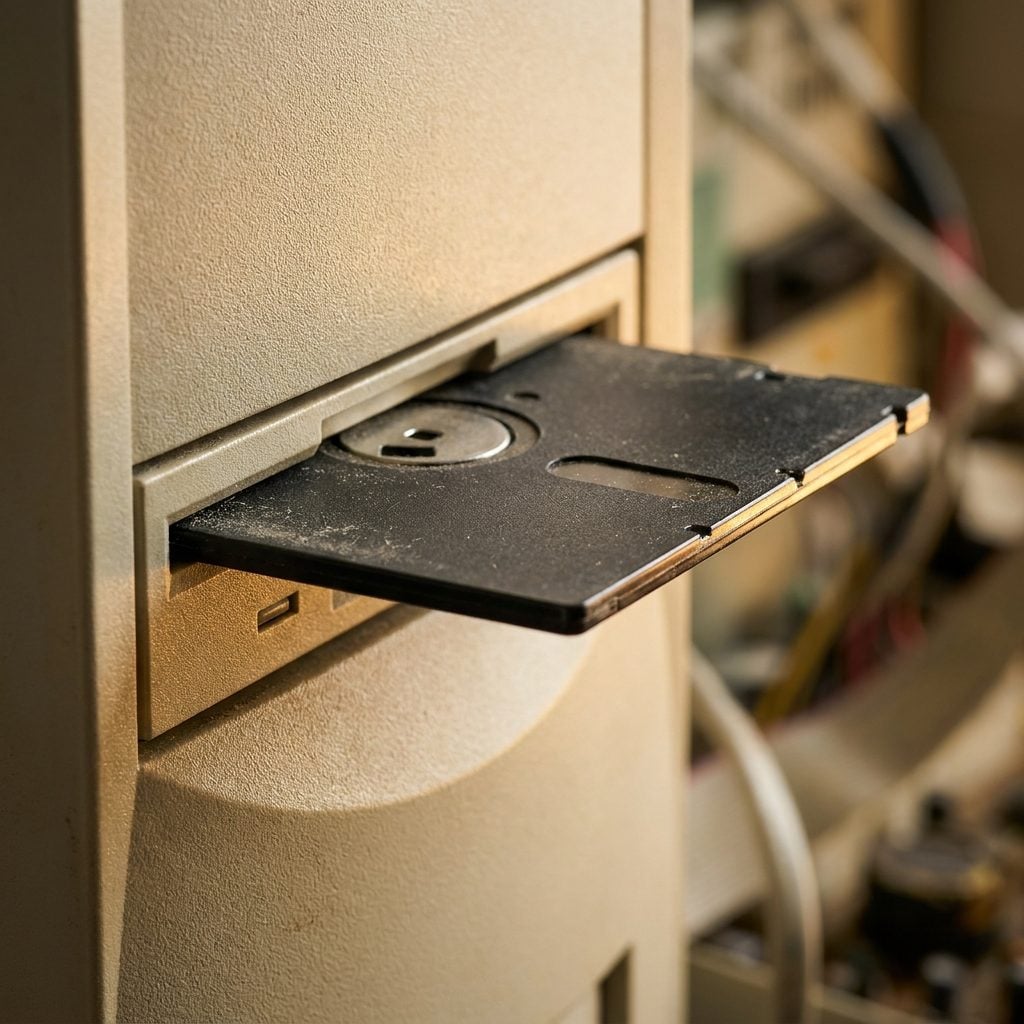
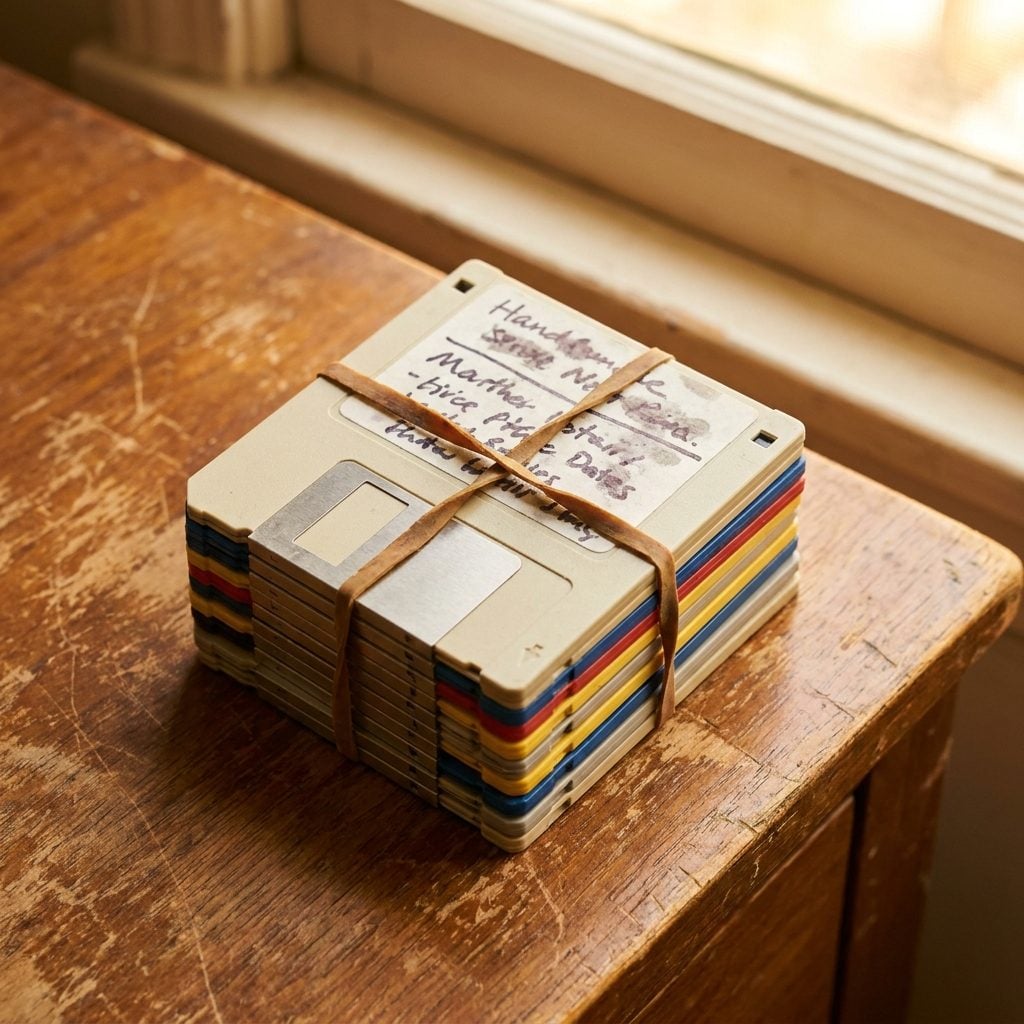
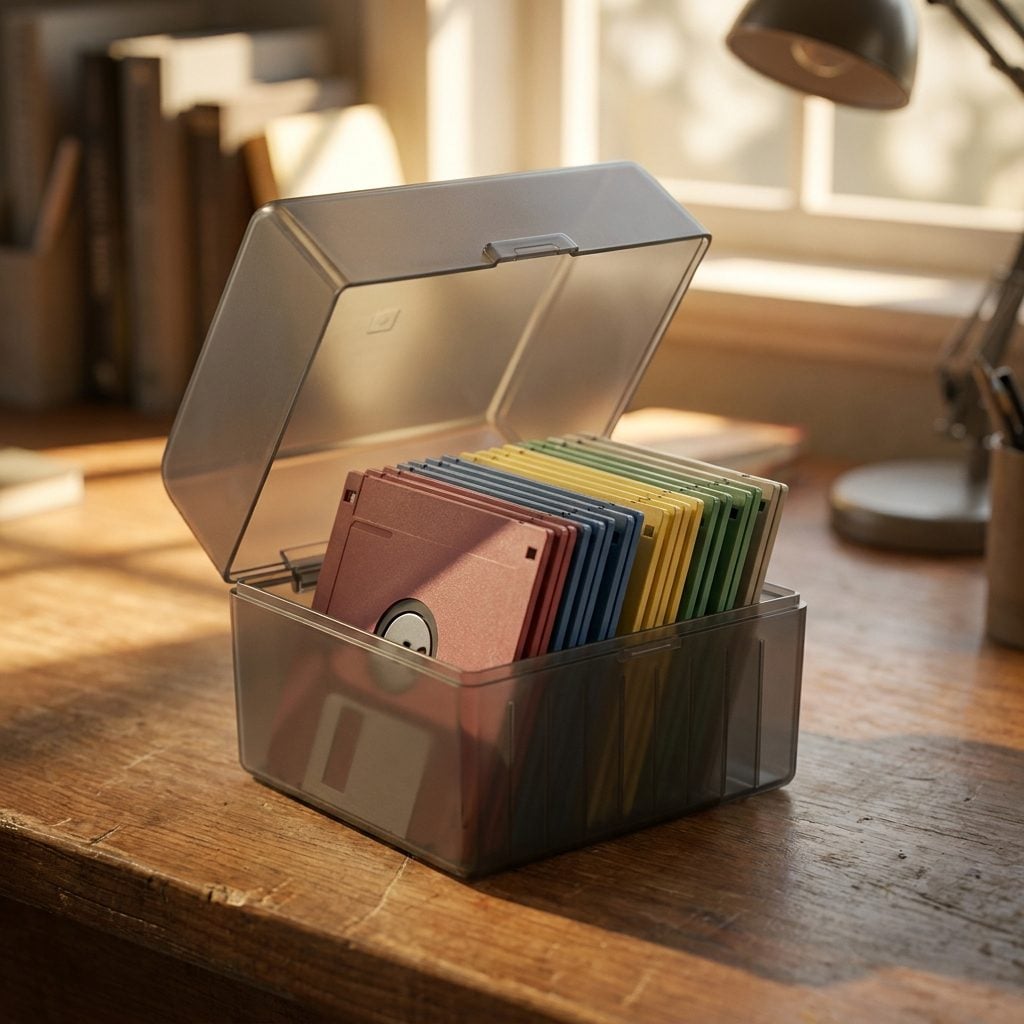
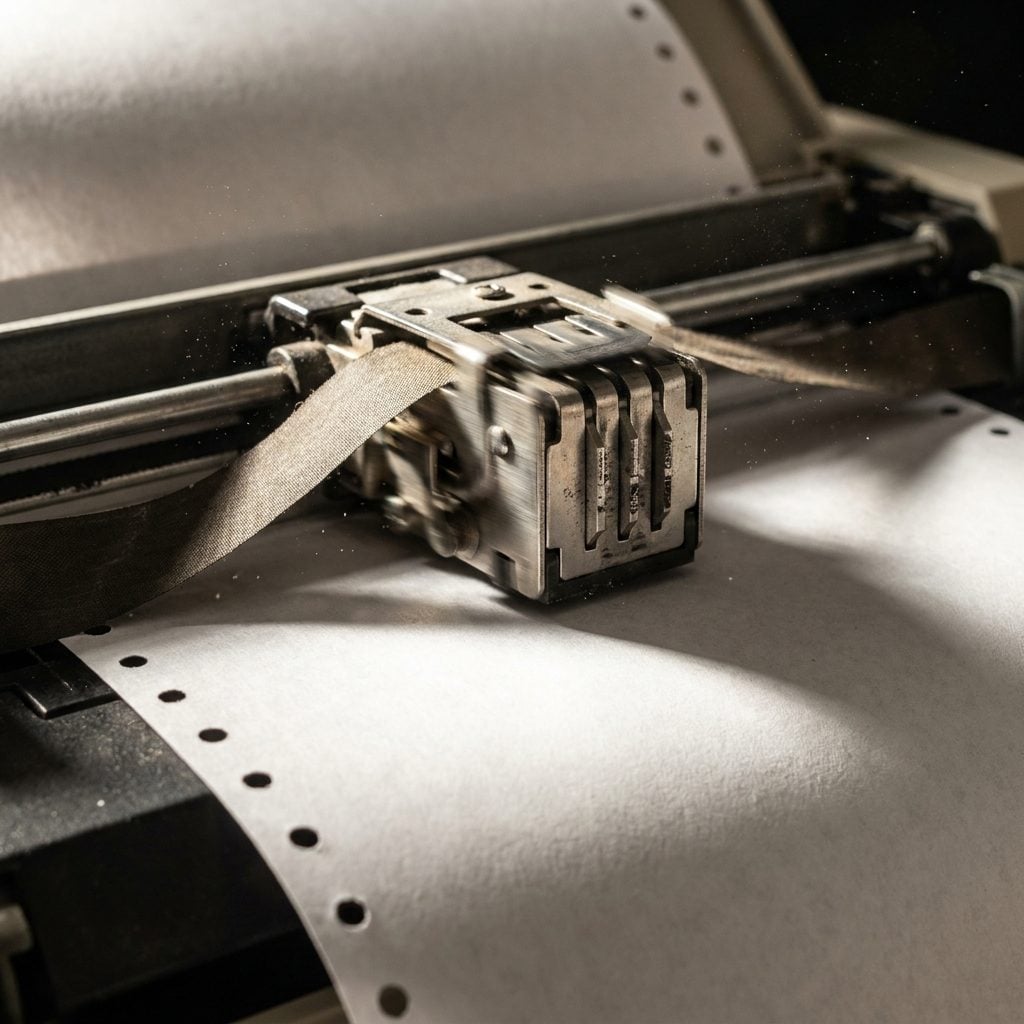
Storage was dominated by the 3.5-inch high-density floppy disk, capable of holding 1.44 megabytes of data. Printers were predominantly dot-matrix models that used tractor-feed mechanisms to pull continuous fanfold paper past a vibrating printhead, generating loud mechanical noise during operation.
Mid-1990s: Multimedia Integration and Early Connectivity
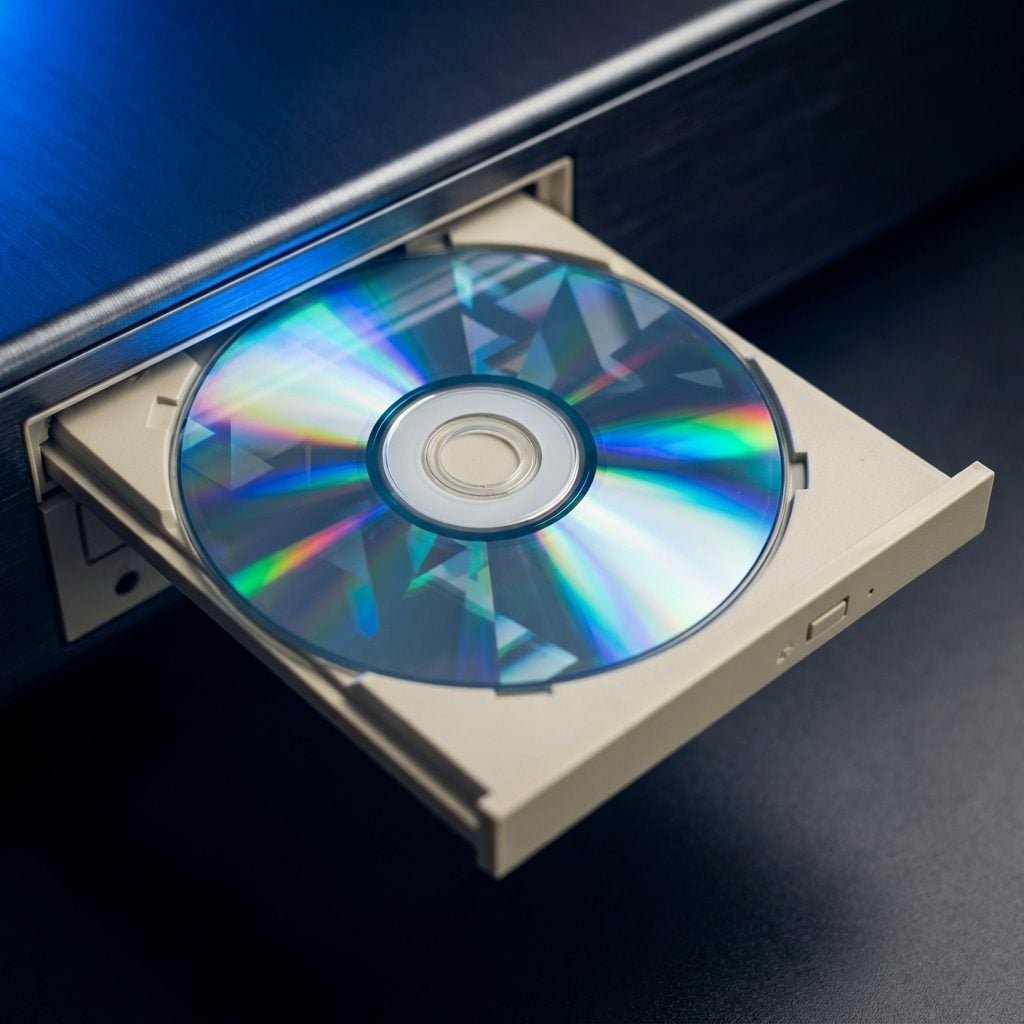
The release of Microsoft Windows 95, combined with the mass adoption of CD-ROM drives, fundamentally altered home computing. Software that previously required stacks of floppy disks was consolidated onto single optical discs containing up to 650 megabytes of storage. Multimedia encyclopedias, full-motion video games, and software suites drove consumers to upgrade their audio and display capabilities.

Simultaneously, the commercial expansion of internet service providers (ISPs) like America Online (AOL), CompuServe, and Prodigy brought dial-up networking to suburban homes. Thermal-paper fax machines and low-cost color inkjet printers gradually replaced dot-matrix hardware, altering the noise profile and maintenance routines of the home desk.
Late 1990s: Peak Desktop Integration and Connectivity
By 1998, the home office had reached its structural peak. The V.90 56k modem standard established a baseline for dial-up speeds, while mass-produced computer workstations became standard inventory at major retail outlets.

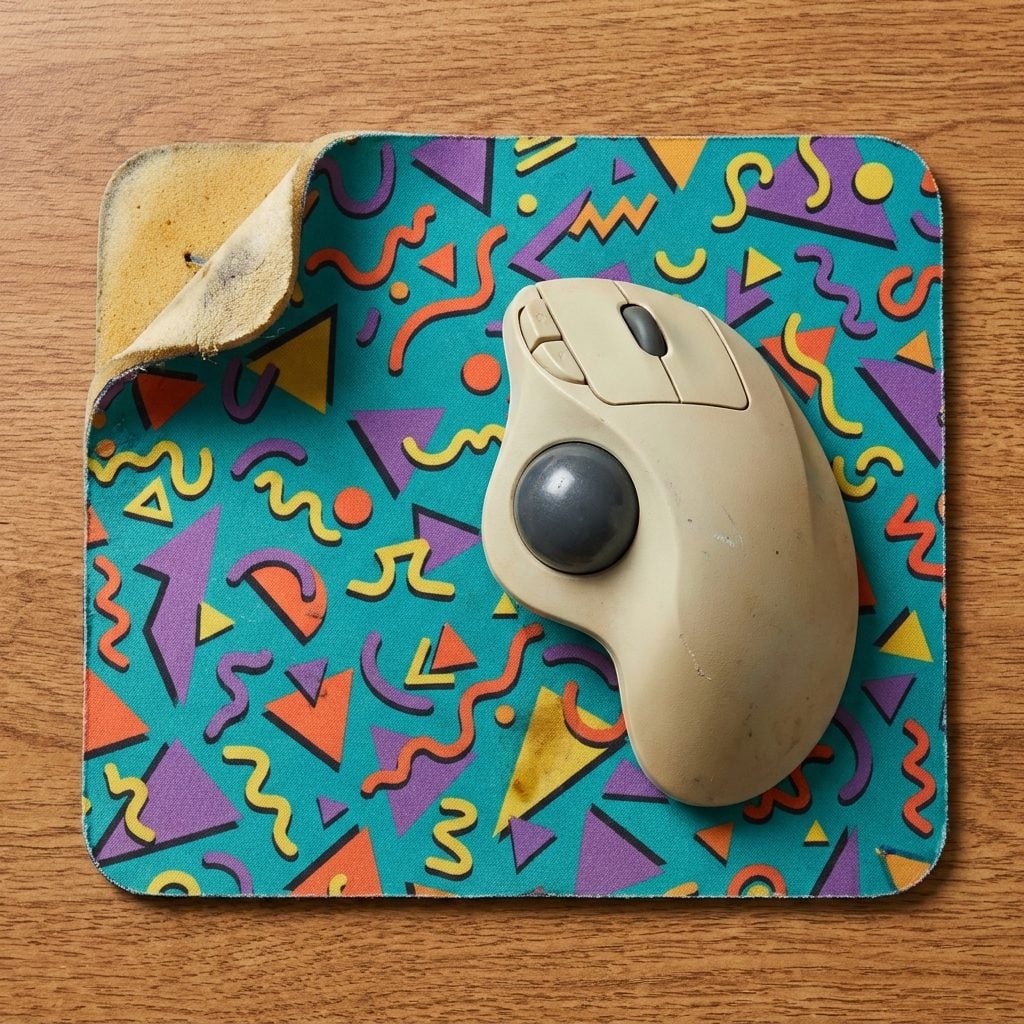
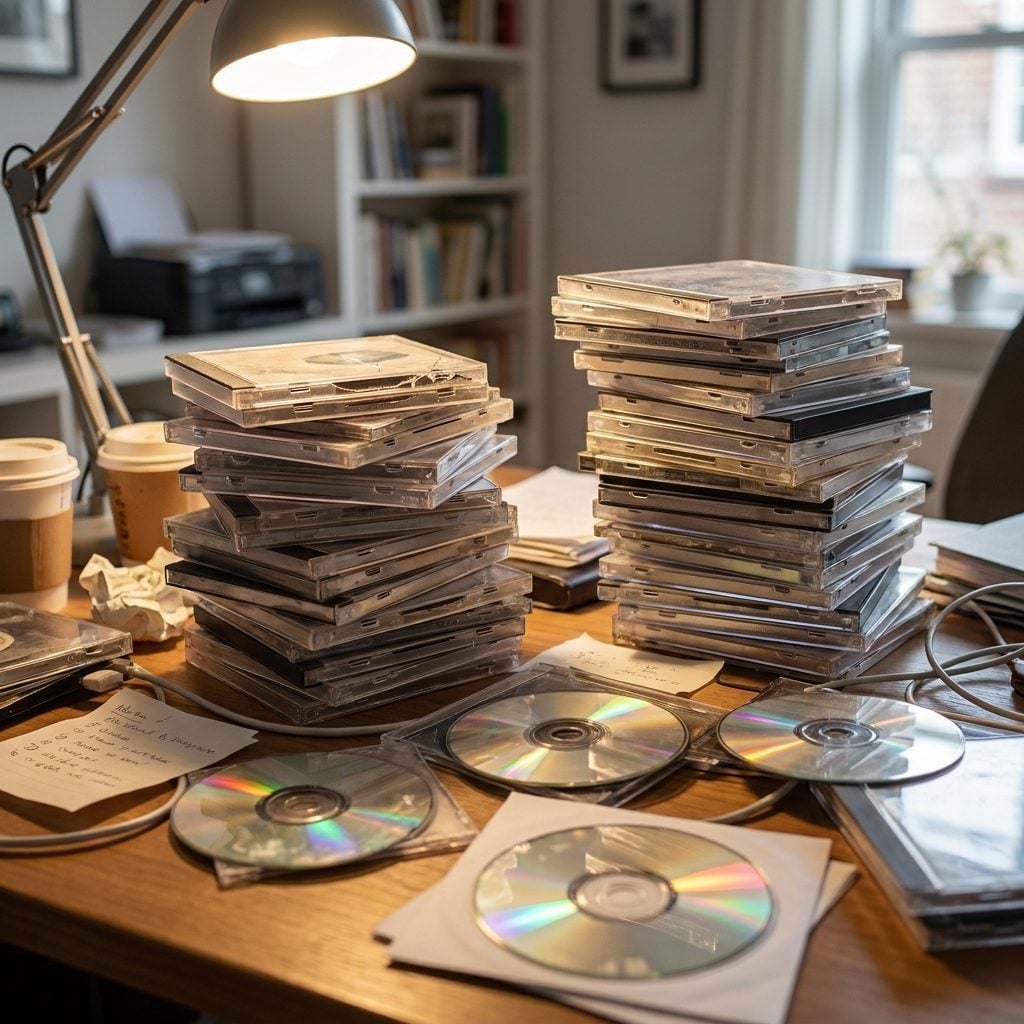
Mechanical ball mice—which required routine cleaning to remove accumulated dust from internal rollers—remained the primary pointing devices until optical tracking technology entered the consumer market around 1999. Mass mailings of promotional ISP trial software on CD-ROMs reached unprecedented volumes, making free trial discs a ubiquitous household clutter item.
Supporting Data and Technical Specifications
To understand the operational constraints of the 1990s home office, it is useful to examine the technical standards and performance metrics that governed the era’s hardware:
| Component / Utility | Standard 1990s Specification | Modern Equivalent Benchmark | Performance / Structural Context |
|---|---|---|---|
| Primary Storage (Portable) | 3.5" Floppy Disk (1.44 MB) | Cloud Storage / USB Flash Drive (TB scale) | A single modern smartphone photo (approx. 3–5 MB) exceeds the capacity of two full 1.44 MB floppy disks. |
| Optical Storage Media | CD-ROM (650 MB / 700 MB) | High-speed SSD / NVMe Storage | Represented a ~450-fold capacity increase over floppy storage, enabling digital audio, video, and rich multimedia. |
| Network Transfer Rate | 14.4 kbps – 56 kbps (Dial-Up) | Gigabit Fiber / 5G (100,000+ kbps) | Downloading a single 3 MB audio file over a 56k modem required 8 to 12 minutes under optimal line conditions. |
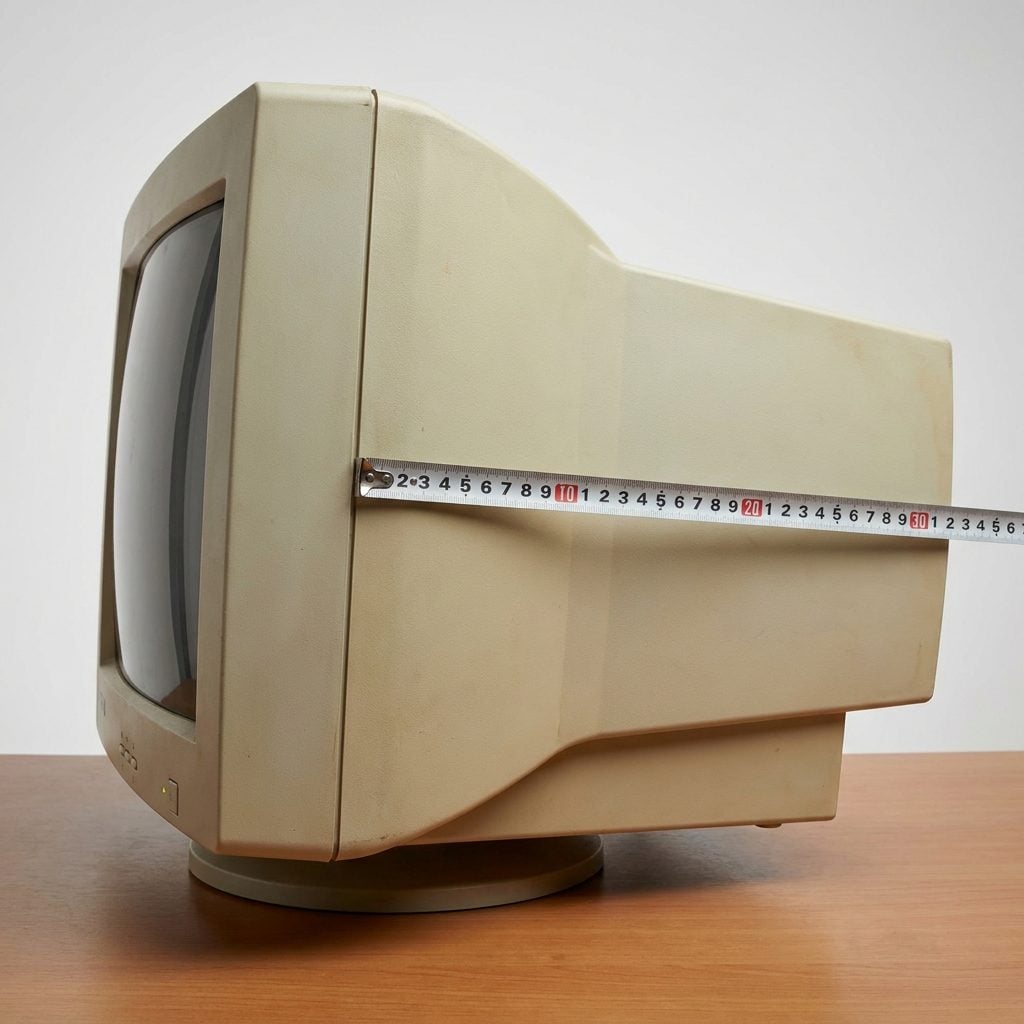
| Display Technology | 14"–17" Cathode-Ray Tube (CRT) | 27"+ Flat Panel LED / OLED | CRT displays required deep glass enclosures to accommodate the electron gun assembly, weighing 30–50+ lbs. |
| Telephone Line Standard | Single-Line RJ11 Copper Wire | Dedicated Broadband / Wireless Cellular | Dial-up connections locked the household phone line, preventing incoming and outgoing voice calls. |
Display Physics and Mechanical Peripherals
The physical footprint of the 1990s desk was largely dictated by the monitor. CRT displays functioned by firing electron beams through a vacuum tube onto a phosphor-coated glass screen. This required substantial cabinet depth, causing monitors to occupy up to half the surface area of a standard desk. The high-voltage internal components created static electric fields across the glass surface, attracting ambient dust and producing an audible static discharge when powered down.
        +-----------------------------------------+
        |  CRT MONITOR CROSS-SECTION             |
        |                                         |
        |   Phosphor Screen                       |
        |      |                                  |
        |      v                                  |
        |    +---+                               |
        |    |   |      Vacuum Tube              |
        |    |   |                               |
        |    +---+        ____                   |
        |                      |=== (Electron Gun)|
        |    <--- 15-20" --->  |__________________|
        +-----------------------------------------+
Similarly, pointing devices relied on mechanical physics. The standard mouse housed a rubber-coated steel tracking ball that rotated two orthogonal rollers inside the device casing. These rollers picked up skin oils, dust, and carpet fibers, leading to cursor stutter until the user removed the retaining ring to manually clean the internal sensors.
Industry Perspectives: The Response of Furniture Design and Consumer Real Estate
The sudden influx of computing equipment into everyday residences forced adjacent industries—specifically office furniture manufacturing and home building—to rapidly adapt to new consumer needs.
+-----------------------------------------------------------------------+
|               EVOLUTION OF RESIDENTIAL WORKSPACES                     |
+-----------------------------------------------------------------------+
|  1990s Purpose-Built Workstation  -->  2020s Minimalist Home Office   |
|  - Heavy laminate / particle board    - Solid wood / light metal frame|
|  - Tower cubbies & monitor hutches   - Floating desks & flat arms     |
|  - Rattling pull-out keyboard tray    - Integrated wire management    |
|  - Built for single stationary PC     - Built for flexible laptops    |
+-----------------------------------------------------------------------+
The Modular Workstation Industry
Furniture manufacturers responded to the PC boom by producing specialized, highly structured home computer desks. Typically constructed from particleboard clad in oak or pine laminate, these units were sold flat-packed for home assembly.
"The 1990s computer desk was engineered around a rigid set of hardware dimensions," notes architectural historian Dr. Sarah Miller. "Designers had to account for a specific ecosystem: a dedicated tower compartment near the floor, a reinforced shelf capable of supporting a heavy CRT monitor at eye level, a sliding tray on ball-bearing tracks for the keyboard and mouse, and overhead hutches to hold software manuals and storage boxes."
These workstations were rarely versatile. When hardware form factors shrank in subsequent decades, the deep, compartment-heavy computer desk became obsolete, often proved too heavy to easily relocate, and was eventually phased out in favor of open-plan writing tables and minimalist standing desks.
Sociological Impact: The Domestic Bottleneck
Sociologists studying the late-20th-century home highlight how the centralized "computer room" shaped family interaction patterns. Because most households owned only one personal computer and subscribed to a single telephone line, computer usage became a shared, negotiated resource.
"The 1990s PC setup created a natural focal point for household activity," explains media sociologist Dr. Alan Henderson. "It was a shared bottleneck. Parents managed finances, teenagers used instant messaging, and younger children played games—all on the same physical machine in the same room. This required scheduled usage and direct verbal negotiation, contrasting sharply with today’s model of individual, mobile screen consumption."

Broader Implications and Modern Legacy
The era of the heavy, beige home office laid the technical and cultural groundwork for modern remote work practices, though most of its physical artifacts have since been digitized or streamlined.
1990s Physical Artifact          Modern Digital / Virtual Replacement
-----------------------          -----------------------------------
Rolodex / Paper Address Book --> Digital Contacts Cloud Synchronization
Physical Metal Filing Cabinet --> Searchable Cloud Storage (PDF, Drive)
Corkboard & Pushpins          --> Calendar Apps & Digital Widgets
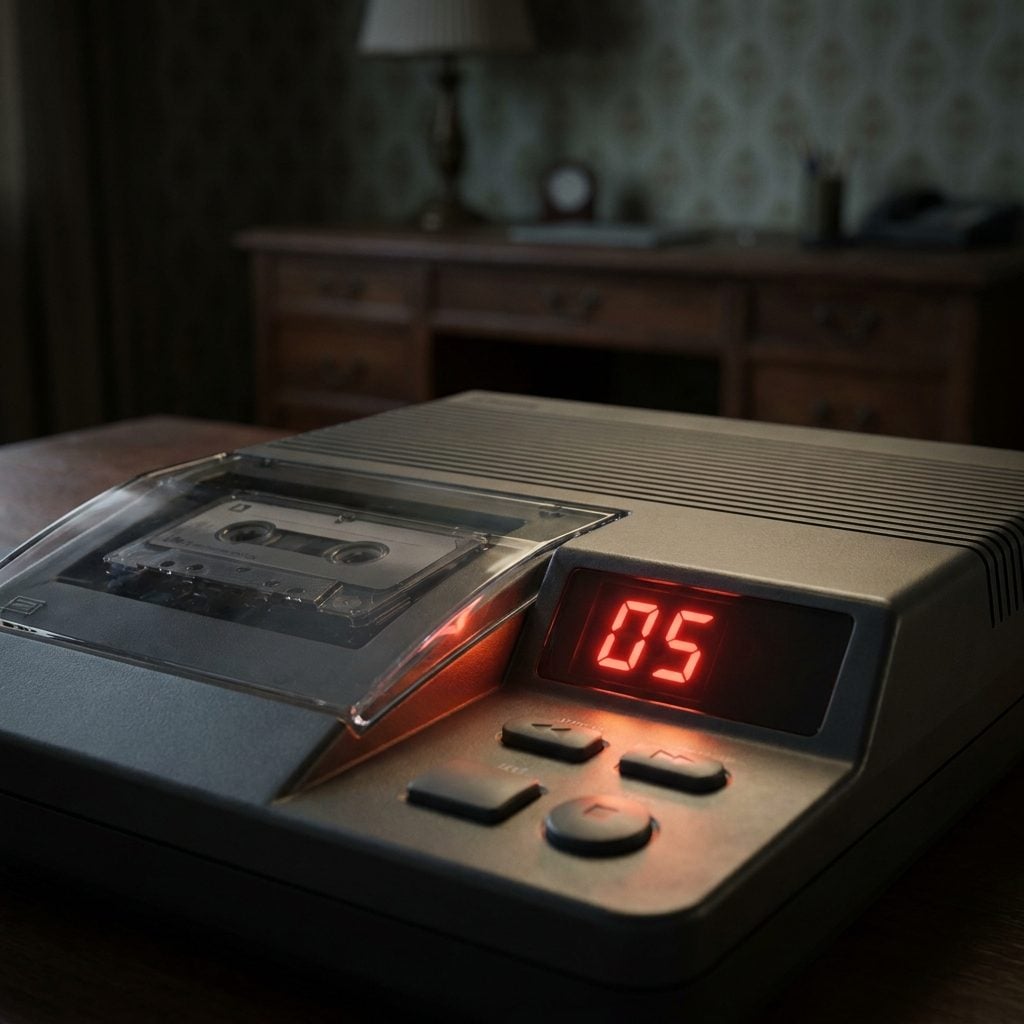
External Answering Machine    --> Visual Voicemail / Mobile Carriers
Physical Floppy Disk          --> "Save" GUI Metaphor Icon
The Transition from Physical to Digital Storage
The 1990s office was a hybrid workspace characterized by equal parts paper and early digital media. Desktop surfaces routinely held wire in-trays for paper bills, physical Rolodexes for phone numbers, and metal filing cabinets with suspended hanging folders for tax and insurance documents. Wall space above the desk was frequently populated by corkboards layered with paper takeout menus, physical calendars, and pushpinned memos.
Over the subsequent two decades, software applications absorbed these physical objects:
- The paper address book migrated into smartphone contact lists.
- Filing cabinets were largely replaced by encrypted cloud repositories and searchable PDF records.
- The physical corkboard shifted to mobile calendar alerts and desktop notification widgets.
- The 3.5-inch floppy disk, while obsolete in physical form for decades, remains permanently embedded in software culture as the universal graphical icon for the "Save" function.
Cable Management and Power Evolution
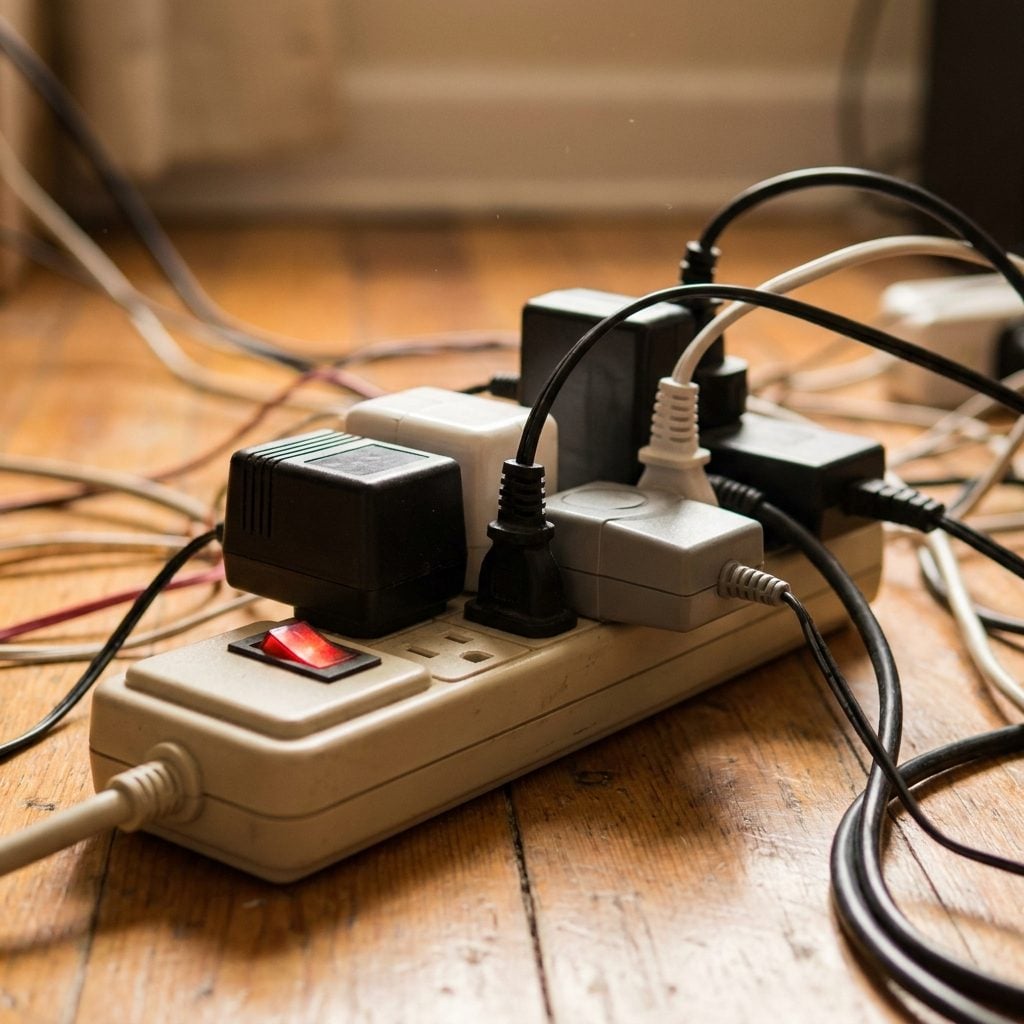
The back of the 1990s desk was notorious for extreme cable clutter. A fully equipped workstation required individual cables for power, display signals (VGA), keyboard and mouse input (PS/2 or serial), printer data (parallel port), audio input/output, and telephone pass-through lines.
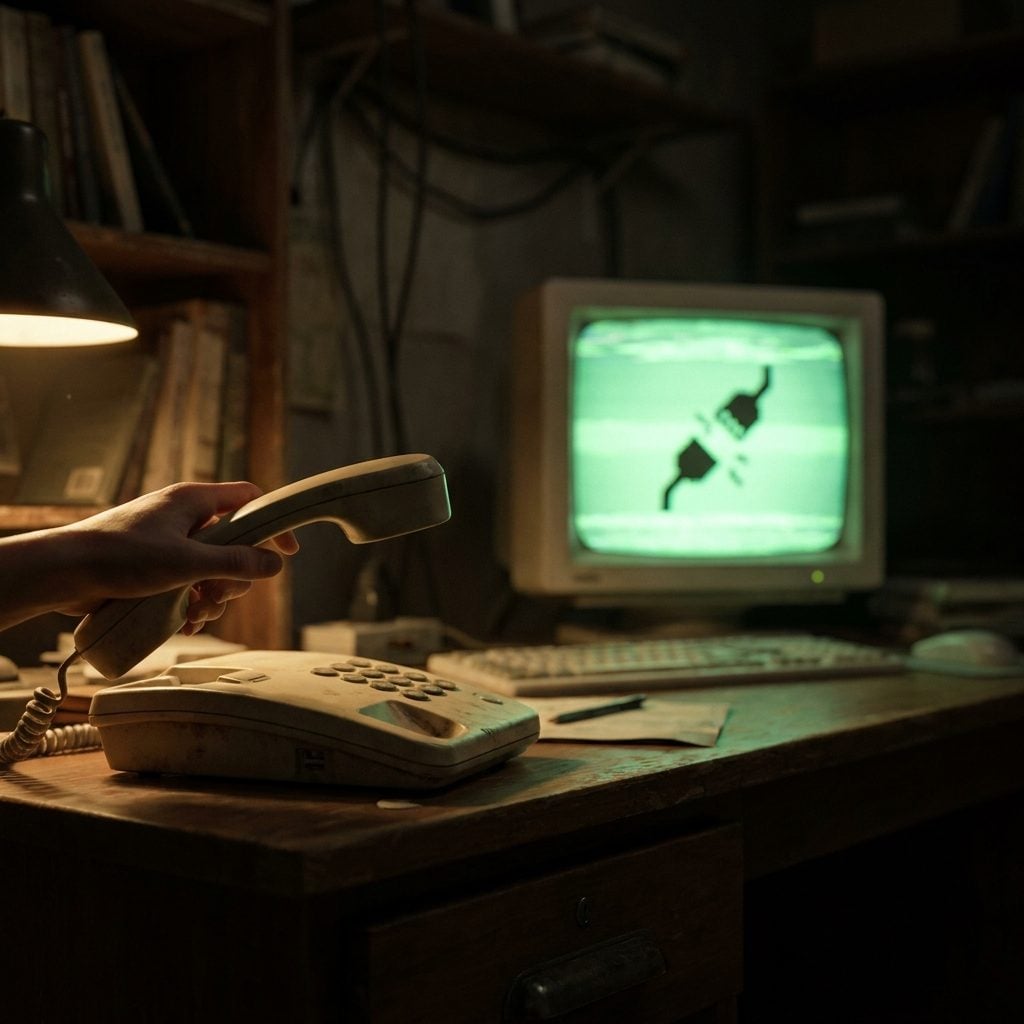
Because power supplies relied on bulky external transformer blocks (commonly known as "wall warts"), standard multi-outlet surge protectors were often blocked by oversized plugs, requiring strategic positioning to power the entire rig safely.
       TYPICAL 1990s REAR-DESK CABLE COMPLEXITY

       [CRT Monitor] --- VGA Video Cable ----------+
       [Power Strip] --- Heavy AC Power Cords ----|
       [Tower Case]  --- PS/2 Key/Mouse Cables ---|---> [Tangled Cable Nest]
       [External Mod]--- Serial Data Cable -------|
       [Printer]     --- DB25 Parallel Cable -----+
Modern workstation design, by contrast, emphasizes minimalism, wireless protocols (Wi-Fi, Bluetooth), single-cable power and data transfer standards (such as USB-C), and concealed cable management systems.
Acoustic and Tactile Memory
While modern computing is largely silent, the 1990s home office was defined by sensory feedback:
- Tactile: Mechanical key switches provided high-resistance feedback; floppy disks seated into drives with a firm mechanical click; spring-loaded drive eject buttons snapped outward.
- Acoustic: The low, continuous hum of internal chassis fans; the rhythmic click-clack of mechanical keys; the high-pitched shriek of dot-matrix printheads; and the multi-frequency handshake tones of the dial-up modem.
These sensory elements represented a society learning to navigate a new digital world. The 1990s home office was not merely a collection of aging hardware; it was the transitional bridge through which computing evolved from an industrial curiosity into the invisible, omnipresent foundation of daily life.
