

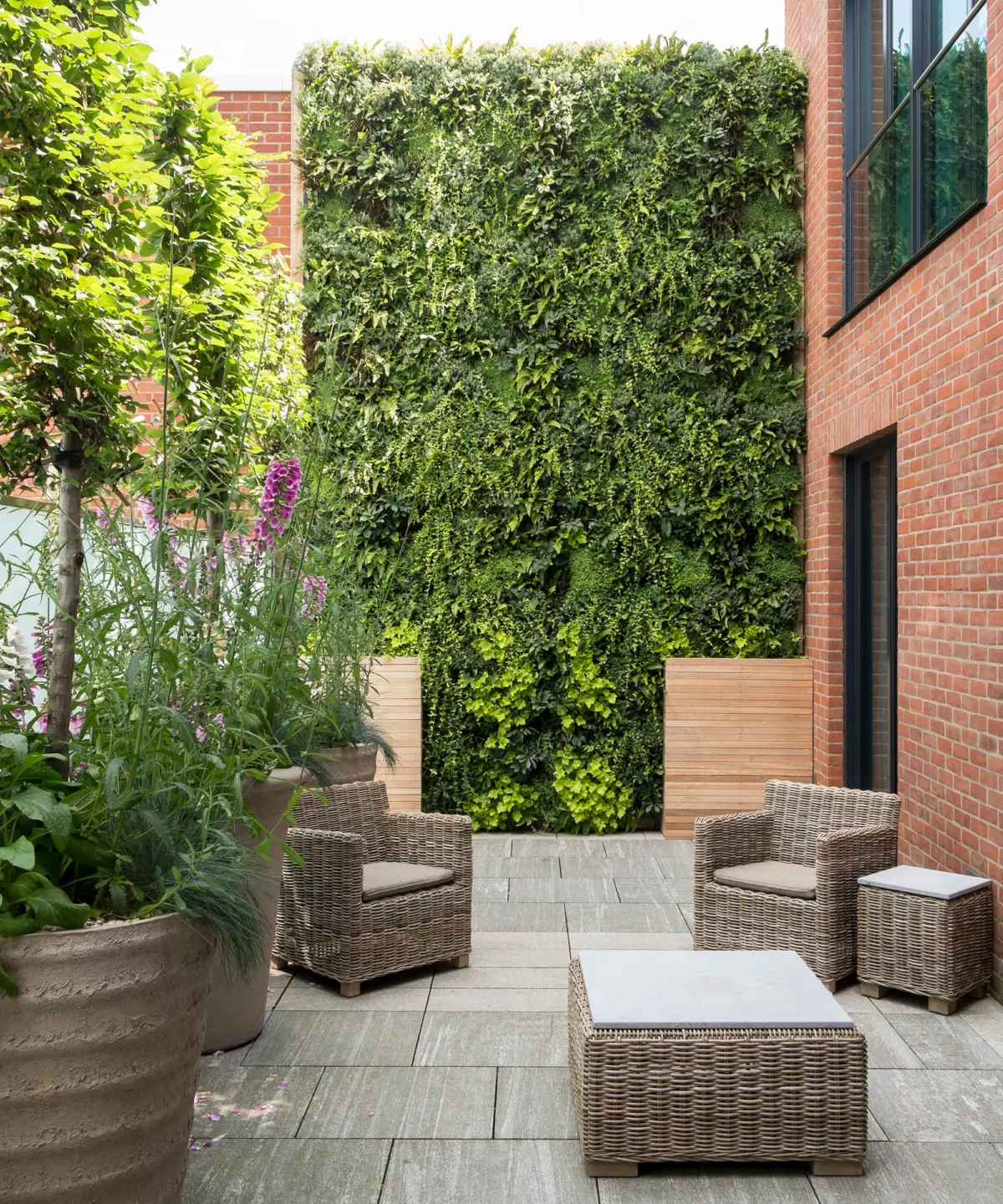
LONDON — Formula One icon Lewis Hamilton is globally celebrated for his high-speed precision on the Grand Prix circuit and his fearless fashion statements on the red carpet. Yet, away from the roaring engines, blinding camera flashes, and relentless media scrutiny, the seven-time world champion channels his design sensibilities into an entirely different arena: interior and landscape architecture.
In recent months, architectural and design circles have turned their attention toward a surprisingly intimate aspect of the sports star’s lifestyle: his private balcony garden. Far from an afterthought, Hamilton’s meticulously curated outdoor space serves as a masterclass in modern urban landscaping. It proves that even the most compact footprint can be transformed into a tranquil, private sanctuary through a careful marriage of restraint, luxury, and intentional design.
As urban centers continue to densify and outdoor space becomes an increasingly rare commodity, the principles guiding Hamilton’s balcony design offer a blueprint for city dwellers worldwide. Industry experts agree that the racing champion’s approach highlights a growing cultural shift: treating small outdoor spaces not as leftover voids, but as vital extensions of the modern home.
Main Facts: The Anatomy of a Celebrity Balcony Garden
At first glance, designing a multi-story balcony in a bustling metropolis presents a litany of unique constraints. High winds, unpredictable sunlight patterns, limited weight capacities, and zero horizontal ground space typically deter amateur gardeners. However, Hamilton’s urban retreat demonstrates how these limitations can be successfully subverted through minimalist design philosophies.
The core tenets of Hamilton’s balcony aesthetic rely on three foundational pillars:
- Material Discipline: Rather than mixing competing textures and stones, the hard landscaping is anchored by a strictly limited palette of two complementary, high-end materials. This prevents visual clutter.
- Restrained Color Palettes: Eschewing the chaotic bursts of multi-colored floral arrangements common in traditional gardens, the planting scheme favors sophisticated tones—deep greens, subtle silvers, and rich earthy browns that harmonize with urban architecture.
- The Power of Negative Space: By resisting the temptation to overcrowd the perimeter with planters, the design leaves breathing room, allowing each plant to act as a distinct architectural specimen.
"Small gardens are often where good design matters most," explains Rachel Bull, Head of Gardens at Homes & Gardens. "You have to think carefully about every element, from the plants you choose to how you frame the view. A well-planted balcony can feel like a private outdoor living room—somewhere that offers shade, shelter, and a real sense of escape."

Chronology: The Evolution of Urban Balcony Design
The transformation of balconies from simple concrete platforms into sophisticated green ecosystems did not happen overnight. To understand how Hamilton’s garden fits into the broader timeline of interior and exterior design, one must trace the evolution of urban living over the past two decades.
- The Early 2000s (The Concrete Era): For decades, high-rise balconies were treated almost exclusively as utility zones—spaces reserved for air conditioning units, storage boxes, or drying laundry. Greenery was generally limited to a single, neglected terracotta pot of hardy geraniums.
- The 2010s (The Rise of Container Gardening): As urban populations surged and apartment living became the norm for young professionals and elites alike, the "urban jungle" aesthetic gained traction. Homeowners began experimenting with container gardening, modular decking tiles, and basic vertical trellises.
- The Post-2020 Paradigm Shift (The Wellness Sanctuary): The global pandemic fundamentally altered how people view their living environments. Balconies and terraces transitioned from occasional fresh-air lookouts into essential mental health sanctuaries. High-profile figures like Lewis Hamilton began leveraging their platforms to showcase sustainable, professionally designed urban agricultural and meditative spaces.
- Present Day (Hyper-Curated Micro-Landscaping): Today, balcony design has evolved into a specialized branch of landscape architecture. Designers utilize advanced digital sun-tracking tools, lightweight composite materials, and bespoke vertical irrigation systems to create luxurious, low-maintenance ecosystems on high-rise ledges.
Supporting Data: The Science and Economics of Small-Space Greening
The growing obsession with balcony gardens is backed by compelling data regarding human psychology, environmental impact, and real estate valuation.
According to recent urban real estate studies, properties featuring professionally landscaped outdoor spaces—including balconies, terraces, and rooftop gardens—command a resale value premium of up to 12% to 15% compared to identical units lacking outdoor amenities. In densely populated urban hubs like London, New York, and Monaco, an optimized balcony is no longer viewed merely as square footage; it is categorized as a high-value lifestyle asset.
Furthermore, environmental data highlights the cooling benefits of urban vertical greenery. A study conducted by the Urban Greening Foundation noted that a single balcony outfitted with structural evergreens and a living wall can reduce radiant heat absorption on an apartment’s exterior wall by up to 25%, contributing to lower interior cooling costs during peak summer months.
Psychologically, the benefits are equally stark. Urban horticulturists point out that interacting with even a micro-garden for as little as 20 minutes a day measurably lowers cortisol levels, mitigates urban noise fatigue, and restores cognitive focus.
Official Responses and Expert Insights
To decode the professional mechanics behind Hamilton’s praised outdoor setup, leading landscape architects and garden designers have weighed in on the essential strategies required to replicate high-end balcony design at scale.
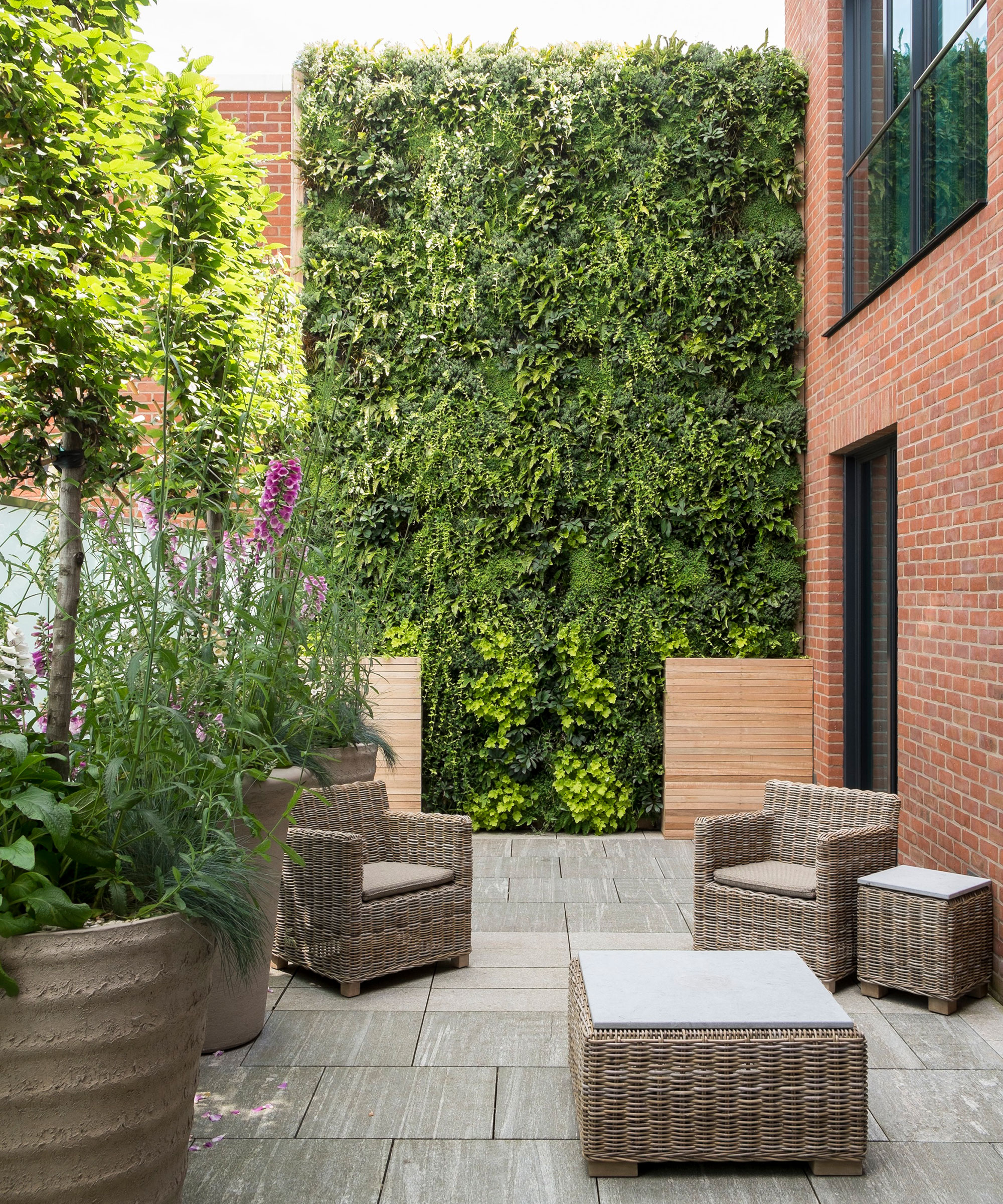
Embracing the ‘Slow Reveal’
In landscape design, revealing an entire garden at a single glance can strip away its sense of mystery. John Wyer of Bowles & Wyer, the renowned landscape firm behind the medal-winning Florence Nightingale Garden at the Chelsea Flower Show, advocates for spatial intrigue.
"Every garden, no matter how small, can be turned into an asset," says Wyer. "In a smaller space, every millimeter counts."
Wyer recommends positioning taller structural plants or privacy screens strategically to partially obstruct immediate sightlines. This introduces the concept of the "slow reveal," creating visual depth and making a compact footprint feel vastly more expansive than its physical dimensions suggest.
Maximizing Every Millimeter
Mandy Buckland, founder of landscape design studio Greencube, emphasizes the importance of rigorous spatial planning when dealing with elevated micro-environments.
"My focus in small gardens is to organize the space, utilizing levels, framing views, creating social seating options, and making every single millimeter work," Buckland notes. "Track the sun’s arc to optimize the best spots, screen any view spoilers, and create focal points that draw the eye."
By charting how sunlight moves across a balcony throughout the seasons, designers can place sun-loving Mediterranean herbs or delicate blooms in high-yield light zones while relegating shade-tolerant ferns to protected corners.
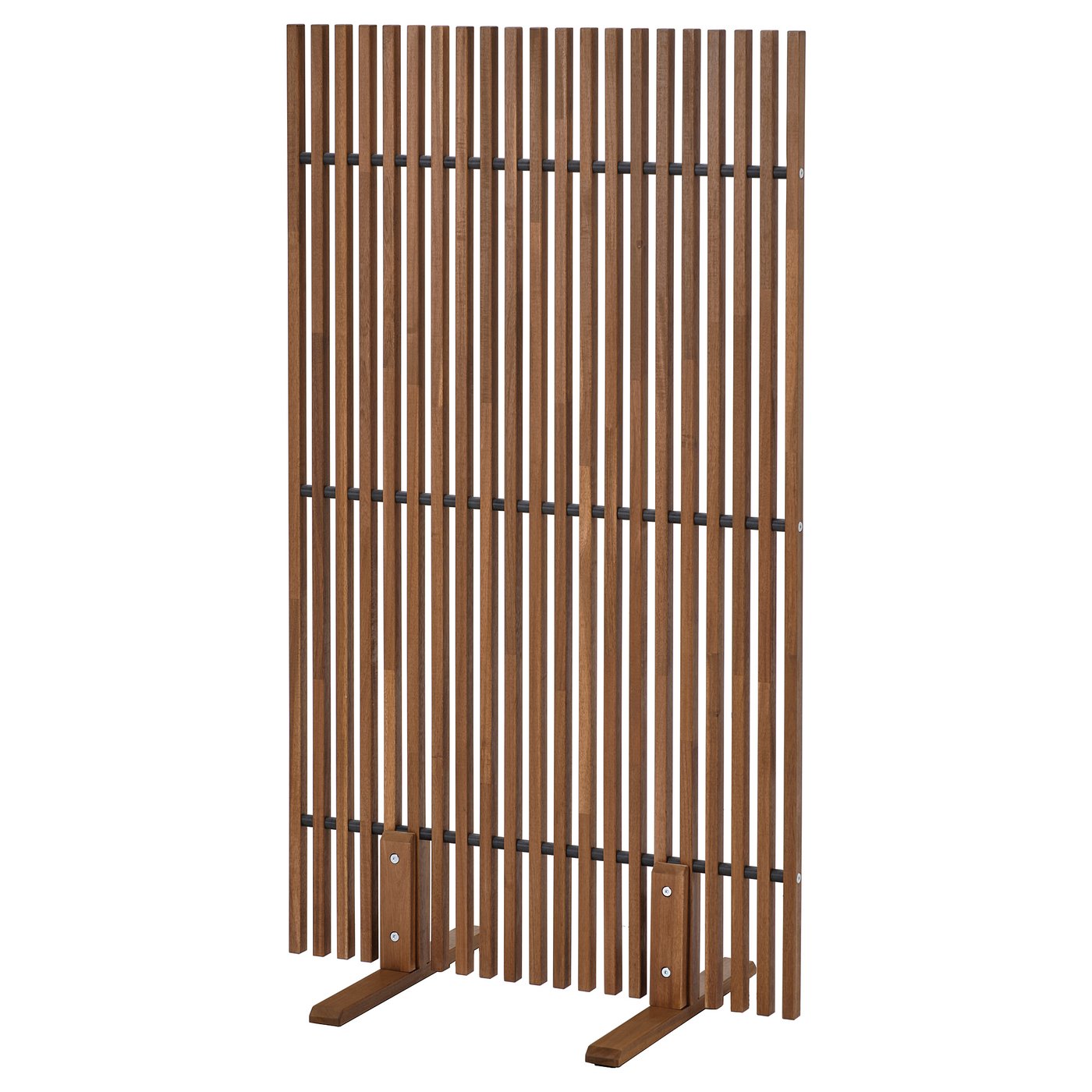
The Rise of Productive Urban Agriculture
Beyond aesthetics, modern urban gardeners are increasingly demanding functionality from their spaces. Matt Lindsay, General Manager at Growing Revolution, highlights the psychological and nutritional rewards of integrating edible plants into vertical structures.
"A vertical garden makes green space accessible to the masses," says Lindsay. "As attention continues to turn to where our food comes from, we’re not hugely surprised that people are now thinking about what more their living walls can offer them. With a fixture against an external wall or on a balcony, those in flats and other urban homes can reap the physical, mental, and environmental rewards that gardening for production provides."
Implications: What Celebrity Endorsement Means for Urban Architecture
Lewis Hamilton’s embrace of high-end balcony landscaping carries profound implications for the future of residential architecture and sustainable city living.
1. A Shift in Architectural Priorities
For decades, high-rise residential developers treated balconies as standardized, cookie-cutter appendages—often little more than glass-and-steel boxes bolted onto concrete frames. As high-profile tastemakers like Hamilton demonstrate the potential of these spaces as curated sanctuaries, consumer demand for deeper, structurally reinforced, and wind-protected balconies is skyrocketing. Developers are increasingly consulting landscape architects before construction begins, ensuring that drainage, watering systems, and load-bearing capacities are built into the initial architectural blueprints.
2. Democratization of Luxury Landscaping
While Hamilton’s specific setup undoubtedly benefits from professional execution, the core design principles—restraint, verticality, and material consistency—are entirely accessible to renters and average apartment dwellers. The democratization of modular balcony furniture, freestanding privacy screens, and lightweight vertical planters allows anyone to translate high-fashion interior styling principles into exterior green spaces.
3. Sustainability and Biodiversity in the Sky
As cities expand upward, urban wildlife—particularly pollinators such as bees and butterflies—find themselves increasingly isolated. Well-planted high-rise balconies act crucial ecological stepping stones, providing feeding grounds and habitats for urban fauna. When celebrities champion urban gardening, it accelerates public awareness around biodiversity, turning private aesthetic indulgence into a collective environmental benefit.
Essential Toolkit: How to Achieve the Hamilton Look
For homeowners and renters inspired to upgrade their own balconies, interior and garden specialists recommend investing in a targeted suite of versatile essentials:
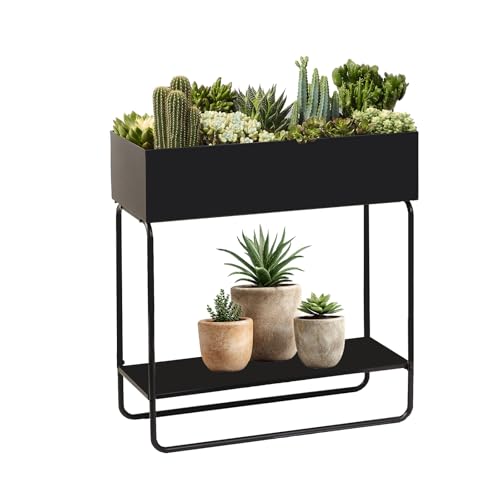
- Freestanding Privacy Screens: Ideal for rented apartments where drilling into exterior walls is prohibited. Modular wooden or metal screens (such as the IKEA NÄMMARÖ series) offer immediate seclusion and double as sturdy frameworks for climbing vines.
- Vertical Planters and Raised Beds: To preserve precious floor space, utilize tiered metal raised beds or wall-mounted vertical planters. These keep herbs and seasonal flora at an ergonomic height while offering lower storage shelves for gardening tools.
- Mobile Planter Boxes: Heavy-duty planter boxes equipped with concealed wheels (such as weather-resistant metal options from Wayfair) allow gardeners to easily shift heavy foliage as sunlight angles shift across the seasons or when severe weather approaches.
Final Thoughts
Lewis Hamilton’s balcony garden stands as proof that luxury is not defined by acreage, but by intention. By treating a compact urban terrace with the same meticulous care, stylistic discipline, and respect for spatial harmony that he applies to his racing career, the Formula One champion has redefined what an urban home can achieve. Whether viewed from an adjacent window or experienced from a quiet seat among the foliage, a thoughtfully designed balcony proves that tranquility is always within reach—even hundreds of feet above the city streets.
