

When it comes to interior design, creating a high-end, expensive-looking neutral room is rarely about finding that one elusive, flawless shade of white or beige. More often than not, interior success comes down to the meticulous layering of tones, textures, and organic materials in a way that feels effortless, lived-in, and entirely natural. For a masterclass in this design philosophy, one need look no further than journalist and author Maria Shriver’s light-filled California residence.
In her living spaces, crisp white walls, off-white linen curtains, woven bamboo shades, and raw natural wood converge to craft an environment that feels deeply refined, luxurious, and sophisticated without ever looking overly styled or sterile. It is a thoughtful, masterclass approach to decorating with neutrals, perfectly capturing the coveted "old money" aesthetic that has heavily dominated interior design conversations and architectural digests over the past few years.
Far from a fleeting internet trend, this timeless look shows no signs of falling out of fashion. Its enduring appeal lies in its quiet luxury—it is effortlessly expensive without ever being loud or overpowering. For homeowners looking to replicate this sophisticated vibe, interior design experts agree that the secret weapon is intentional variation rather than uniform matching.

The Evolution of Quiet Luxury in Interior Design
To understand why homes like Shriver’s resonate so deeply with contemporary audiences, it helps to look at the broader evolution of interior design trends over the last decade. Following years dominated by stark minimalism, industrial grays, and hyper-modern high-gloss finishes, the design pendulum swung decisively toward warmth, comfort, and authenticity.
The "old money" aesthetic—often characterized by heirloom pieces, traditional art, unpretentious luxury, and a curated palette of creams, ivories, and warm woods—gained immense traction as people sought sanctuary in their living spaces. Rather than chasing fast-paced micro-trends, homeowners are increasingly investing in spaces that tell a story of longevity and heritage.
Debbie Leigh, design manager at high-end textile and interiors brand ILIV, notes that neutrals form the bedrock of this timeless aesthetic because they inherently evoke a sense of permanence. However, she warns against falling into the trap of predictability.
"Neutrals are at the heart of the old money aesthetic because they create a sense of timelessness, but the trick is to make sure they don’t become too predictable," Leigh explains. "Rather than relying on one single beige or cream throughout a room, I’d layer different tones to give your scheme more depth."
Looking closely at Shriver’s white living room, that exact design principle is vividly on display. Her off-white drapery does not match the starkness of her white desk, nor does it mimic the golden-brown hue of her woven bamboo blinds. Instead, these closely related shades sit harmoniously side by side, introducing subtle contrast that keeps the overall palette light, airy, and visually cohesive while adding rich architectural depth.
The Power of Texture: Moving Beyond Flat Spaces
While color tone is important, interior designers emphasize that texture is the true anchor of a successful neutral room. Without a deliberate mix of surfaces and finishes, an all-white or cream color scheme risks falling flat and feeling cold.
"Texture is particularly important in a neutral living room, so try mixing linens, velvets, woven fabrics, and subtle patterns to add warmth," advises Leigh. "I’d also introduce natural materials such as timber, stone, and rattan, which bring an organic quality and stop the softer shades from feeling flat."
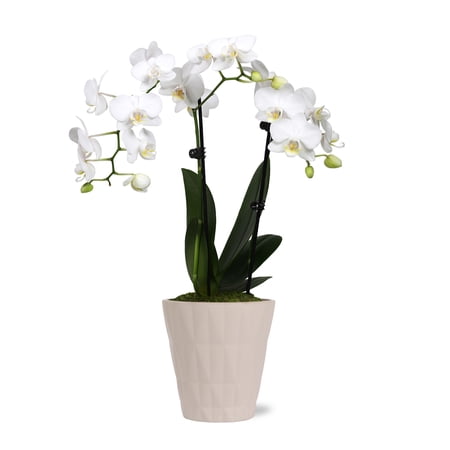
Shriver’s California home puts this expert advice into practice seamlessly. Throughout her living areas, natural details are woven into the fabric of the room. A potted white orchid rests alongside natural stone crystals on a console table, while rich wooden frames and woven window treatments inject warmth against the pale, neutral backdrop. These tactile elements prevent the space from feeling like a pristine, untouchable museum showroom, imbuing the interior with a grounded, lived-in comfort.
For homeowners eager to channel this look, interior stylists suggest introducing specific decorative accents:
- Window Treatments: Swap out stark white, synthetic sheers for relaxed, textured flax-linen blend draperies that gently filter sunlight while adding an organic weave.
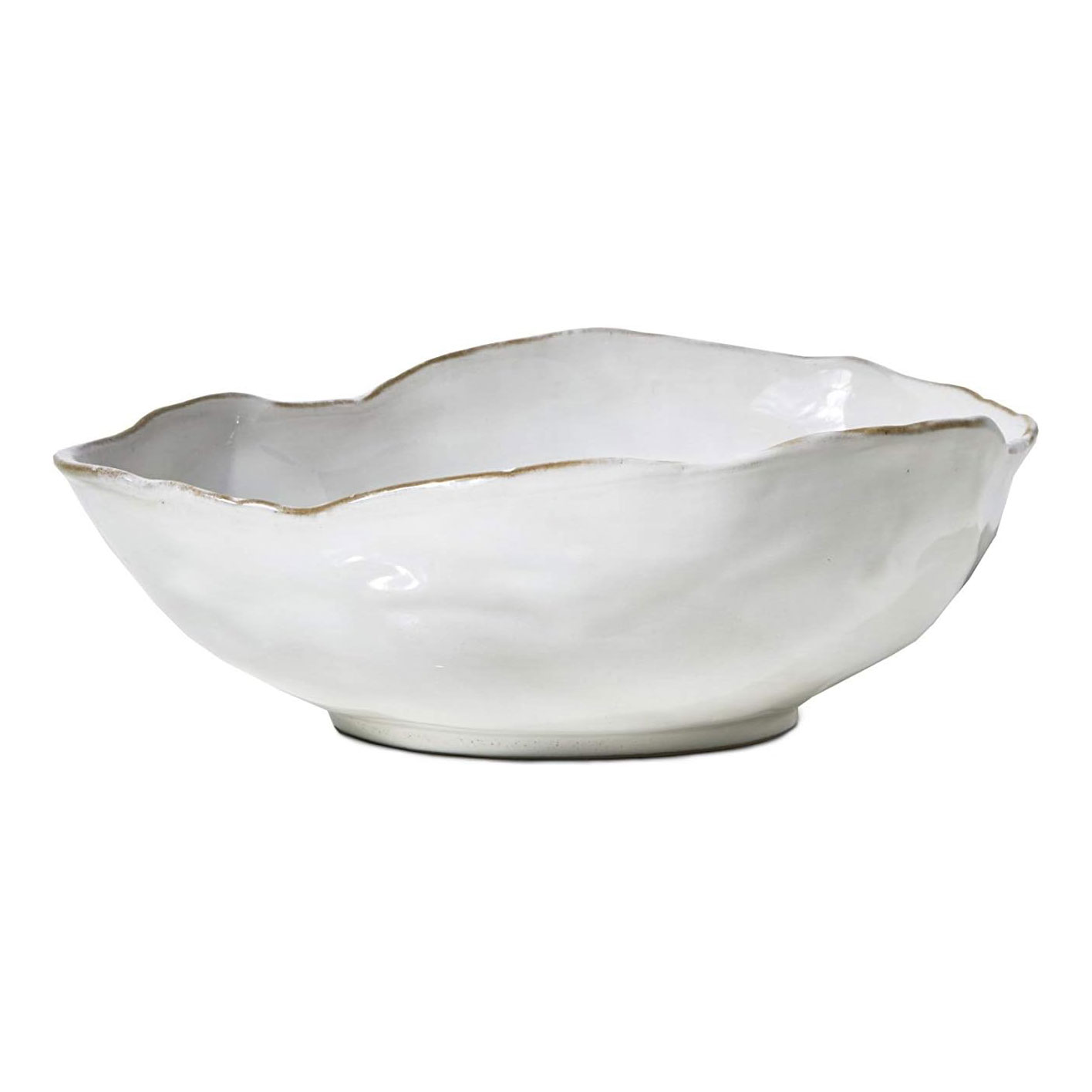
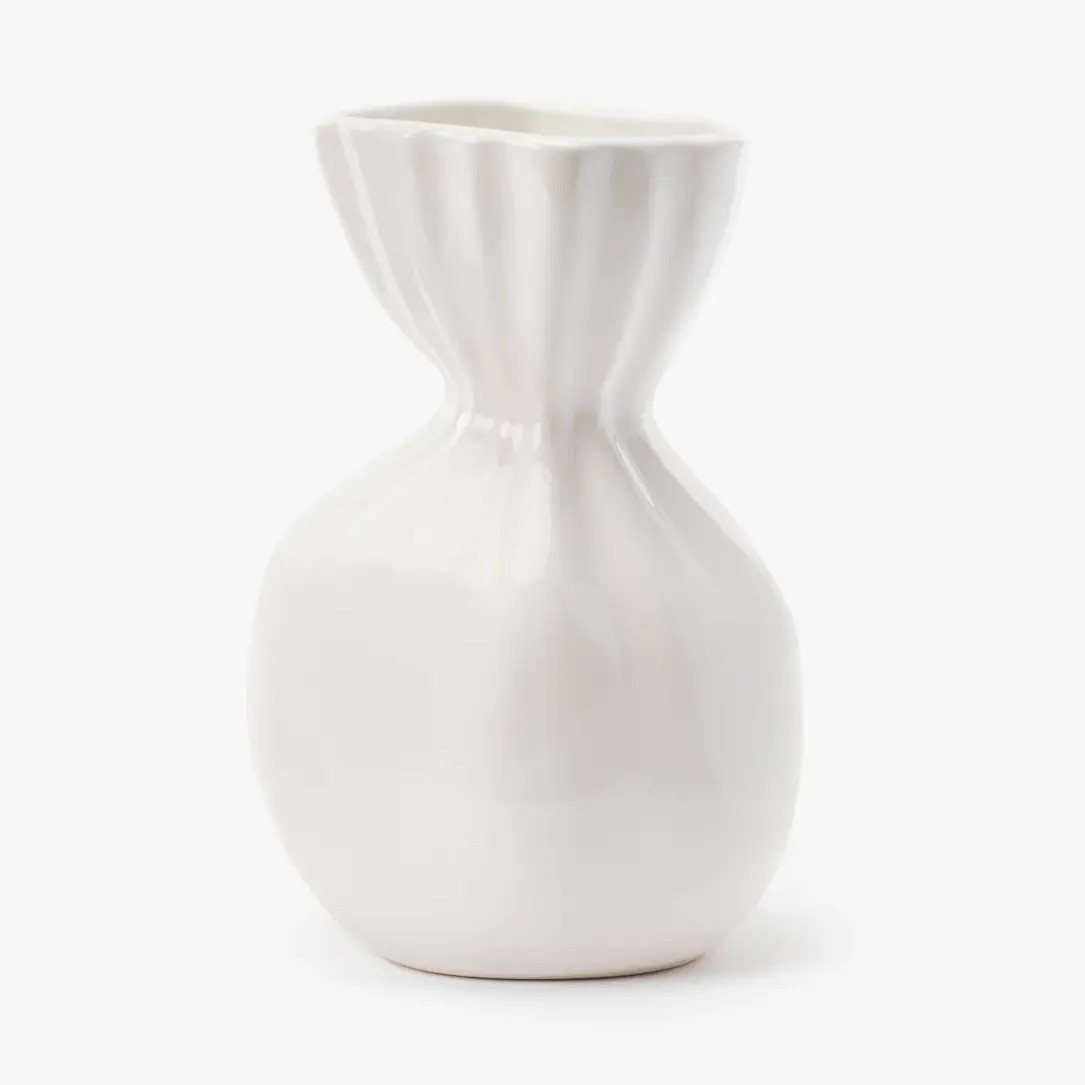
- Ceramics and Vessels: Incorporate sculptural ceramic bowls and vases featuring organic edges, matte or subtle glazed finishes, and muted earth tones.
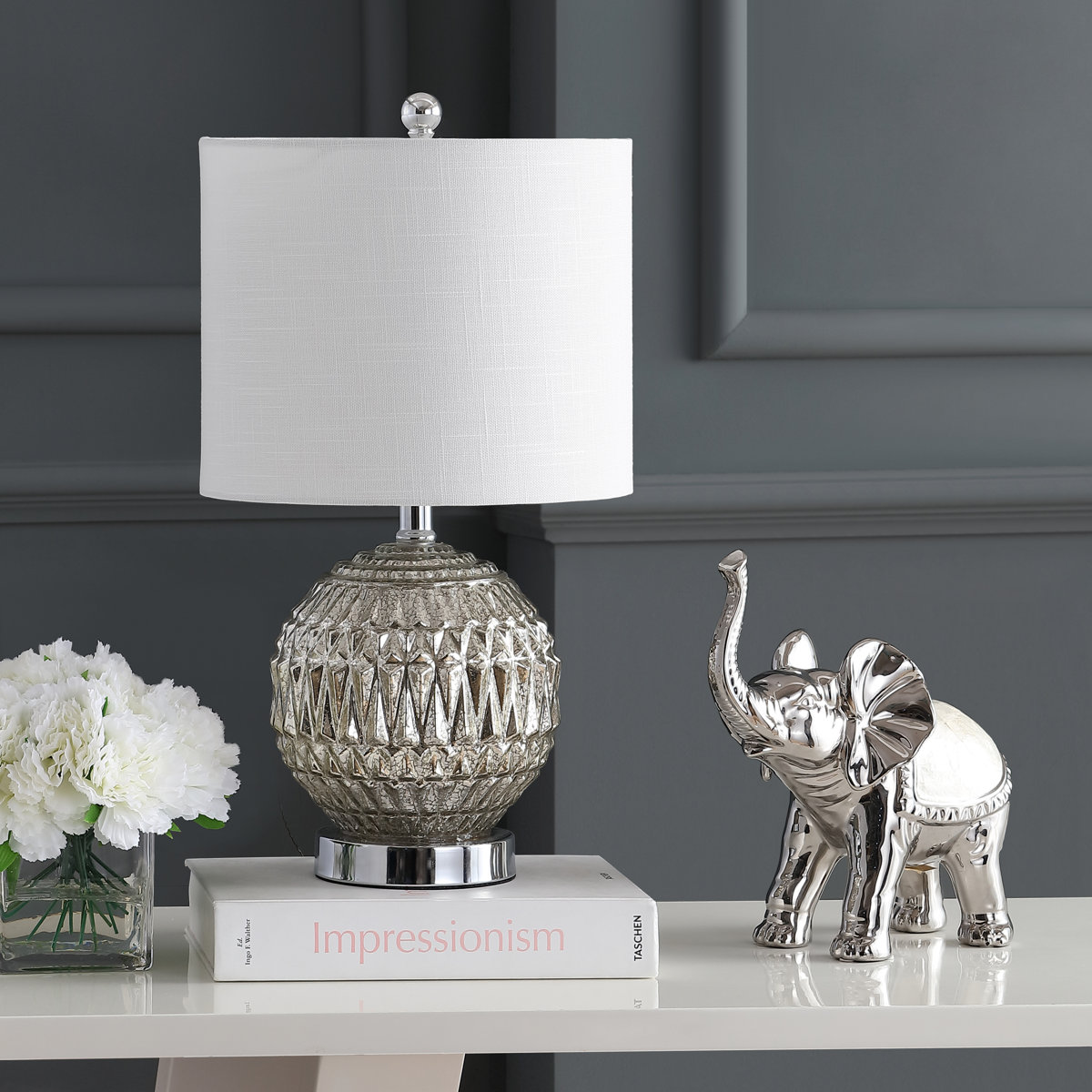
- Lighting: Utilize table lamps with textured bases—such as mercury glass, hammered metal, or carved wood—to create soft, ambient pools of light that highlight varying surface textures at night.
Injecting Personality and History Into Neutral Spaces
One of the common misconceptions about a neutral color palette is that it requires a complete stripping away of personality in favor of minimalism. On the contrary, designers argue that a neutral backdrop actually acts as the ultimate canvas for self-expression, allowing statement pieces to truly shine without visual competition.
"The beauty of neutrals is that they give you the freedom to add personality elsewhere," Leigh notes. "A patterned armchair, an antique piece of furniture, a beautiful rug, or artwork will all bring character to the room without competing with the overall palette. For me, that is what makes the old money look work; it’s not about creating a perfectly matched room, but one that feels comfortable and as though it has evolved over time."
This sense of history and accumulated narrative is acutely visible in Shriver’s home. Against the soft, luminous backdrop of her walls, traditional framed artwork and figurative paintings stand out with striking elegance. The juxtaposition of classic fine art within an airy, coastal-influenced California setting bridges the gap between traditional East Coast heritage style and laid-back West Coast ease.
Industry Implications and Future Trends
The widespread fascination with celebrity-inspired quiet luxury spaces like Maria Shriver’s highlights a broader consumer shift in the home goods and furniture markets. Retailers are reporting a significant surge in demand for organic textiles, raw-edge ceramics, sustainable hardwoods, and vintage or antique decor items.
Interior architecture and real estate experts note that homes styled with this timeless, layered neutral approach tend to hold their aesthetic and market value better than those heavily tied to hyper-specific, trendy color schemes. Because the components—linen, wood, stone, and classic art—are inherently versatile, homeowners can easily refresh their spaces season after season simply by swapping out small accessories or botanical arrangements.
Ultimately, Shriver’s California home serves as an enduring reminder that the most successful and luxurious interior spaces are those that master the delicate trifecta of color, texture, and personal history. Even if we cannot all experience our morning coffee bathed in brilliant California sunlight, the principles of thoughtful layering and quiet luxury are entirely within reach for any home decorator looking to elevate their living space for the decades to come.
