

LONDON — As the lazy, sun-drenched days of mid-summer begin to wane, experienced horticulturists and casual gardeners alike know that the gardening calendar waits for no one. While autumn remains the traditional season for sinking hands into cool earth to plant the foundation of next year’s landscape, the actual curation and procurement of spring-blooming bulbs begin much earlier. According to top landscape designers and horticultural specialists, the critical window to secure the most coveted, rare, and high-demand early spring varieties opens as early as August.
The old adage that the early bird catches the worm rings especially true in the horticultural marketplace. High-demand spring bulbs—particularly those that offer the earliest splashes of color to break the dreary monotony of late winter—frequently sell out weeks before planting season officially commences in September and October. Securing these botanical treasures early ensures that gardeners will not be left empty-handed when planting time arrives.
Main Facts: The Rush for Early Spring Color
The primary directive for late-summer gardening is simple: order now, store properly, and plant later. August marks the arrival of the new season’s bulb catalogs from major growers and suppliers. Varieties that bloom in late winter and the earliest days of spring—such as crocus, dwarf iris, snowdrops, and winter aconite—are among the fastest to disappear from stockrooms.
For gardeners yearning for a vibrant landscape as early as January, acting in August is mandatory. However, early shoppers must exercise a degree of horticultural discipline. Bulbs purchased in late summer cannot go straight into the ground. Instead, they require careful, temporary storage in a cool, dry, and well-ventilated space until soil temperatures drop to optimal levels in the autumn.
To help streamline the upcoming planting season, horticultural experts recommend assembling necessary tools ahead of time. Ergonomic equipment—such as precision Japanese bulb planters, long-handled sod pluggers with depth markers, or traditional stainless-steel dibbers—can significantly reduce strain and speed up the process once September arrives.
Chronology: From Late-Summer Order to Winter Blooms
Understanding the timeline of spring-blooming bulbs is essential for achieving a successful, head-turning garden display. The lifecycle of these botanical harpsichords follows a strict chronological progression:
- Late August: The procurement phase. Gardeners review catalogs, select rare or high-demand varieties, and place orders before popular stocks deplete. Bulbs arrive and are placed in cool, dry indoor storage.
- September to November: The planting phase. As soil temperatures steadily drop below 60°F and summer heat breaks, gardeners use specialized tools to plant bulbs at the correct depth (typically two to three times the bulb’s height).
- December: The dormant underground phase. While the surface appears lifeless, root systems develop vigorously beneath the frost line.
- January to March: The flowering phase. The earliest varieties (such as winter aconite and specific dwarf irises) emerge through the snow, followed in quick succession by crocuses, glory of the snow, and snowdrops, providing vibrant splashes of color when the rest of the natural world is dormant.
Supporting Data: Spotlight on Top Early-Flowering Varieties
To maximize visual impact in late winter, horticulturalists recommend focusing on specific miniature and early-flowering bulbs. These varieties not only brave the cold but also naturalize effectively, returning year after year to multiply and form breathtaking carpets of color.
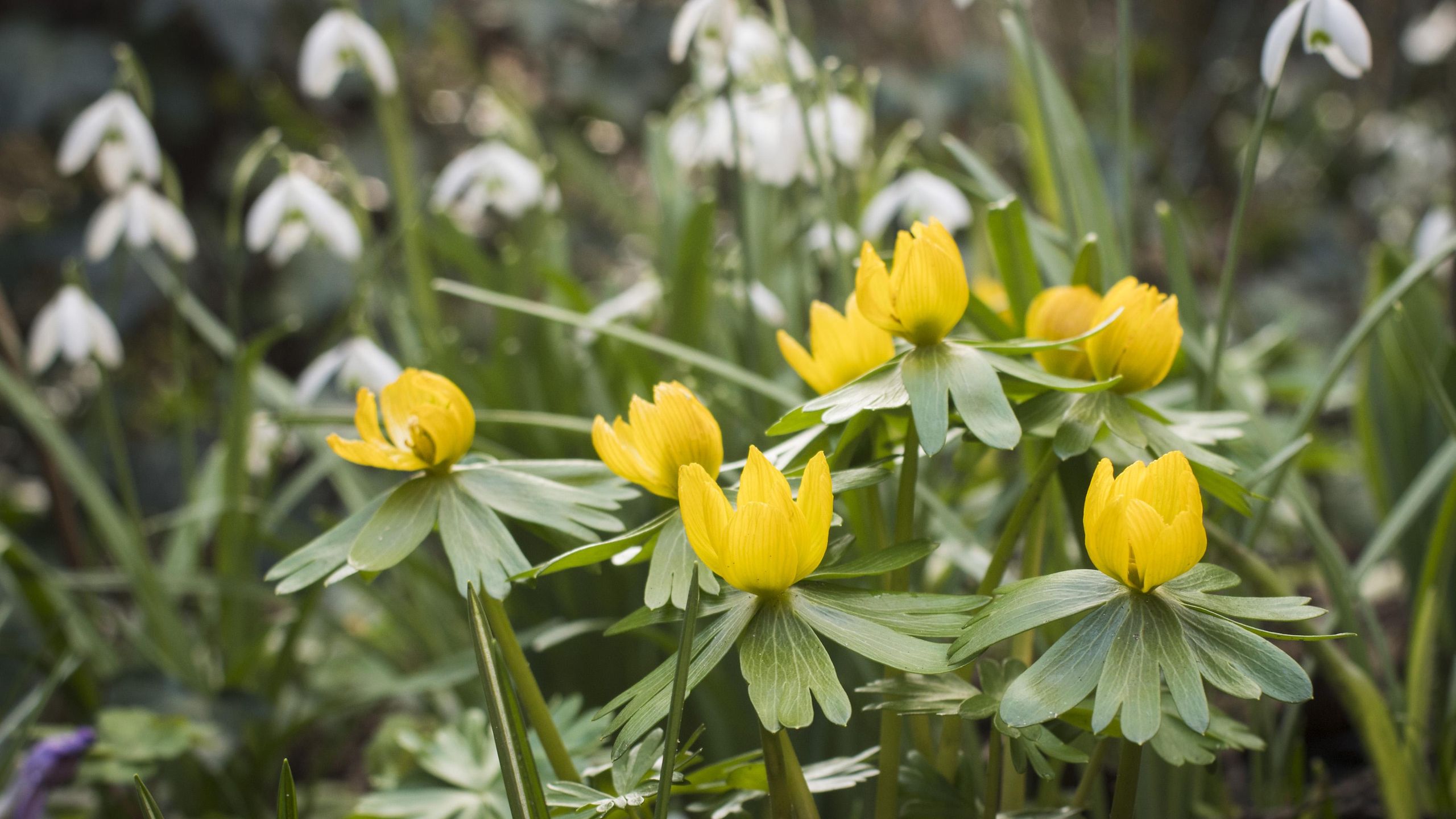
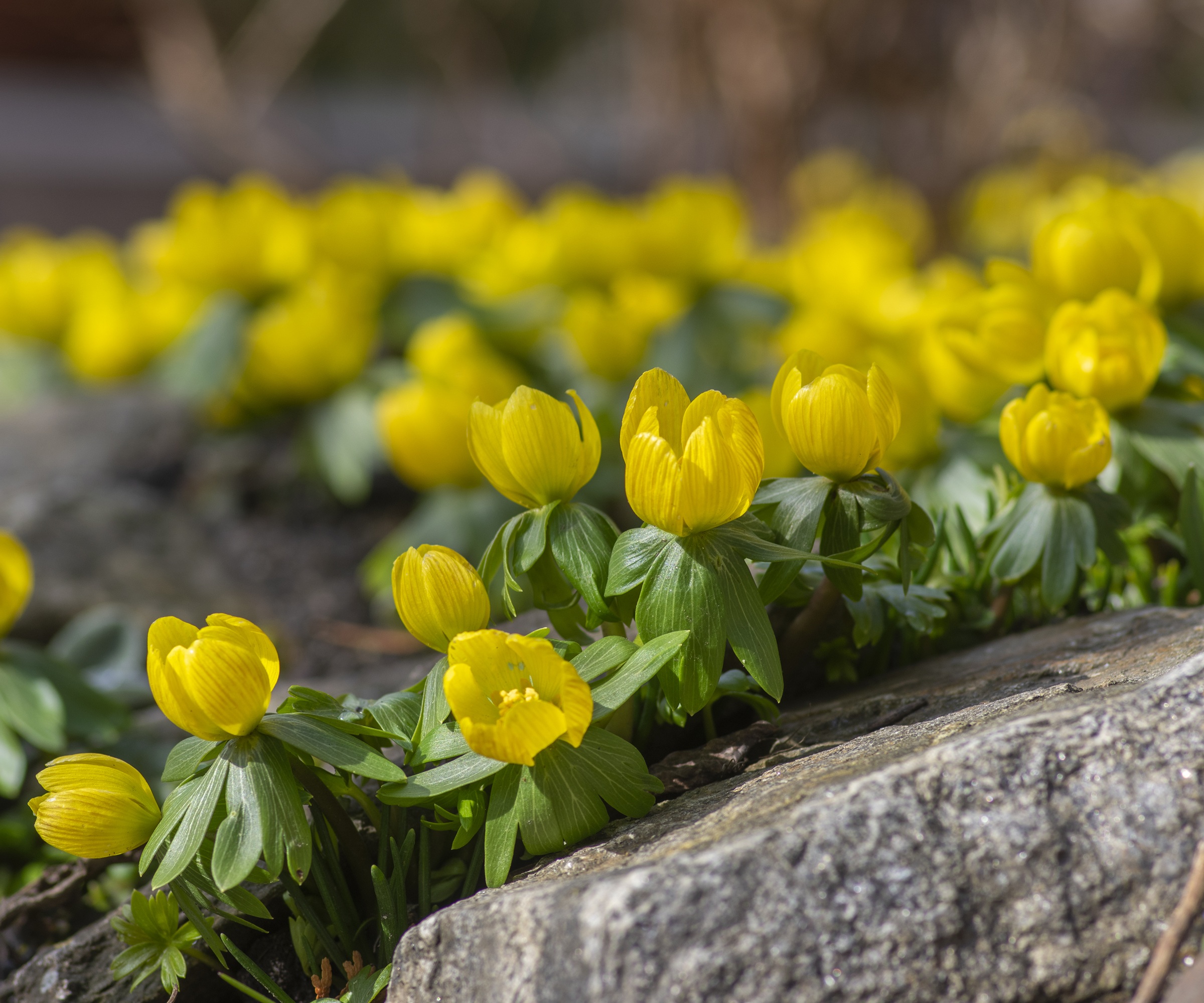
1. Winter Aconite (Eranthis Hyemalis)
Known for its striking buttercup-yellow blooms, Eranthis hyemalis can emerge as early as January in milder climates. As natural woodland plants, winter aconites thrive in sunny spots or dappled shade. They are exceptionally well-suited for planting underneath deciduous trees and shrubs, where they can soak up the weak winter sun before the canopy leafs out in spring. When planted in dense clusters, they create a brilliant golden carpet that serves as an immediate antidote to winter gloom.
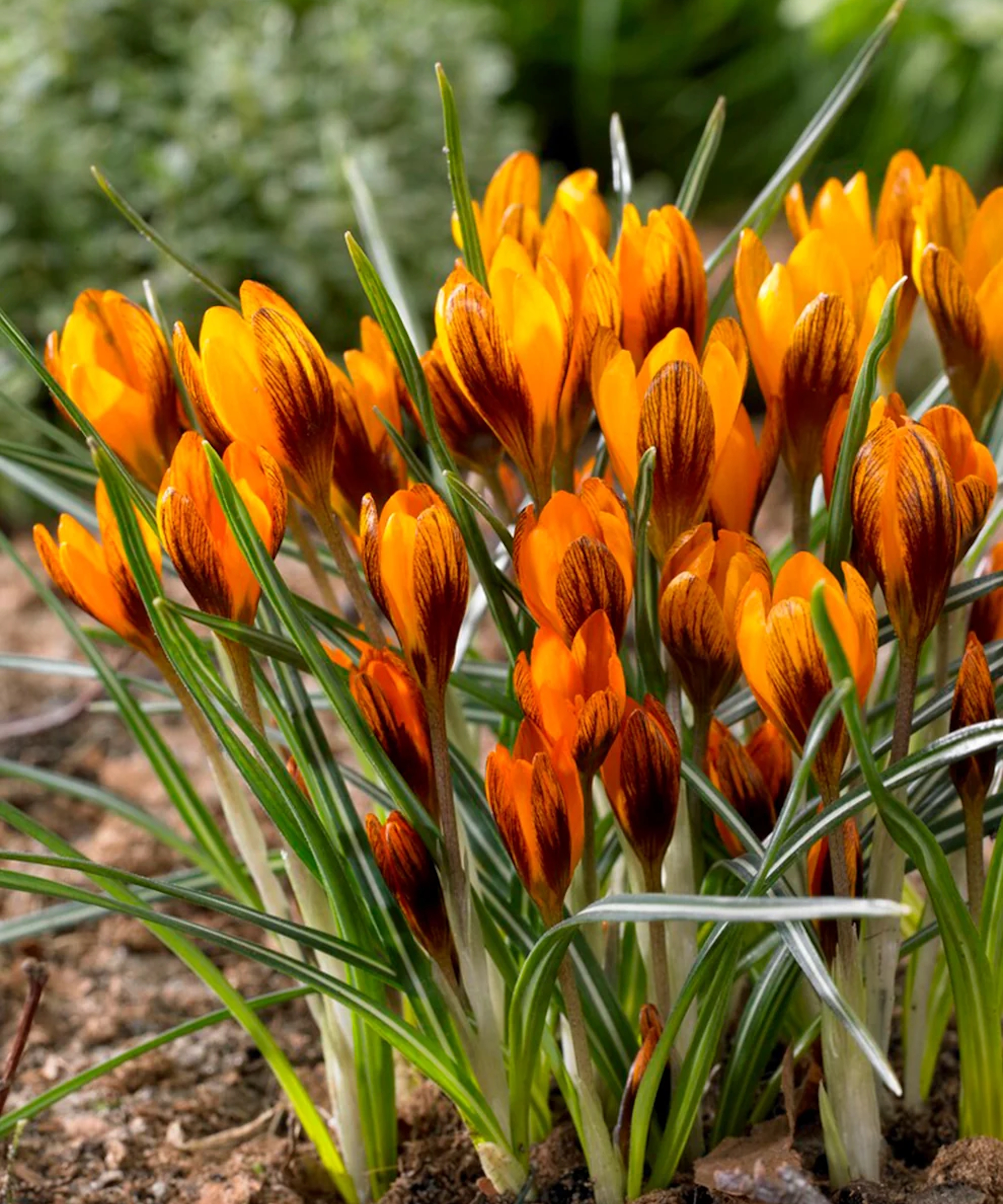
2. Crocus ‘Orange Monarch’
While traditional crocuses are well-known in shades of purple, white, and yellow, the rare Crocus ‘Orange Monarch’ offers something genuinely unique. Featuring intense, deep-orange petals striated with dramatic purple-to-brown brushstrokes, this dwarf variety reaches a modest height of just 4 to 6 inches. Despite its diminutive stature, it makes an outsized visual impact. Gardeners typically plant these bulbs 4 to 6 inches deep between September and November in sunny, well-draining soil, where they shine at the front of borders, in rockeries, or naturalized within lawns.
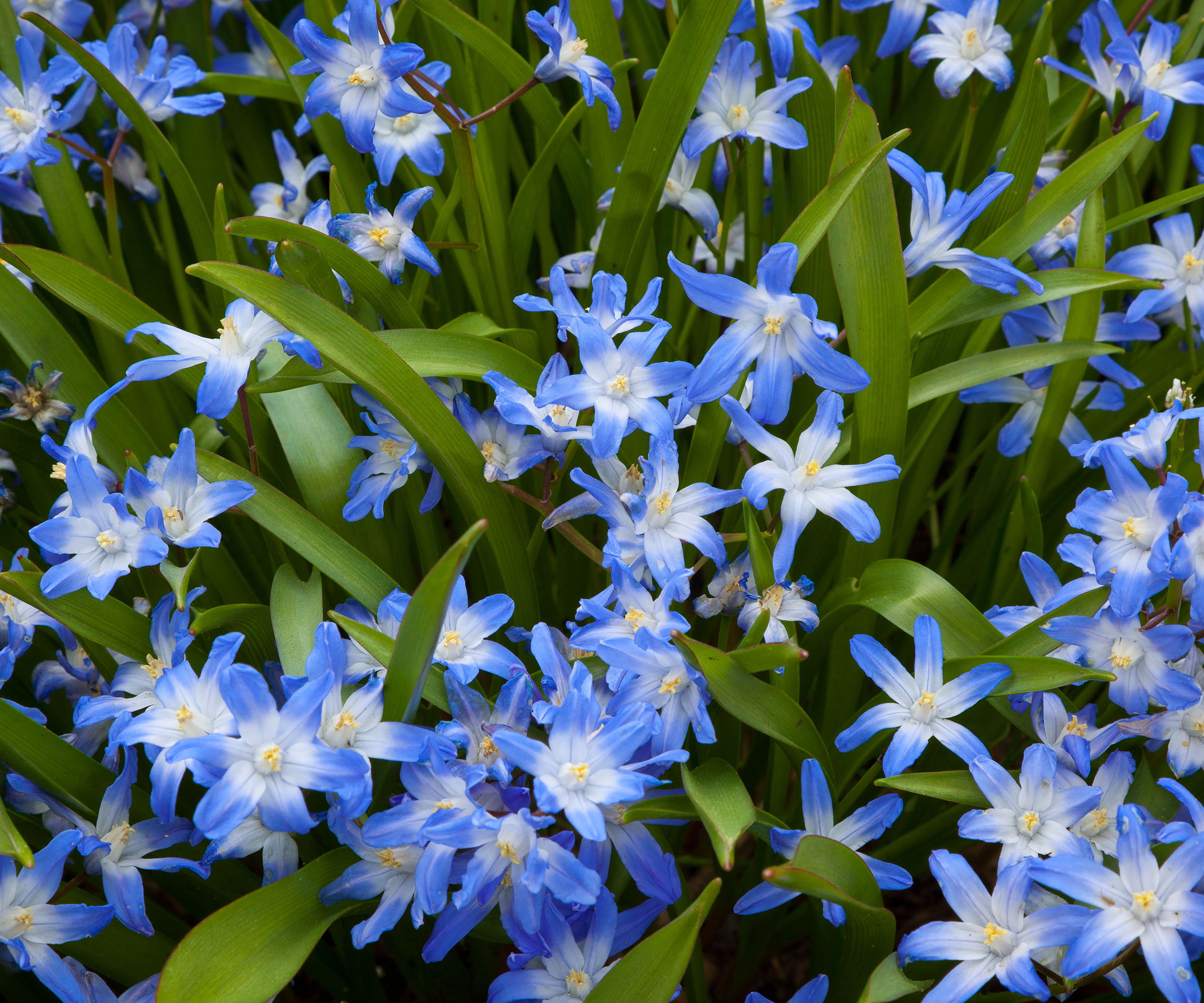
3. Chionodoxa Luciliae (Glory of the Snow)
Flowering as early as late February, Chionodoxa Luciliae is a low-maintenance miniature bulb that produces star-shaped flowers featuring lilac-to-violet-blue petals centered with a crisp white "eye." Rising above strap-shaped deep green foliage, these resilient plants tolerate shadier microclimates, making them ideal companions for woodland gardens. Over successive seasons, they naturally self-seed and spread, creating expansive drifts of sapphire-blue color. Gardeners are advised to space them roughly three inches apart in large quantities for maximum aesthetic return.
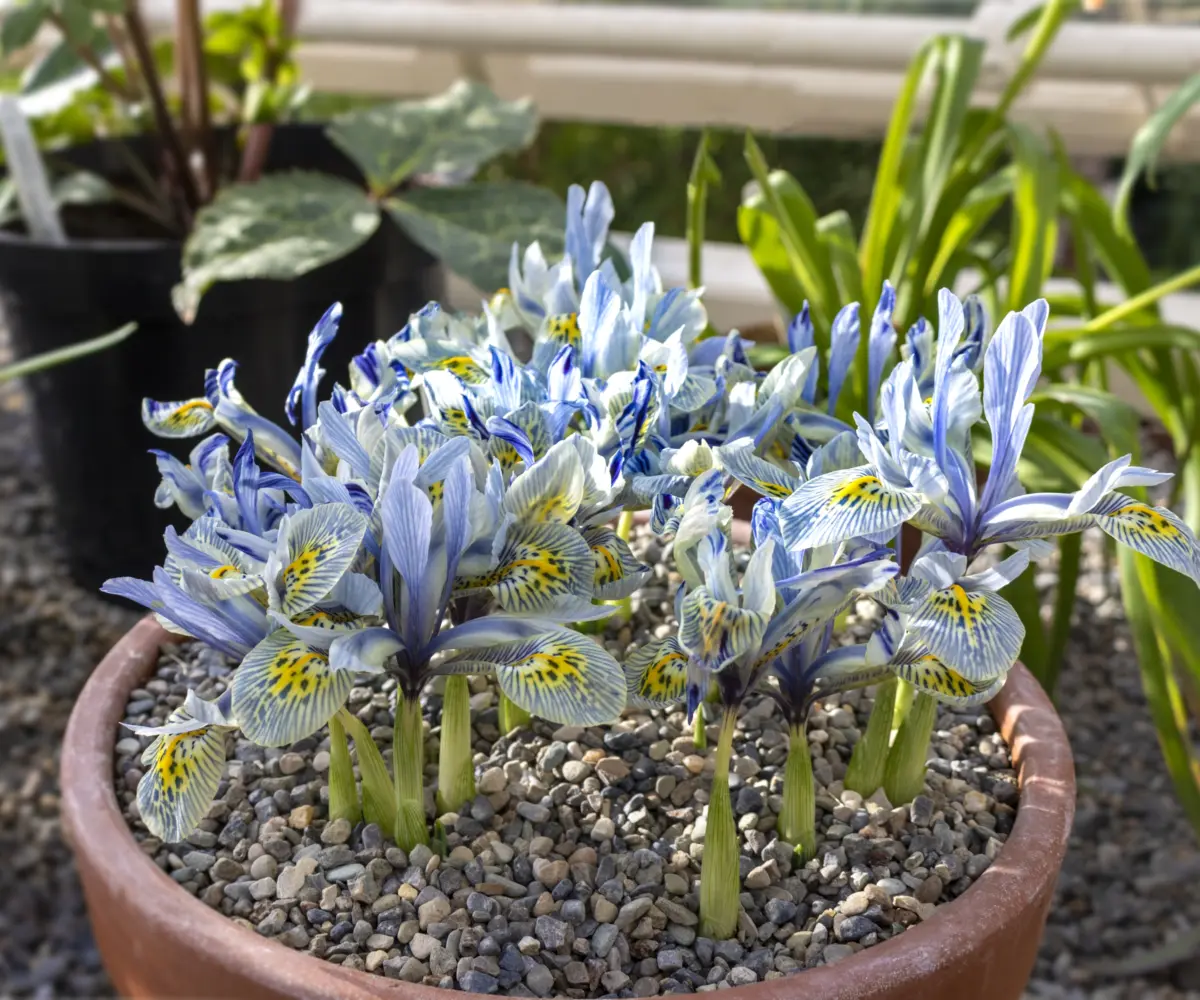
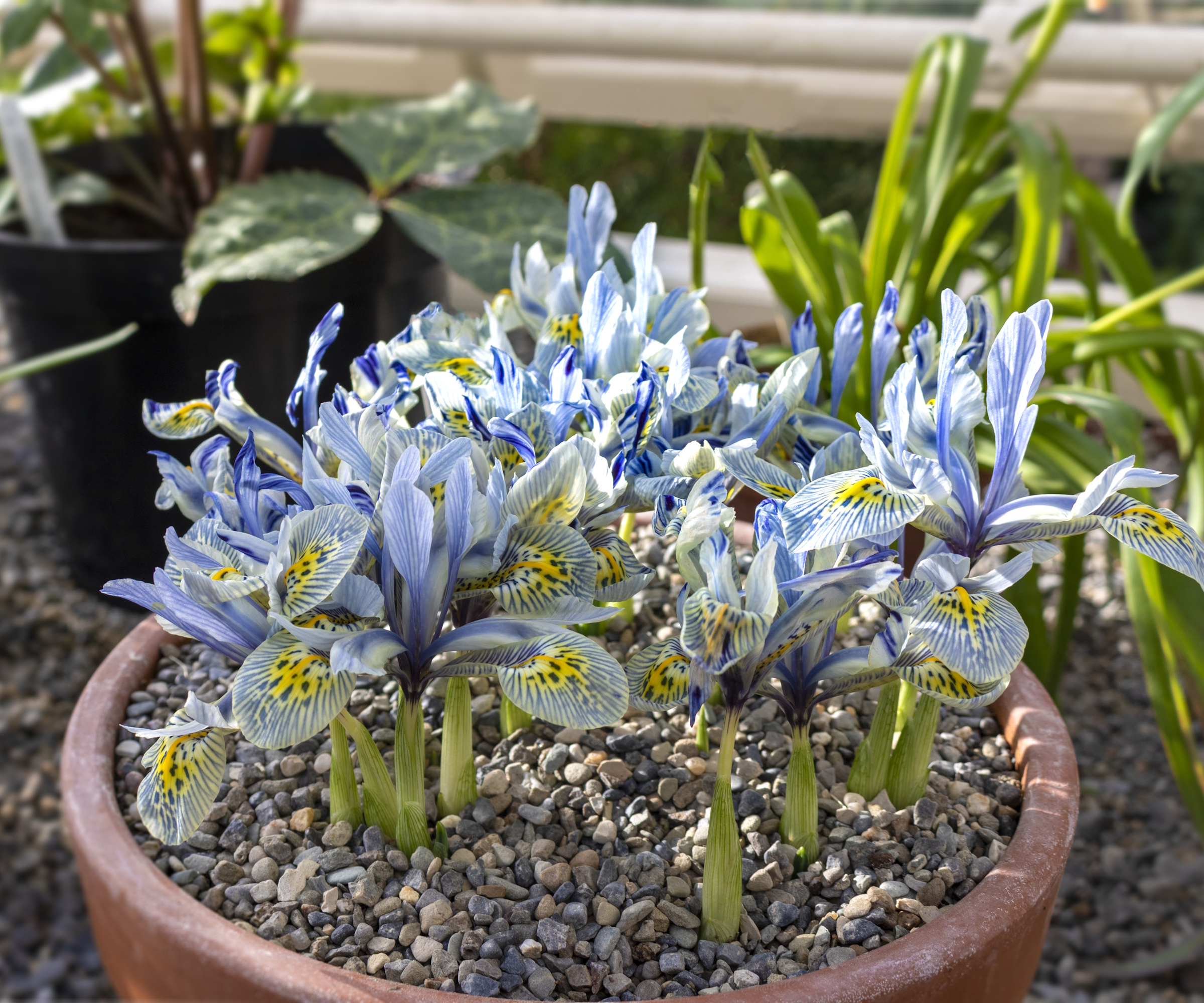
4. Dwarf Iris ‘Katharine Hodgkin’
A legendary favorite among public garden curators—including those at renowned historical sites like Hidcote Manor in the Cotswolds—this dwarf iris hybrid is a masterpiece of botanical artistry. Blooming from January through March, its intricately patterned petals feature pale pastel blue infused with deeper blue veins, set off by striking yellow blotches and delicate purple spots. Thriving in rock gardens, raised beds, or alpine containers, these bulbs should be set into the earth in September or October to guarantee reliable, breathtaking returns year after year.
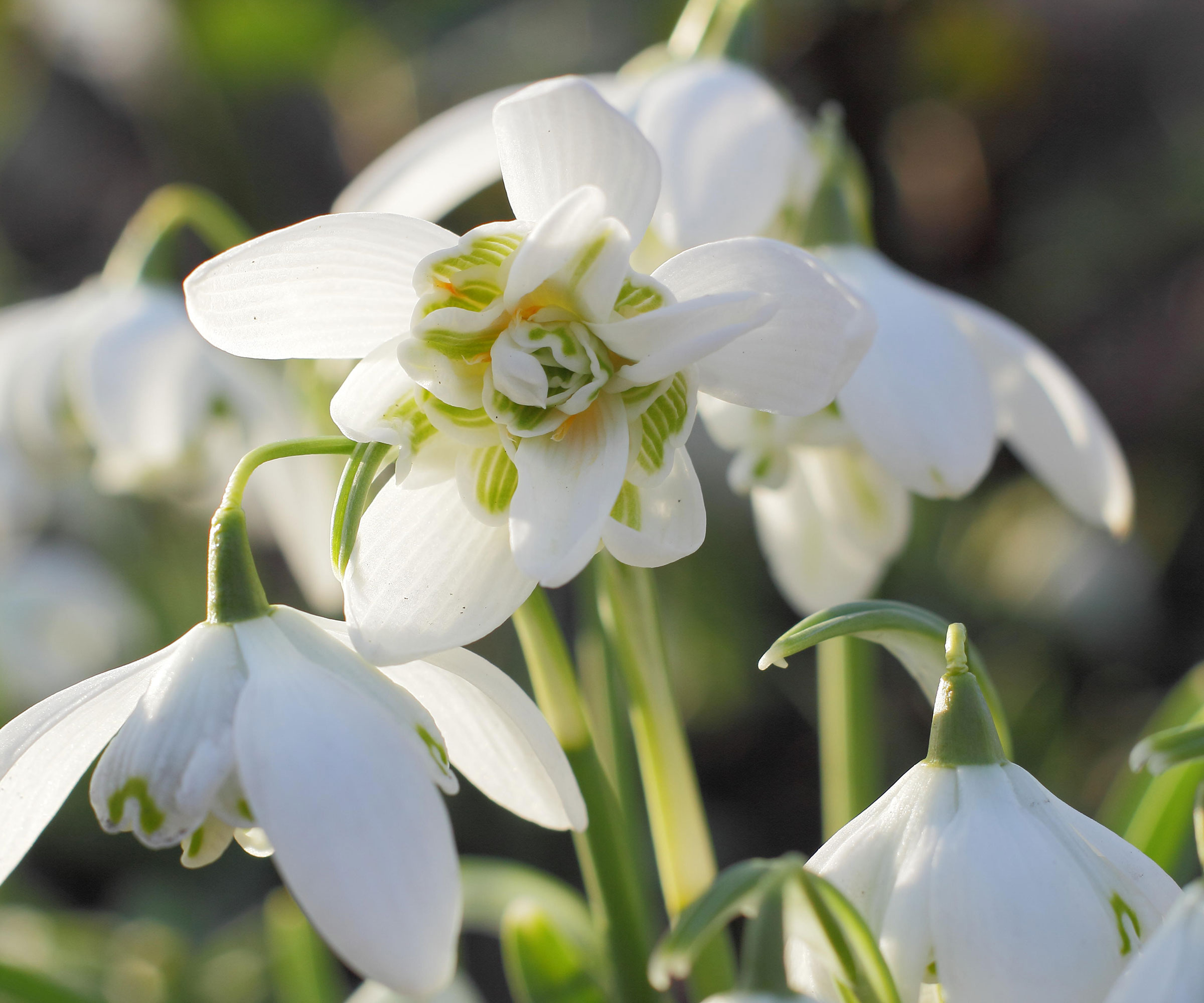
5. Galanthus ‘Flore Pleno’ (Double Snowdrop)
Snowdrops are universally adored, inspiring a dedicated subculture of collectors known as "galanthophiles." For gardeners seeking an elevated alternative to the standard wild snowdrop without investing small fortunes in hyper-rare cultivars, Galanthus ‘Flore Pleno’ is an ideal choice. This double-flowered snowdrop features multi-layered inner petals tipped with a delicate green watercolor tint. Boasting an extended flowering season that can kick off as early as January, these robust bulbs should be planted in groups of ten or more, roughly four inches deep, in sheltered beds or decorative containers.
Official Responses and Horticultural Perspectives
Industry experts and professional landscape architects emphasize that planning garden displays months in advance is the hallmark of professional-grade landscape design.
"Gardeners often make the mistake of waiting until autumn leaves are falling to think about spring," notes Jane Henderson, a veteran horticulturist and garden designer. "By then, the most sought-after cultivars—such as specialized dwarf irises and unique color mutations like the ‘Orange Monarch’ crocus—are completely sold out. Ordering in August isn’t just about being organized; it’s the only way to secure top-tier stock."
Suppliers across North America and Europe report an increasing year-on-year demand for specialty winter-blooming bulbs, driven largely by homeowners seeking to extend their outdoor engagement season well into the colder months.
Implications: Extended Seasons and Ecological Benefits
The growing popularity of early-spring bulb gardening carries significant implications not only for aesthetic landscaping but also for urban and suburban ecology.
As winters grow progressively erratic due to shifting global climate patterns, early-emerging pollinators such as queen bumblebees occasionally wake from hibernation during unusually warm winter spikes. Traditional garden landscapes often lack sustenance during these critical windows. By incorporating early-flowering bulbs like winter aconites, crocuses, and snowdrops into residential designs, gardeners provide an essential, life-saving source of early nectar and pollen for struggling local insect populations.
Furthermore, integrating naturalizing bulbs into lawns and under trees reduces the need for intensive chemical interventions or high-maintenance turf management. These self-sustaining perennials demand minimal human input once established, returning reliably year after year to enrich the soil, stabilize topsoil layers, and elevate the psychological well-being of homeowners gazing out at their winter landscapes.
For those eager to get their hands dirty before autumn officially arrives, August offers the perfect transitional platform: a time to order tomorrow’s botanical marvels while tending to late-summer perennials that maintain the garden’s structural integrity through the changing seasons.
