

Main Facts: A Taste of New York History Meets Modern Interior Design
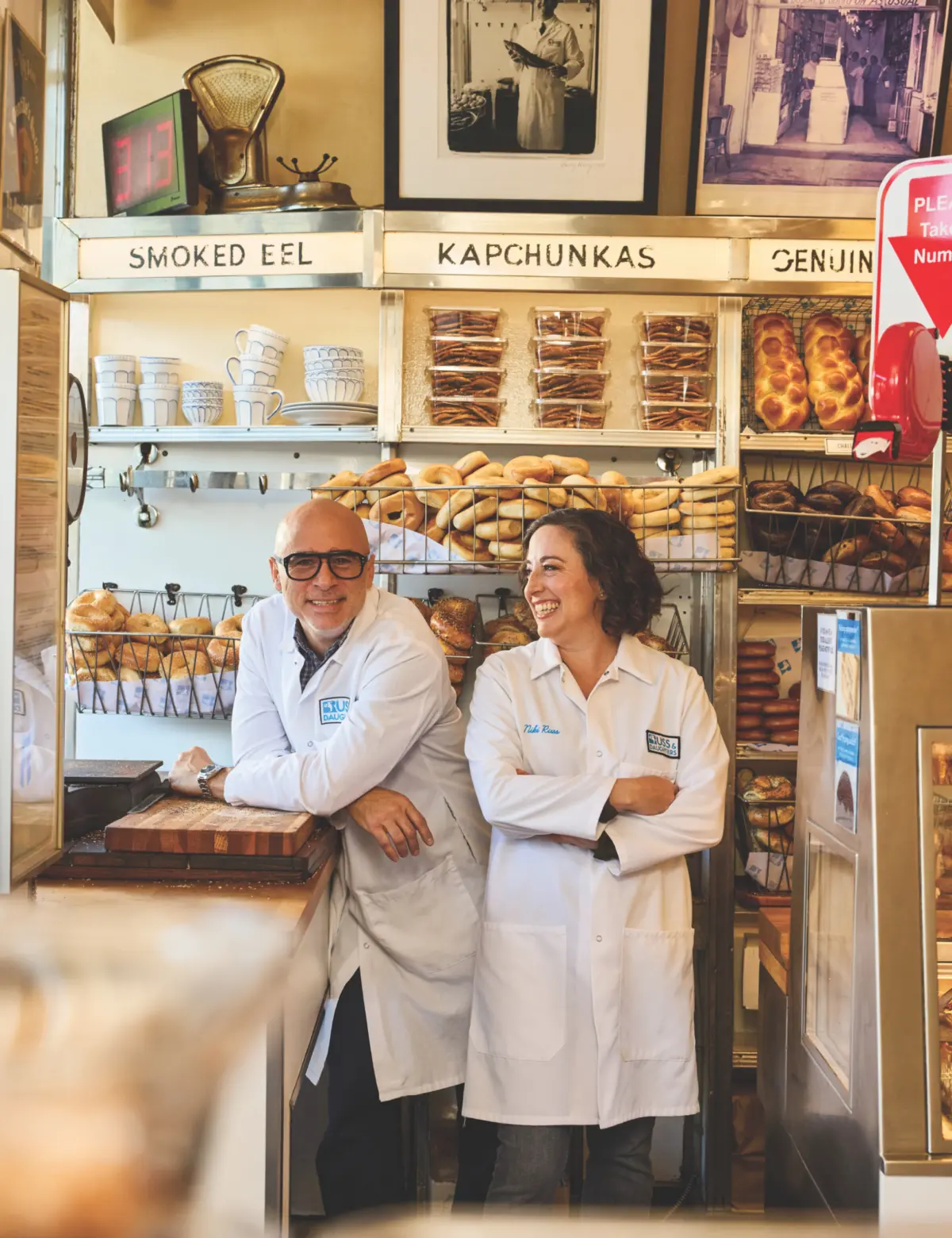
For over a century, stepping across the threshold of Russ & Daughters on Manhattan’s Lower East Side has meant stepping into a living, breathing time capsule of authentic New York City culture. The legendary appetizing shop—famous for its towering mounds of bagel schmears, the bustling energy of eager patrons, and white-jacketed counter staff expertly slicing prized sturgeon and lox—has long served its iconic culinary treasures on simple, sturdy white ceramics detailed with signature cobalt blue piping.
Now, that quintessential New York aesthetic is escaping the confines of Houston Street. In a newly launched collaboration, Russ & Daughters has partnered with contemporary home furnishings giant West Elm to debut an exclusive tableware and decor collection.
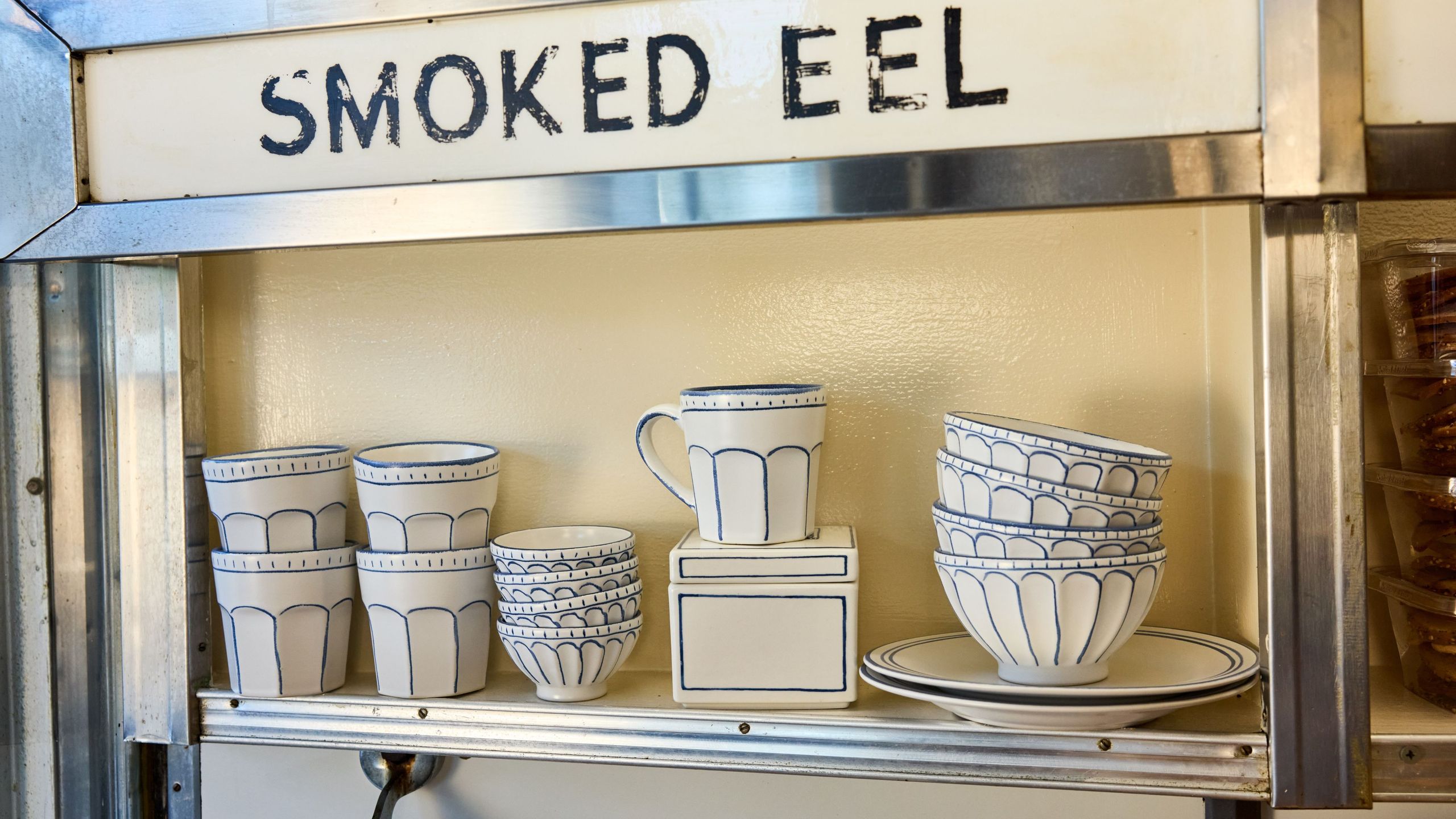
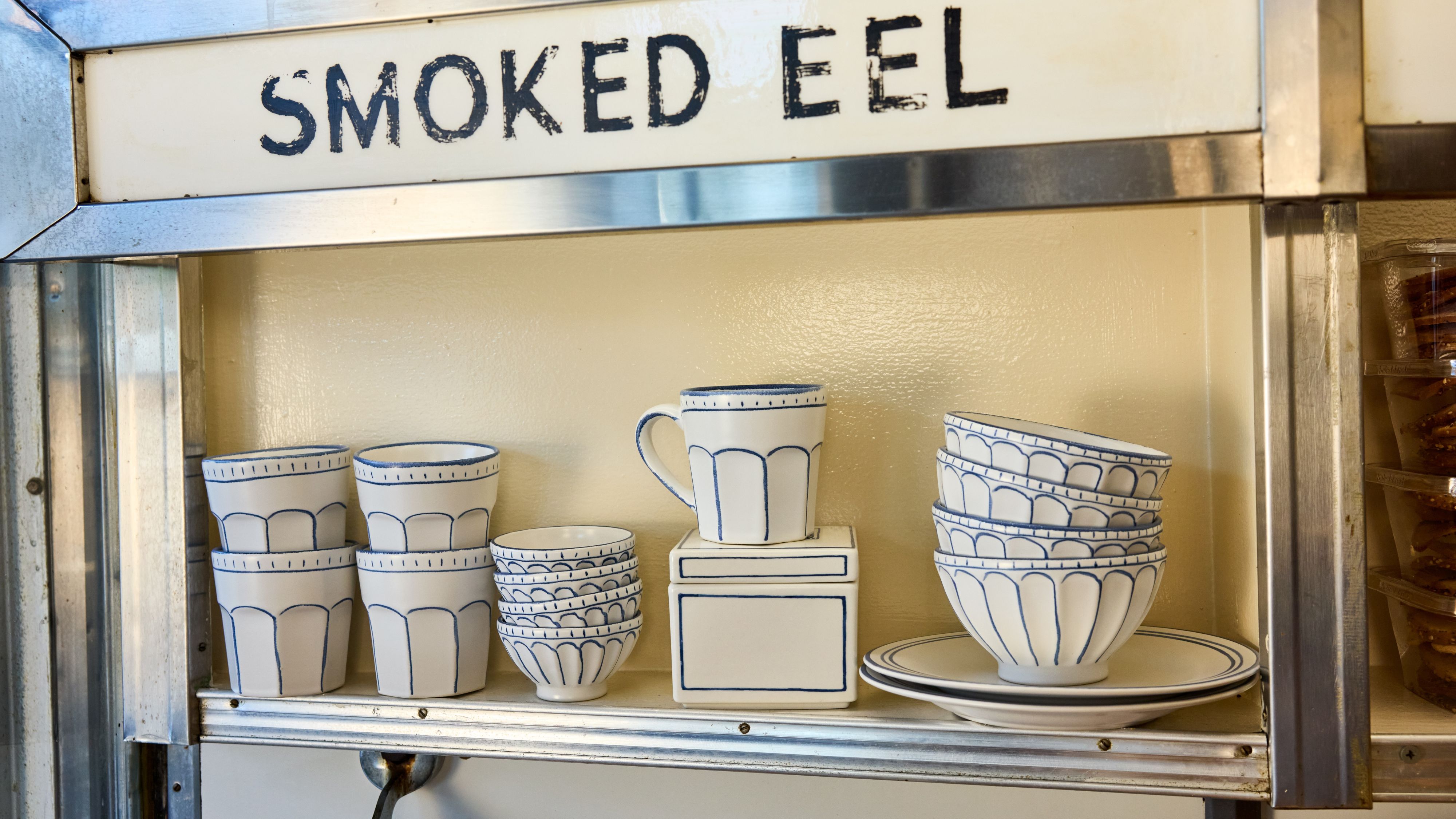
True to the heritage of the Jewish-American staple, the carefully curated line spans playful, pickled-herring-emblazoned serving platters, charming keepsake boxes, and even a ceramic menorah designed to anchor holiday traditions. While maintaining the unfussy durability and classic white-and-blue palette of the original shopware, the collection infuses a sharper, more graphic design edge suited for open-shelving displays and modern dining tables alike.
Chronology: From a Pushcart Origins to a Global Design Partnership
To understand the weight of this modern design collaboration, one must look back at the humble roots that built the Russ & Daughters legacy.
- 1914: Joel Russ begins selling schmears, herring, and smoked fish from a pushcart along the bustling immigrant-dense streets of New York’s Lower East Side.
- 1920: Russ establishes a brick-and-mortar storefront on East Houston Street, eventually making history by incorporating his daughters into the business name—a bold, forward-thinking move at the time that cemented "Russ & Daughters" as a pioneer of female entrepreneurship and family-run endurance.
- The Decades Following: Through wars, economic depressions, and the sweeping gentrification of Manhattan, the shop remains remarkably unchanged. The iconic neon sign, retro mosaic tilework, and classic white-and-blue counter ceramics become an unchanging backdrop for generations of New Yorkers, from neighborhood locals to international food pilgrims.
- 2014: The institution celebrates its landmark 100th anniversary, expanding its footprint over the subsequent decade with a cafe and additional locations, all while fiercely preserving its historic DNA.
- Present Day: Russ & Daughters crosses over into the interior design sector for the first time, partnering with West Elm to translate its historic counter culture into a permanent home collection for design enthusiasts nationwide.
Supporting Data and Collection Breakdown: Nosh in Style
The collaboration bridges the gap between commercial culinary functionality and residential aesthetic appeal. Data and product specifications from the West Elm launch highlight a collection built for both everyday utility and heirloom-quality display:
- Material and Palette: Heavy-duty, high-fired ceramic construction mirroring the robust, unpretentious nature of classic deli ware, finished with a crisp white glaze and graphic cobalt blue trim.
- Key Pieces:
- The Ceramic Fish Serving Platter: Featuring whimsical, artistic motifs of pickled herring, paying homage to the shop’s foundational appetizing roots.
- Keepsake & Decorative Boxes: Designed for functional storage or mantlepiece whimsy, echoing vintage packaging aesthetics.
- The Ceramic Menorah: A contemporary yet culturally rooted centerpiece merging modern minimalism with heritage ritual.
- Everyday Tableware: Bowls and plates engineered to transition seamlessly from a morning bowl of cereal or matzo ball soup to an evening dinner party spread.
- Accessibility: Retaining West Elm’s signature mid-market pricing strategy, the collection brings a piece of Manhattan culinary royalty into homes across the country without prohibitive luxury markups.
Official Responses: Honoring Tradition Through Modern Interpretation
The partnership has generated immense buzz across the design and culinary worlds, praised for its authenticity and emotional resonance. Fourth-generation co-owners Niki Russ Federman and Josh Russ Tupper, who currently helm the family dynasty, shared deep insights into the motivation behind the collaboration.
"We wanted this collection to honor tradition while leaving room for personal interpretation," say Niki Russ Federman and Josh Russ Tupper. "Many of the customs and objects that inspire us have been passed down across generations, but they continue to evolve. This partnership reflects that ongoing conversation in a way that feels welcoming, joyful, and true to who we are."
Design critics and industry insiders have similarly lauded the project for avoiding cheap novelty in favor of genuine storytelling. By working closely with West Elm’s product development teams, the Russ family ensured that every stroke of blue paint and every structural curve nodded directly to the physical reality of the Houston Street store.
West Elm representatives noted that collaborations work best when they tell an authentic story anchored in a specific place and culture. The Lower East Side aesthetic—steeped in immigrant history, mid-century resilience, and vibrant community life—provides a narrative depth that mass-market decor often lacks.
Implications: The Rise of Narrative-Driven Interior Design
The Russ & Daughters x West Elm collaboration arrives at a fascinating intersection of modern interior design trends, signaling broader shifts in how consumers curate their living spaces.
1. The Death of the Sterile Minimalist Kitchen
For years, home decor trends favored ultra-clean, uniform, and neutral aesthetics—often stripping kitchens and dining rooms of individual personality. The embrace of Russ & Daughters’ graphic, food-centric tableware points to a surging appetite for "maximalist storytelling" and personality-driven spaces. Consumers increasingly want their homes to reflect specific cultural narratives, memories, and culinary passions rather than generic showroom perfection.
2. The Cross-Pollination of Food and Fashion/Interiors
We have long witnessed fashion houses expanding into homewares and luxury hotels launching signature scents, but the partnership between a legacy appetizing shop and a global furniture retailer represents a more nuanced trend: the elevation of culinary institutions into lifestyle brands. Russ & Daughters is no longer just a place to buy smoked salmon; it is a cultural signifier of New York cool, heritage, and taste.

3. Nostalgia as Modern Currency
In an era marked by rapid technological change and global uncertainty, consumers are actively seeking comfort in tangible objects rooted in history. Items like the Russ & Daughters menorah and herring platters offer a tactile connection to the past. They invite storytelling around the dinner table, transforming a routine meal into an experiential ritual.
Whether your new West Elm bowl is destined to hold traditional matzo ball soup, Sunday morning granola, or simply sit on an open kitchen shelf as a vibrant piece of structural art, the collaboration ensures that the spirit of New York’s Lower East Side can now find a home anywhere in the world. As the collection rolls out, design lovers and foodies alike are given a rare opportunity: the chance to bring a slice of New York’s finest culinary history straight to their tabletops.
