

Published August 29, 2026 | Architecture & Design News
Main Facts
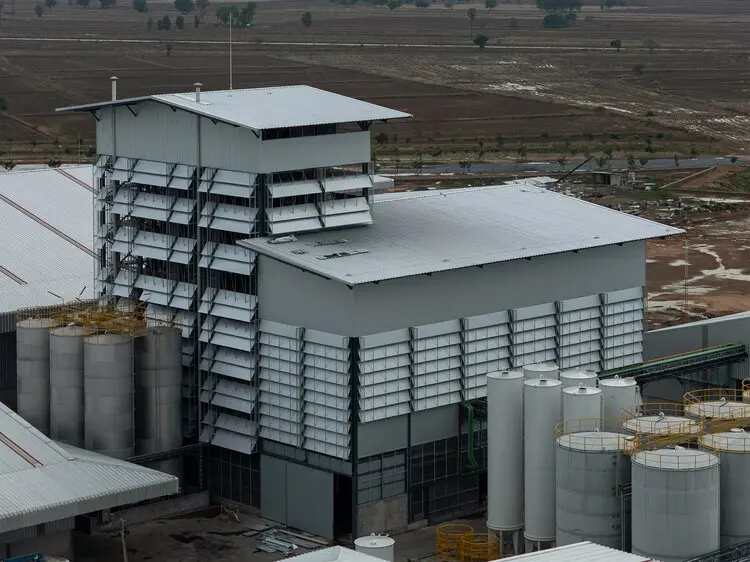
In an era dominated by high-tech building automation systems, complex composite materials, and energy-intensive climate control technologies, architecture firm PHTAA has taken a radically different approach to industrial design. Their recently completed LPP Rice Bran Oil Refinery, captured through the lens of architectural photographer Kukkong Thirathomrongkiat, demonstrates that exceptional industrial performance does not require sophisticated, resource-heavy technologies. Instead, the project proves that ordinary materials and simple construction systems, when thoughtfully reassembled, can yield a high-performing facility deeply attuned to its environment.
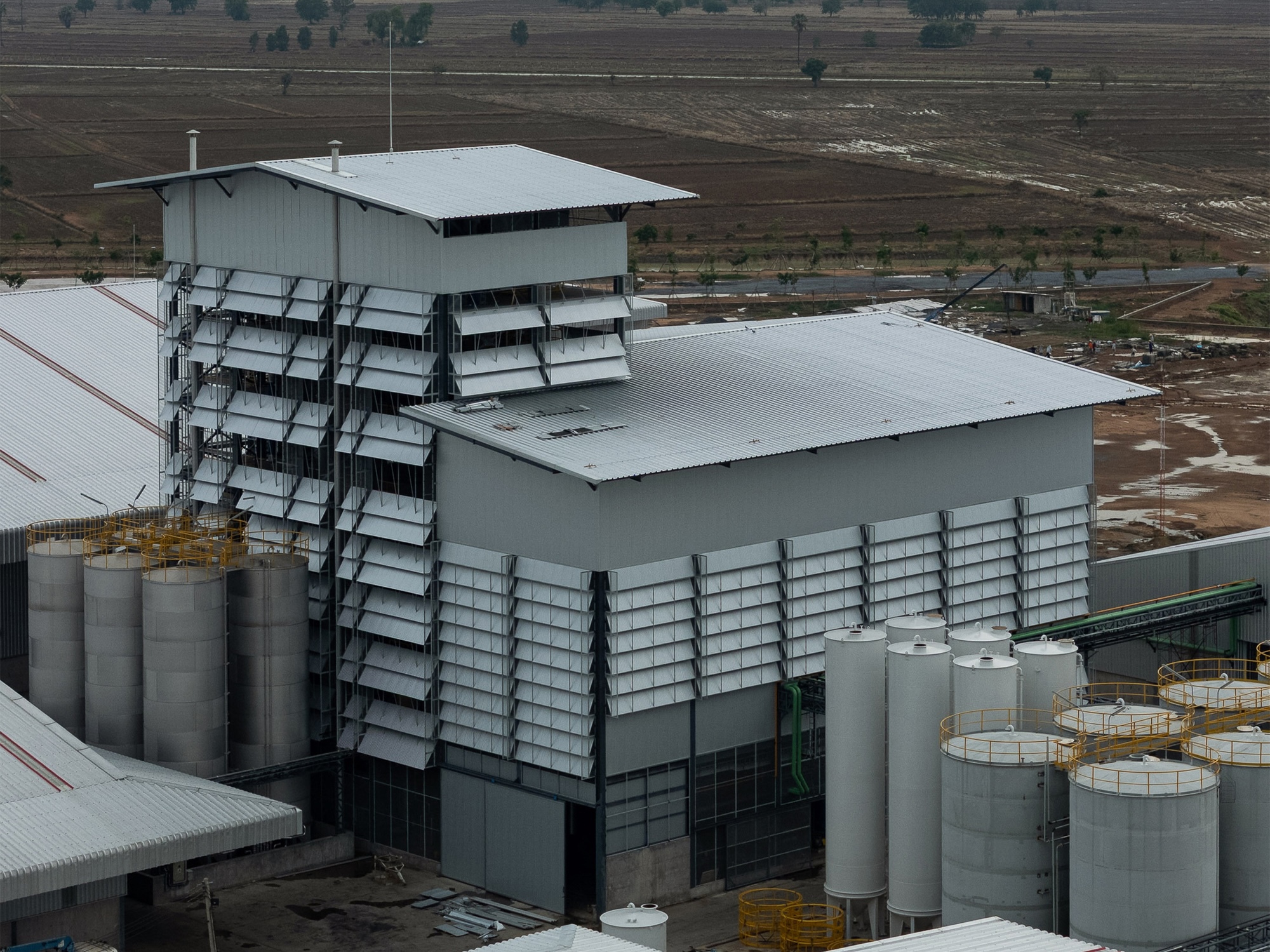
Situated within an open agricultural landscape, the LPP Rice Bran Oil Refinery is an exercise in contextual pragmatism. Rather than imposing a generic, sealed-box industrial prototype onto the site, PHTAA began by studying the harsh, unyielding realities of the local climate and geography. The region subjects structures to extreme conditions: strong, sweeping winds; heavy seasonal downpours; intense, unmitigated tropical sunlight; and the constant presence of local wildlife, particularly birds, drawn to open agricultural fields.
Rather than viewing these environmental factors as obstacles to be overcome through mechanical HVAC systems and impenetrable facades, the architects used them as the primary design drivers. The climate and site constraints became the foundation for shaping the building envelope, dictating how the structure breathes, sheds water, filters light, and repels pests while maintaining operational efficiency.
Chronology
The realization of the LPP Rice Bran Oil Refinery followed a deliberate timeline rooted in careful observation, iterative prototyping, and site-specific execution:
- Phase 1: Site Observation and Environmental Analysis (Initial Concept Stage): PHTAA’s design team spent extensive time on-site studying microclimatic data. They mapped wind directions, solar paths during different seasons, and rainfall intensity. They also documented the ecological patterns of the local agricultural zone, noting how local bird populations interacted with built structures.
- Phase 2: Material Sourcing and Prototyping: Moving away from specialized, high-cost imported industrial cladding, the architects cataloged ordinary, locally available construction materials. They tested how basic steel profiles, perforated panels, and common masonry or roofing elements could be re-engineered to handle ventilation and weatherproofing without relying on motorized systems.
- Phase 3: Architectural Design and Envelope Engineering: The team developed a responsive building envelope. The design integrated passive cooling strategies, capitalizing on natural wind currents to ventilate the facility while implementing strategic physical barriers to prevent bird infiltration—a critical hygiene requirement for an edible oil refinery.
- Phase 4: Construction and Assembly: Utilizing straightforward construction systems, local builders assembled the refinery. The simplicity of the techniques allowed for efficient construction timelines and minimized the need for specialized foreign labor or complex machinery.
- Phase 5: Completion and Documentation: The refinery officially opened, and architectural photographer Kukkong Thirathomrongkiat documented the completed structure, capturing how light, shadow, and materiality interact across the expansive industrial complex.
- Phase 6: Public Debut and Critical Acclaim (August 2026): The project was formally unveiled to the global architectural community via publications like ArchDaily, sparking widespread discussions regarding sustainable, low-tech industrial design.
Supporting Data
To fully appreciate the scope and philosophy of the LPP Rice Bran Oil Refinery, it is helpful to examine the quantifiable parameters and structural dynamics that informed PHTAA’s design:
- Project Typology: Industrial Architecture / Agricultural Processing Facility (Rice Bran Oil Refinery).
- Design Firm: PHTAA.
- Primary Photography: Kukkong Thirathomrongkiat.
- Core Climate Challenges Addressed:
- High ambient temperatures requiring continuous thermal mitigation.
- Heavy tropical precipitation requiring robust runoff and waterproofing details.
- High-velocity winds demanding aerodynamic or permeable facade solutions to prevent structural shear stress.
- Avian pest management (critical for food-grade processing facilities) achieved via porous yet secure screening materials.
- Technological Approach: Low-tech passive design, relying on natural ventilation corridors and sun-shading envelopes rather than sealed, air-conditioned mechanical sheds.
- Materiality: Ordinary industrial building supplies (such as corrugated steel, standard structural profiles, and porous mesh elements) elevated through precise detailing and proportional rhythm.
Official Responses and Design Philosophy
While industrial architecture is traditionally evaluated strictly on its square footage, throughput capacity, and mechanical output, PHTAA’s approach shifts the metric toward architectural performance and ecological integration. Although corporate statements from the refinery operators emphasize the facility’s high processing standards and hygienic safety compliance, the architects have been vocal about the philosophical underpinnings of the design.
In their official design description, the architects noted:
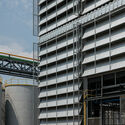
"The project explores how ordinary materials and simple construction systems can be carefully reassembled to create a high-performing industrial building. Rather than introducing sophisticated technologies, the design begins with understanding the site’s actual conditions…"
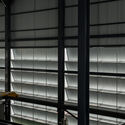
According to PHTAA, modern industrial design has become overly reliant on high-maintenance mechanical systems that consume vast amounts of energy just to maintain habitable conditions inside large-scale sheds. By stripping away these dependencies, the LPP Rice Bran Oil Refinery serves as a critique of standard industrial typologies. The design team argues that true sustainability in industrial architecture begins with listening to the landscape—letting the wind cool the building naturally, using perforated facades to filter harsh sunlight, and designing envelopes that respect both human operators and local ecosystems.
Implications
The completion of the LPP Rice Bran Oil Refinery carries significant implications for the future of industrial architecture, particularly in Southeast Asia and other agrarian-industrial regions:
1. Redefining Industrial Sustainability
Most "green" industrial buildings focus on solar panels on the roof or rainwater harvesting tanks while leaving the core building envelope dependent on intensive energy grids. PHTAA’s project demonstrates that passive industrial design is viable. By optimizing the building skin to manage wind, rain, and heat natively, the refinery drastically reduces its operational carbon footprint over its lifecycle.
2. The Elevation of the Ordinary
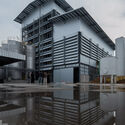
Architects often feel pressured to use high-end, bespoke materials to create award-winning architecture. PHTAA challenges this notion by proving that vernacular and mass-produced industrial materials—when subjected to rigorous intellectual assembly and proportional care—can achieve profound aesthetic and functional dignity. The building shows that beauty and performance emerge from how materials are put together, not how much they cost.
3. Harmonizing Industry with Agriculture
Industrial facilities are frequently viewed as foreign intrusions into rural and agricultural landscapes—massive, monolithic boxes that disrupt local ecosystems and viewsheds. By factoring in environmental nuances like local bird migration and wind patterns, the LPP Rice Bran Oil Refinery sits more harmoniously within its agricultural context. It creates a blueprint for how food-processing and agricultural industries can coexist with their surrounding environments without resorting to aggressive spatial isolation.
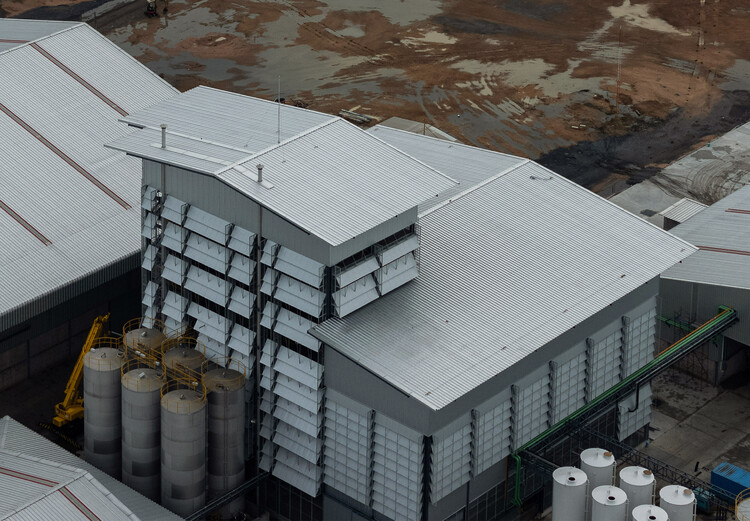
As global industries face mounting pressure to reduce energy consumption and embrace sustainable practices, PHTAA’s work on the LPP Rice Bran Oil Refinery offers a refreshing and pragmatic model. It proves that thoughtful design, rooted in local realities rather than imported technological fixes, remains humanity’s most powerful tool for shaping the built environment.
