

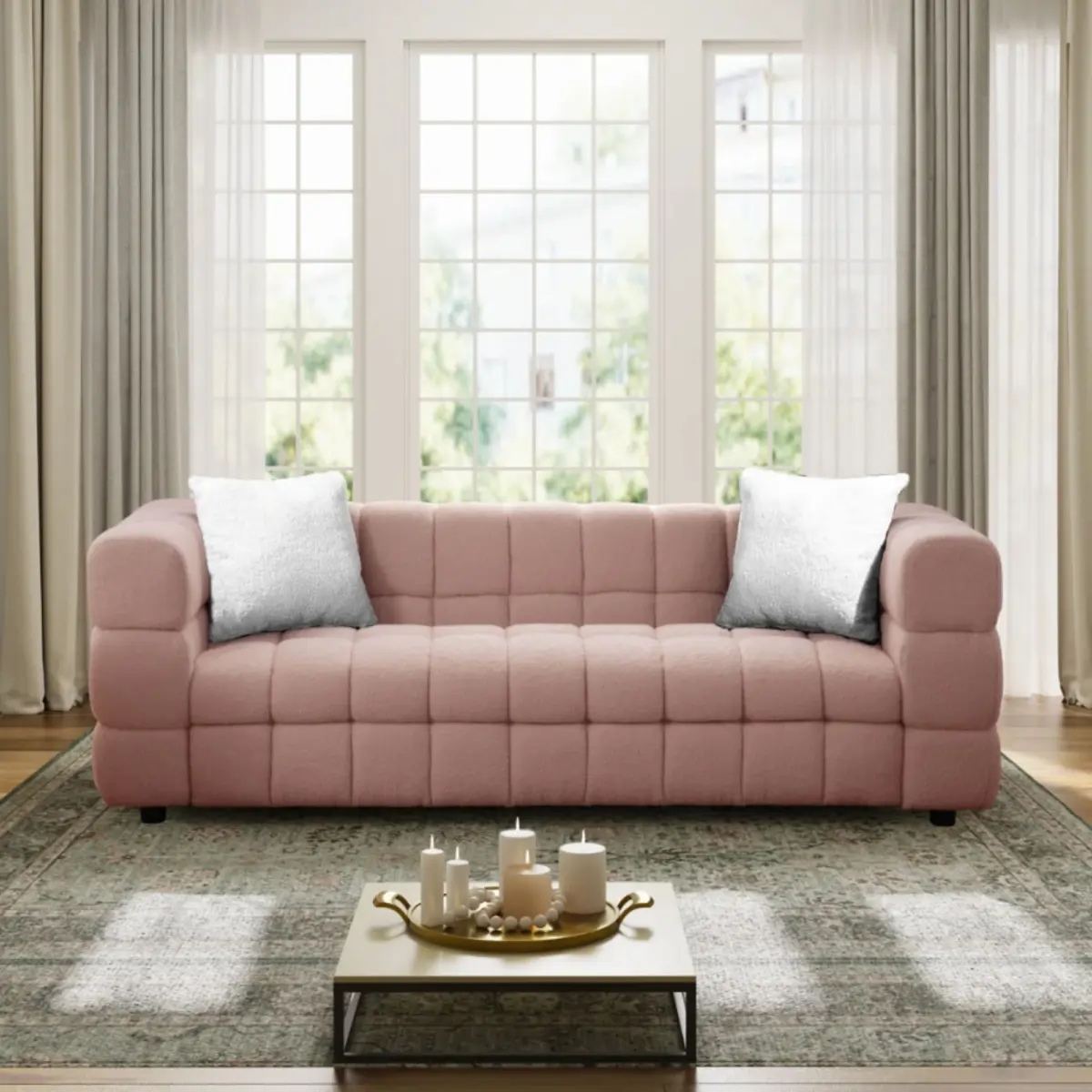
NEW YORK — In an era where internet aesthetics rise and fade with dizzying velocity, the phrase "quiet luxury" has been stretched to its absolute linguistic limit. Once used to describe the pinnacle of understated elegance and high-craftsmanship discretion, the term is frequently tossed around as a catch-all for any room painted in an off-white hue.
Yet, inside actress Jennifer Connelly’s sun-drenched Brooklyn residence, the design ethos feels entirely reborn. Eschewing the sterile, monochromatic traps that plague modern minimalist spaces, Connelly’s neutral living room breathes new life into the movement. It marries the quintessential pillars of the trend—warm creams, rich beiges, and honest wooden furniture—with a lived-in authenticity that feels neither overly curated nor performative.
Main Facts: Anatomy of a Masterclass in Restraint
At first glance, Connelly’s living room strikes a delicate balance between grand architectural scale and intimate human comfort. Floor-to-ceiling windows flood the space with natural daylight, bouncing off honey-toned wooden elements and casting long shadows across meticulously crafted wall paneling.

Rather than relying on loud, trend-driven art pieces or jarring color blocks, the room relies on a masterclass of tonal restraint:
- The Palette: Anchored by ivory, natural wood, and rich honey tones, the space successfully sidesteps the flat, uninspired "beige-on-beige" look.
- The Anchors: A grand piano grounds the expansive room, juxtaposed against low-profile cream seating and a tactile velvet daybed.
- The Texture Story: Abundant tactile layering—from crisp linen and nubby bouclé to soft drapery and structural wood grains—creates depth without the clutter of unnecessary ornamentation.
The result is a masterclass in spatial breathing room. The furniture has ample room to exist independently, allowing the room’s inherent architecture to take center stage.
Chronology: The Evolution of "Quiet Luxury" in Celebrity Interiors
To understand why Connelly’s Brooklyn space is turning heads, one must look at how celebrity interior design has evolved over the past decade.
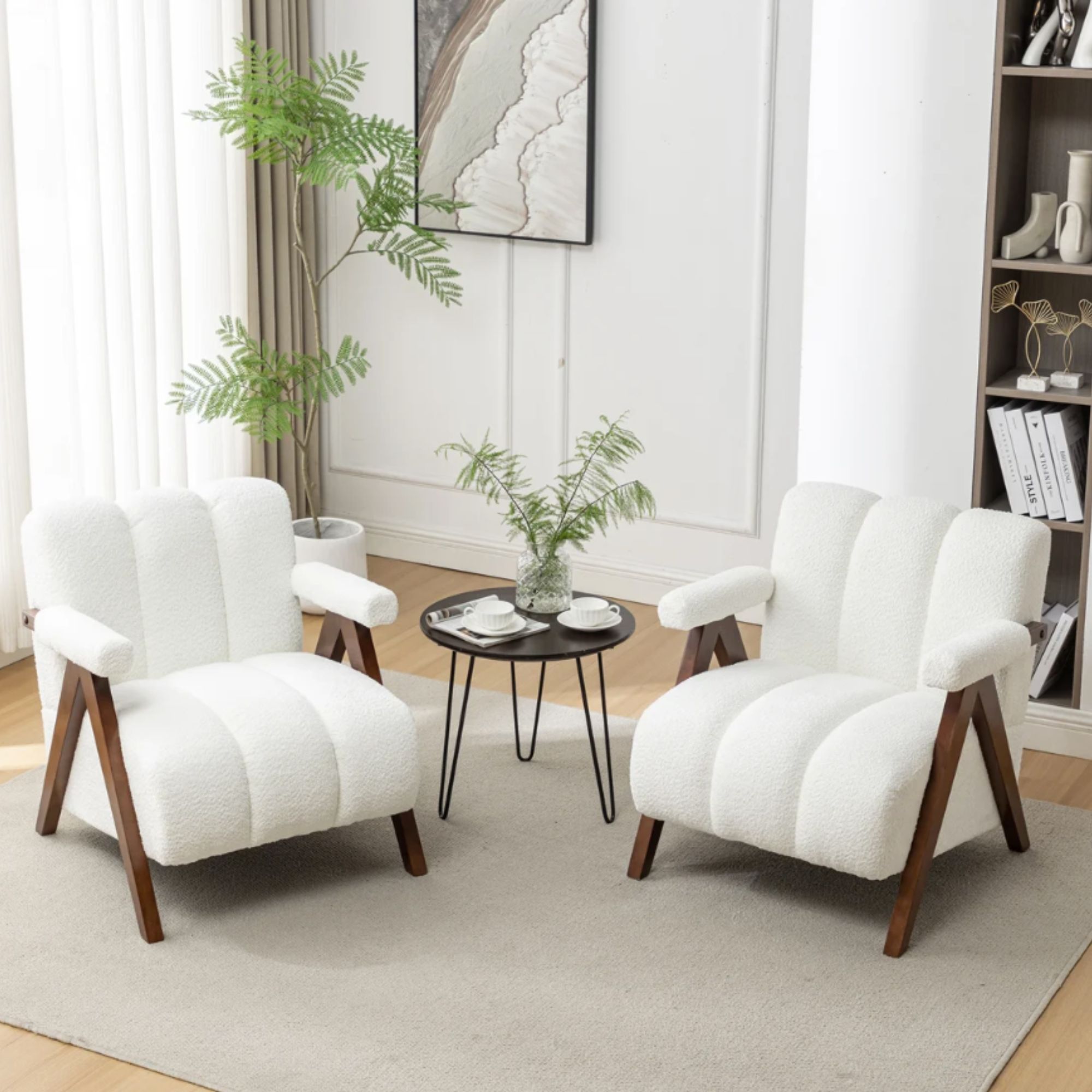
- The Mid-2010s (The Era of Maximalism & Display): Celebrity homes were defined by high-gloss finishes, saturated jewel tones, and heavily styled shelves designed to read well on early social media feeds. Every square inch demanded visual attention.
- The Pandemic Shift (The Search for Sanctuary): As global lockdowns forced homeowners inward, priorities shifted toward comfort, wellness, and organic materials. Neutrals gained traction, though early iterations often leaned into clinical minimalism.
- 2023–2024 (The Buzzword Era): The moniker "quiet luxury" (borrowed from fashion) exploded across lifestyle publications. It quickly became commercialized, often reduced to mass-produced bouclé sofas and stark white walls devoid of personality.
- The Present (The Authentic Revival): Today, spaces like Connelly’s represent a corrective course. Designers and homeowners are moving away from trend-chasing and toward spaces rooted in longevity, heritage materials, and personal sanctuary—proving that true luxury whispers rather than shouts.
Supporting Data: Translating the Look to the Everyday Home
While stepping into a celebrity’s brownstone might feel out of reach, interior experts emphasize that the underlying design philosophy is remarkably accessible. According to recent lifestyle and home-furnishing metrics, consumer interest in architectural detailing—such as wall paneling, fluting, and natural hardwood finishes—has risen by over 35% year-over-year, signaling a broader market shift away from fast-furniture trends.
Home stylists and industry leaders have curated key benchmarks to achieve this aesthetic without requiring a celebrity budget:
- Invest in Understated Upholstery: Focus on low-profile sofas and armchairs in muted, foundational tones like ivory, taupe, and soft oatmeal. Look for performance fabrics that offer heavy texture, such as heavy-weight linen, velvet, or textured bouclé.
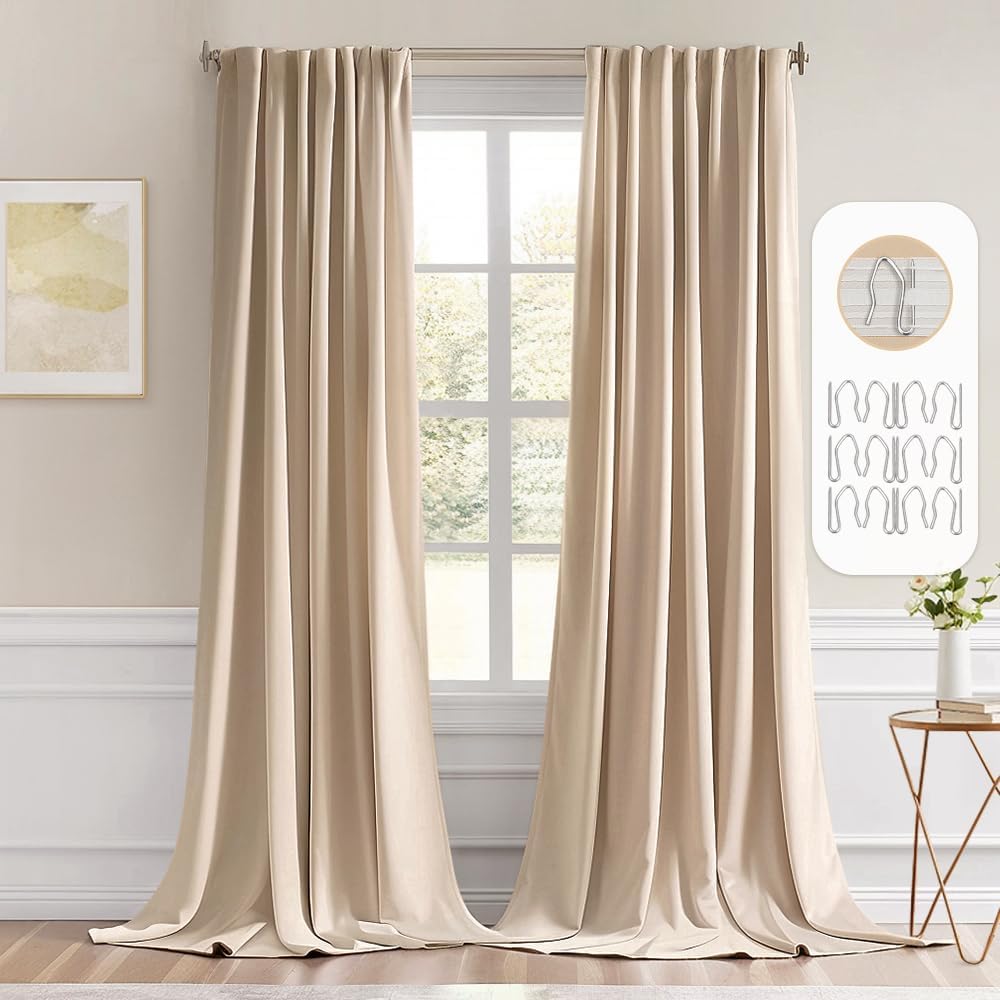
- Elevate Architectural Softness: Curtains are frequently overlooked as functional afterthoughts, but floor-to-ceiling drapery in neutral, blackout-lined fabrics can instantly soften hard edges and elevate a room’s perceived ceiling height.
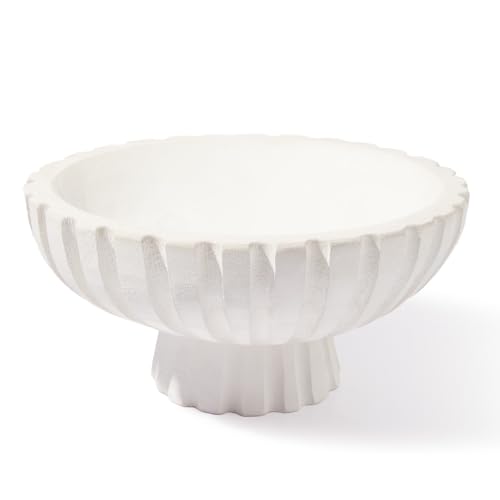
- Embrace Organic Imperfections: Incorporate functional decor items crafted from natural materials—such as a sculptural wooden pedestal bowl, a hand-carved coffee table, or a vintage ceramic vessel—to introduce warmth and subtle character.
Official Responses and Expert Insights
Industry professionals have been quick to praise Connelly’s approach, noting that it aligns closely with the foundational rules of "old money" and heritage design.
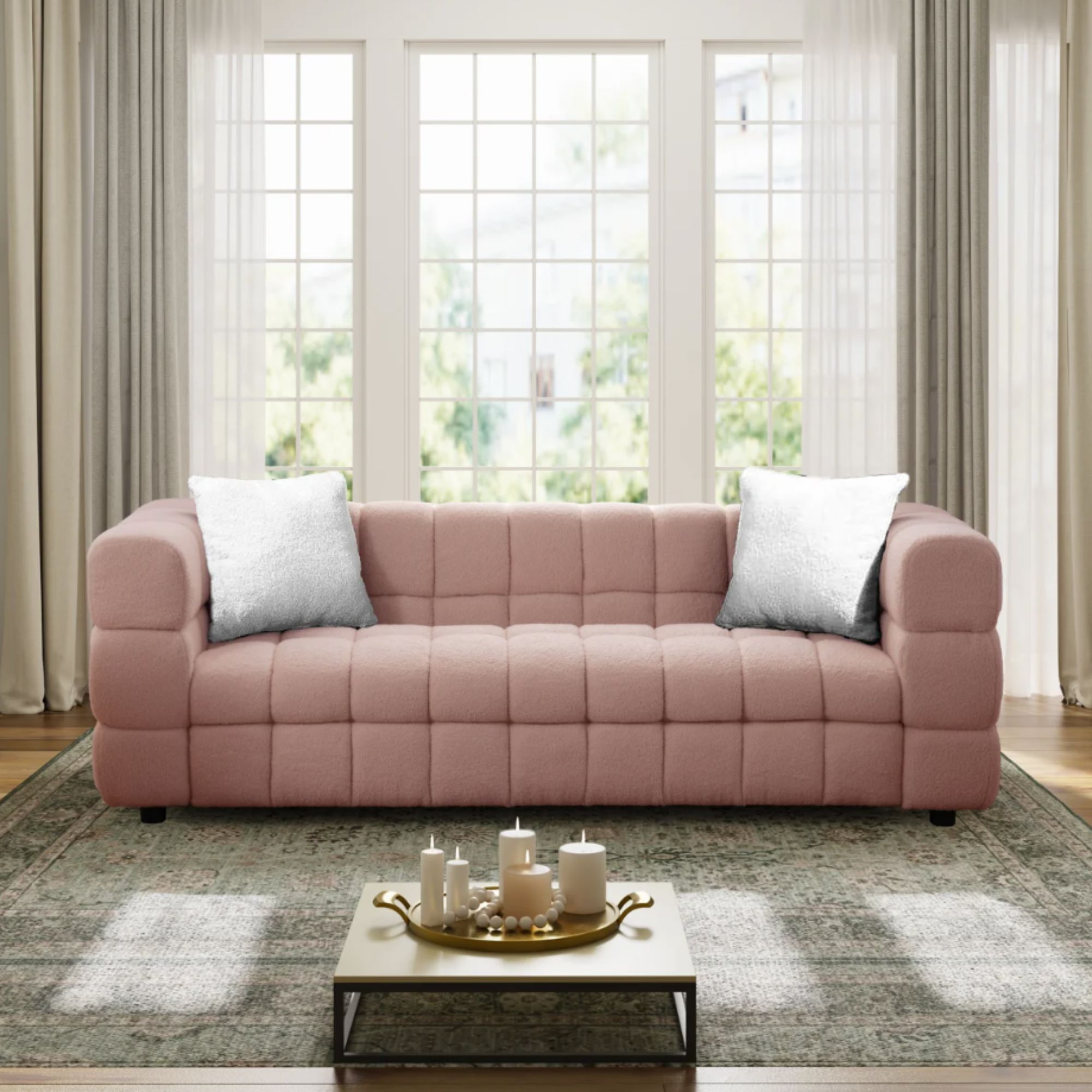
Julia Bilotta, a creative stylist at Sofology, points out that achieving this level of refined elegance is entirely achievable for the everyday decorator.
"You don’t need to invest large amounts for a similar aesthetic," Bilotta explains. "The ‘old money’ aesthetic is rooted in understated elegance, with a focus on creating a calm and considered environment."
Bilotta recommends prioritizing timeless furniture silhouettes over fleeting fads, choosing materials that will age gracefully over a decade rather than a single season.
"For sofas, look toward understated shades such as cream, ivory, taupe, or soft beige," Bilotta advises. "Pair classic upholstery with a few vintage or antique-inspired pieces to add interest without making the room feel too heavily styled or artificial."
Implications: What Connelly’s Living Room Means for Future Design Trends
As we look ahead toward interior design forecasts, Connelly’s Brooklyn living room serves as a predictive blueprint. The fatigue surrounding hyper-curated, "showroom-perfect" homes has reached a tipping point. Consumers and designers alike are hungrier than ever for spaces that prioritize mental respite, acoustic comfort, and visual calm.
By stripping away the superfluous and leaning heavily into architectural integrity, natural light, and tactile richness, Jennifer Connelly has done more than just decorate a room—she has rescued "quiet luxury" from the graveyard of internet buzzwords. Her space proves that when you design for longevity rather than a double-tap, luxury stops being a trend and simply becomes a way of living.
For those currently planning their next home renovation or living room refresh, design critics universally agree: bookmarking this understated Brooklyn sanctuary is a very good place to start.
