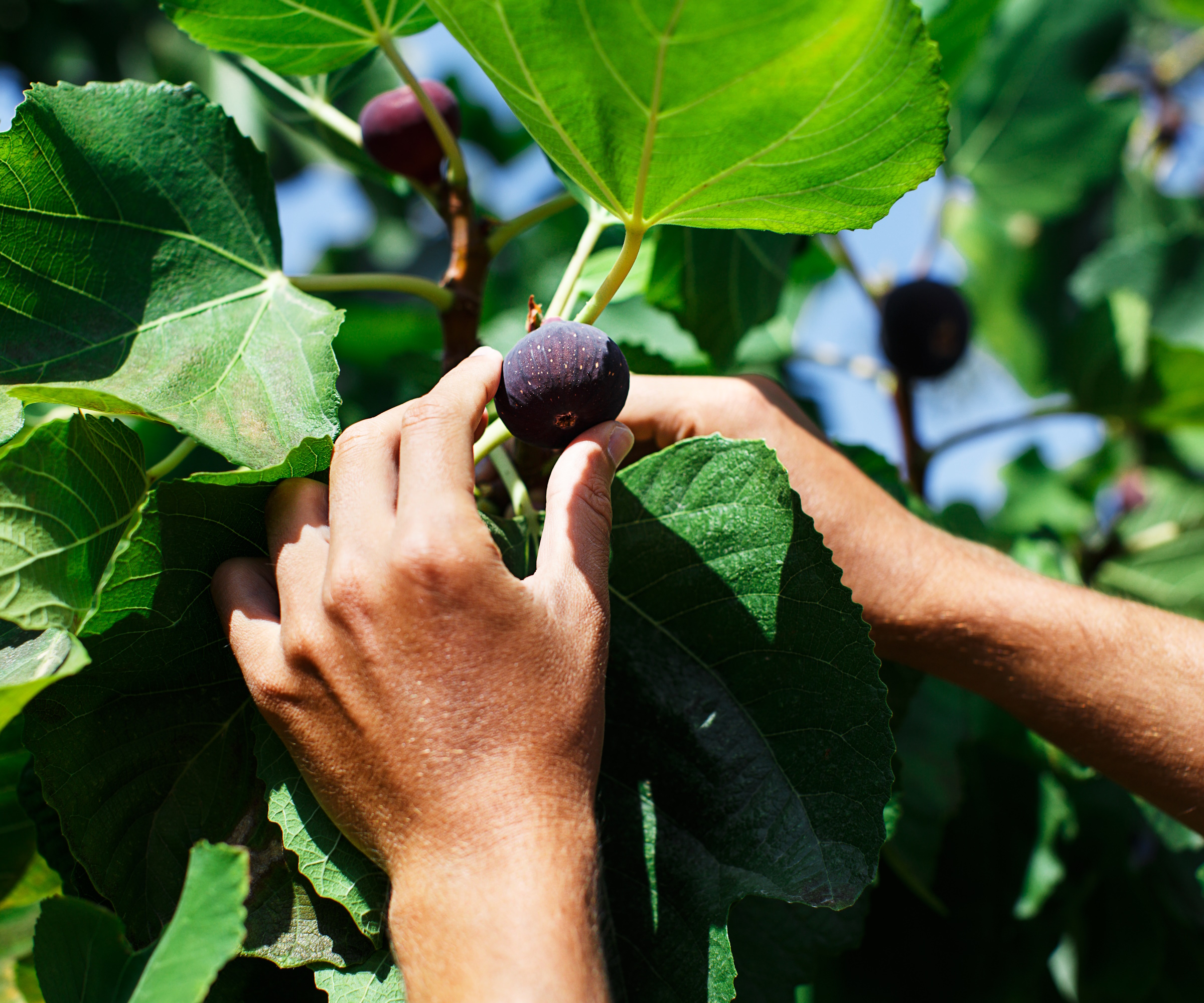
By Gardening & Horticulture Desk Published: Horticultural Living & Design
Main Facts: The Core Rules of Fig Tree Pruning
Pruning a fig tree is one of the most vital tasks a gardener can undertake to guarantee a healthy plant and a heavy, reliable yield of sweet, Mediterranean fruit. While figs (Ficus carica) are famously resilient and relatively easy to cultivate—thriving both directly in the garden soil and within decorative containers—their pruning requirements demand precision.
The primary rule of thumb is timing: fig trees should be pruned strictly in late winter or early spring for structural shaping, with an optional, light summer prune performed in July to optimize fruit production.
Attempting to prune outside of these recommended windows can severely disrupt the tree’s biological cycle. Pruning too early in the autumn leaves the plant vulnerable to winter frost damage, while cutting too late in the spring causes excessive sap bleeding, weakening the overall structure of the tree. By adhering to precise seasonal guidelines, utilizing quality bypass pruners (such as Fiskars or Titanium models), and understanding the tree’s growth habits, gardeners can enjoy a flourishing, productive harvest year after year.
Chronology: The Seasonal Pruning Calendar
Understanding a fig tree’s annual cycle is essential for knowing when to pick up your pruning shears. Because figs are deciduous trees that drop their leaves in winter, their biological rhythms dictate a strict schedule.
1. Late Winter to Early Spring (February – March): The Structural Prune
This is the principal pruning window. During late winter or very early spring, the tree is fully dormant, and its leaves have completely dropped.
Why it matters: Because the tree is dormant, it experiences minimal stress from cuts, and the risk of frost damage to fresh wounds is low. Timing the cut just before spring growth resumes ensures that the plant quickly heals its wounds.
The Goal: Focus on shaping the tree, maintaining its size, and completely removing dead, damaged, or diseased wood. This prevents the spread of pathogens and clears out congested branches.
2. Summer (July): The Productivity Prune
While heavy pruning should be avoided during the warm months, a light maintenance prune can be performed in midsummer (typically July).
Why it matters: Summer pruning serves a completely different purpose than winter maintenance. A gentle trim encourages the growth of new fruit-bearing shoots and opens up the canopy, allowing crucial sunlight to reach the developing fruits.
The Goal: Promote the formation of tiny fruitlets. These are the crucial embryonic figs that will successfully overwinter on the branches and mature into the following season’s primary harvest.
3. Autumn (September and Beyond): The Danger Zone
Fall is an absolute no-go zone for pruning. At this time of year, the tree is still active or transitioning into dormancy. Pruning stimulates a final, fragile burst of growth that cannot harden off before cold weather arrives, leaving the plant catastrophically exposed to winter weather. Furthermore, bleeding sap in autumn attracts pests and disease vectors.
Supporting Data & Horticultural Insights
To achieve a bumper crop, gardeners must look beyond basic clipping and understand the physiology of the fig tree.
The Dangers of Sap Loss: Figs produce a thick, milky latex sap. When pruned at the wrong time—such as late spring or summer—they can "bleed" excessively. This sap loss not only drains the tree’s energy reserves (which should instead be directed toward fruit maturation) but also acts as a magnet for pests and airborne fungal spores, inviting infections.
Container Cultivation vs. In-Ground Growth: Did you know figs make exceptional indoor or patio fruit trees? Keeping a fig tree restricted in a container actually stimulates the plant to shift its energy away from excessive foliage and toward fruit production. When supplied with a bright, sunny spot, container-grown figs remain compact while yielding remarkable results.
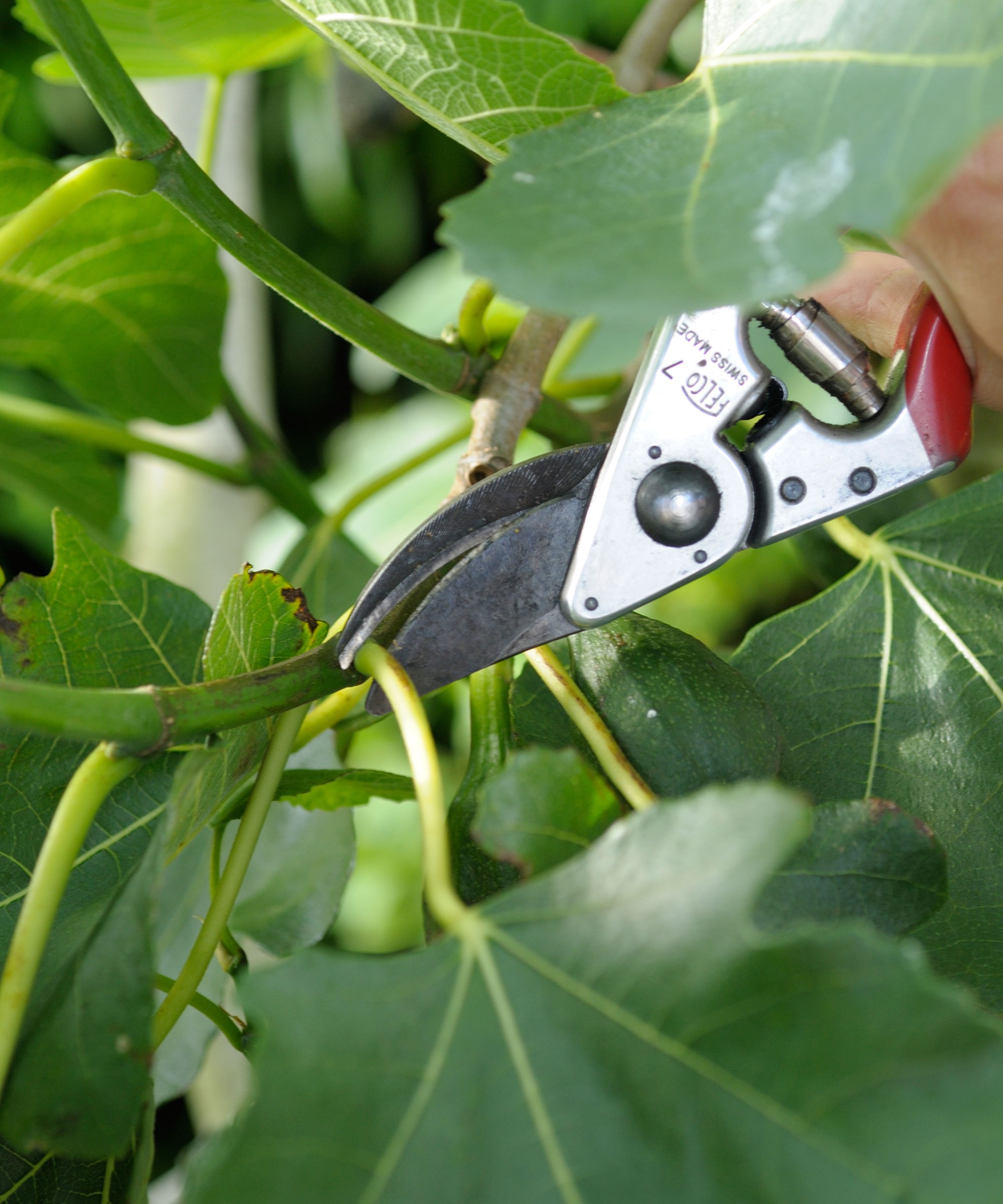
Essential Tool Kit: Using clean, sharp tools is non-negotiable. Dull blades crush rather than slice plant tissue, creating ragged wounds that take longer to heal. High-grade bypass pruners—such as Fiskars Bypass Pruners or Titanium-coated professional shears—make clean cuts that safeguard the tree’s health. Pairing these with a durable leather holster ensures your tools remain accessible and sanitary throughout the gardening session.
Official Expert Responses & Botanical Guidance
Horticultural experts around the globe emphasize that respecting the plant’s dormancy is the single most important factor in successful fruit production.
Tim Marshall, Head Gardener at Raby Castle & Estates in the United Kingdom, brings nearly three decades of international gardening experience to his current role leading major horticultural transformations like The Rising. According to Marshall:
"The best time to prune a fig tree is during late winter or early spring, before the new growth begins. This is typically around February or March, depending on your location. Pruning during this time helps to promote new growth and maintain the overall shape and size of the tree."
Marshall explains that performing this task while the tree is dormant is the safest route because it allows the plant to heal properly, minimizing the risk of disease and pest infestation. Conversely, improper timing yields counterproductive results:
"Pruning too early in the winter, before the tree goes fully dormant, may lead to increased vulnerability to cold temperatures. Pruning too late in the spring, after new growth has started, can result in excessive sap flow and weaken the tree’s overall structure."
Furthermore, Marshall warns against the temptation to tidy up gardens in the fall. Cutting back a fig tree in September forces it to direct its vital energy toward repairing wounds and pushing out weak, cold-sensitive late-season growth, ultimately sabotaging the next year’s harvest.
Implications: Securing Your Next Harvest
Failing to follow proper pruning protocols has direct, measurable consequences for your garden. While the fig is a remarkably tough and resolute fruit tree that will rarely die outright from poor pruning, its productivity and resilience will plummet.
Reduced Yields: When a fig tree is forced to expend its stored carbohydrates on healing untimely wounds or recovering from excessive sap loss, it has little energy left to produce fruit. The result is a drastically smaller harvest.
Vulnerability to Pests and Diseases: Ragged cuts, unhealed winter wounds, and oozing summer sap serve as open invitations for garden pests and pathogens. Once disease takes hold in the vascular system of the tree, it can take years to correct.
Weather Damage: Pruning at the wrong time—too early or too late in the active season—compromises the structural integrity of the branches and leaves new growth unprotected against sudden drops in temperature.
By following the expert-backed framework of late winter structural pruning and light midsummer maintenance, home gardeners can safeguard their plants against disease, harness the full fruit-bearing potential of their trees, and enjoy a magnificent harvest of sweet, sun-ripened figs year after year.