

By the Gardening & Lifestyle Editorial Team
As summer temperatures soar, households across the country crank up their air conditioning to maintain a cool, crisp indoor oasis. While humans relish the relief from sweltering heat waves, our homes simultaneously transform into hostile environments for many tropical houseplants. Constantly circulating air dries out delicate foliage, and closed windows trap cool, low-humidity air that bears little resemblance to the lush, damp ecosystems where tropical flora naturally evolve.
Yet, amidst the struggle to keep indoor greenery alive, one standout group of plants continues to defy modern indoor microclimates: the philodendron.
Renowned for their resilience, adaptability, and striking aesthetic variety, philodendrons have earned their status as the ultimate low-maintenance houseplants. Experts across the horticulture industry agree that these forgiving plants are uniquely suited to the realities of contemporary indoor living, where human comfort often trumps strict botanical requirements.
Main Facts: The Resilient Nature of Philodendrons
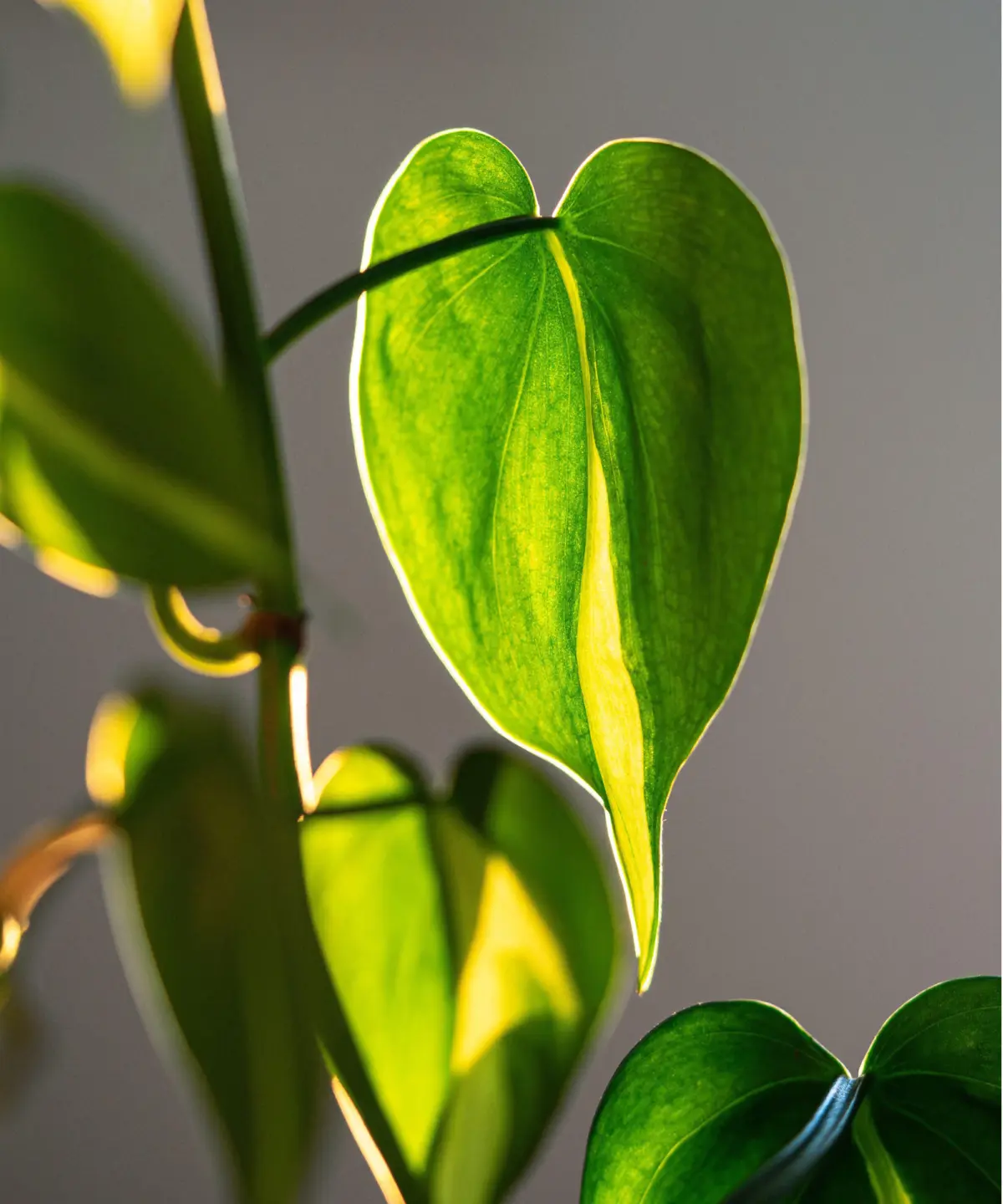
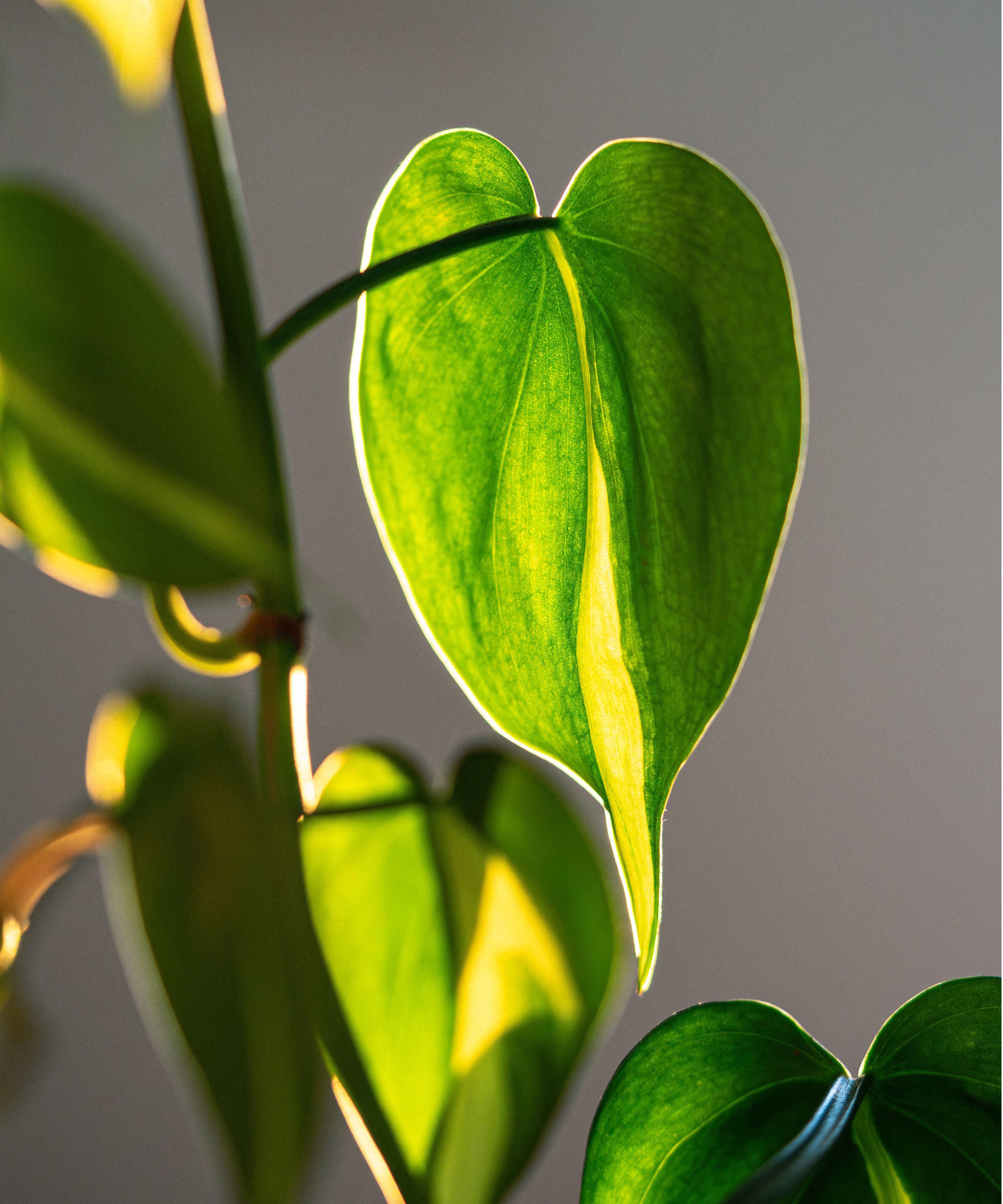
At their core, philodendrons are uniquely equipped to handle the artificial environments created by modern HVAC systems. Originating predominantly from the tropical regions of Central and South America, many species naturally inhabit the understory of dense rainforests. In the wild, they grow beneath a thick canopy of larger trees and plants, receiving filtered, indirect sunlight rather than harsh, direct rays.
This evolutionary background makes them remarkably tolerant of the lower light conditions commonly found in residential and office buildings. Furthermore, while they appreciate moisture, many common philodendron varieties have developed a high tolerance for average household humidity—a stark contrast to ferns and calatheas, which often crisp up and wither in air-conditioned spaces.
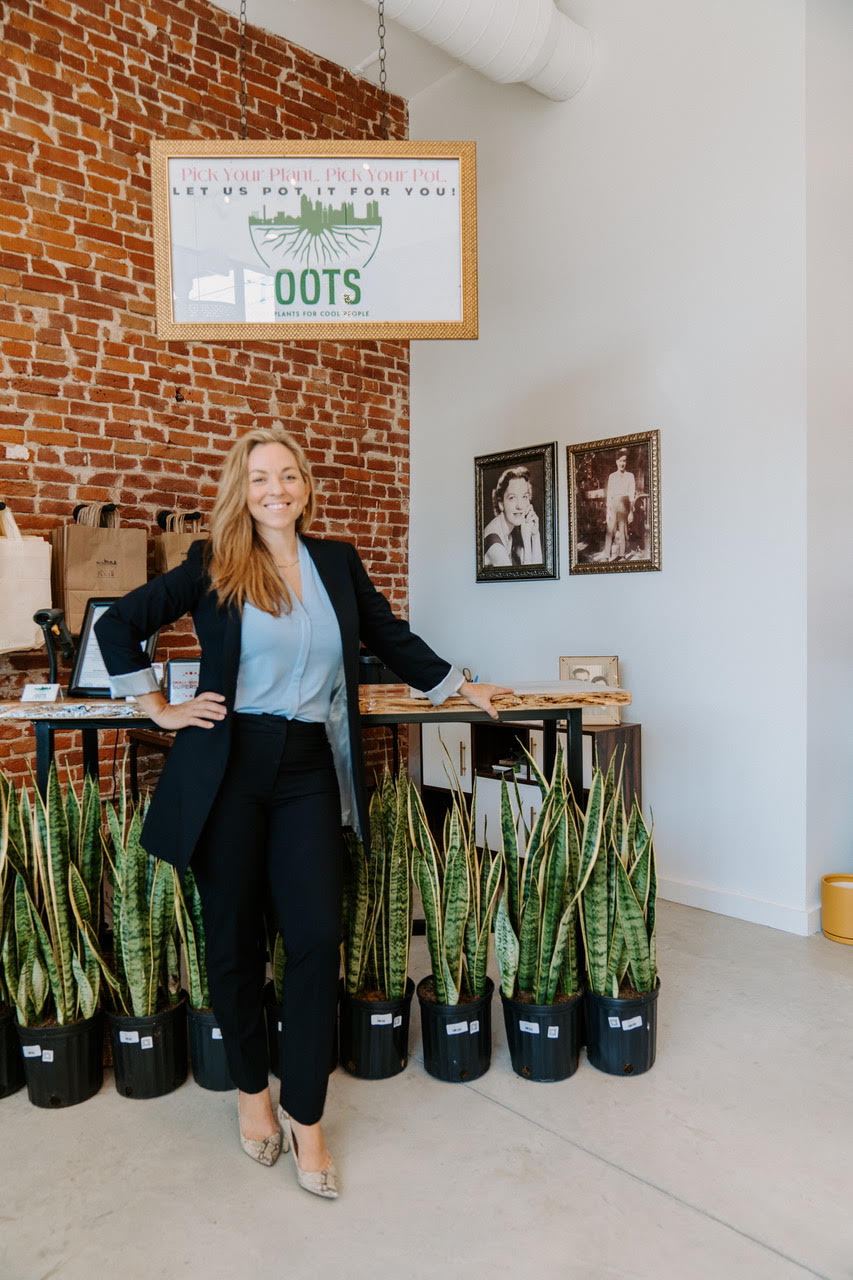
"Philodendrons are some of my favorite plants for indoor spaces because they are just really forgiving," says Dee Ferguson, owner and founder of rOOTS KC, an independent houseplant shop with locations in Kansas City, Missouri. "A lot of them naturally grow under the canopy of larger plants and trees, so they are used to getting filtered light instead of direct sun, making them a perfect placement for a living space. They can adapt to different light levels and normal household humidity."
Justin Hancock, a horticulturist at Costa Farms, notes that while the genus is vast and diverse—meaning not every single species shares the same level of toughness—the most popular cultivars offer a remarkable "one-two punch" of low-light and low-humidity tolerance.
Chronology: From Rainforest Canopies to Modern Living Rooms
To understand why philodendrons reign supreme in interior design today, it helps to look at their journey into cultivation:
- Pre-19th Century (Natural Evolution): Millennia of natural selection in tropical rainforest understories shape philodendrons into shade-tolerant, climbing or self-heading epiphytes and terrestrial plants.
- Victorian Era (Botanical Discovery): Explorers bring exotic specimens back to Europe and North America, where they are initially cultivated almost exclusively in expensive, high-humidity glasshouses and conservatories.
- Mid-20th Century (The Houseplant Boom): Horticulturists identify specific hardy species, such as the Philodendron hederaceum (heartleaf philodendron), capable of surviving the drier, darker conditions of mid-century suburban homes.
- Late 20th Century to Present (Mass Propagation & Commercial Success): Modern commercial greenhouses master the large-scale production of versatile varieties like ‘Brasil’ and ‘Birkin’. These plants become staples of big-box garden centers, local plant shops, and direct-to-consumer online shipping brands like The Sill and The Home Depot, cementing their place in modern interior decor.
Supporting Data: Understanding Humidity and Leaf Structure
While philodendrons are praised for tolerating air-conditioned environments, experts emphasize that "low humidity tolerance" does not mean they thrive in bone-dry deserts. The key to predicting how a specific philodendron will handle indoor air conditioning lies in its physical anatomy.
According to Justin Hancock, a reliable rule of thumb is to look at the leaves: the thicker or waxier the leaf, the better that variety will hold up to low humidity.
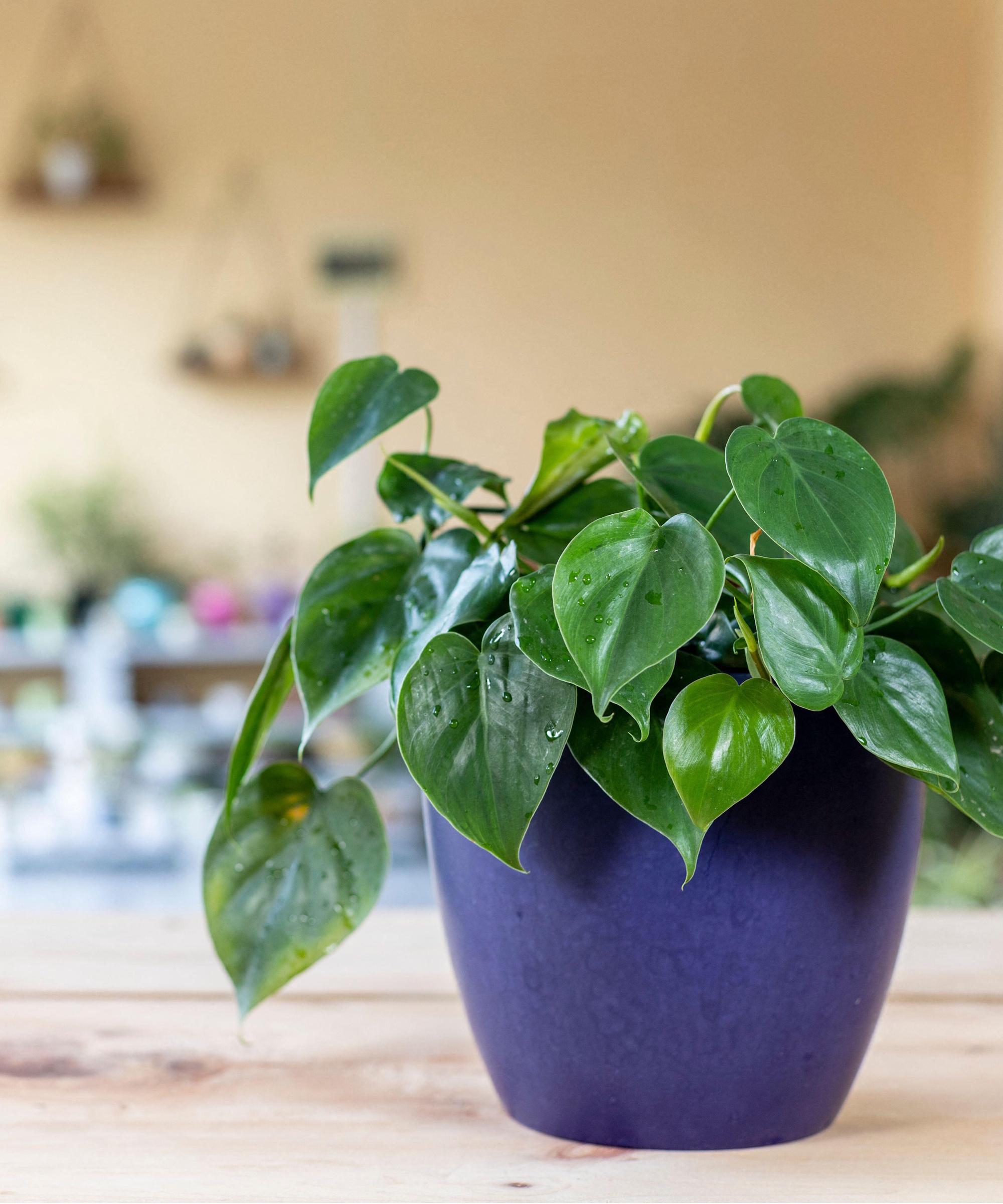
- High Tolerance (Thicker/Waxier Leaves): Varieties such as Philodendron hederaceum (heartleaf) and the pinstriped Philodendron ‘Birkin’ feature tougher cuticle layers that lock in moisture, protecting them from the desiccating effects of air-conditioning vents.
- Lower Tolerance (Velvet or Unusual Leaves): Conversely, velvet-leaf varieties (such as Philodendron micans) and rare collector specimens generally demand higher ambient humidity to prevent their delicate foliage from browning or curling at the edges.
Dee Ferguson echoes this sentiment, noting that while standard varieties ship successfully and adapt well to normal home humidity, collectors should invest in humidifiers or terrarium-like setups if they wish to cultivate more delicate, velvety species.
Official Expert Responses & Care Best Practices
To bridge the gap between keeping your home frosty in the summer and keeping your houseplants lush, leading horticulture professionals share critical insights on placement, watering, and variety selection.
1. Keep Them Away from Direct AC Vents
Just because philodendrons tolerate air-conditioned rooms does not mean they can withstand a direct, icy blast from a ceiling or wall vent.
"Ideally, they should be far enough away that the air coming out of the vent doesn’t move their leaves," Justin Hancock advises. "Since plants in their natural environs aren’t exposed to situations where they suddenly get blasts of air that are hotter or colder than the ambient temperature, this can stress them, causing the leaves to yellow, brown, or drop prematurely."
Ferguson reassures plant owners that total isolation isn’t necessary. Placing the plant just a few feet away from the direct path of moving air is typically enough to keep it happy and healthy.
2. Tailor Your Selection to Your Space
Philodendrons offer an incredible diversity of growth habits, making them compatible with virtually any interior design aesthetic:
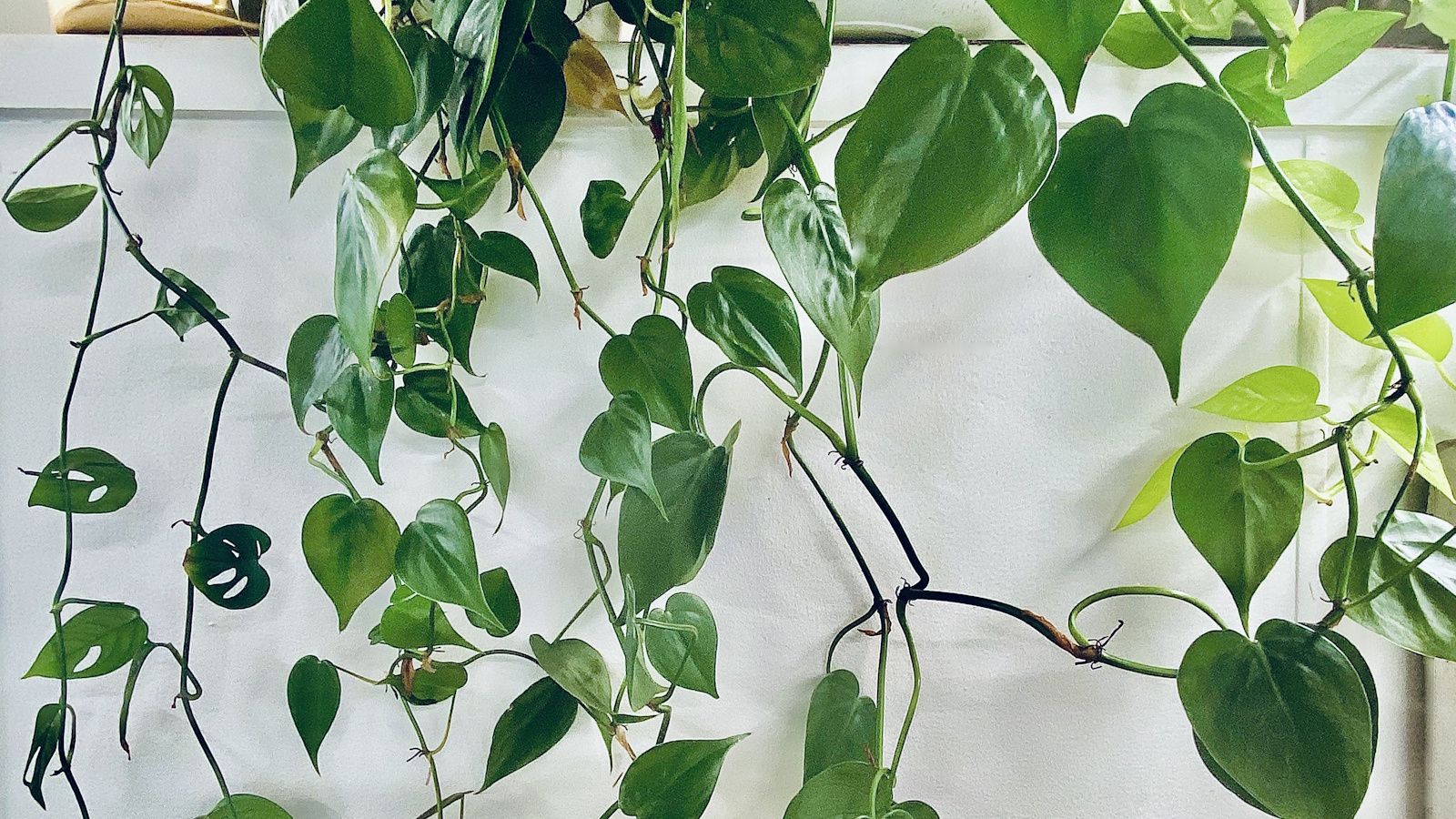
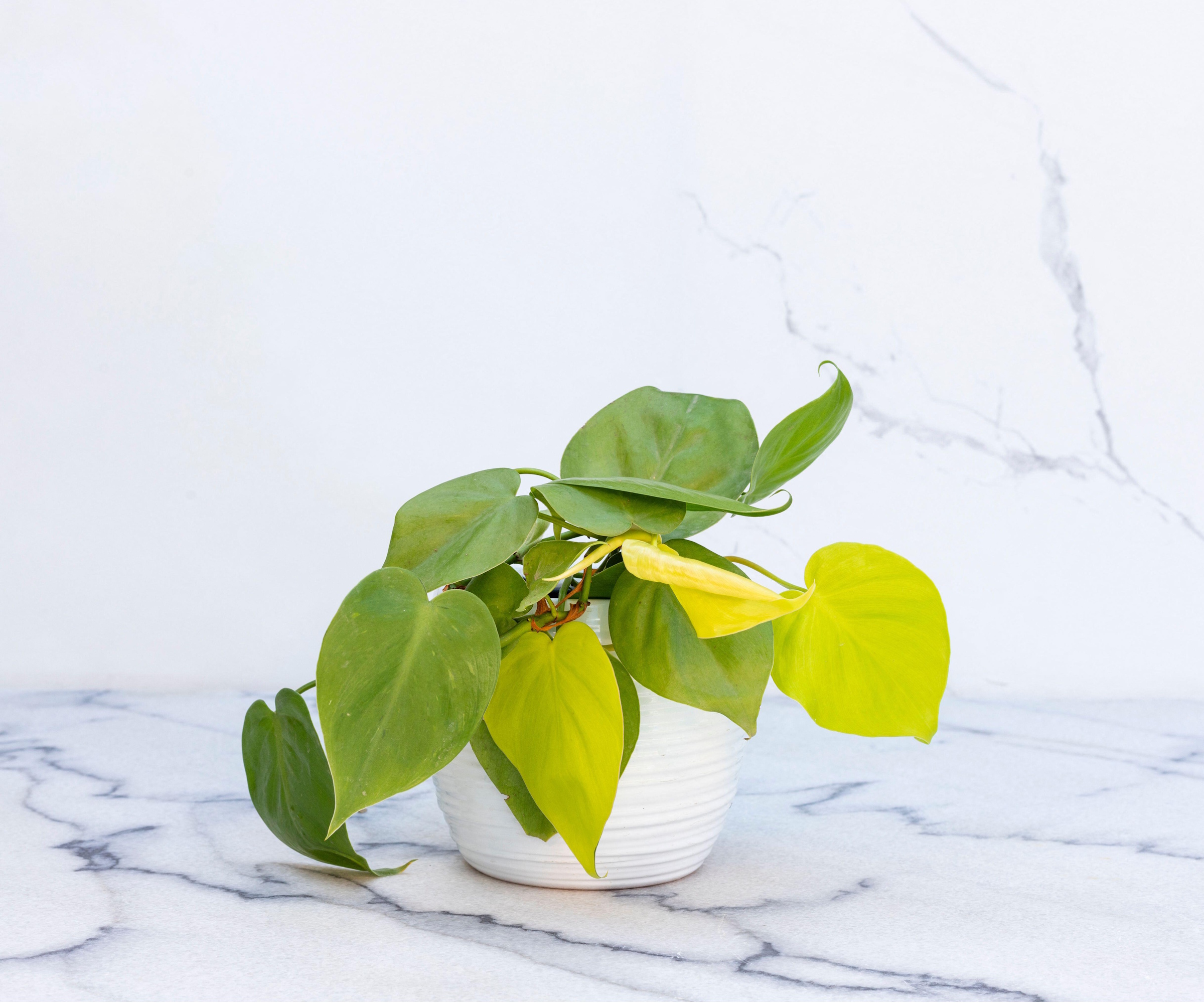
- Trailing Varieties: Philodendron hederaceum (Heartleaf) and Philodendron ‘Brasil’ (featuring striking lime-green and dark green variegation) are ideal for hanging planters, tall bookshelves, or plant shelves where their vines can cascade downward.
- Self-Heading (Upright) Varieties: Philodendron ‘Birkin’ grows in a compact, bushy rosette. With its elegant white pinstripes, it serves as a sophisticated tabletop accent or floor plant as it matures, offering a high-end look without high-maintenance demands.
- Textured Foliage: Philodendron micans provides deep, iridescent, velvety bronze-green leaves that catch the light beautifully.
3. Water According to the Plant, Not the Calendar
One of the most common pitfalls in houseplant care is adhering to a rigid watering schedule rather than assessing the plant’s actual needs.
Ferguson recommends letting the top couple of inches of soil dry out completely before watering again. Hancock takes a slightly drier approach, suggesting that most robust philodendrons can dry out about 50 percent of the way down the pot between waterings. Crucially, both experts stress the absolute necessity of using pots with proper drainage holes to prevent root rot.
As seasons shift from summer to winter, watering habits must adapt accordingly. "Our homes get darker, plants grow more slowly, and people sometimes continue watering on the same schedule they used all summer," Ferguson warns. "That can cause problems really quickly. I always tell people to check the soil instead of watering just because it is Sunday or because it has been a week." Utilizing a simple soil moisture meter can take the guesswork out of the equation entirely.
Implications: The Future of Biophilic Design in Climate-Controlled Buildings
As global temperatures rise, reliance on air conditioning is projected to increase across residential, commercial, and educational sectors. This architectural reality permanently alters indoor ecosystems, forcing a re-evaluation of which flora can successfully integrate into modern human habitats.
The enduring popularity of the philodendron highlights a broader shift toward functional biophilic design—the practice of connecting people with nature within modern built environments. As consumers increasingly seek the mental health and aesthetic benefits of indoor greenery, plants that demand strict, greenhouse-like pampering are increasingly being passed over in favor of adaptable survivors.
By understanding the physiological traits of philodendrons—such as their shade-adapted foliage and resilient waxy cuticles—plant enthusiasts can successfully bridge the gap between personal climate comfort and botanical wellbeing. Ultimately, treating these versatile plants with mindful placement and intuitive watering ensures that our homes remain green, vibrant, and deeply connected to nature, no matter how hard the air conditioner is working.
