

Published: September 14, 2026
Author: Camilla Ghisleni (Adapted and Expanded)
Main Facts: The Battle for Tehran’s Mid-Century Identity
Nestled at the dramatic foot of the Alborz mountain range, Tehran grows beneath a towering ridge that both protects and suffocates it. The very geography that blocks prevailing winds and traps urban smog also cradles centuries of geopolitical conflict and shifting powers. It is a metropolis built on inherently unstable ground—both geologically and politically. Active seismic faults spiderweb beneath its broad avenues, while above ground, the physical layers of successive reconstructions, rapid demolitions, and state-mandated reinventions pile up.
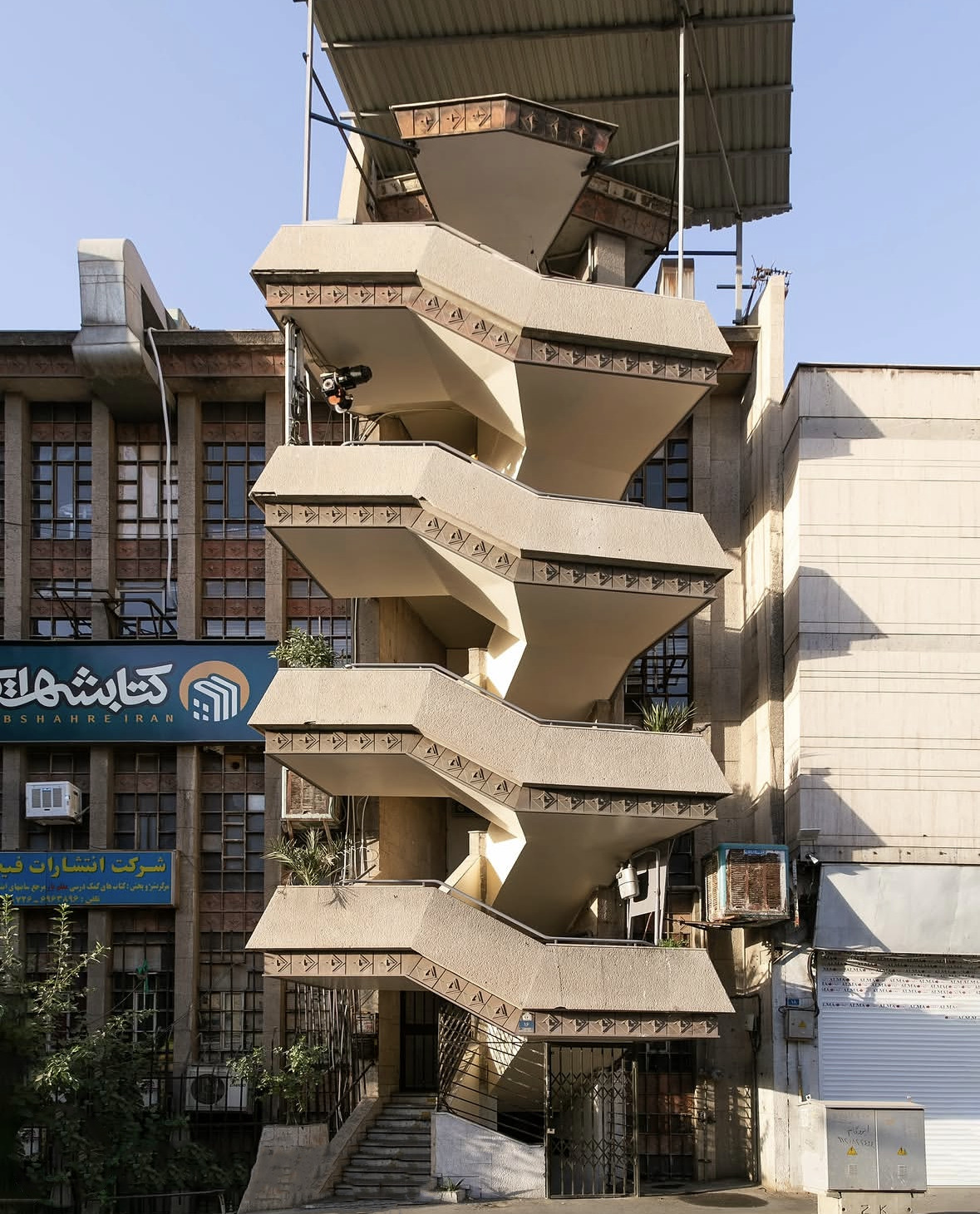
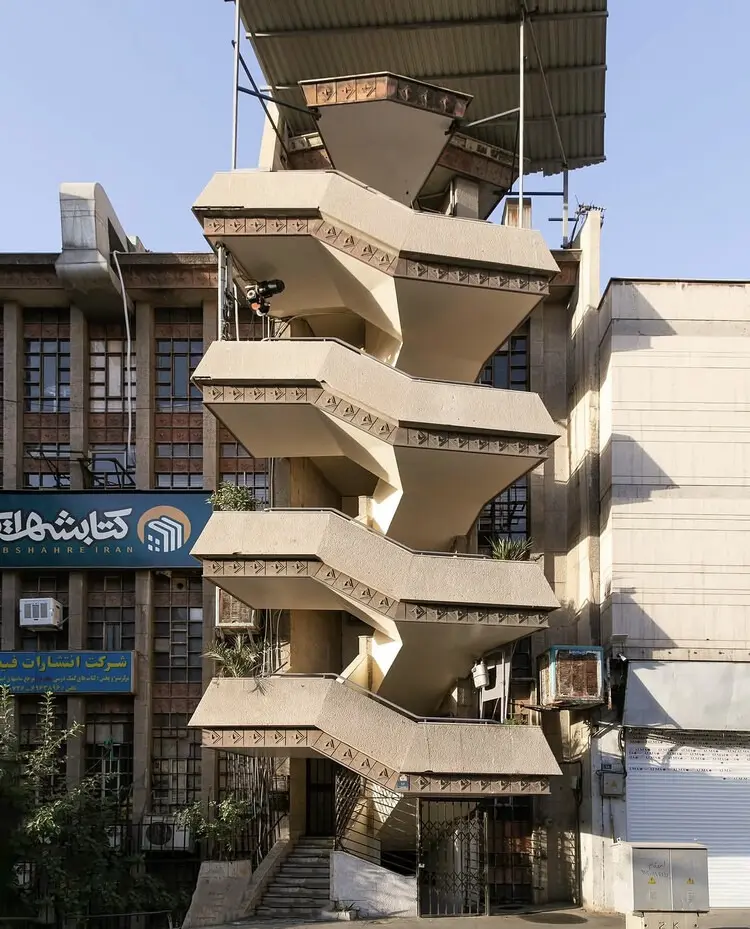
In this high-stakes urban ecosystem, Calque Studio has emerged as a critical vanguard. Engaged in a desperate race against time, the studio documents, analyzes, and advocates for the preservation of Tehran’s mid-century modern architectural heritage. This legacy, spanning roughly from 1930 to 1980, is rapidly vanishing beneath a wave of speculative high-rise developments, lax zoning regulations, and a cultural amnesia that favors shiny new facades over historical continuity.
As Tehran expands outward and upward, it serves as a silent witness to a nation that, for more than two centuries, has constantly negotiated a turbulent path between collective memory and institutional erasure. Calque Studio’s work highlights an urgent question: Can a city systematically wiping out its architectural past retain any authentic sense of identity?
Chronology: A Century of Architectural Metamorphosis in Tehran
To understand the scope of Calque Studio’s preservation efforts, one must trace the historical milestones that shaped Tehran’s built environment over the last century.
1. The Pahlavi Era and Early Modernization (1925–1941)
Under Reza Shah Pahlavi, Tehran underwent its first major modern transformation. Traditional Qajar-era urban fabrics—characterized by mud-brick structures, winding alleys, and central courtyards—were systematically pierced by wide, European-style grand boulevards. Architects began fusing traditional Persian masonry and motifs with European Neoclassicism and Art Deco, setting the stage for a hybrid urban landscape.
2. The Mid-Century Boom (1940s–1970s)
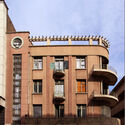
Fuelled by the post-WWII oil boom and rapid urbanization, Tehran experienced an architectural golden age. International Style modernism, brutalism, and regional modernism took root. Architects educated abroad returned home to design residential apartments, civic buildings, cinemas, and commercial hubs like the Alborz Building, Cinema Asia, and the Kamal Kamoune Architect Office. This era represented a confident, forward-looking Iranian modernity that embraced structural transparency, reinforced concrete, and innovative brickwork.
3. Post-Revolutionary Shifts and Rapid Expansion (1979–1990s)
The 1979 Islamic Revolution brought profound ideological shifts that rippled through the city’s architecture. While state-sponsored architecture took on new symbolic vocabularies, private real estate experienced periods of stagnation followed by explosive, unregulated growth. Many mid-century structures were either abandoned, repurposed unsympathetically, or left vulnerable to shifting real estate markets.
4. The Contemporary Era of Speculative Erasure (2000s–Present)
Entering the 21st century, Tehran faced immense economic pressures. Outdated zoning laws, coupled with soaring land values, triggered a devastating wave of demolition. Mid-century modernist gems—many lacking legal historical landmark protections—were routinely bulldozed to make way for high-density, heterogeneous apartment blocks colloquially known as skin-deep architecture. It is within this modern crisis that Calque Studio stepped into the fray to catalog what remains.
Supporting Data: The Scale of Loss and the Architectural Typology
Quantifying the architectural erasure of Tehran reveals a staggering loss of cultural capital. According to urban planning assessments and independent cultural documentation groups like Calque Studio:
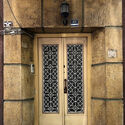
- The Rate of Demolition: Over the past two decades, an estimated 40% to 50% of Tehran’s distinct mid-century residential and commercial stock in central districts (such as Yousef Abad, Karim Khan, and Enqelab) has been replaced by anonymous, low-quality multi-story developments.
- Typological Diversity: The endangered stock encompasses a wide array of typologies:
- Residential Apartment Blocks: Pioneering structural framing and early integration of split-level living and deep balconies.
- Commercial Hubs and Offices: Such as the Kamal Kamoune Architect Office, showcasing local interpretations of modernist transparency and material honesty.
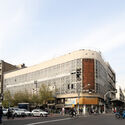
- Cultural Venues: Iconic structures like Cinema Asia, which married modernist massing with public entertainment spaces.
- Regulatory Vulnerabilities: Less than 10% of Tehran’s 20th-century modernist buildings possess official heritage status. The vast majority fall into a legal blind spot, neither old enough to be classified under ancient antiquities laws nor protected by contemporary preservation mandates.
Official Responses and Stakeholder Perspectives
The race to save Tehran’s architectural remnants is fraught with friction between municipal authorities, private developers, and preservationists.
Municipal Authorities and Zoning Realities
The Tehran Municipality and the Cultural Heritage, Handicrafts and Tourism Organization (ICHTO) face immense structural challenges. City officials often defend current zoning policies by pointing to severe housing demands, seismic retrofit requirements, and the economic necessity of urban densification. Upgrading an aging mid-century building to meet modern seismic codes (vital given Tehran’s active fault lines) is frequently cost-prohibitive for private owners, making demolition the default financial choice.
Real Estate Developers and Market Forces
For property owners and developers, mid-century buildings represent underutilized floor-area ratios (FAR). In a hyper-inflationary economic climate, land value drastically overshadows architectural heritage. Developers argue that replacing outdated structures with high-density modern complexes is the only economically viable path forward.
Calque Studio’s Counter-Narrative
In contrast, architects, researchers, and photographers at Calque Studio (alongside collaborators like Niloofar Abounoori and Ali Mirshafi) argue that Tehran’s modernization was not merely a copy of Western trends, but a sophisticated, localized dialogue. Through meticulous photography, measured drawings, and digital archiving, Calque Studio demonstrates that these buildings possess intrinsic structural, spatial, and cultural value. Their work reframes preservation not as anti-progress, but as an essential act of cultural conservation.

Implications: What is at Stake for Tehran’s Future?
The systematic erasure of Tehran’s modern architectural heritage carries profound implications for the city’s psychological, cultural, and physical future.
- Erosion of Collective Memory: Architecture serves as the physical narrative of a society’s evolution. When mid-century modernism—an era that captured Iran’s complex aspirations toward global connectivity and national identity—is wiped clean, the city suffers from severe historical amnesia. Future generations are left with a disjointed urban fabric that obscures how the city evolved.
- Loss of Urban Character and Human Scale: The replacement of mid-century architecture with speculative, over-scaled developments contributes to homogenization. Tehran risks losing its distinct architectural personality—the very textures, brick patterns, and spatial rhythms that give neighborhoods like Alborz and Dowsoto their soulful character.
- Environmental and Sustainability Costs: Demolishing sound structural skeletons and replacing them with new construction squanders the embodied energy of existing buildings. In an era marked by severe climate challenges and urban pollution trapped by the Alborz ridge, sustainable urban strategies must prioritize adaptive reuse over destructive cycles of teardown-and-rebuild.
Conclusion
Calque Studio’s race against time is more than an academic exercise in architectural history; it is a vital defense of Tehran’s soul. By capturing the fading elegance of structures like Cinema Asia and the Kamal Kamoune offices, they provide a blueprint for a different kind of urban future—one where progress honors memory, and where the remnants of modernism are celebrated as the foundation of tomorrow’s resilient city.
