

DHËRMI — In the rapidly transforming coastal landscape of Dhërmi, Albania, finding a harmonious balance between commercial vitality and environmental preservation has become one of the most pressing architectural challenges of the decade. As the Mediterranean coastline experiences a surge in tourism-driven development, traditional local commerce often struggles to keep pace without compromising the natural aesthetic and ecological integrity of the shore.
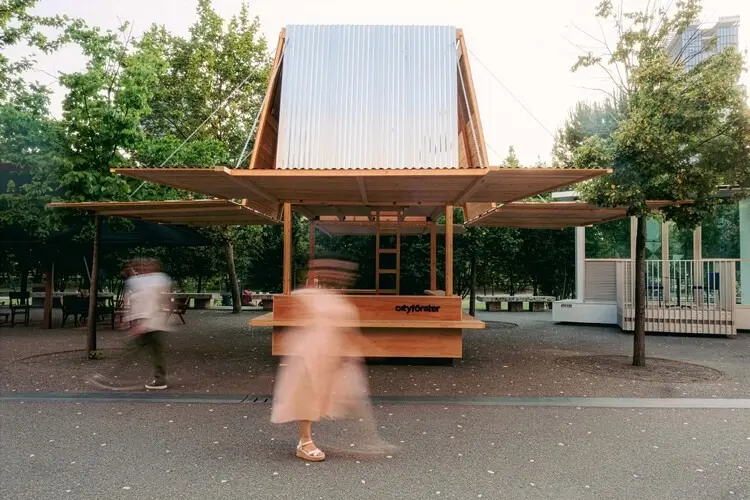
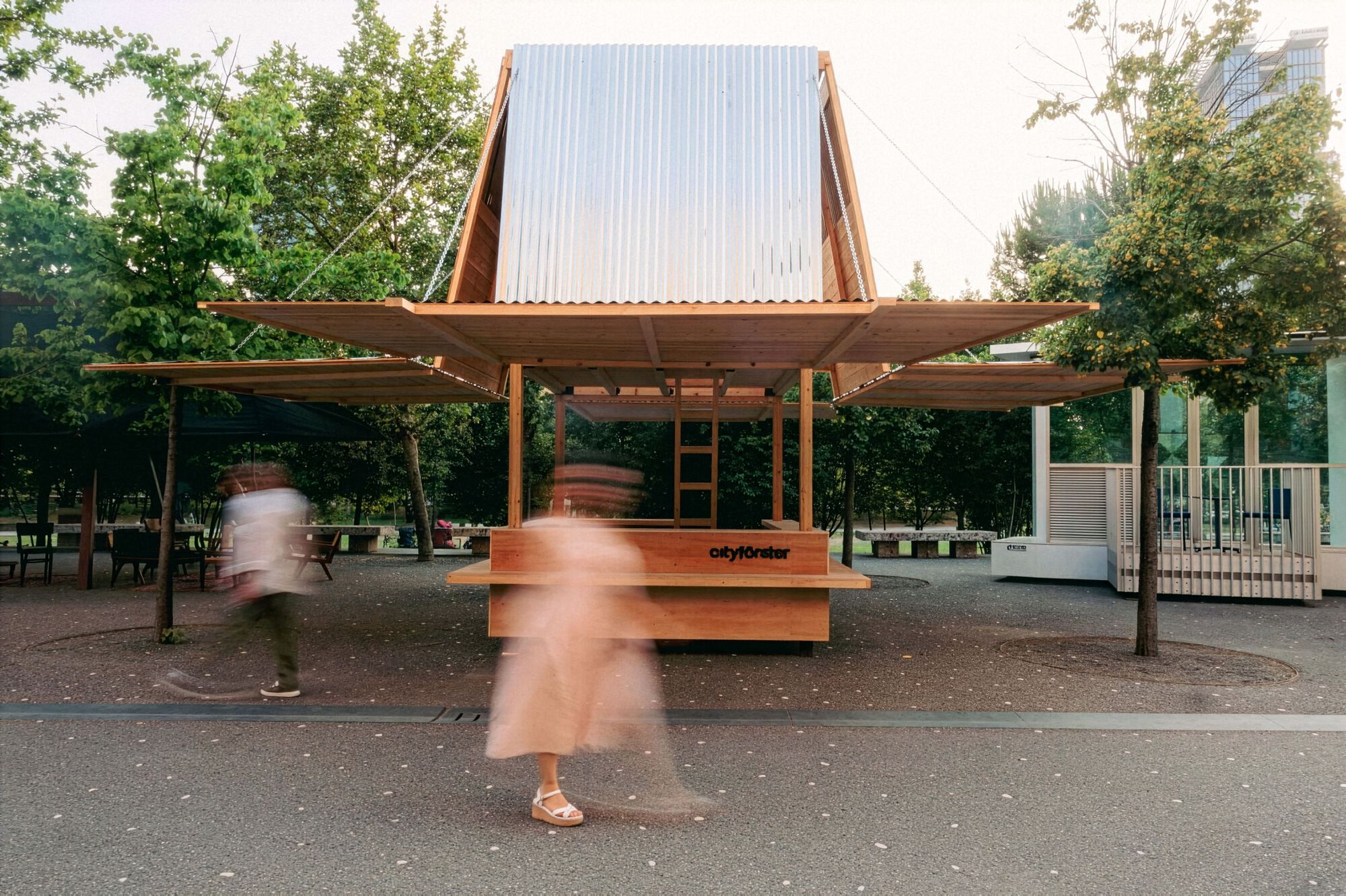
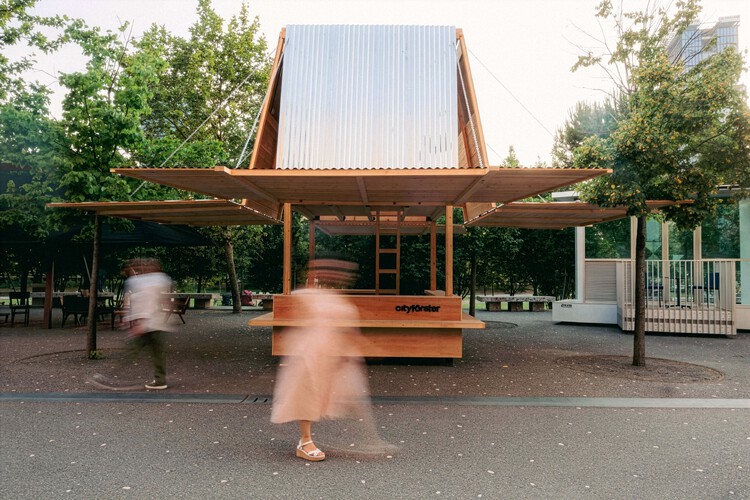
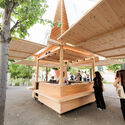
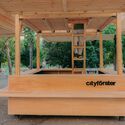
Enter The Kiosk, a visionary project designed by the international architecture and urbanism practice CITYFÖRSTER. Captured through the lens of photographer Ani Muraku, this compact, highly adaptable structure proposes a fresh architectural model for seasonal commercial infrastructure. Rather than succumbing to the sprawling, permanent construction that often threatens fragile coastal ecosystems, The Kiosk offers a nimble, sustainable, and context-sensitive solution tailored for dynamic seaside environments.
Main Facts: Redefining the Seaside Pavilion
At its core, The Kiosk is an exercise in efficient spatial design and material intelligence. Conceived as a seasonal commercial hub, the project addresses the transient nature of coastal economies where businesses flourish during scorching summer months and hibernate or adapt during the off-season.
- Project Name: The Kiosk
- Architects: CITYFÖRSTER
- Location: Dhërmi, Albania
- Photographer: Ani Muraku
- Primary Typology: Seasonal Commercial Infrastructure / Retail Pavilion
- Design Approach: Modular, compact, adaptable, and context-responsive
The architectural intervention avoids the heavy-handed concrete footprints traditionally associated with resort towns. Instead, it relies on a lightweight framework that respects the topography of the coastline while providing a functional, visually striking destination for locals and tourists alike. The design prioritizes flexibility, allowing the interior layout and exterior presentation to shift according to the specific vendor’s needs—whether operating as a morning coffee stand, a daytime beach boutique, or an evening refreshment bar.
Chronology: The Evolution of Dhërmi’s Coastal Architecture
To understand the significance of The Kiosk, one must examine the rapid spatial evolution of Dhërmi over the past twenty years.
- Early 2000s – The Untouched Coastline: For decades, Dhërmi remained a sleepy, picturesque coastal village nestled at the foot of the Ceraunian Mountains. Commercial activity was sparse, relying on rudimentary, makeshift structures that appeared and disappeared with the summer tides.
- 2010s – The Tourism Boom: As Albania emerged as a premier Mediterranean travel destination, Dhërmi experienced an unprecedented influx of visitors. This triggered a real estate and commercial gold rush, threatening the coastline with unregulated, permanent concrete developments that risked destroying the very natural charm tourists came to see.
- Mid-2020s – The Call for Sustainable Intervention: Municipal authorities and forward-thinking planners began pushing for stricter design guidelines, advocating for architecture that could support seasonal economies without permanently altering the landscape.
- September 2026 – The Official Unveiling: CITYFÖRSTER officially introduces The Kiosk. The project serves as a physical manifestation of modern coastal planning—demonstrating how small-scale commercial architecture can mitigate the environmental pressures of mass tourism through smart design.
Supporting Data: The Mechanics of Adaptive Architecture
The success of The Kiosk lies in its technical and material execution, which bridges the gap between temporary utility and permanent architectural dignity.
Materiality and Sustainability
CITYFÖRSTER selected materials that weather gracefully under harsh marine conditions—enduring intense UV exposure, salty sea breezes, and high humidity. The integration of warm-toned timber elements softens the structure’s overall footprint, allowing it to converse naturally with the surrounding rocky terrain and olive groves characteristic of the Albanian Riviera.
Spatial Efficiency
Measuring only a fraction of traditional brick-and-mortar storefronts, The Kiosk maximizes every square centimeter. Through clever spatial planning, storage, display, and point-of-sale operations are tightly integrated into the envelope of the building. This high density of function ensures that vendors do not require auxiliary outdoor storage sheds, keeping the surrounding public space clean and unobstructed.
Adaptability Metrics
- Footprint Ratio: Designed to occupy minimal ground surface, preserving natural soil permeability.
- Lifecycle Flexibility: Engineered for easy deployment, dismantling, or relocation, minimizing construction waste year-over-year.
- Energy Management: Features optimized passive ventilation and shading strategies, drastically reducing the need for mechanical climate control during peak summer heat.
Official Responses and Design Philosophy
The architects at CITYFÖRSTER have long championed urban strategies that respond directly to local specificities while maintaining a global ecological consciousness. In their official project description, the team emphasized that The Kiosk is more than just a retail box—it is a prototype for future coastal interventions.
"The Kiosk proposes a compact and adaptable model for seasonal commercial infrastructure in Dhermi’s rapidly changing coastal context," the design team notes.
Urban planners and local stakeholders have responded positively to the initiative. Municipal representatives in the Himarë region—which encompasses Dhërmi—have increasingly sought architectural solutions that prevent visual clutter along the shoreline. By offering a unified yet customizable design language, The Kiosk demonstrates to local authorities that commercial structures can enhance public space rather than detract from it.
Furthermore, architectural critics have praised Ani Muraku’s photographic documentation for capturing the subtle interplay between the structure’s crisp geometric lines and the organic textures of the Albanian coastline. The images highlight how the pavilion captures shifting daylight throughout the day, acting as both a beacon and a quiet backdrop to coastal life.
Implications: A Blueprint for the Future of Mediterranean Tourism
The unveiling of The Kiosk arrives at a critical juncture for Mediterranean urbanism. Across the region—from the Greek islands to the Dalmatian coast and the Albanian Riviera—communities are grappling with "over-tourism" and the physical scars left by rapid, unregulated commercial expansion.
1. Reversing the Culture of Permanence
Traditionally, commercial viability on the coast has been equated with permanence: heavy foundations, concrete walls, and fixed steel frames. The Kiosk challenges this paradigm by proving that temporary or semi-permanent structures can possess high architectural value, durability, and aesthetic sophistication.
2. Empowering Local Economies Safely
For small business owners and entrepreneurs in places like Dhërmi, leasing or operating a modular commercial unit lowers the financial barrier to entry compared to building or renting traditional brick-and-mortar storefronts. This democratization of commercial space fosters local entrepreneurship while keeping architectural oversight tightly managed by city planners.
3. Setting a Regional Precedent
As other coastal towns across the Balkans look for ways to manage the ecological fallout of tourism, CITYFÖRSTER’s design could serve as a regulatory and aesthetic benchmark. If municipal frameworks adopt similar models, future beach developments could transition away from chaotic, ad-hoc shack culture toward curated, environmentally conscious micro-architecture.
Conclusion
The Kiosk by CITYFÖRSTER is a small building with a massive conceptual footprint. By addressing the friction between commercial necessity and environmental preservation in Dhërmi, it offers a compelling vision for the future of coastal planning. It proves that thoughtful architecture does not require vast square footage to make an impact—sometimes, a well-designed box on the edge of the sea is all it takes to shift an entire paradigm.
