

Main Facts
On February 27, 2010, central Chile was struck by a catastrophic 8.8-magnitude earthquake followed immediately by a devastating tsunami. Among the communities hit hardest was the coastal city of Constitución, where more than half of the urban fabric was left in ruins. Amidst the sweeping loss of residential housing, civic infrastructure, and public spaces, the historic Constitución Municipal Theater was completely destroyed, stripping the community of its primary cultural anchor.
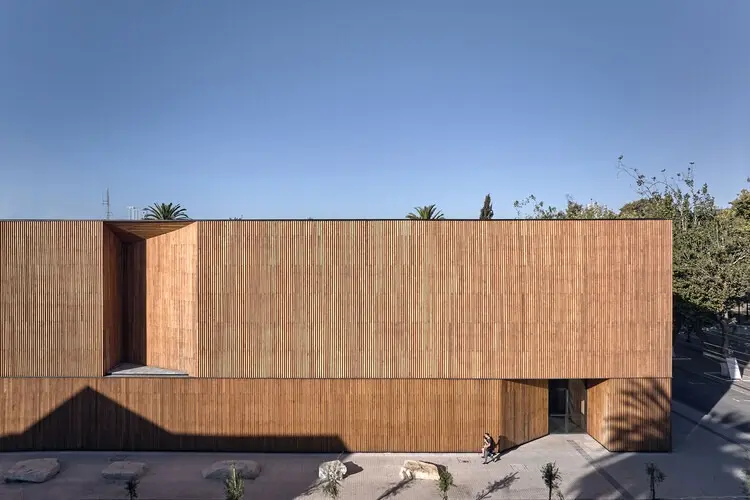
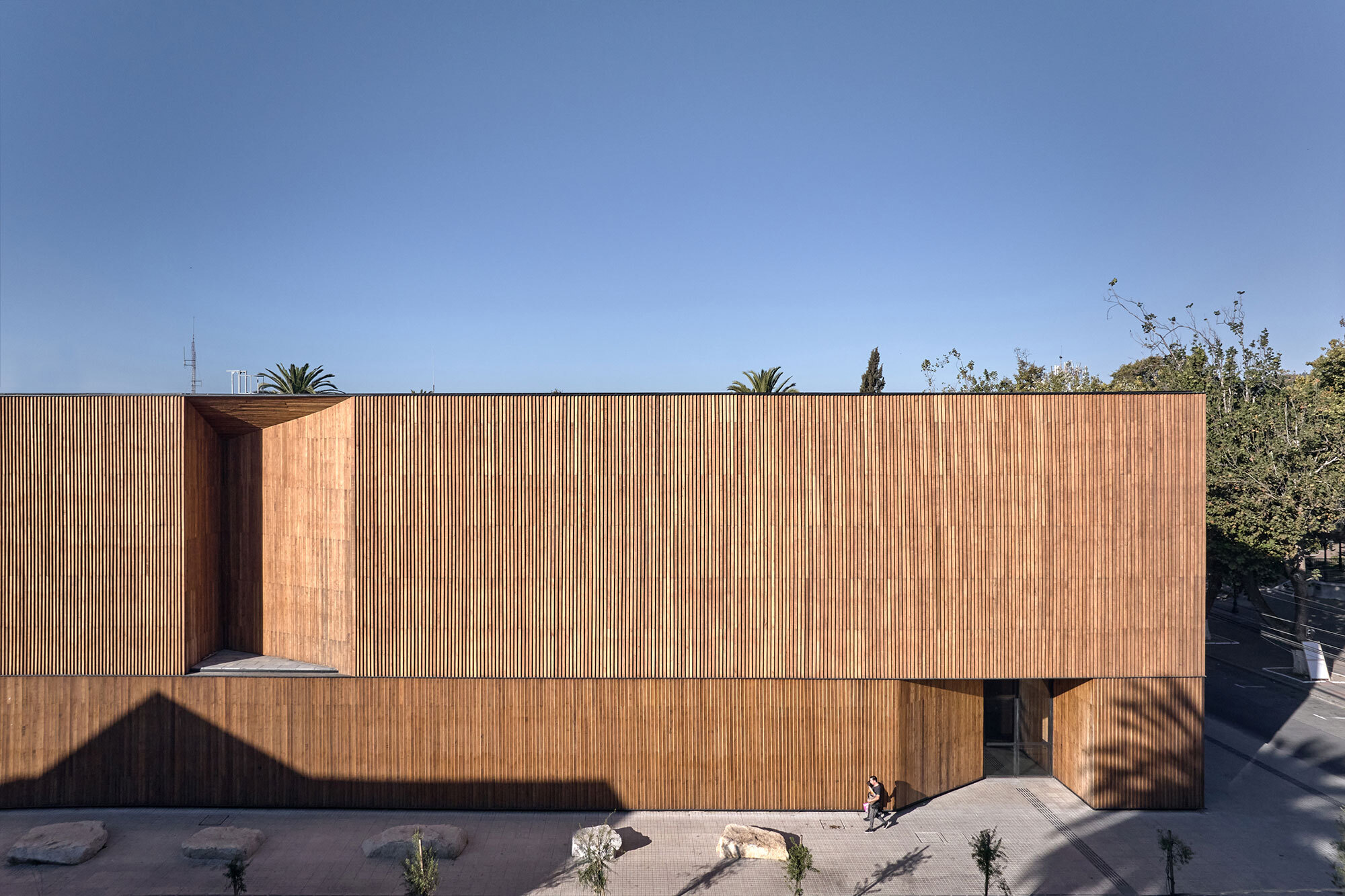
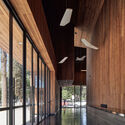
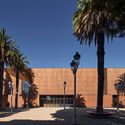
Years later, the renowned architectural practice ELEMENTAL—led by Pritzker Prize-laureate Alejandro Aravena—undertook the monumental task of rebuilding the municipal theater. Photographed extensively by Estudio Palma, the newly reconstructed theater stands as a triumph of resilient design, community-driven urban planning, and contemporary architectural engineering. Utilizing warm timber structures, striking modern facades, and thoughtfully integrated interior spaces, the project serves as a cornerstone of the city’s broader post-disaster recovery plan. Curated by Valentina Díaz, the project highlights how architecture can respond to profound natural trauma by restoring not just physical buildings, but the cultural identity and collective spirit of a displaced population.
Chronology of Destruction and Rebirth
February 27, 2010: The Cataclysm
At 3:34 AM local time, a massive megathrust earthquake ruptured off the coast of Maule, Chile. Lasting for nearly three minutes, the seismic event registered 8.8 on the Richter scale and was felt strongly across several regions. Shortly after the shaking subsided, a series of devastating tsunami waves struck the coastal areas, completely overwhelming Constitución. Residential zones, commercial districts, and vital civic landmarks were decimated. The municipal theater, a beloved local venue for performing arts, community gatherings, and civic ceremonies, was reduced to rubble.
Post-Disaster Emergency and Masterplanning (2010–2012)
In the immediate aftermath of the disaster, local authorities and national agencies recognized that rebuilding could not merely replicate the past; it had to anticipate future climate and seismic risks. ELEMENTAL, in collaboration with private and public stakeholders, was brought in to design an inclusive master plan for Constitución. Rather than forcing a top-down solution, the architects engaged in participatory design workshops with local residents to understand their priorities. The community overwhelmingly voiced a desire to reclaim their public spaces, waterfront, and cultural venues, placing the municipal theater high on the list of recovery priorities.
Design and Construction Phase (2014–2026)
With structural safety, acoustic excellence, and civic dignity at the forefront, ELEMENTAL developed a design that honors the region’s deep-rooted connection to the timber industry while implementing modern earthquake-resistant building techniques. The construction process integrated advanced wood engineering, careful spatial planning, and local craftsmanship. The project navigated logistical challenges, supply chain shifts, and rigorous seismic building codes over the years, culminating in its completion and global presentation in late 2026.
Supporting Data and Technical Specifications
- Project Name: Reconstruction of the Constitución Municipal Theater (Reconstrucción Teatro Municipal de Constitución)
- Architectural Firm: ELEMENTAL
- Location: Constitución, Maule Region, Chile
- Event of Origin: February 27, 2010 Chile Earthquake and Tsunami (Magnitude 8.8)
- Photographer: Estudio Palma
- Curator: Valentina Díaz
- Primary Materiality: Exposed timber structures, engineered wood finishes, and reinforced seismic framing
- Typology: Cultural Infrastructure / Civic Theater
- Publication Date: September 15, 2026
- Original Language Source: ArchDaily (Spanish/English editions)
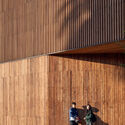
The selection of wood as the primary construction material is both a structural choice and a cultural homage. Constitución is historically a forestry and timber town, and utilizing wood reestablishes a material link between the city’s economic heritage and its built environment. The structural engineering incorporates flexible joints and resilient framing designed to absorb and dissipate seismic energy, ensuring that future earthquakes will not result in catastrophic failure.
Official Responses and Stakeholder Perspectives
The reconstruction of the Constitución Municipal Theater has garnered widespread praise from architectural critics, urban planners, and government officials alike.
Speaking on the philosophy behind ELEMENTAL’s disaster-recovery interventions, Alejandro Aravena has frequently emphasized that architecture in post-disaster zones must go beyond basic shelter. "When a city is broken by nature, rebuilding walls and roofs is only half the battle," design advocates note in relation to the studio’s participatory ethos. "You must rebuild the civic imagination. A theater is not a luxury; it is the living room of a city, a place where people come together to share stories, process collective trauma, and celebrate their resilience."
Local municipal leaders in Constitución have similarly lauded the project for fulfilling a long-standing promise to the citizens. Families who lived through the harrowing night of the 2010 earthquake have expressed immense emotional relief upon seeing the theater return to the city center. Cultural groups, local actors, and musicians who spent over a decade without a dedicated performance venue now have access to state-of-the-art facilities equipped with modern acoustics and lighting.
Furthermore, international architectural institutions have highlighted the project as a masterclass in resilient public architecture. By merging local identity with cutting-edge engineering, ELEMENTAL has provided a global case study on how cities can bounce forward rather than merely bounce back from extreme natural disasters.
Implications for Future Urban Design and Disaster Recovery
The completion of the Constitución Municipal Theater carries profound implications for how architects, governments, and communities approach disaster recovery across the globe. As climate change increases the frequency and severity of natural disasters, coastal cities are increasingly vulnerable to compound hazards like earthquakes, tsunamis, and extreme weather events.
1. The Power of Participatory Planning
ELEMENTAL’s ongoing work in Constitución proves that community involvement is non-negotiable in successful urban reconstruction. By involving local residents from the earliest conceptual stages, the architects ensured that the theater met actual community needs rather than imposing an abstract, external vision. This builds immediate civic ownership and ensures the long-term vitality of the building.
2. Sustainable Materiality and Seismic Resilience
The heavy reliance on engineered timber challenges the conventional assumption that only heavy concrete and steel can withstand major earthquakes. By showcasing the structural and aesthetic capabilities of wood, the project points toward a more sustainable future for public architecture—one that reduces carbon footprints through renewable materials while maintaining rigorous safety standards.
3. Culture as a Vector for Healing
Trauma recovery is often viewed exclusively through the lens of psychology, economics, or housing. However, the Constitución Municipal Theater project demonstrates that cultural infrastructure is a vital component of mental and social rehabilitation. Providing a dedicated venue for music, theater, and public assembly helps heal the intangible wounds of a community, fostering social cohesion and collective joy.
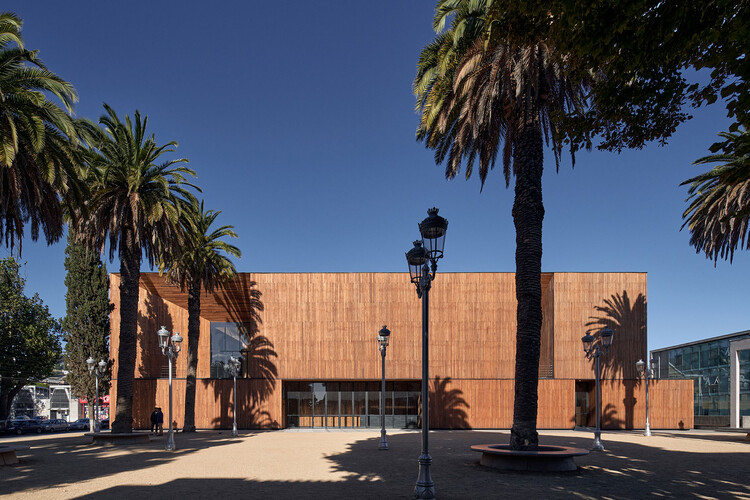
Ultimately, the reconstructed theater stands not only as a monument to modern engineering and architectural brilliance, but as a living testament to the resilience of Constitución—a city that refused to let disaster define its final act.
