

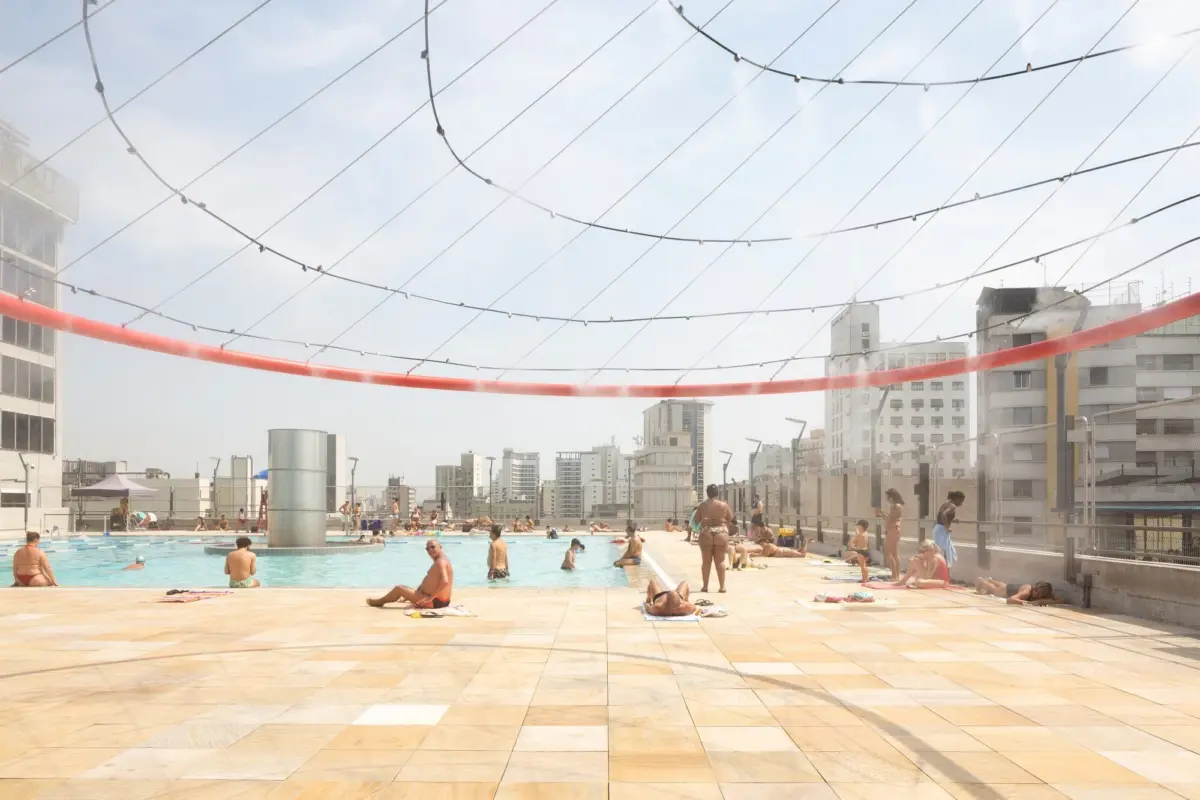
As the global community observed the International Day of Democracy, the United Nations redirected public attention toward a foundational yet increasingly strained principle: broad citizen participation in governance. In an era marked by rising authoritarian tendencies, widespread political polarization, and the hyper-individualization of public life, the international body urged leaders and citizens alike to re-examine how inclusivity and diverse voices can forge more equitable societies.
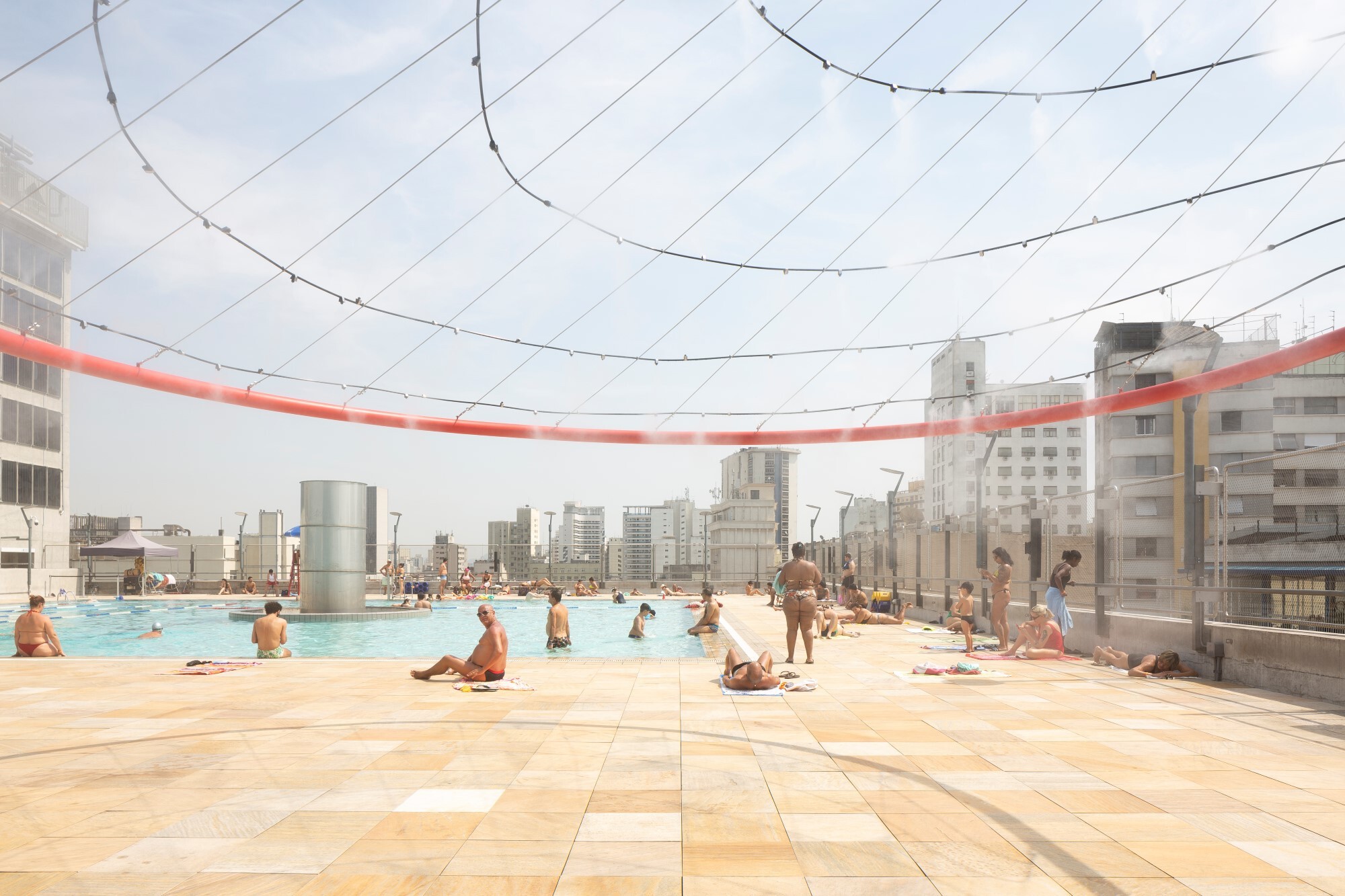
Yet, looking at democracy purely through the vertical lens of ballots, parliaments, and governmental decrees misses a crucial dimension of civil society. Democracy is also spatial. It is lived, performed, and negotiated in the built environment.
On this year’s observance, architects, urban planners, and theorists are asking critical questions: What makes a space truly democratic? How can the physical design of our cities and buildings uphold principles of equality, freedom of expression, and social justice? By exploring the intersections of urban design, territory, property rights, and architectural symbolism, experts are demonstrating that the built environment is never neutral. It either reinforces systemic inequalities or acts as a vital tool for resistance, equity, and civic encounter.
Main Facts: The Intersection of Space and Civic Life
The dialogue surrounding the International Day of Democracy underscores a multi-layered relationship between spatial design and political systems. Far from being a passive backdrop for human activity, architecture actively shapes political consciousness and societal structures.
- The Spatial Nature of Democracy: Democratic principles rely heavily on physical accessibility—public spaces that encourage encounters between strangers, foster dialogue, and tolerate peaceful assembly.
- The Dual Legacy of Spatial Planning: Historically, urban and architectural tools have been employed not only to build communal value and social security but also to enforce segregation, validate abusive power structures, and drive colonial expansion.
- Global Crises Demanding Spatial Solutions: Modern democracies face acute intersecting pressures, including the climate crisis, severe housing affordability shortages, and widening economic polarization. Addressing these requires targeted urban policies, land-use regulations, and inclusive design frameworks.
- Architecture as Political Practice: Individual buildings are far more than shelters; they are physical manifestations of political values. From transparency in civic structures to collective self-build initiatives, construction itself is an inherently political act.
Chronology: Evolution of Spatial Democracy and Civic Design
To understand how the built environment came to be recognized as a pillar of modern political discourse, it is helpful to trace the evolution of spatial democracy from ancient gathering grounds to contemporary tactical urbanism.

- Classical Antiquity: The roots of democratic spatial design trace back to the ancient Greek agora, an open-air public marketplace and civic center where citizens gathered for free exchange, political debate, and judicial proceedings. The physical layout prioritized centralizing public life, though it famously excluded women, enslaved people, and foreigners.
- The Industrial Era and the Rise of Control: As industrialization drew millions to cities in the 19th and early 20th centuries, urban design was frequently weaponized for social control. Projects like Baron Haussmann’s renovation of Paris deliberately widened boulevards to facilitate military troop movements and suppress revolutionary street barricades.
- Post-War Public Housing and Modernism: Mid-20th-century modernist planning promised egalitarian futures through mass housing blocks and sweeping master plans. However, poorly executed top-down modernist projects often resulted in isolated communities, severing the vital pedestrian connections necessary for organic civic life.
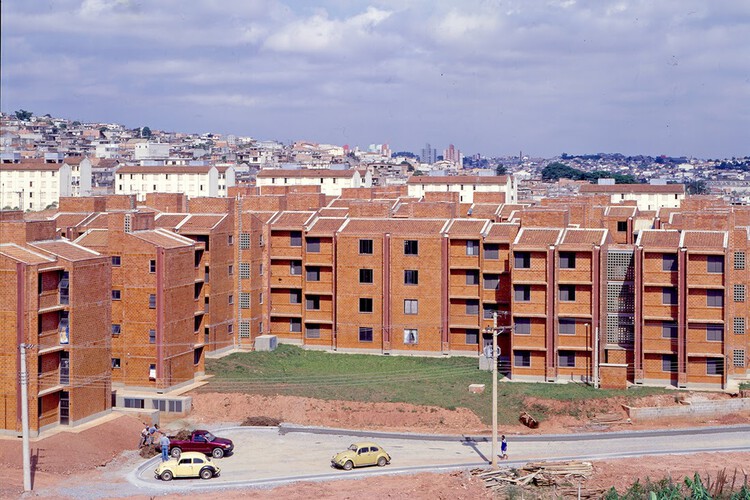
- Late 20th Century to Present: The modern era has seen a radical democratization of the design process. Grassroots movements, tactical urbanism, and collective self-build initiatives—such as Brazil’s USINA methodology—have redefined planning as a bottom-up practice. Today, urban design increasingly incorporates digital mapping narratives, climate resilience strategies, and inclusive public policies aimed at combating gentrification and displacement.
Supporting Data and Thematic Insights
To operationalize democracy within the built environment, architectural discourse breaks down into four core thematic pillars: public spaces for participation, territorial justice and climate resilience, public policies for housing access, and the symbolism of architectural form.
1. Public Spaces for Encounters Between Strangers
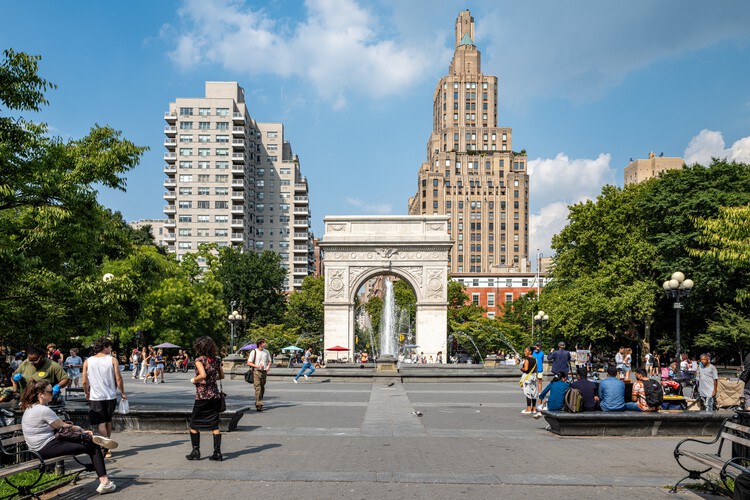
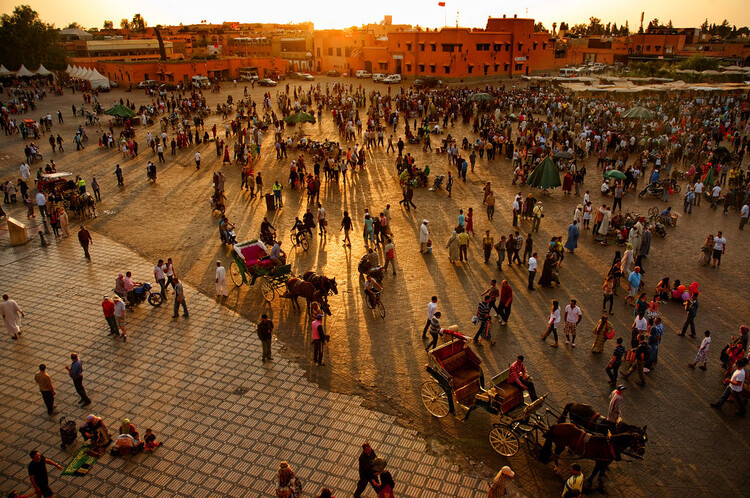
Public space is the ultimate equalizer—or it should be. Urban sites ranging from historical marketplaces like Marrakech’s Jemaa el-Fna to modern protest hubs like New York City’s Washington Square Park serve as physical platforms where diverse populations intersect.
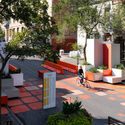
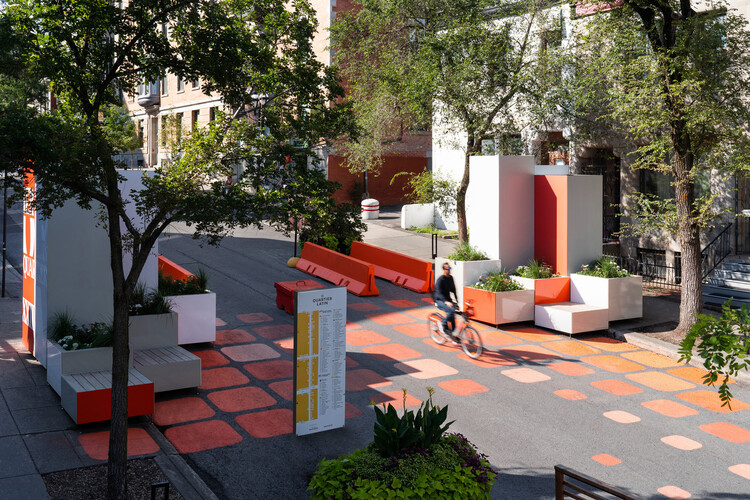
However, fostering true equity requires intentional design. Urban interventions must address systemic safety concerns, particularly for women and marginalized groups, ensuring that public squares are not co-opted by hostile architecture or private surveillance. Recent tactical urbanism projects—utilizing color, accessible pathways, and flexible seating—demonstrate how minor physical adaptations can transform alienating concrete jungles into welcoming civic living rooms.
2. Tools for Territorial Justice: Property and Climate Resilience
Democracy cannot thrive without territorial justice. The physical ground beneath our feet is intensely political. Issues of land ownership, soil degradation, and climate vulnerability disproportionately affect marginalized communities, who often find themselves displaced by environmental disasters or speculative real estate developments.
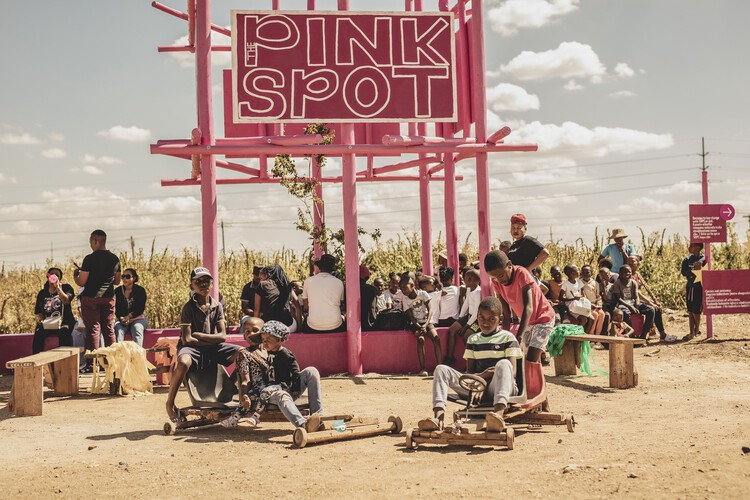
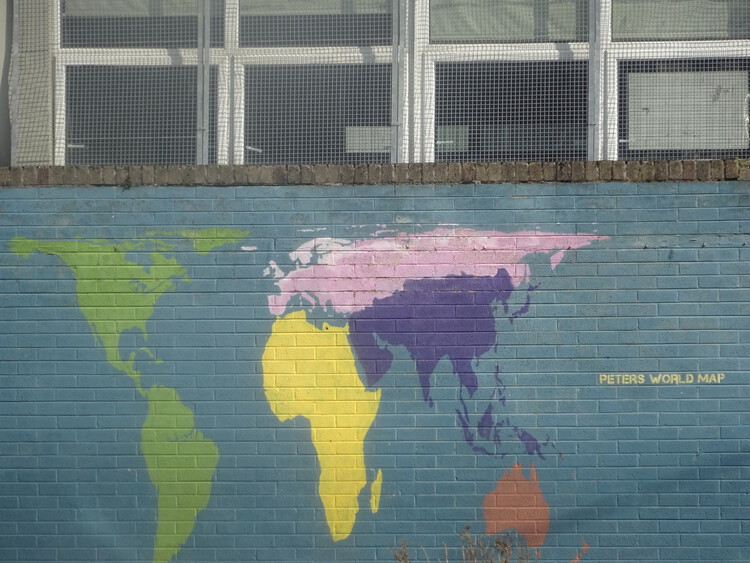
Innovative responses are emerging worldwide. Initiatives like the preservation of ancient chinampas (floating gardens) in Tlacoapa illustrate how ancestral ecological knowledge can inform sustainable, climate-resilient urban planning. Furthermore, modern cartographic practices—moving away from biased colonial map projections toward equitable spatial representations—help communities reclaim historical narratives and demand symbolic reparations.
3. The Right to Housing: Public Policies for Fair Access
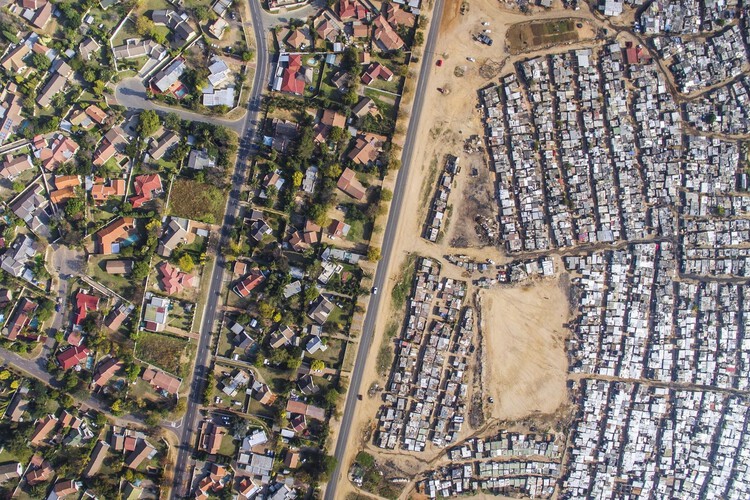
Housing is frequently cited as the front line of modern democratic crisis. When housing is treated purely as a financial asset rather than a fundamental human right, soaring costs drive socioeconomic segregation and erode civic participation.
Governments and architects are experimenting with aggressive legislative and architectural models to reverse this trend. From comprehensive housing reforms in the United States to targeted building, taxing, and financing measures in global hubs like New York City, policymakers are exploring inclusionary zoning, public land trusts, and mixed-income developments. Architectural responses from Spain, France, and Australia prove that high-density, beautifully designed affordable housing is essential to maintaining socioeconomic diversity within urban centers.
4. Symbolism in Buildings: Openness, Heritage, and Horizontality
Buildings communicate values. For decades, civic architecture relied on monumental scales, heavy stonework, and elevated podiums to project state authority and intimidation. In contrast, modern democratic architecture often seeks transparency—utilizing glass, open courtyards, and accessible ground floors to symbolize governmental accountability.

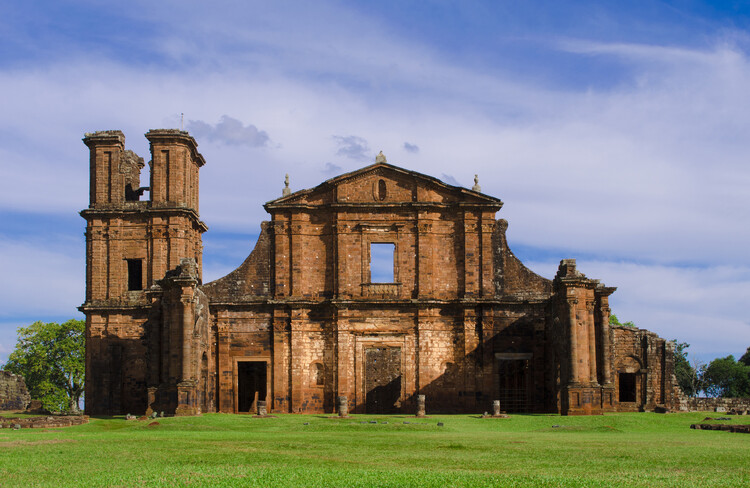
Yet, architectural transparency can sometimes be an illusion, masking bureaucratic opacity behind clean glass facades. True democratic architecture moves beyond superficial aesthetics into structural practice. This is exemplified by collective construction models, where future residents actively participate in designing and building their homes, transforming construction into a democratic classroom. Additionally, heritage preservation debates now question who decides what historical structures are worth saving, ensuring that marginalized histories are written into the architectural fabric of our cities.
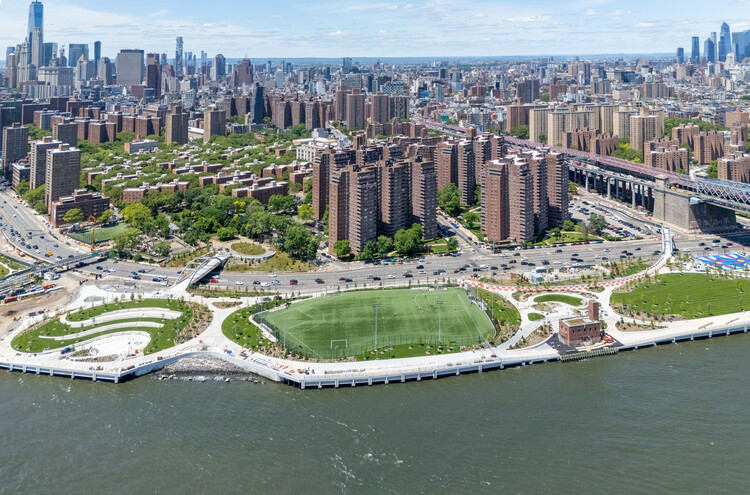
Official Responses and Global Perspectives
International bodies and architectural institutions have increasingly aligned their missions with the principles of social equity and human rights.
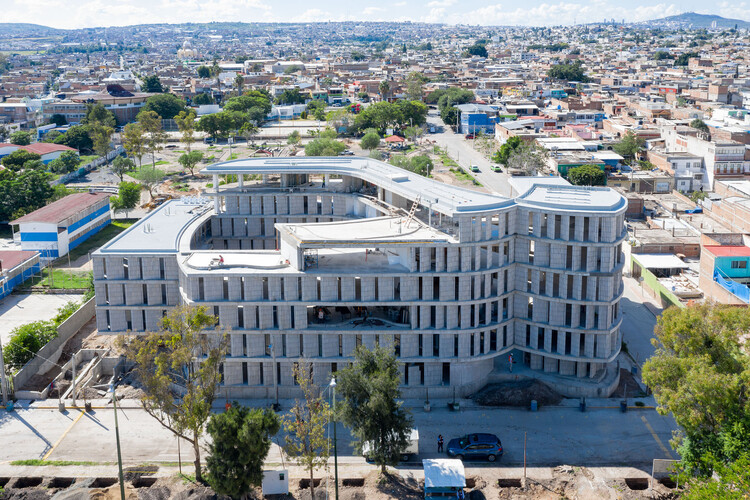
The United Nations’ emphasis on democracy not merely as a fixed institutional outcome, but as an ongoing, participatory process, resonates deeply within the design community. Urban leaders are recognizing that sustainable development goals cannot be achieved without democratizing the planning process itself.
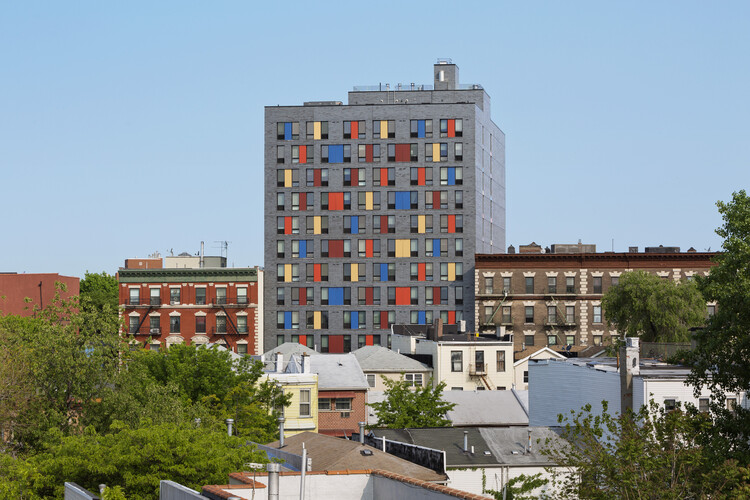
Global architecture networks have mobilized around these themes, leveraging special observances—such as International Youth Day, World Environment Day, and the International Day of the World’s Indigenous Peoples—to spotlight how space impacts human rights. By elevating indigenous constructive cultures, youth-led urban initiatives, and community-driven housing projects, these institutions advocate for a paradigm shift: moving away from starchitect-driven monuments toward community-centric, empathetic design.
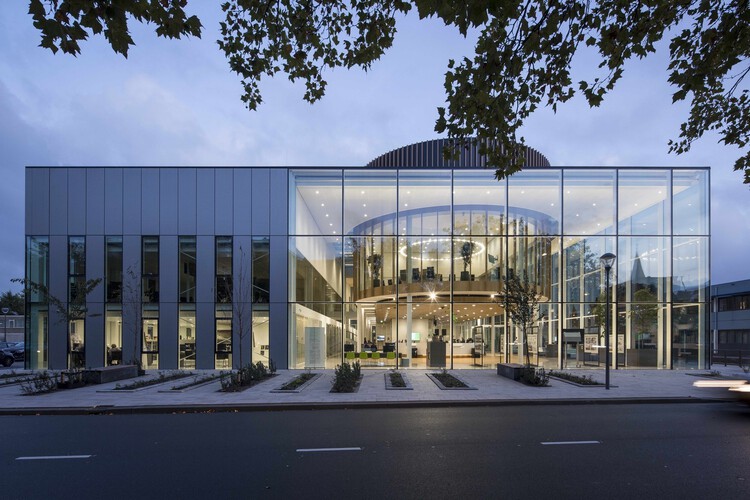
Implications: The Future of Democratic Architecture
As cities grow denser and global political systems face continuous stress tests, the implications for architecture and urban planning are profound. The traditional role of the architect is expanding from a private consultant for elite clients to a mediator of civic desires, environmental stewards, and facilitators of social justice.
If cities are to remain bastions of democracy, the design professions must confront several critical imperatives:
- Decentralizing Power in Planning: Urban planning can no longer be executed behind closed doors. Participatory budgeting, community-led design workshops, and co-production models must become standard practice in municipal development.
- Climate Equity: Climate change is an amplifier of inequality. Designing resilient cities means ensuring that protective infrastructure benefits all neighborhoods equally, rather than safeguarding wealthy enclaves while leaving vulnerable communities exposed to rising seas and extreme heat.
- Securing the Right to the City: Urban centers must resist hyper-gentrification through robust public policy, rent regulations, and the expansion of non-market housing stock. Without a stable home, true civic participation remains an impossible luxury for millions.
Conclusion
On the International Day of Democracy, the built environment stands as both a mirror of our current political fractures and a blueprint for our highest aspirations. Architecture cannot single-handedly solve the structural crises of modern governance, but it sets the stage upon which democracy is either nurtured or suffocated. By prioritizing equity, accessibility, and collective participation in the design of our public squares, residential neighborhoods, and civic institutions, we can build cities that not only house our bodies, but truly reflect our democratic ideals.
