

Main Facts
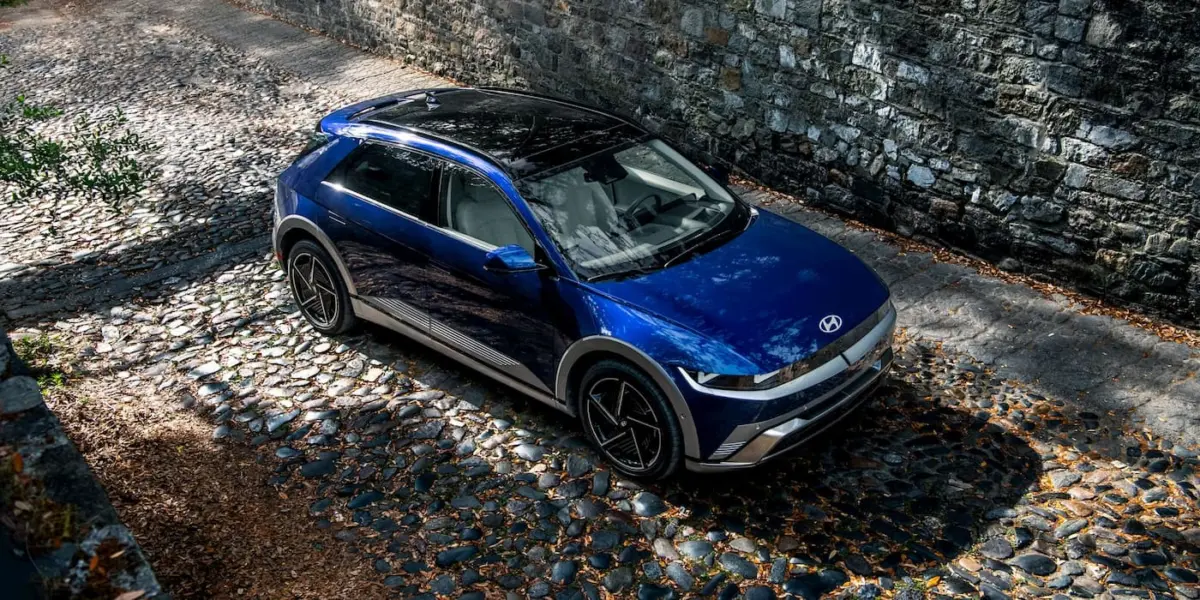
Hyundai Motor Group is continuing its aggressive expansion into the electric vehicle (EV) market by preparing to introduce two brand-new additions to its acclaimed IONIQ lineup: the IONIQ 4 and the IONIQ 7.
Positioned strategically to plug the gaps in the South Korean automaker’s rapidly growing EV ecosystem, these new entries aim to capture crucial market shares in both compact and midsize utility segments.
The IONIQ 7 will bridge the physical and structural gap between the popular two-row IONIQ 5 and the massive, three-row flagship IONIQ 9 (a vehicle that evolved out of the original "SEVEN" concept). It is expected to offer a more traditional, boxy SUV silhouette, multi-row seating configurations (both two and three rows), single- and dual-motor powertrain layouts, and a projected WLTP range exceeding 400 miles.
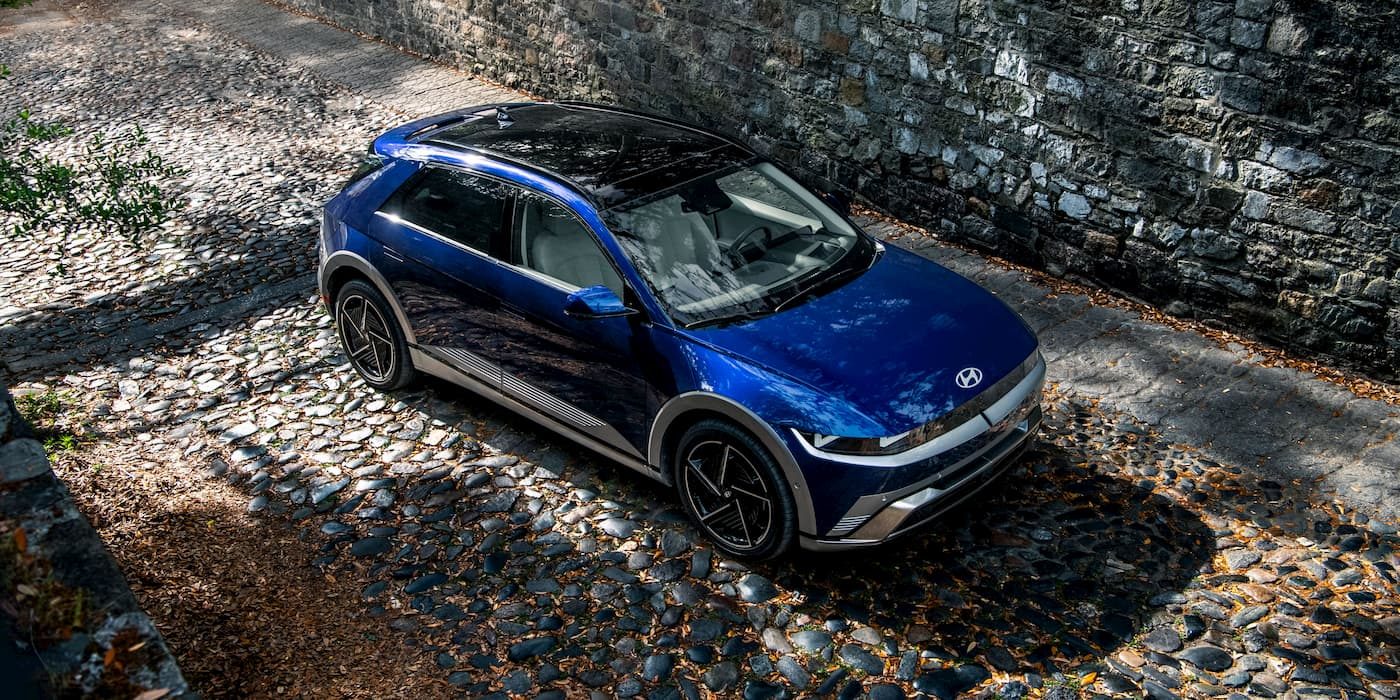
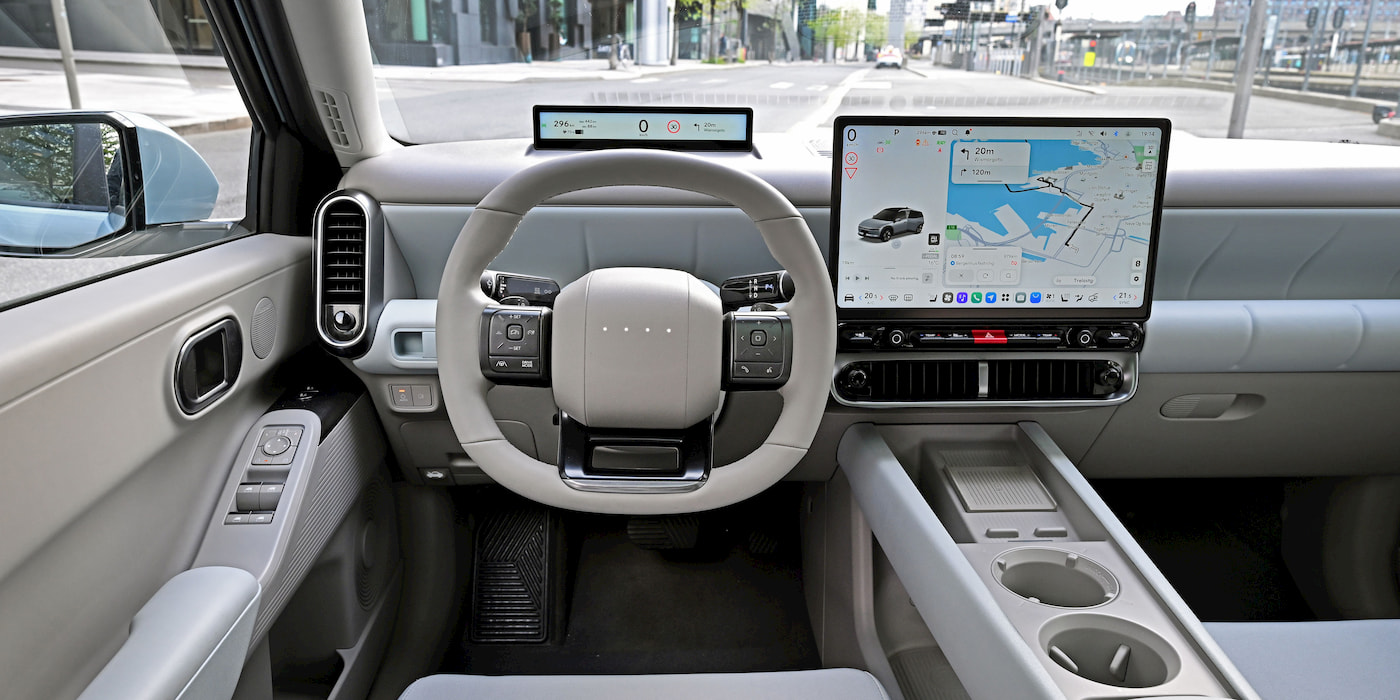
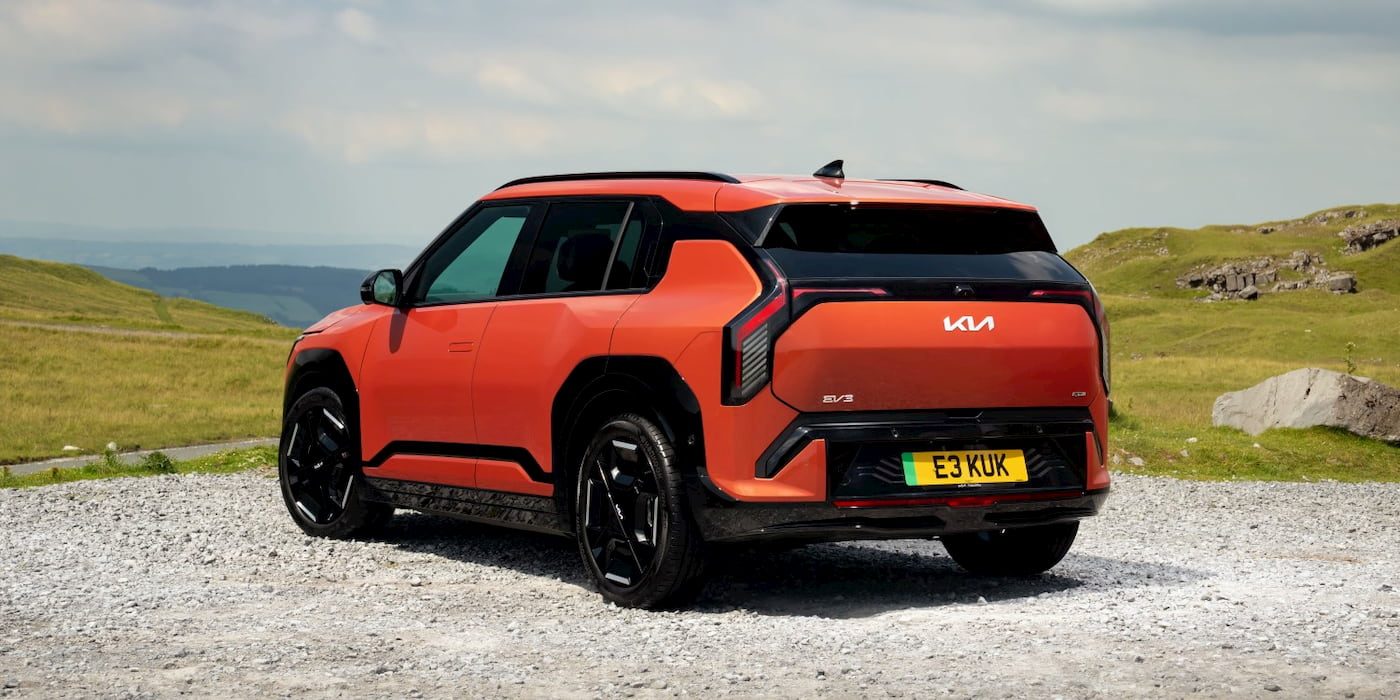
On the other end of the size spectrum, the IONIQ 4 will arrive as a B-segment compact SUV, serving as a corporate sibling to the Kia EV3. Slotting neatly between the entry-level IONIQ 3 and the mid-tier IONIQ 5, the IONIQ 4 will cater to budget-conscious urban and suburban buyers looking for practical family transport without breaking the bank. Both vehicles will feature Hyundai’s advanced new Pleos Connect infotainment system, representing a major leap forward in software UX, connectivity, and digital architecture.
Chronology of the IONIQ Family Evolution
To understand how the IONIQ 4 and IONIQ 7 fit into Hyundai’s broader master plan, it helps to look at the timeline of the automaker’s dedicated Electric-Global Modular Platform (E-GMP) rollout and concept car evolutions:
- Early EV Era (Pre-2021): Hyundai experiments with electrified variants of internal combustion platforms (such as the Ioniq Hybrid/Plug-in/Electric liftback), laying the groundwork for a dedicated EV sub-brand.
- The Game Changer (2021–2022): The IONIQ 5 launches globally to critical acclaim, introducing retro-futuristic styling and ultra-fast 800V charging architecture. It quickly establishes itself as a direct rival to the Tesla Model Y.
- The Concept Phase (2021–2023): Hyundai reveals the "SEVEN" concept, which many initially assume will be badged as the IONIQ 7 production vehicle.
- Shifting Nomenclatures (2024–2025): Hyundai pivots its flagship strategy, designating the production version of the large three-row family hauler as the IONIQ 9 to better align with its status as a flagship utility vehicle (akin to the Kia EV9). This leaves the "IONIQ 7" nameplate open for a newly minted middle-child SUV.
- Compact & Mid-Tier Expansion (Late 2026): Reports surface from automotive publications like Auto Express detailing the simultaneous development of the sub-IONIQ 5 IONIQ 4 and the mid-tier IONIQ 7. Meanwhile, the entry-level IONIQ 3 debuts in Europe with the new Pleos Connect infotainment system.
- The Horizon (Next 12–18 Months): Both the IONIQ 4 and IONIQ 7 are slated for official market debuts, projected to roll out to international showroom floors within the coming year and a half.
Supporting Data & Technical Specifications
While Hyundai has yet to publish full, finalized homologation data for the impending models, early industry reporting and comparative metrics give a clear picture of what consumers can expect.
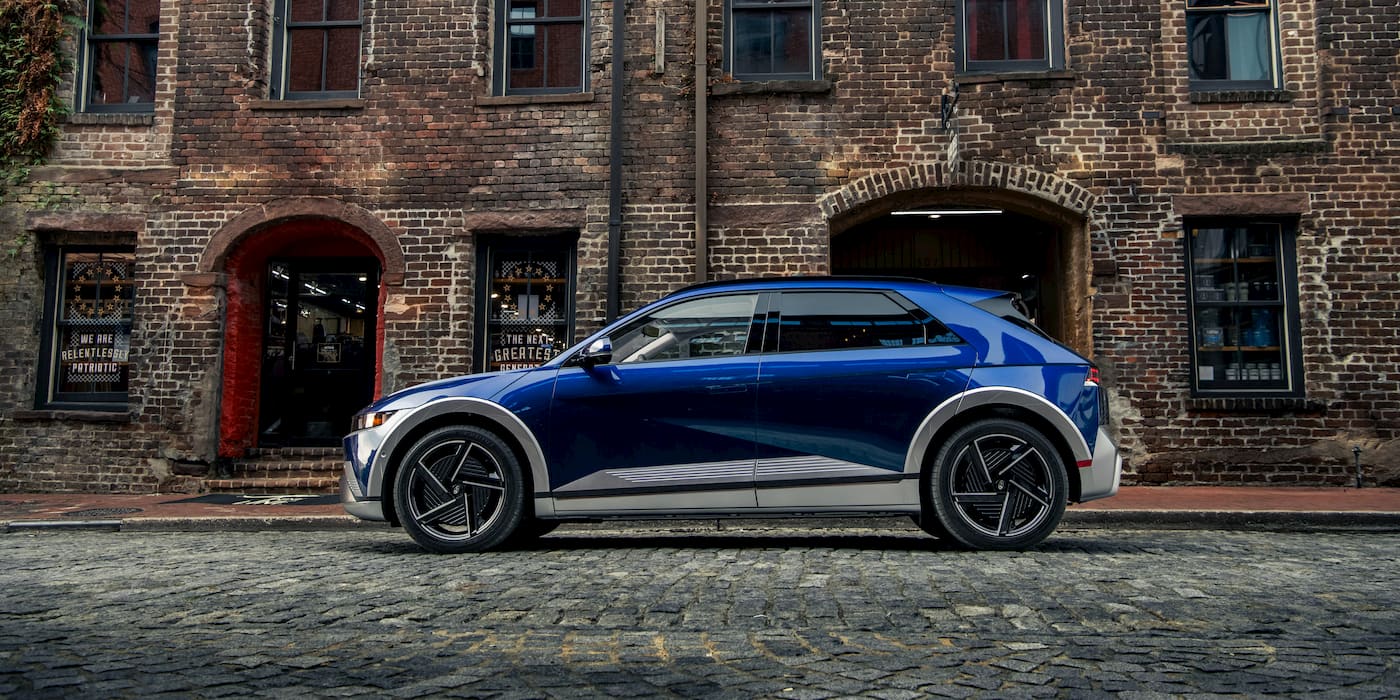
Hyundai IONIQ 7 (Midsize SUV)
- Placement: Directly between the IONIQ 5 and the flagship IONIQ 9.
- Design Philosophy: A more traditional, upright, boxy SUV profile compared to the heavily curved, parametric-pixel crossover lines of the IONIQ 5.
- Seating Options: Flexible two-row and three-row configurations designed for growing families.
- Powertrains: Anticipated single-motor (rear-wheel drive) and dual-motor (all-wheel drive) configurations.
- Charging Architecture: 800V electrical architecture, allowing for lightning-fast DC fast-charging speeds capable of replenishing battery reserves from 10% to 80% in under 20 minutes.
- Estimated Range: Projected WLTP range of at least 400 miles on higher-trim variants.
- Baseline Dimensions (Compared to IONIQ 5): The IONIQ 5 measures 183.3 inches long, 74.4 inches wide, and 63 inches tall, riding on a sprawling 118.1-inch wheelbase. The IONIQ 7 is expected to scale up slightly from these dimensions to comfortably accommodate an optional third row of seats.
- Estimated US Pricing: While the 2027 IONIQ 5 starts at $35,250 in the United States, industry analysts project the IONIQ 7 will command a price bracket between $40,000 and $45,000 to reflect its increased footprint and utility.
Hyundai IONIQ 4 (Compact B-Segment SUV)
- Placement: Slotted precisely between the entry-level IONIQ 3 and the mainstream IONIQ 5.
- Platform Twin: Mechanically and structurally related to the Kia EV3.
- Battery Options (Derived from IONIQ 3 architecture):
- Standard Range: 42 kWh battery pack yielding up to 214 miles of WLTP range.
- Long Range: 61 kWh battery pack yielding up to 308 miles of WLTP range.
- Estimated UK Pricing: Expected to start around £25,000 to £33,000, positioning it as an aggressively priced mass-market electric crossover.
- Geographic Availability: While European markets are guaranteed to receive the compact IONIQ 4 (mirroring the regional success of vehicles like the Kia EV3), North American buyers are less likely to see it on domestic shores, where consumer preference heavily leans toward larger C- and D-segment footprints. Conversely, the IONIQ 7 is heavily rumored to cross the Atlantic as a direct American market offering.
Official Responses and Industry Insights
Hyundai’s overarching corporate strategy relies on rapid segment diversification. By introducing tailored vehicles for nearly every size and price bracket—ranging from the budget-friendly IONIQ 3 up to the luxurious IONIQ 9—the automaker aims to insulate itself against fluctuating EV adoption rates and intense global competition from legacy automakers and Chinese EV disruptors.
While formal press releases detailing every bolt and battery cell of the IONIQ 4 and IONIQ 7 remain forthcoming, leaks and disclosures provided to outlets like Auto Express confirm that Hyundai is leaning heavily into cabin technology.
The integration of the Pleos Connect infotainment system is a cornerstone of this strategy. Having made its European debut aboard the smaller IONIQ 3 and arriving in North America via the 2027 Tucson, Pleos Connect promises a modernized, highly responsive software environment. It addresses historical criticisms regarding legacy UI responsiveness and deepens over-the-air (OTA) update capabilities across the entire IONIQ ecosystem.
Industry analysts note that Hyundai’s ability to share modular hardware—such as battery packs, electric motors, and the versatile E-GMP architecture—allows the company to develop these niche-filling models rapidly and cost-effectively.
Implications for the EV Market
The introduction of the IONIQ 4 and IONIQ 7 carries several profound implications for the global automotive landscape:
1. Closing Every Market Gap
For years, consumers shopping for an electric vehicle faced a "Goldilocks" dilemma: cars were either too small (like traditional hatchbacks and subcompact crossovers) or too large and expensive (like full-size three-row SUVs). By systematically rolling out vehicles spaced mere inches and thousands of dollars apart—IONIQ 3, 4, 5, 7, and 9—Hyundai ensures that virtually no buyer is forced into a competitor’s showroom due to an awkward vehicle size category.
2. Direct Pressure on Competitors
The IONIQ 7 directly challenges traditional internal combustion engine (ICE) midsize SUVs by offering family-friendly dimensions, a boxy profile that maximizes interior cargo volume, and the rapid-charging pedigree of Hyundai’s 800V systems. Meanwhile, the IONIQ 4 threatens to upend the entry-level European EV market by undercutting pricier alternatives while matching or exceeding their real-world range.
3. Software as a Standard
With the widespread adoption of the Pleos Connect system, Hyundai is signaling that it no longer views in-car software as an afterthought. By standardizing advanced digital architecture across both its entry-level compacts and its larger family haulers, the brand is positioning itself to compete directly with tech-forward EV startups in customer satisfaction and digital ecosystem integration.
As Hyundai prepares for the official rollout of the IONIQ 4 and IONIQ 7 over the next 12 to 18 months, consumers and industry watchers alike will be tracking how these strategic additions reshape the global transition to electric mobility.
