

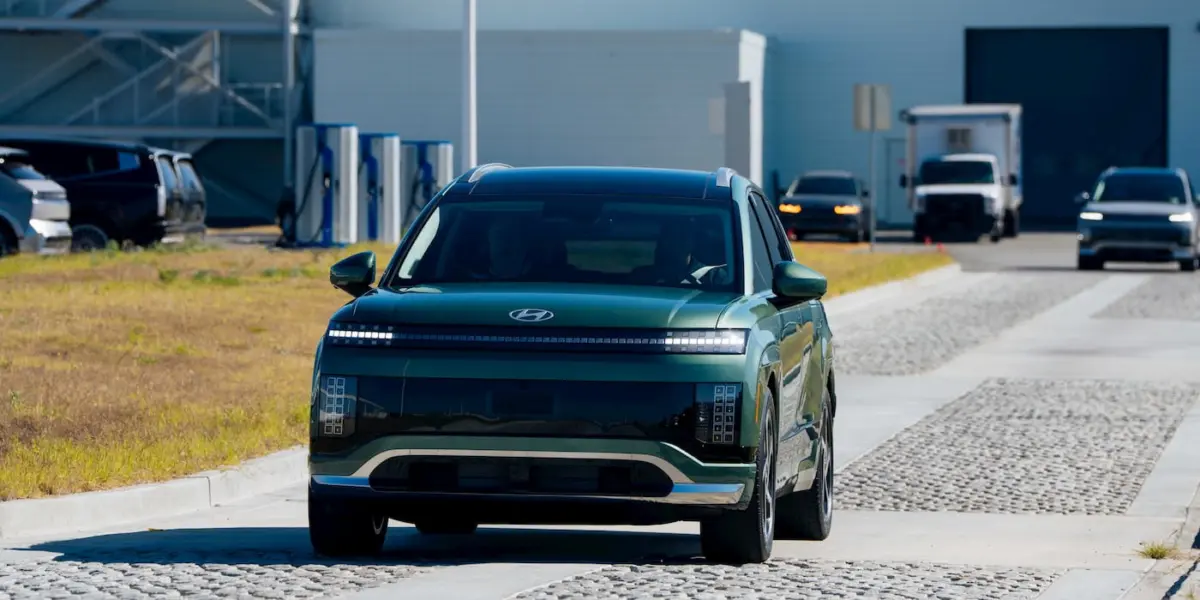
WASHINGTON — In an aggressive move to cement its foothold in a rapidly evolving American automotive landscape, South Korean automaker Hyundai has rolled out a sweeping suite of incentives, slashing prices on its flagship electric SUVs by up to 10%. With total savings reaching as high as $7,000 on larger models and aggressive lease structures across its popular lineup, Hyundai is signaling that it remains fiercely committed to electric vehicle (EV) adoption—even as broader market headwinds challenge the industry.
The latest round of discounts arrives during a banner year for the brand. Buoyed by record-shattering third-quarter performances, Hyundai is currently on a trajectory to notch its sixth consecutive year of record-breaking US retail sales. Yet, this commercial success unfolds against a backdrop of shifting government policies and fluctuating consumer demand, making these targeted price cuts and low-APR financing options a critical play for maintaining market share.
Main Facts: What Buyers Need to Know
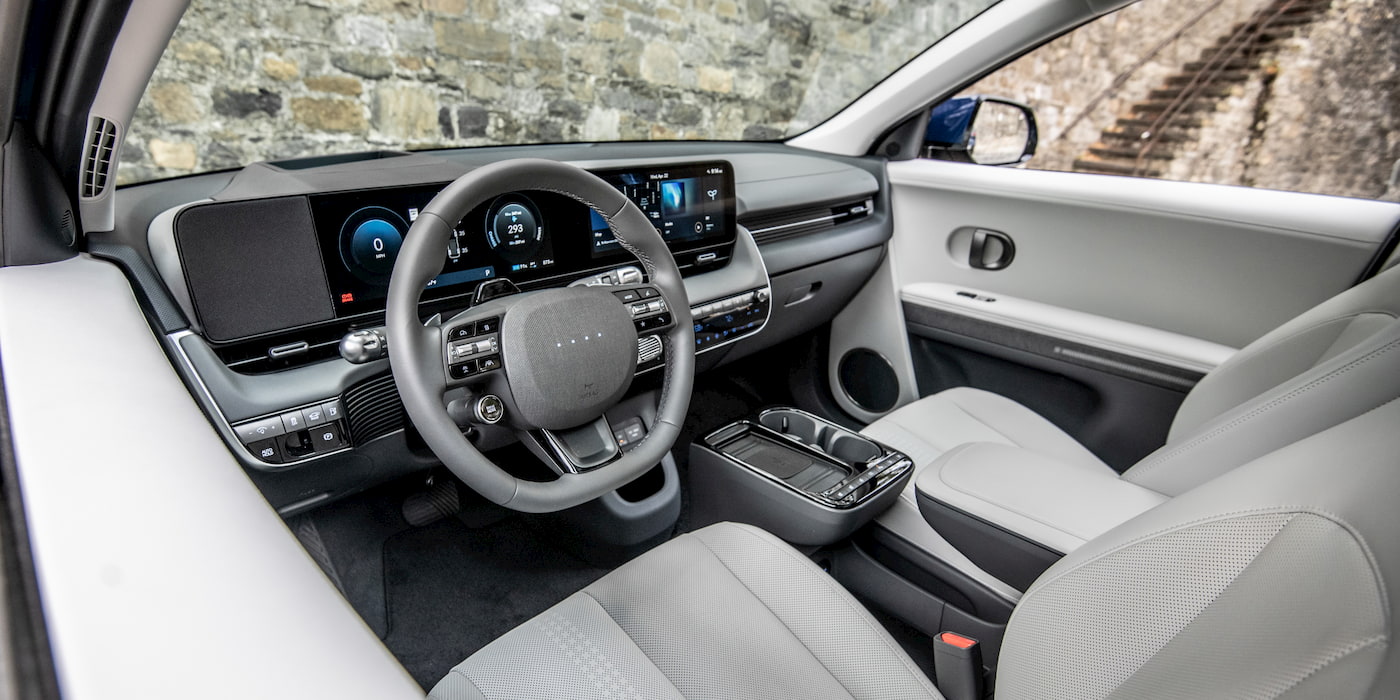
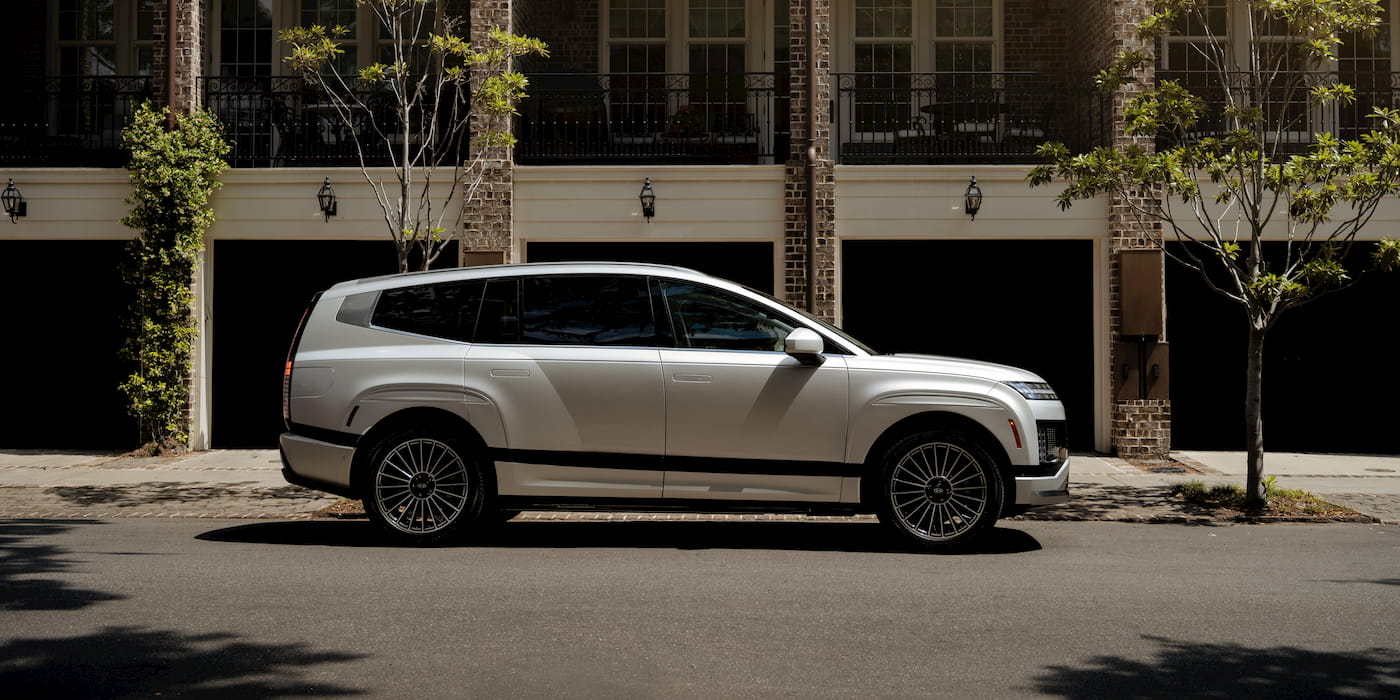
Hyundai’s latest promotional push centers heavily on its award-winning all-electric lineup, specifically the best-selling IONIQ 5 crossover and the expansive, three-row IONIQ 9.
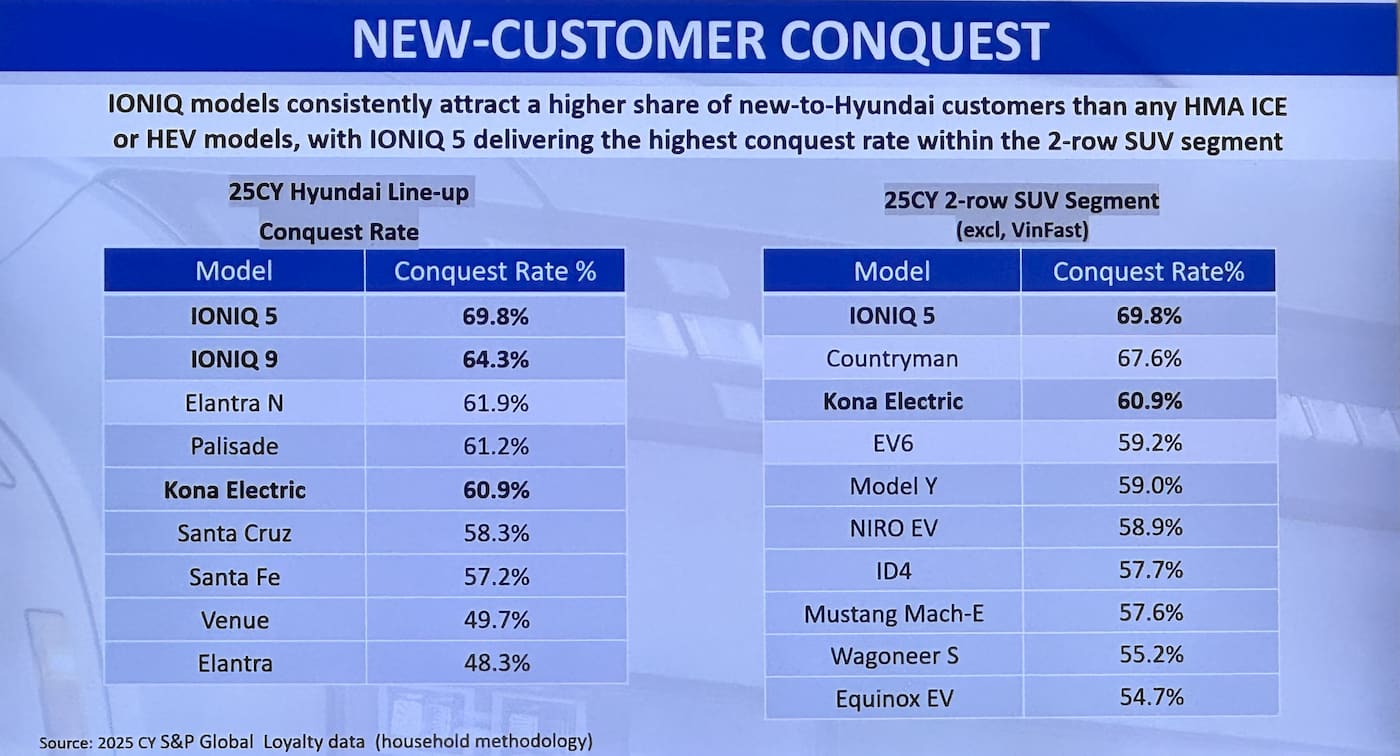
- The IONIQ 5 Discounts: The 2026 Hyundai IONIQ 5 is seeing a direct $3,500 discount—representing a full 10% cut off its entry-level MSRP of $35,000. For shoppers opting to lease, the IONIQ 5 SE Standard Range (delivering an EPA-estimated 245 miles of range) is available for $339 per month over a 24-month term, requiring $4,999 due at signing. Buyers looking for superior range can step up to the longer-range SE RWD variant—offering up to 318 miles of range—for $369 a month with a slightly reduced down payment of $3,999. Meanwhile, the incoming 2027 IONIQ 5 models feature up to $2,750 in total savings, with leases kicking off at $369 monthly.
- The IONIQ 9 Discounts: For families requiring maximum cargo and passenger capacity, Hyundai has slashed up to $7,000 off the three-row IONIQ 9. With a base retail price of $58,995, this discount comfortably exceeds the 10% threshold. Leases for the base 2026 IONIQ 9 S RWD—boasting an impressive EPA-estimated range of 335 miles—start at $419 per month for a 36-month term with $4,999 due at signing.
- Financing Incentives: Beyond lease deals, Hyundai Motor Finance is offering ultra-low financing rates. Qualified buyers can secure a 0.9% APR for up to 60 months on the 2026 IONIQ 5, while the larger 2026 IONIQ 9 is backed by a competitive 1.9% APR for the same duration.
Chronology: How Hyundai’s EV Strategy Evolved
To understand the weight of Hyundai’s current discounting strategy, one must examine the timeline of regulatory shifts and corporate pivots that shaped the market over the past two years.
The Federal Credit Shift and Market Adjustment
For years, the US electric vehicle market expanded rapidly under the umbrella of generous federal incentives, most notably the $7,500 federal EV tax credit. However, the political landscape shifted dramatically when the Trump administration officially sunsetted the $7,500 federal credit.
While many legacy automakers saw their EV sales momentum flatline or pull back sharply in the wake of the credit’s expiration, Hyundai adapted with remarkable agility. Rather than scaling back its electrification ambitions, the automaker doubled down on localized manufacturing and aggressive structural pricing.
Price Cuts and Metaplant Milestones
In late 2025, Hyundai made waves across the automotive sector by dropping prices on the IONIQ 5 by nearly $10,000 on select trims, recalibrating the vehicle to start at an accessible $35,000. This strategic pivot allowed the crossover to defy broader market cooling trends, cementing its position as one of the best-selling non-Tesla EVs in the United States.
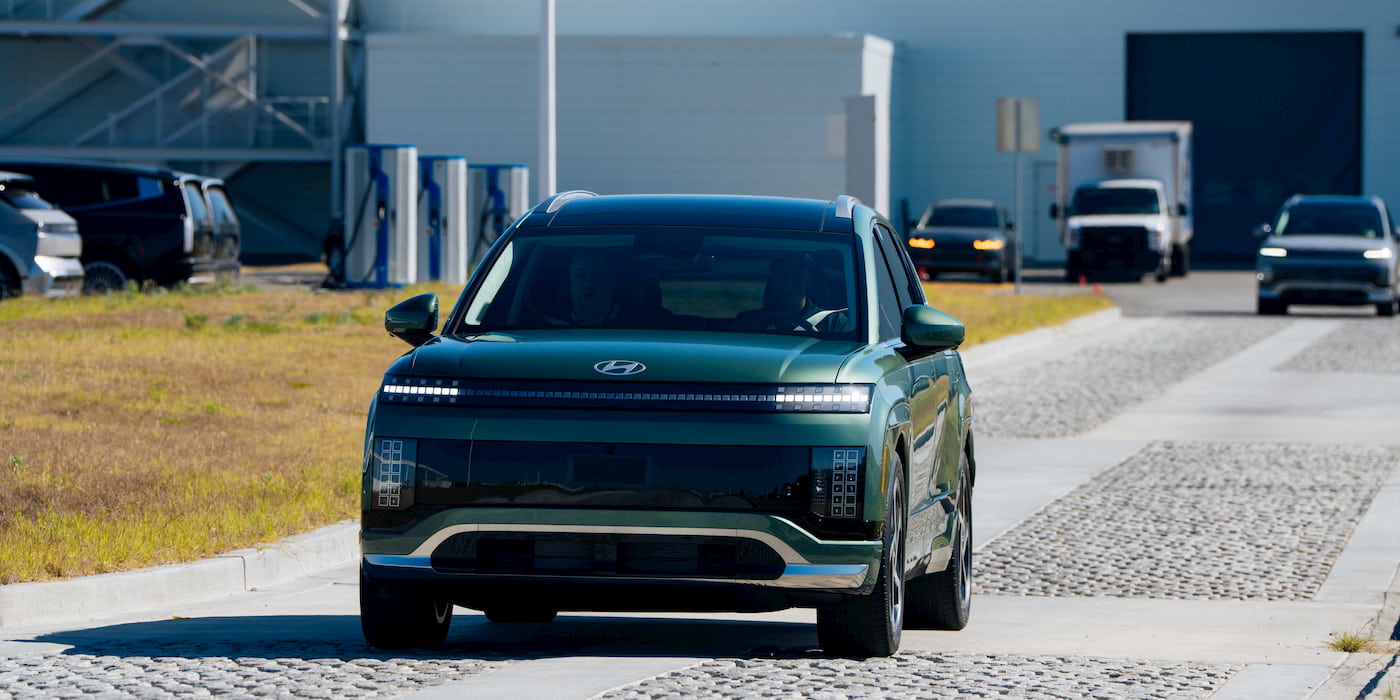
Simultaneously, Hyundai accelerated its domestic production capabilities. The state-of-the-art Hyundai Motor Group Metaplant America, situated outside Savannah, Georgia, came online to locally manufacture key models—including both the IONIQ 5 and the family-sized IONIQ 9. By building vehicles domestically, Hyundai positioned itself to better navigate complex trade dynamics and supply chain vulnerabilities.
The 2026/2027 Transition
As production lines transition to build out the 2027 model year iterations, Hyundai has utilized localized inventory clearing tactics. By deploying 10% total savings packages across the remaining 2026 stock, the company is successfully maintaining showroom foot traffic while prepping dealers for the next generation of vehicles.
Supporting Data: Conquest Rates, Sales Mix, and Competitor Landscape
Hyundai’s aggressive pricing is heavily supported by hard data highlighting consumer conversion and brand loyalty.
High "Conquest Rates" Prove Brand Appeal
During a facility tour of the Georgia Metaplant, Hyundai executives shared proprietary data with industry analysts detailing the company’s "conquest rate"—the percentage of buyers switching from rival automotive brands to purchase a Hyundai.
The results underscored a profound shift in consumer preference:
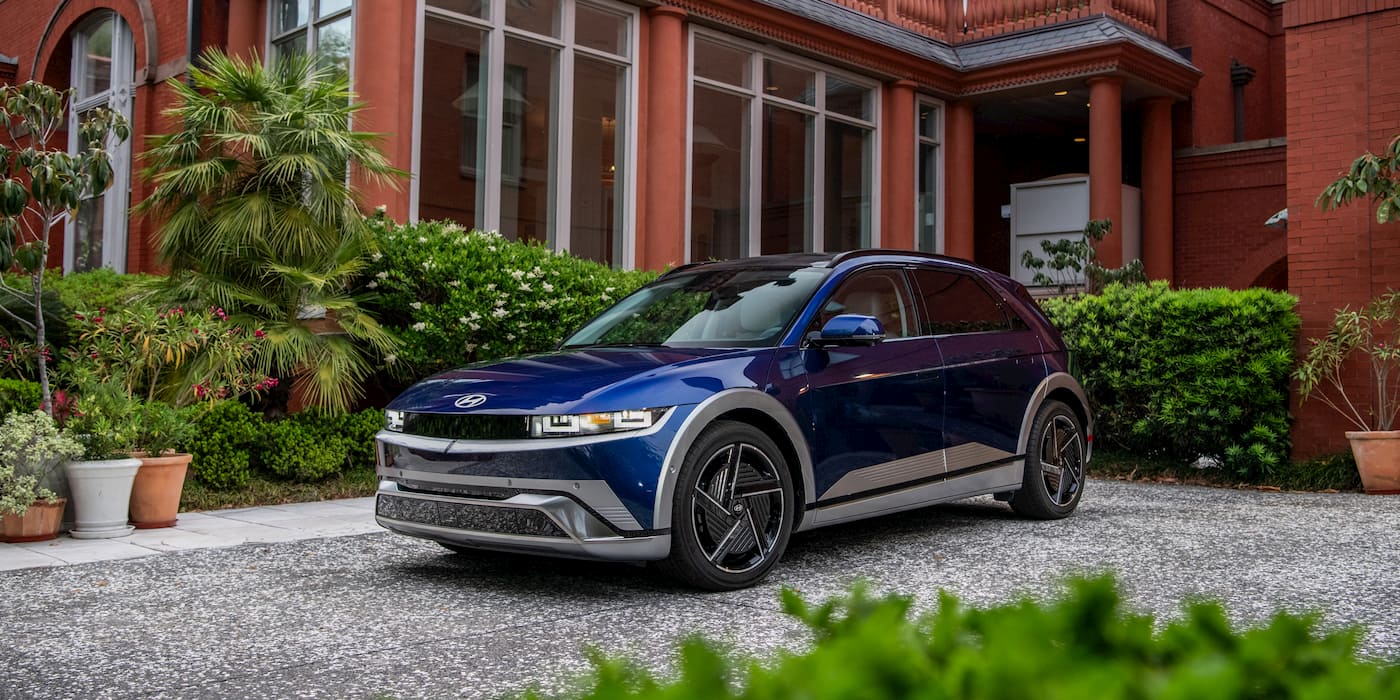
- The IONIQ 5 led the charge last year with a staggering 69.8% conquest rate, meaning nearly 70% of IONIQ 5 buyers previously owned a vehicle from an entirely different brand.
- The IONIQ 9 followed closely behind, capturing a 64.3% conquest rate for its segment.
According to internal metrics, these electric SUVs are drawing buyers away from competitor stables at a significantly higher conversion rate than Hyundai’s traditional internal combustion engine (ICE) vehicles or hybrid models.
Volume and Market Resilience
Despite the broader US EV market slowing down post-tax credit, Hyundai’s sales volume has refused to flag. The IONIQ 5 alone crossed significant volume milestones, registering over 31,000 units sold in a market increasingly saturated with new entries.
The Competitive Battlefield
Despite Hyundai’s attractive up-to-$7,000 and 10% discount structures, the broader Korean automotive family is engaged in an internal and external pricing war. Sister company Kia has aggressively countered with its own incentives, offering up to $10,000 off its three-row electric SUV, the EV9. Furthermore, Kia’s newly introduced compact EV3—starting at an approachable $30,000—adds another layer of competitive pressure to the affordable end of the electric spectrum, forcing brands to continually refine their value propositions to capture cost-conscious buyers.
Official Responses: The Philosophy Behind the Price Tags
Hyundai’s corporate leadership has been vocal about the underlying philosophy guiding these sweeping retail adjustments. Rather than viewing price cuts as a reactionary panic measure, executives frame them as part of a deliberate, long-term market capture strategy.
When executing the initial major price adjustments, corporate spokespeople released clear statements defining the brand’s trajectory:
"The lower prices reflect Hyundai’s steadfast commitment to vehicle affordability and form the bedrock of our long-term market strategy," the company noted.
By refusing to cede the affordable EV tier to competitors, Hyundai aims to build early brand loyalty among consumers transitioning away from gas-powered vehicles for the first time. By capturing these buyers at the $35,000 price point with the IONIQ 5—and offering scalable pathways into larger vehicles like the IONIQ 9—Hyundai is securing lifetime customers who might otherwise remain hesitant to adopt zero-emission technology.
Furthermore, leadership has emphasized that localized US manufacturing at the Georgia Metaplant is the financial engine making these price cuts sustainable. By streamlining logistics, reducing import tariffs, and optimizing assembly lines on American soil, Hyundai has unlocked operational efficiencies that can be directly passed down to the retail consumer in the form of rebates, low-APR financing, and aggressive lease structures.
Implications: What This Means for the Future of the US EV Market
Hyundai’s aggressive discounting strategy carries wide-ranging implications for the broader American automotive ecosystem, consumers, and competing manufacturers.
1. Redefining "Affordability" Without Federal Subsidies
For years, critics argued that the American EV market could not survive without the artificial life support of federal tax credits. Hyundai’s ability to sustainably drop the IONIQ 5 to a $35,000 starting price—and layer on an additional 10% in total savings—demonstrates that legacy automakers are learning to absorb margin pressures to keep EVs moving off dealership lots. This bodes well for consumers who feared that the removal of government subsidies would permanently lock them out of the electric vehicle market.
2. Pressure on Legacy and Domestic Competitors
With Hyundai and its corporate cousin Kia both pushing deep five- and four-figure discounts on their electric SUVs, legacy American and European automakers face intense competitive pressure. Traditional brands that rely on higher profit margins for initial-generation EV rollouts may find it increasingly difficult to match Hyundai’s aggressive pricing without sustaining heavy financial losses. This could force a industry-wide reevaluation of supplier costs and manufacturing efficiencies.
3. Acceleration of Fleet Turnover and Adoption Rates
By making vehicles like the IONIQ 5 accessible via low monthly leases ($339/month) and incentivizing larger families with up to $7,000 off the three-row IONIQ 9, Hyundai is effectively pulling future EV adoption forward. Consumers who were previously on the fence—weighing the upfront costs of battery-electric vehicles against traditional gas-powered cars—now face a financial equation where going electric is not just environmentally conscious, but economically sensible.

As Hyundai marches toward what looks to be its sixth consecutive year of record US retail sales, its current playbook offers a clear blueprint for navigating a post-tax-credit market: localize production, protect affordability, and let aggressive incentives do the heavy lifting.
