

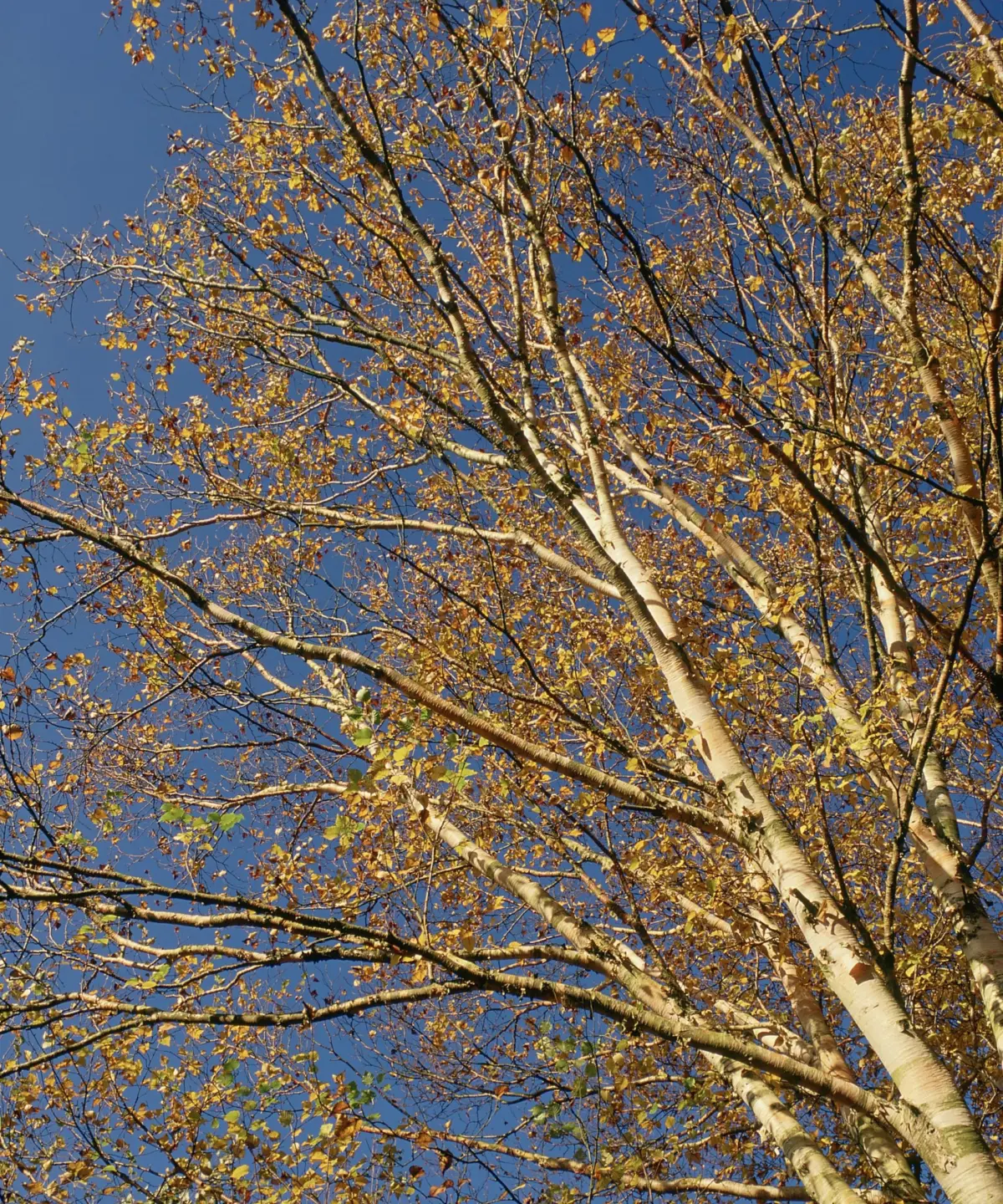
As autumn paints the landscape with vibrant hues of amber and gold, gardeners and property owners often feel the urge to tidy up their outdoor spaces. However, the changing of the seasons requires a careful, strategic approach to arboriculture.
October is generally not the right time for undertaking major tree renovations, heavy structural alterations, or aggressive reshaping. Those intensive tasks are best reserved for the deep dormancy of late winter.
Instead, mid-autumn offers an ideal window for targeted, light maintenance pruning. This gentle approach keeps deciduous trees safe, structurally sound, and prepared to weather the rigors of upcoming winter storms.
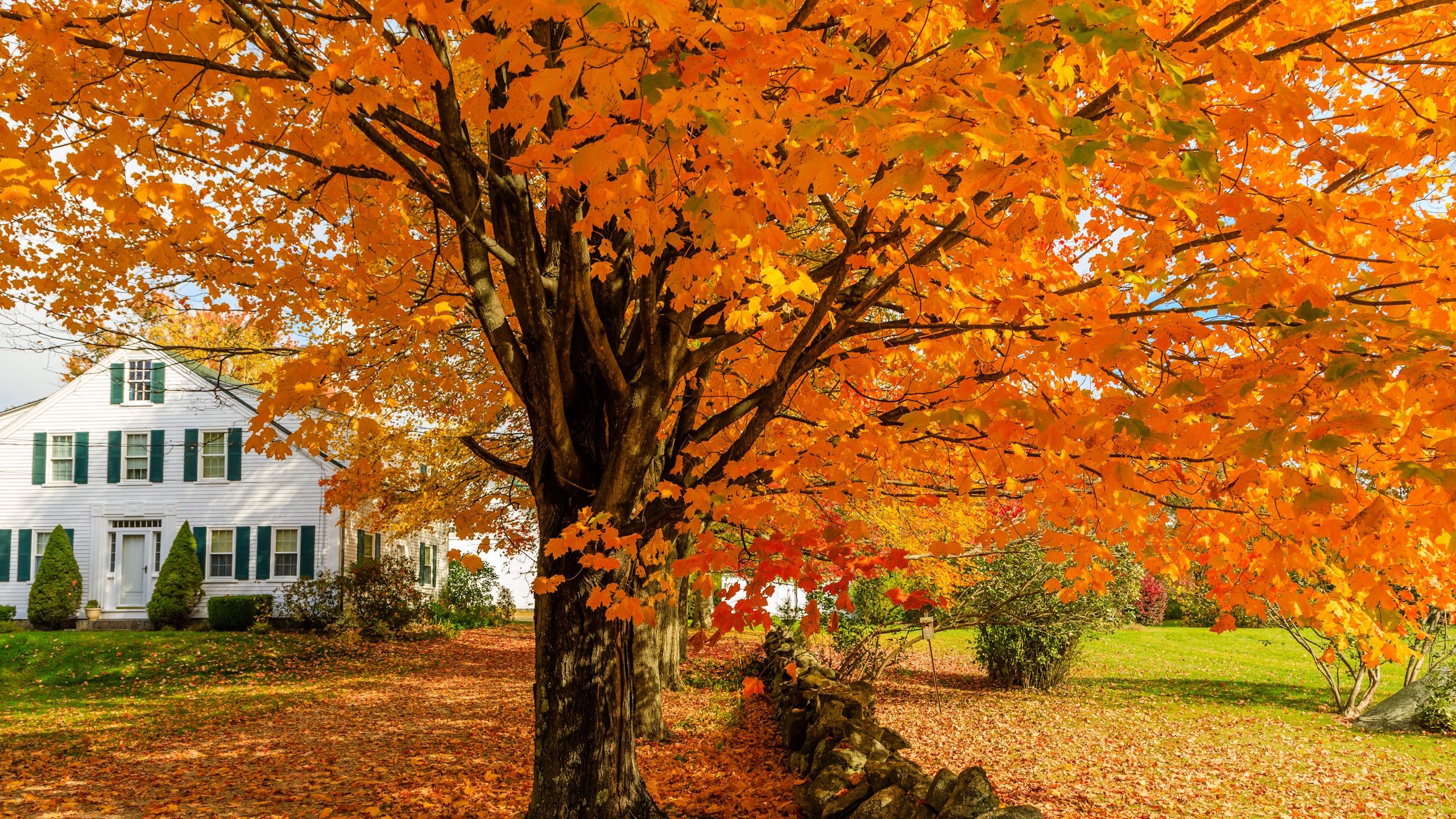
By removing dead, damaged, or diseased branches—as well as limbs encroaching upon buildings, roofs, and driveways—property owners can prevent costly property damage. A few well-planned cuts in October can secure the safety of your landscape for the months ahead.
Main Facts: The Golden Rules of October Pruning
To successfully navigate tree care during the mid-autumn transition, arborists and horticultural experts emphasize several core principles:
- Prioritize Safety over Aesthetics: October pruning should be driven by necessity rather than cosmetic design. Focus strictly on mitigating hazards, removing structural liabilities, and preventing pest or disease transmission.
- Target Vulnerable Wood: Cut away deadwood, rubbing branches, and limbs hanging dangerously close to structures to prevent winter storm damage.
- Respect the One-Third Rule: Never remove more than one-third of a tree’s total canopy in a single growing season. Over-pruning induces severe physiological stress and weakens the plant’s natural defenses.
- Tool Hygiene is Non-Negotiable: Before making a single cut, ensure all hand saws, loppers, and pole pruners are thoroughly cleaned, sanitized, and sharpened to create clean wounds that heal quickly.
Chronology: The Seasonal Pruning Timeline
Understanding the biological rhythms of deciduous trees is crucial for preventing infections and excessive sap loss. The calendar year dictates specific windows for safe intervention:
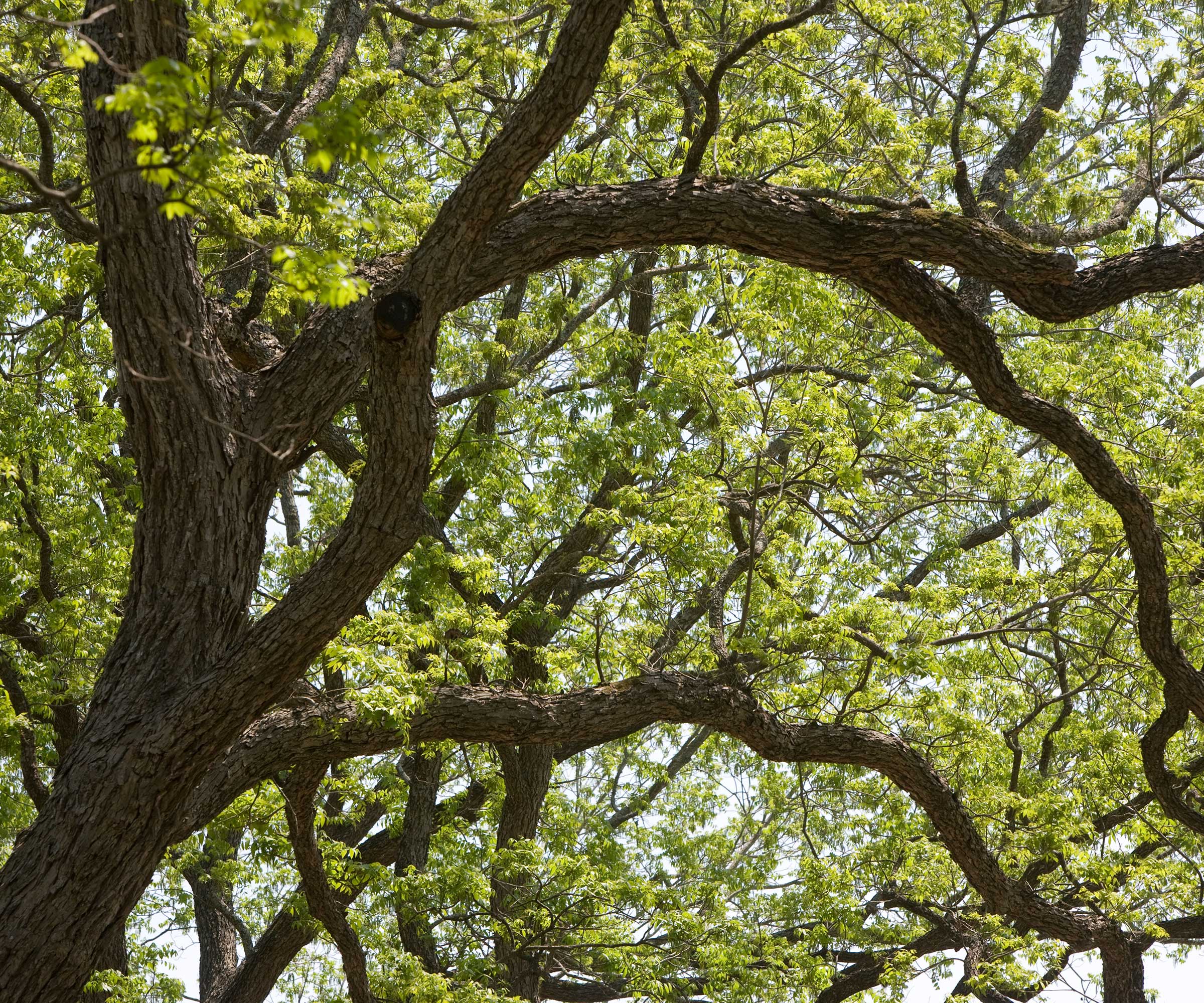
Spring and Summer (The Active Growing Season)
During the warmer months, trees are actively transporting water and nutrients through their vascular systems. Pruning during this period often triggers heavy sap bleeding, which drains the tree’s energy reserves and releases chemical scents that actively attract destructive wood-boring insects and fungal spores.
October and Early Autumn (The Transition Window)
As temperatures cool and deciduous trees begin dropping their foliage, growth slows down significantly. This transition period provides a brief, highly advantageous window for light maintenance. The loss of leaves improves canopy visibility, allowing arborists and homeowners to easily spot hidden structural defects, deadwood, and early signs of pest infestations.
Late Winter (The Period for Heavy Work)
When trees enter full dormancy—free from leaves and active sap flow—they are best equipped to handle major structural reshaping, crown reduction, and large limb removal.
Supporting Data: Species-Specific October Guidelines
Different tree species react uniquely to autumn pruning. Below is a breakdown of how to handle specific varieties during the month of October.
1. Oak Trees (Quercus spp.)
Reaching heights of over 100 feet with expansive canopies stretching up to 80 feet, mature oaks demand careful monitoring. Assessing the canopy before winter is critical to protect driveways, walkways, and structures from falling limbs.
- The Disease Risk: Oaks must be managed with extreme care to avoid oak wilt, a devastating fungal disease spread by sap beetles during the warm spring and summer months.
- The October Exception: While heavy pruning must wait until late winter, light corrective trimming of lower branches is acceptable once autumn leaf drop is well underway. Utilizing an extendable pole pruner allows high-reach maintenance without the need for risky ladder work.
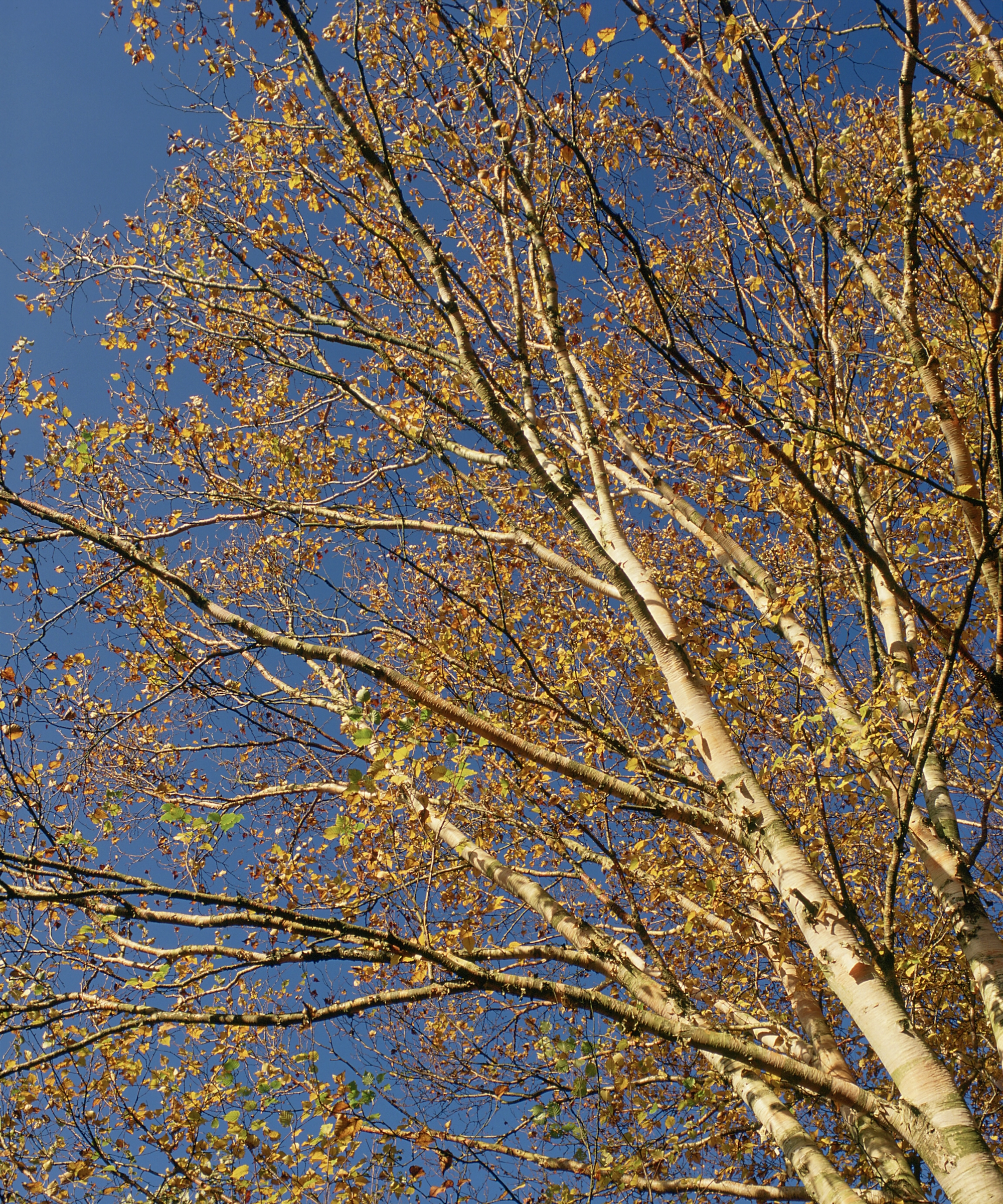
2. Birch Trees (Betula spp.)
Birch trees are frequently compromised by the bronze birch borer, an aggressive wood-boring beetle that targets the upper crown, leading to noticeable dieback.
- Spotting the Damage: Fall leaf drop makes it significantly easier to spot dying or borer-damaged branches high in the canopy. Removing these infected limbs stops the pest population from spreading and eliminates hazards before winter winds arrive.
- Sap Management: Pruning birch trees in spring or summer causes heavy sap bleeding, which stresses the tree and increases its vulnerability to borers. October provides a safe, dry window for light canopy clearance using extendable bypass loppers designed for live stems and anvil loppers for deadwood.
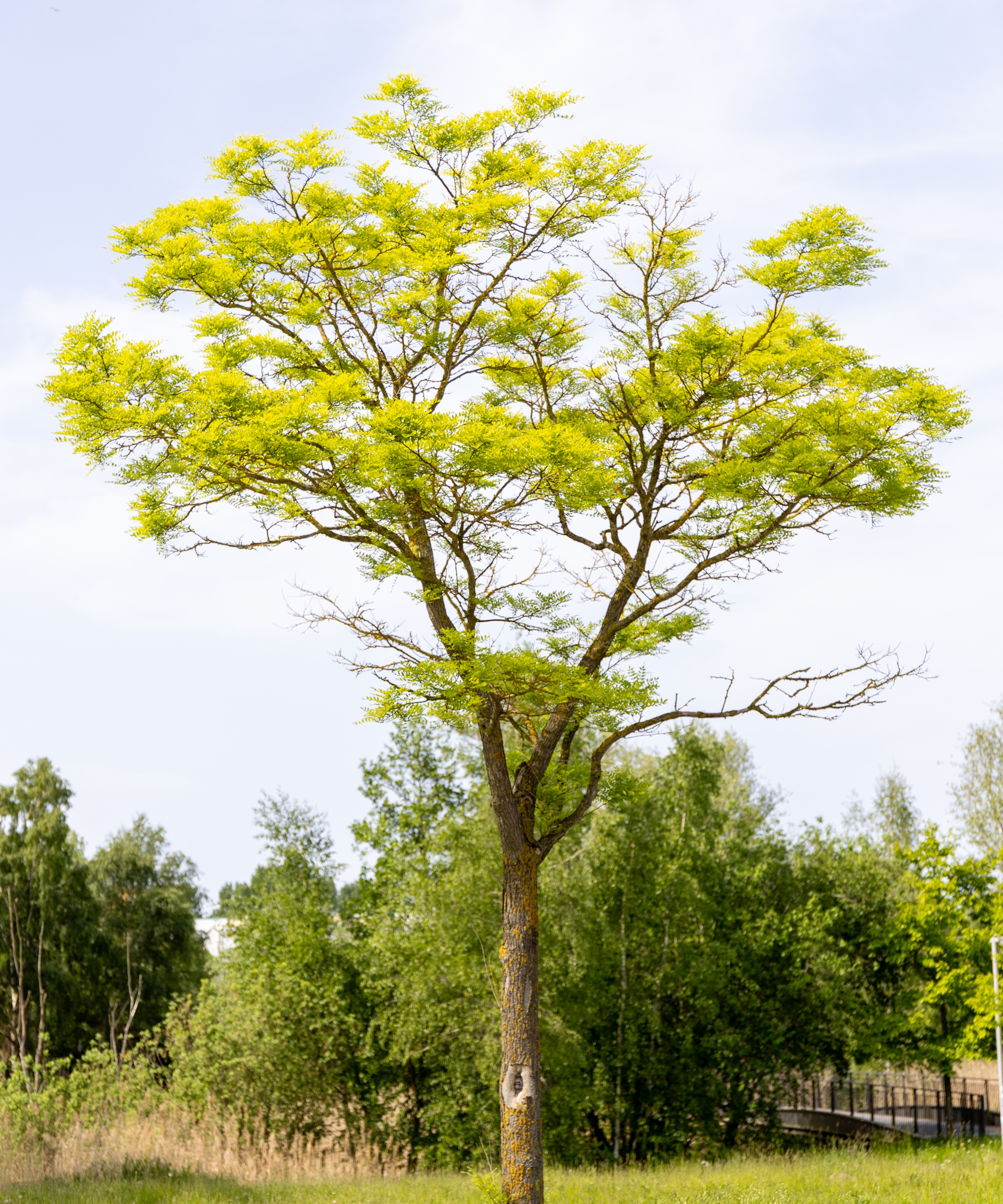
3. Honey Locust (Gleditsia triacanthos)
Characterized by an open, delicate canopy and fine, fern-like foliage, deciduous honey locust trees shed their leaves cleanly in autumn, creating an ideal inspection window.
- Maintenance Approach: Honey locusts rarely require heavy annual pruning. However, October is the right time to clear out hazardous, crossing, or diseased branches. Because the tree bleeds sap profusely during active growth, delaying cuts until the cooler autumn months protects the plant from pest attraction and unnecessary stress.
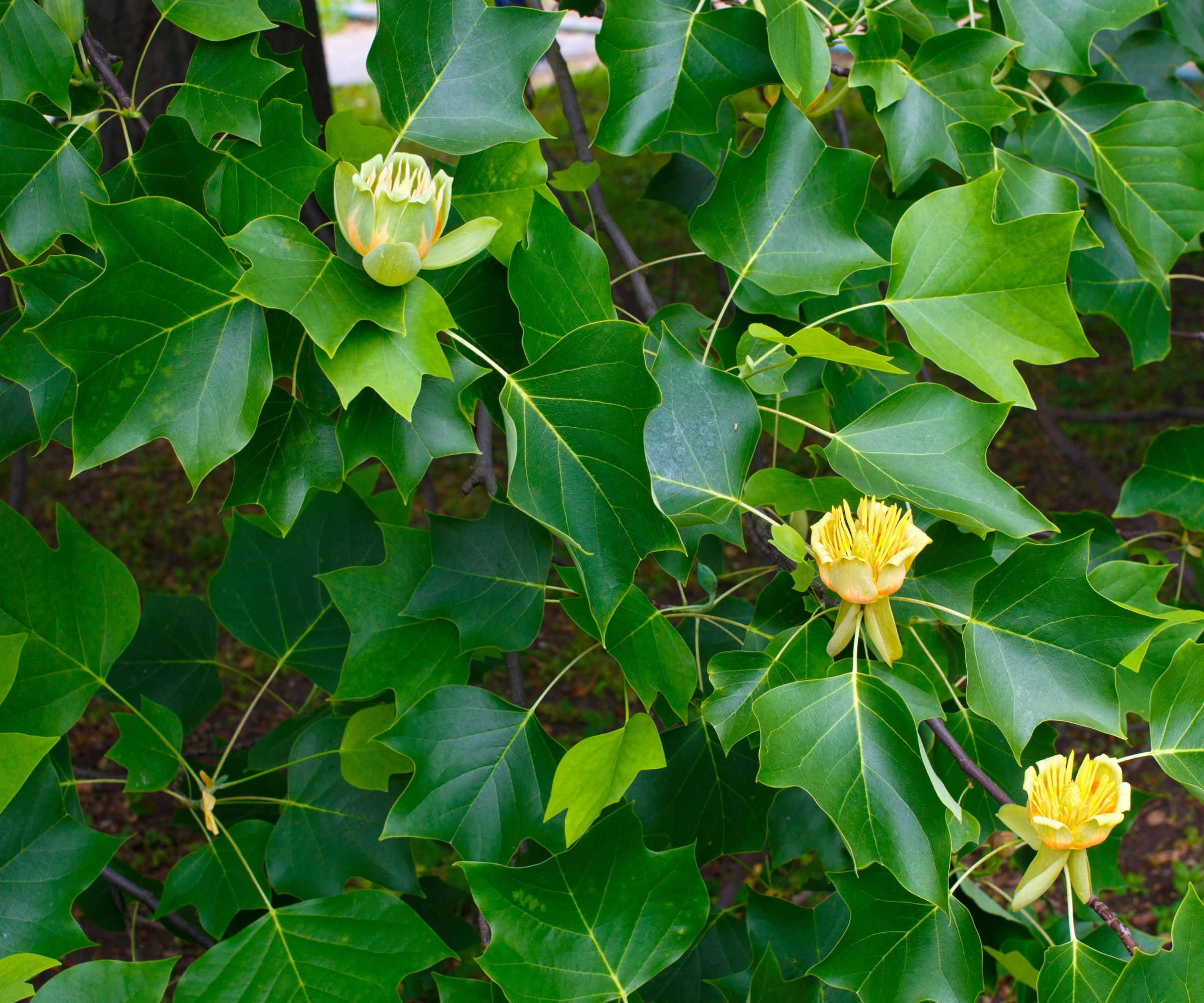
4. Tulip Trees (Liriodendron tulipifera)
As fast-growing flowering natives that can scale up to 50 feet in height, tulip trees produce long, rapid-growth limbs that lack the dense structural strength of other hardwoods.
- Storm Vulnerability: Their flexible limbs are prone to snapping under heavy snow, ice, and high winds. Tulip trees situated near homes or paths should be inspected every three to five years. Lightly trimming back structural risks with a heavy-duty folding pruning saw during the dormant autumn phase ensures long-term stability.
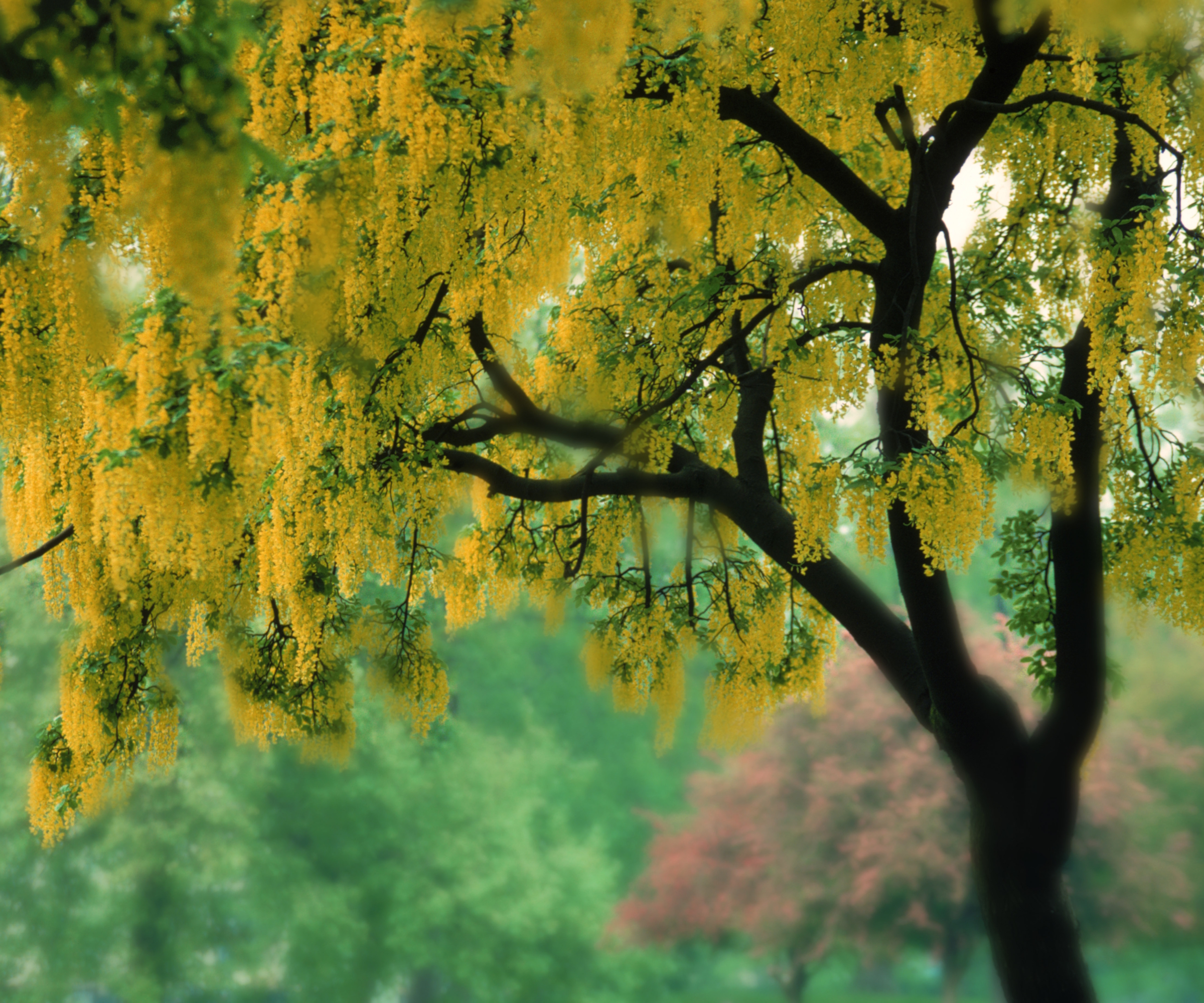
5. Laburnum (Laburnum anagyroides)
Often referred to as "golden chains" for their breathtaking yellow, wisteria-like spring racemes, laburnums can be grown as shrubs or small trees reaching up to 25 feet.
- Safety Precautions: Like birches, laburnums bleed heavily if pruned during the growing season. Trimming between fall and midwinter removes crossing branches and unwanted root suckers that sap energy from the main trunk. Note: Gardeners must wear long sleeves and protective gloves, as laburnum sap can cause skin irritation.
6. Rowan Trees / Mountain Ash (Sorbus spp.)
Rowans are prized fixtures in wildlife gardens, offering white spring blossoms for pollinators and colorful berries that feed migrating birds in autumn.
- Health Maintenance: Growing up to 50 feet tall, rowans benefit from light autumn maintenance. Pruning should take place between late October and February. Removing dead, damaged, or inward-growing branches opens the canopy, increasing internal airflow and sunlight penetration to naturally deter fungal infections.
Official Recommendations and Equipment Essentials
Horticultural extension offices and professional arborists universally stress that the quality of your tools determines the health of your trees. Jagged cuts made by dull blades crush plant tissue, creating open entryways for bacteria and fungi.
Before embarking on any October tree care routine, ensure your toolkit is fully prepped:
- Hand Pruners and Loppers: Ideal for smaller, young branches up to 1.5 inches in diameter. Bypass blades are recommended for live tissue, while anvil blades excel at crushing deadwood.
- Pole Pruners: Essential for reaching elevated canopy branches safely from the ground, minimizing the hazards of ladder work.
- Folding Pruning Saws: Necessary for cleanly slicing through heavier branches exceeding two inches in diameter.
- Sharpening Stones and Disinfectant: Pocket-sized tool sharpeners should be used to maintain a razor-like edge, while rubbing alcohol or bleach solutions must be applied to blades between cuts to prevent cross-contamination of plant diseases.
Implications for Property Owners and the Environment
Adopting a disciplined, seasonally appropriate approach to tree maintenance carries far-reaching benefits for both residential property owners and the broader urban-suburban ecosystem:
- Mitigation of Liability and Financial Loss: Winter storms bring high winds, heavy ice, and freezing rain that easily fracture compromised limbs. Proactive October pruning drastically reduces the risk of structural failure, protecting roofs, vehicles, power lines, and human safety.
- Enhancement of Tree Longevity: By respecting tree biology—avoiding heavy pruning during peak sap-flow and insect seasons—homeowners prevent irreversible stress and systemic disease transmission, ensuring mature shade trees thrive for decades.
- Support for Local Biodiversity: Proper pruning maintains open, healthy canopies that resist fungal blights. By keeping urban and suburban trees vigorous, communities preserve essential habitats and food sources for native wildlife and crucial seasonal pollinators.
As October unfolds, integrating these measured arboricultural practices into your broader autumn gardening checklist will safeguard your landscape, beautify your property, and establish a thriving foundation for the growing seasons to come.
