

By the Home Care Investigative Desk
Published: Fall 2026
There are few sensory experiences quite as jarring as walking through your front door after a long day at work, only to be ambushed by a stagnant, unidentifiable stench. For many homeowners, the immediate reaction is panic. You throw open the windows, light a dozen heavily scented candles, or scour every visible surface with bleach, hoping to mask whatever is offending your olfactory senses.
Yet, within hours of closing the windows, the phantom odor returns.
According to residential hygiene experts and indoor air quality specialists, foul home odors are rarely the result of a single, catastrophic mess. Instead, they are typically the cumulative byproduct of routine, innocent daily habits. From the forgotten laundry left baking in the drum of a washing machine to microscopic reservoirs of bacteria thriving in unexpected corners of the kitchen, ordinary household routines can quietly transform a comfortable living space into a stronghold of stale air and unpleasant smells.
Before resorting to chemical air fresheners that merely mask underlying issues with synthetic fragrances, homeowners must track down the root cause of these smells. To help you reclaim your indoor environment, we break down the leading culprits behind persistent household odors, the timeline of how they develop, and the professional strategies required to eliminate them for good.
Main Facts: The Anatomy of Indoor Malodors
Odors inside residential spaces generally fall into three scientific categories: volatile organic compounds (VOCs) emitted by chemical reactions, microbial off-gassing caused by mold and bacteria, and decaying organic matter.
- The Microbial Factor: Bacteria and fungi thrive in environments characterized by moisture, warmth, and organic food sources. When wet towels are left in piles, or when a vacuum bag fills with skin cells, pet dander, and hair, these microorganisms break down the materials, releasing pungent gases such as sulfur compounds and ammonia.
- The Kitchen Compound Conundrum: Modern kitchens are hotbeds for odor generation. Garbage disposals, kitchen drains, and neglected dish sponges accumulate microscopic food particles that quickly become breeding grounds for volatile fatty acids.
- Ventilation Failures: Without adequate airflow, cooking grease, humidity, and pet dander settle deep into soft furnishings, including carpets, upholstery, and window treatments, where they bond with fibers and resist standard cleaning methods.
Chronology: How a Fresh Home Quietly Turns Sour
Understanding how a home transitions from smelling clean to smelling stale relies on a distinct timeline of neglect. Odors do not appear overnight; rather, they follow a predictable chronological progression.
- Hour 0 to 4 — The Ignition Phase: A damp bath towel is balled up and thrown onto a bathroom floor, or a cooking session concludes without turning on the range hood fan. Microscopic droplets of grease and moisture settle onto surfaces, while the towel begins trapping ambient humidity.
- Hour 4 to 24 — The Microbial Multiplication Phase: With moisture locked inside porous fabric fibers, bacteria multiply exponentially. In the kitchen, a wet cellulose sponge sitting on the edge of the sink begins to emit a sour, musty aroma as anaerobic bacteria feast on trapped food starches.
- Day 2 to 3 — The Saturation Phase: The odor breaks containment. In homes with high humidity levels, mold spores begin to colonize hidden areas, such as the rubber gasket of the washing machine or the soil of overwatered houseplants experiencing root rot. The smell is now noticeable upon entering the room.
- Day 7 and Beyond — The Structural Embedding Phase: Unaddressed smells begin to bond with textiles. Carpets, drapes, and upholstered furniture absorb the airborne VOCs. At this stage, standard surface cleaning is no longer sufficient, and deep restorative remediation becomes mandatory.
Supporting Data: The Most Common Household Odor Culprits
To effectively combat bad smells, homeowners must look past obvious messes and examine the hidden problem areas outlined below.
1. Forgetting to Take Out the Trash
While overflowing bins are obvious, even a partially filled trash can harboring onion skins, garlic ends, or meat packaging can ruin a kitchen’s atmosphere. As organic waste decomposes, it releases sulfurous gases.
- The Fix: Always secure bin lids, change bags frequently regardless of how full they are, and wash the interior of the trash receptacle monthly with a disinfectant solution.
2. Vacuuming With a Full or Dirty Bag
It is a bitter irony that a tool designed to clean your home can become one of its primary odor generators. Dust, pet hair, food crumbs, and dead skin cells trapped inside a vacuum bag or dirt cup rot over time. When the vacuum is turned on, the motor heats up and aerosolizes these foul-smelling particles, blowing them across every room.
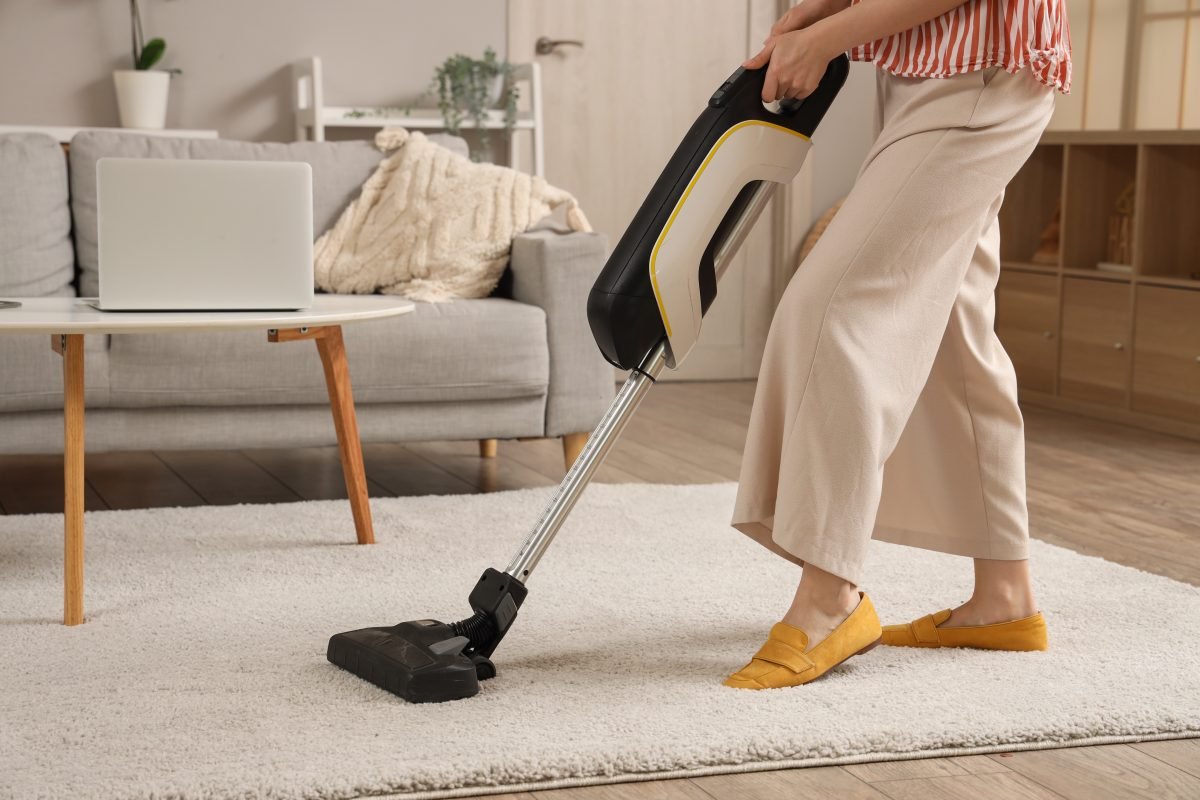
- The Fix: Empty bagless vacuum canisters after every single use. Wash filters regularly according to the manufacturer’s instructions, and periodically inspect brush rollers for wrapped debris and hair.
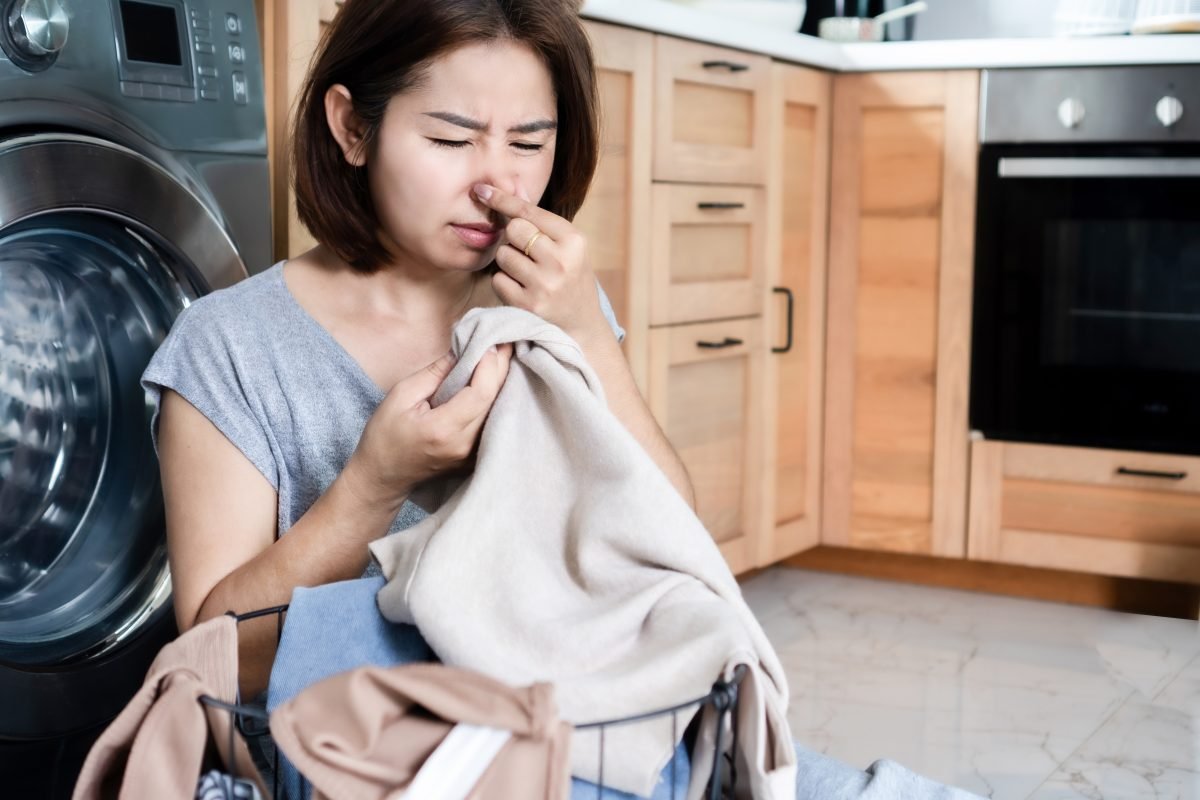
3. Letting Wet Clothes and Towels Sit
Moist fabric creates an ideal microclimate for mildew and sour-smelling bacteria. Leaving laundry sitting in a washing machine for more than a few hours guarantees a musty odor that transfers directly to your garments.
- The Fix: Transfer wet laundry to the dryer promptly. Ensure towels are completely dry before hanging them up, and always use bathroom vent fans or open windows to vent out post-shower humidity.
4. Neglecting Sink Drains and Garbage Disposals
If your kitchen smells foul even after taking out the trash, the source is likely lurking inside your plumbing. Leftover food pulp and soap scum coat garbage disposal blades and drain pipes, feeding bacterial colonies.
- The Fix: Clean your disposal weekly. Pour a pot of boiling water down the drain, follow with a cup of baking soda and a cup of white vinegar, cover the drain with a rag to trap the fizzing reaction for 10 minutes, and flush again with boiling water.
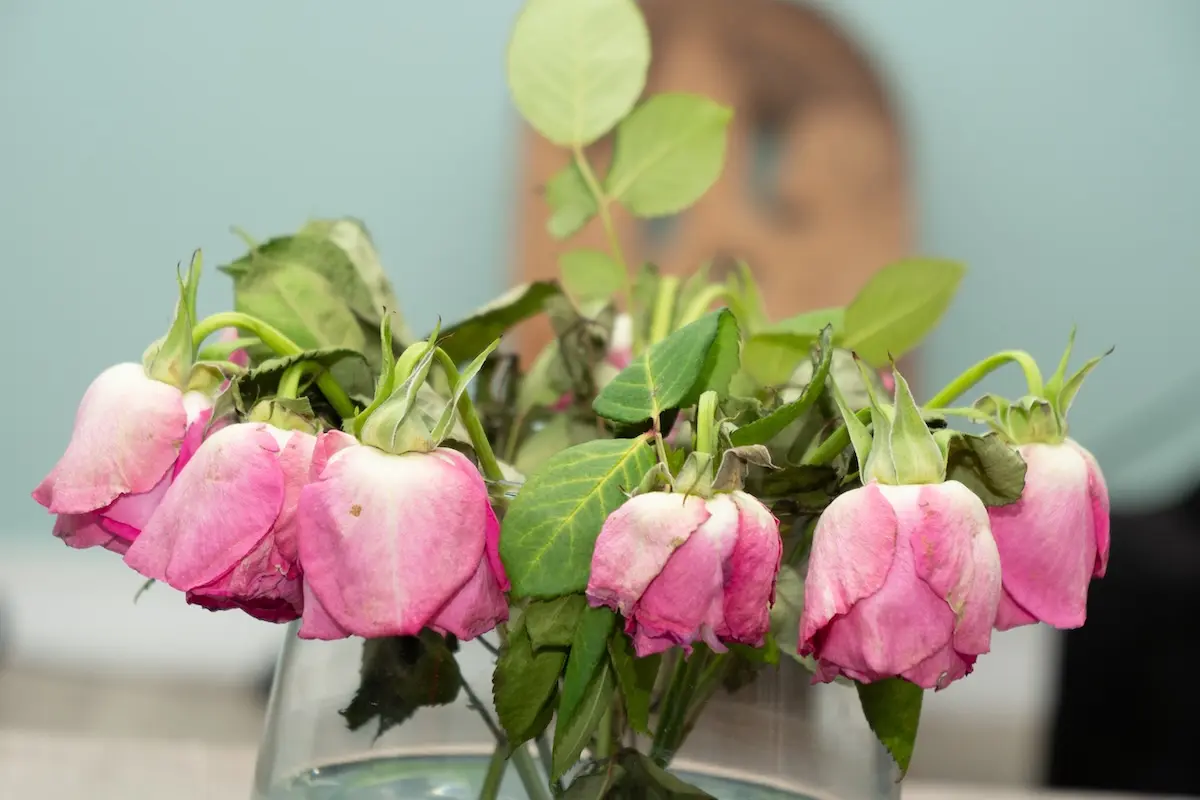
5. Overlooking Houseplants and Flower Bouquets
While greenery brings life to a room, decaying plant matter brings the opposite. Overwatered houseplants develop root rot, producing a heavy, earthy, musty stench from the soil. Similarly, forgotten flower bouquets left in stagnant water for more than a few days turn putrid.
- The Fix: Allow soil to dry slightly between waterings to prevent root rot. Change vase water daily, add commercial flower food, and discard bouquets promptly after two weeks or when petals begin to drop.
6. Skipping Carpet and Rug Maintenance
Wall-to-wall carpets and area rugs act as massive air filters, trapping pet dander, spilled liquids, dust mites, and dead skin cells deep within their backing. Surface vacuuming only removes top-layer debris.
- The Fix: Deep-clean carpets and rugs using a deodorizing extraction shampoo at least once a year to eliminate embedded organic buildup.
7. Cooking Without the Range Hood Fan
Skipping the range hood fan while cooking eggs, fish, or stir-fry allows aerosolized grease and smoke particles to travel through the air and settle on cabinets, walls, and soft furnishings, where they turn rancid over time.
- The Fix: Always engage your kitchen’s ventilation hood before turning on burners, and leave it running for 10 minutes post-cooking to clear residual airborne grease.
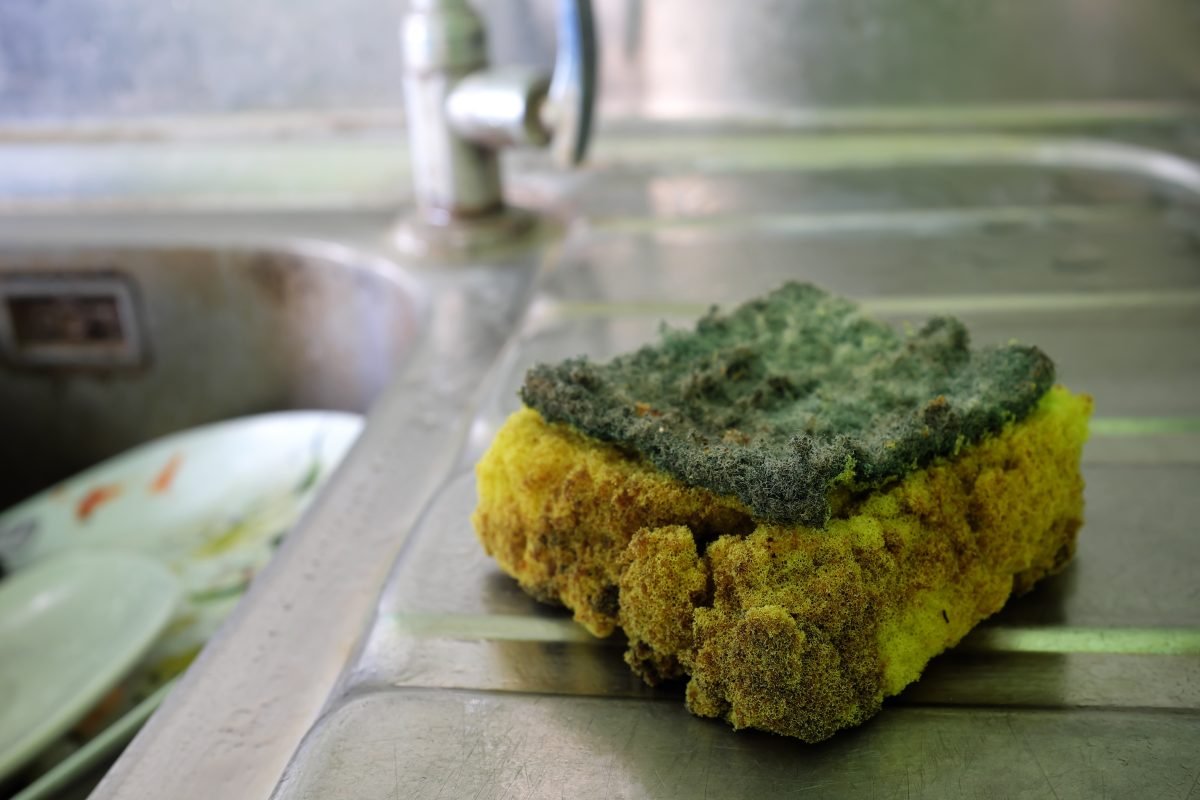
8. Reusing Grimy Sponges and Dishcloths
Kitchen sponges are among the germiest items in a household. Remaining damp between uses, they harbor millions of bacteria that produce a distinct, sour odor.
- The Fix: Wash dishcloths daily in hot water cycles. Sanitize or replace kitchen sponges regularly, and store them upright to allow complete air-drying between uses.
9. Failing to Control Indoor Humidity
High humidity—particularly in basements during summer months—promotes mold growth and structural dampness. Poor ventilation and aging air conditioning units exacerbate these issues, locking a stale, swampy smell into the home.
- The Fix: Invest in a reliable hygrometer to monitor indoor humidity, keeping levels between 30% and 50%. Deploy dehumidifiers in problem zones like basements and laundry rooms.
Official Responses and Expert Recommendations
Indoor air quality (IAQ) professionals and home-building associations emphasize that odor management is an integral component of home maintenance and health.
According to guidance issued by the Environmental Protection Agency (EPA) regarding indoor environments, persistent musty odors are often the primary indicator of hidden moisture problems or microbial growth. The agency stresses that masking odors with chemical sprays does nothing to remediate the underlying biological threats, which can exacerbate respiratory issues and allergies.
Master builder associations nationwide recommend a proactive maintenance schedule rather than reactive cleaning. By treating odor prevention as routine preventative care—akin to changing HVAC filters or clearing gutters—homeowners can protect both their indoor air quality and the structural integrity of their furnishings.
Implications for Modern Homeowners
The war against household odors carries significant implications for property value, physical health, and psychological well-being.
From a health perspective, breathing air contaminated by microbial off-gassing, mold spores, and dust mite waste can trigger chronic respiratory irritation, asthma flare-ups, and allergic reactions. Maintaining a fresh home is not merely a matter of aesthetic pride; it is a direct investment in the respiratory health of everyone living under your roof.
Financially, ignoring the root causes of household smells can lead to costly repairs down the line. Unchecked humidity can warp drywall and ruin flooring; rotting garbage disposals can damage plumbing; and neglected HVAC filters can strain mechanical systems.
Ultimately, keeping a home smelling clean requires shifting away from quick fixes like synthetic air fresheners and embracing rigorous, consistent hygiene habits. By identifying hidden odor sources and applying targeted preventative maintenance, homeowners can ensure their living spaces remain genuinely fresh, welcoming, and safe.
