

Main Facts
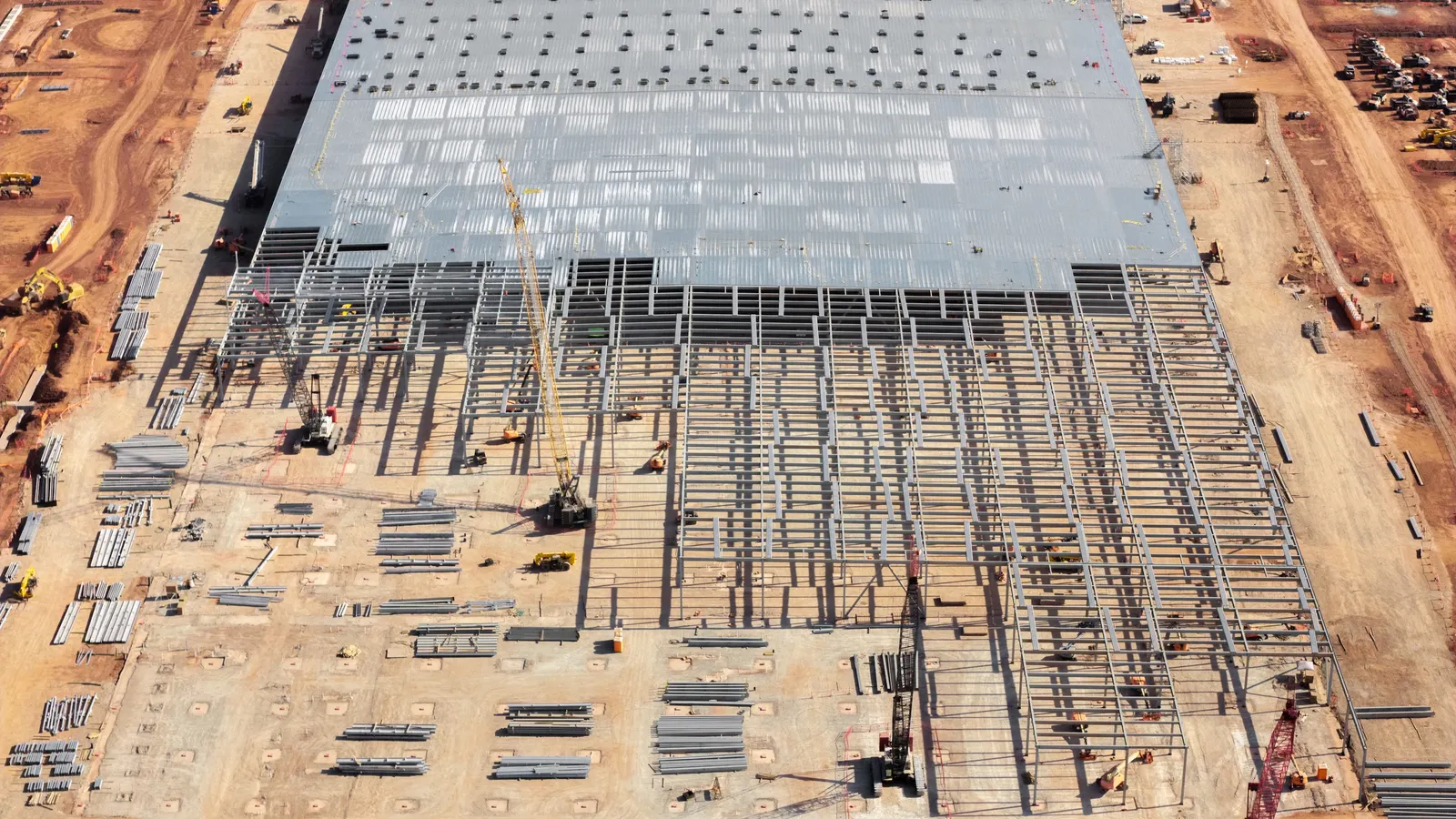
The United States construction industry is currently experiencing a profound bifurcation, characterized by unprecedented, hyper-focused growth in a single asset class set against a backdrop of generalized stagnation. According to data analyzed by industry experts, nonresidential construction spending—when stripped of the massive capital outlays dedicated to data centers—has slumped to its lowest level since September 2023.
While the broader commercial and institutional building sectors face headwinds, a singular economic engine is driving nonresidential activity: the artificial intelligence (AI) revolution and its insatiable appetite for digital infrastructure. This surge has triggered secondary booms in related segments, primarily electrical power generation and transmission. However, industry economists warn that this reliance creates a dangerous vulnerability. Rather than a broad-based economic expansion, the construction industry’s health is increasingly tied to the viability, funding, and execution of a hyper-concentrated niche of mega-projects.
Compounding these structural imbalances, traditional heavy-civil and public works segments are encountering mounting regulatory, political, and financial hurdles. Chief among these is a looming fiscal cliff for surface transportation funding, threatening to disrupt the very infrastructure projects that have served as baseline economic stabilizers for contractors nationwide.
Chronology of Market Shifts
To understand how the construction sector arrived at this precarious juncture, it is essential to trace the economic timeline leading up to the current landscape.
2023: The Post-Pandemic Correction
Following the post-pandemic supply chain recovery and initial bursts of legislative spending, the nonresidential construction market began experiencing normalization in mid-2023. Higher interest rates implemented by the Federal Reserve to combat inflation began to cool commercial office, retail, and hospitality starts. By September 2023, baseline nonresidential spending reached a cyclical plateau, setting a floor from which many traditional sectors have struggled to recover.
2024–2025: The Emergence of the AI Super-Cycle
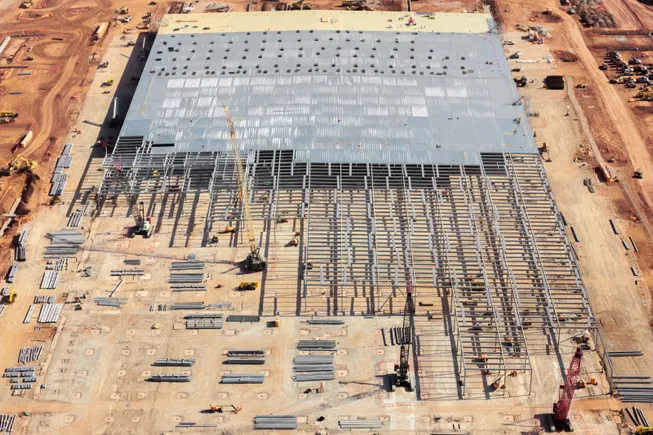
During this period, generative AI tools transitioned from experimental tech to enterprise necessities. Technology giants and specialized developers broke ground on massive, hyperscale data centers across secondary and tertiary markets, particularly in Northern Virginia, Texas, Ohio, and the Pacific Northwest. General contractors pivoted rapidly to capture this work, driving up demand for specialized mechanical, electrical, and plumbing (MEP) trades. Concurrently, regional transmission organizations (RTOs) and utilities rushed to upgrade the electrical grid, sparking a parallel boom in power infrastructure construction.
Early to Mid-2026: Cracks in the Broader Foundation
By the summer of 2026, the divergence between tech-driven construction and traditional nonresidential categories became glaringly apparent. While data center and power expenditures continued to break records, sectors such as education, healthcare, and office construction decelerated.
Late Summer 2026: The Federal Funding Threat
As the industry approached the final quarter of fiscal year 2026, attention shifted decisively toward Washington, D.C. With the expiration date of the landmark Infrastructure Investment and Jobs Act (IIJA) drawing near (September 30, 2026), highway and transit contractors began reporting anxiety over potential federal funding lapses, halting long-term capital allocation plans and contributing to a slight contraction in public sector spending metrics.
Supporting Data and Economic Indicators
Recent reports from federal agencies and industry trade associations illustrate the stark realities of the current construction economy.
The Nonresidential Baseline
Anirban Basu, chief economist for the Associated Builders and Contractors (ABC), highlighted the fragility of the current spending metrics. When excluding data centers—which require billions of dollars in specialized cooling, structural hardening, and electrical infrastructure—nonresidential spending has descended to levels not witnessed in three years.
The Power and Highway Paradox
Census Bureau data released in late summer 2026 underscored the narrow pillars holding up the market. Ken Simonson, chief economist for the Associated General Contractors of America (AGC), pointed out that only three categories are actively propping up construction spending: data centers, power infrastructure, and highway projects.
Even within these stabilizing categories, however, vulnerability is apparent. Government data revealed that spending on highway construction dipped 0.2% in July on a month-over-month basis. While minor on paper, this contraction signals a psychological and logistical chilling effect as contractors and state departments of transportation brace for uncertainty regarding federal appropriations.
Cost Pressures and Headwinds
Compounding the uneven distribution of capital are persistent macroeconomic pressures:
- Labor Constraints: Skilled labor shortages continue to plague the entire sector, driving up wages and extending project delivery timelines, particularly for specialized trades required in advanced manufacturing and data center construction.
- Tariffs and Material Costs: Ongoing trade policies and shifting tariffs on foundational materials like steel and aluminum have introduced volatility into fixed-price contracts.
- Supply Chain Bottlenecks for Electrical Equipment: Transformers, high-voltage switchgear, and backup generators remain subject to extended lead times, occasionally bottlenecking power projects designed to feed hyperscale data centers.
Official Responses and Industry Perspectives
Key figures from major industry associations have voiced growing concern over the concentration of market growth and the impending expiration of federal funding mechanisms.

The ABC Perspective: Over-Concentration Risk
Anirban Basu emphasizes that the industry is navigating a market defined by hyper-concentration.
"Nonresidential activity is even more concentrated given that the power category, which has been boosted by the electricity needs of data centers, has also grown substantially over the past year," Basu noted. "That upbeat outlook is increasingly dependent on a single sector."
This reliance leaves commercial contractors vulnerable to sudden shifts in corporate tech spending strategies. If tech conglomerates adjust their capital expenditure budgets due to macroeconomic shifts or regulatory scrutiny, the downstream impact on nonresidential construction could be severe.
The AGC Perspective: Piling Risks on Key Segments
Ken Simonson of the AGC echoed these sentiments while pointing out the specific threats facing the sectors currently carrying the weight of the industry.
"Unfortunately, all of these segments face risks of cooling or shrinking due to worker shortages, political pushback, tariffs and a possible federal funding lapse for highway programs," Simonson stated.
Simonson’s warning regarding "political pushback" references the growing local resistance to data centers in various municipalities, where residents and local governments have raised concerns over water usage, noise pollution, and strain on local municipal power grids.
The Infrastructure Dilemma
Regarding the looming expiration of the IIJA, contractor groups have ramped up lobbying efforts in Washington. The Associated General and highway construction advocates argue that a lapse or delay in reauthorizing surface transportation funds will immediately stall projects currently underway, forcing state agencies to delay lettings for new road and bridge expansions. Construction executives have warned lawmakers that a funding gap risks undermining thousands of civil engineering jobs and delaying crucial supply chain routes.

Implications for Contractors, Investors, and Policymakers
The current dynamics of the construction market carry far-reaching consequences for all stakeholders in the built environment.
For General Contractors and Subcontractors
Firms heavily diversified into commercial office, retail, or institutional building face a challenging environment and must look toward pivoting their portfolios. Conversely, contractors specializing in mission-critical facilities, electrical distribution, and heavy-civil work are enjoying robust pipelines. However, these specialized firms must carefully manage supply chain risks, particularly regarding long-lead electrical components, and protect themselves against escalating labor costs.
For Investors and Developers
Real estate and infrastructure investors are witnessing a distinct shift in asset class performance. Traditional commercial real estate development remains subdued by high interest rates and cautious lending standards. Meanwhile, alternative assets—specifically digital infrastructure (data centers) and energy transition projects (transmission lines, sub-stations, and renewable energy integration)—continue to command strong institutional capital allocations, provided regulatory approvals can be secured.
For Policymakers
The impending September 30 expiration of the IIJA places immense pressure on federal legislators. Policymakers must decide whether to pass a seamless reauthorization bill, a short-term continuing resolution, or a comprehensive new surface transportation package. Failure to secure long-term funding risks destabilizing one of the few remaining pillars of public sector construction spending. Furthermore, local and state policymakers face the complex task of balancing economic development opportunities (such as massive data center investments) with community concerns regarding environmental and infrastructural sustainability.
Ultimately, while the data center boom continues to dazzle, the broader construction market remains at a crossroads, demanding strategic adaptability from industry leaders and decisive action from policymakers.
