

By Sebastian Obando
Published: Sept. 16, 2026
Main Facts
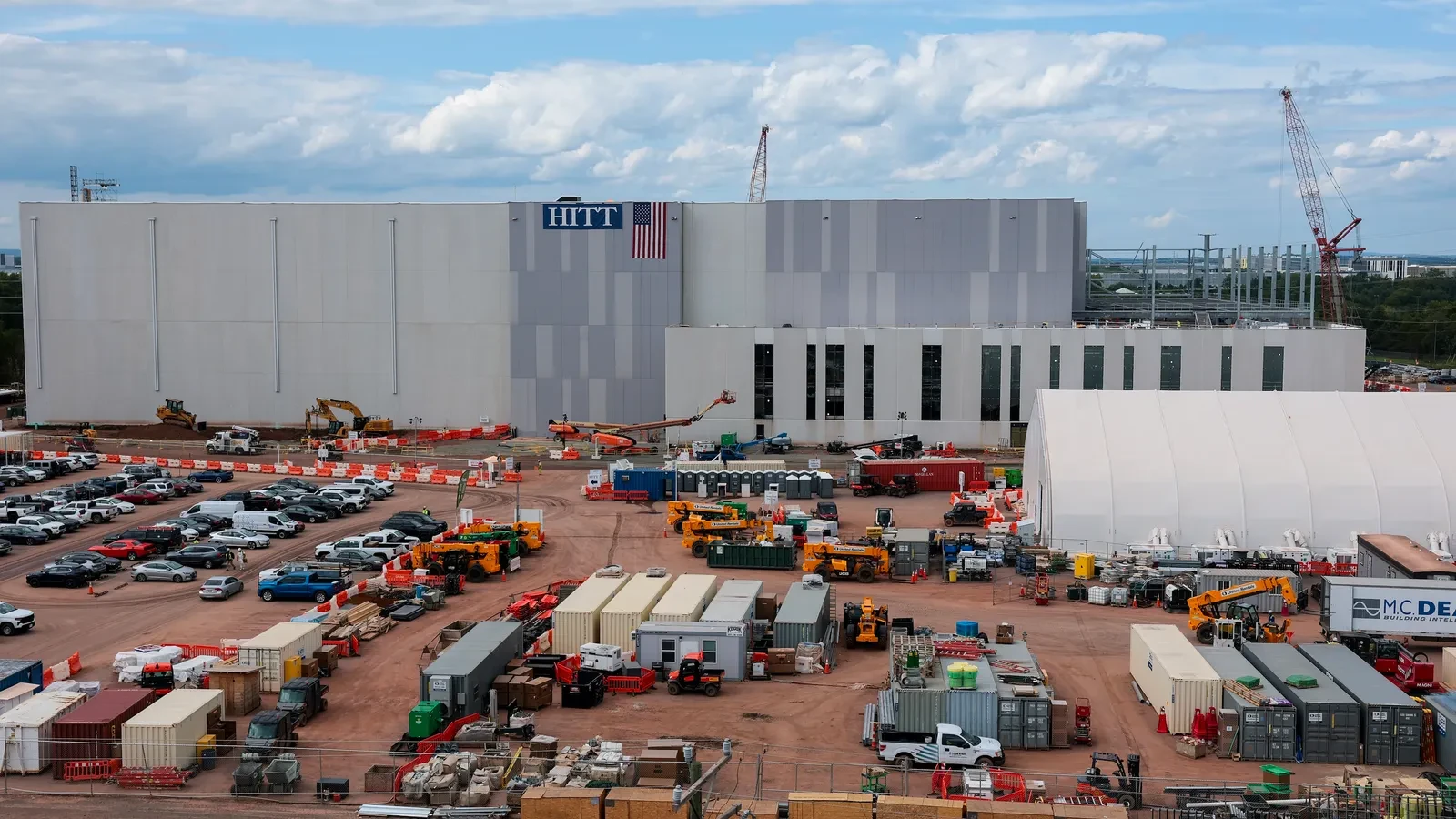
The United States construction industry is currently defined by a stark economic divergence. While traditional commercial and residential sectors experience cooling activity, nationwide demand for massive digital infrastructure continues to surge. According to the Associated Builders and Contractors (ABC), data center construction remains the primary engine driving contractor backlogs, revenue projections, and profit margin expectations.
However, this specialized boom has exposed deep structural imbalances across the broader construction market. Industry analysts describe an emerging “haves and have-nots” paradigm. Contractors fortunate enough to secure lucrative data center commissions are maintaining robust project pipelines—averaging nearly 10 months of backlog—and actively competing for scarce skilled labor. Conversely, firms reliant on traditional market segments are facing softening demand, leading to shrinking backlogs and an increased reliance on workforce reductions.
Compounding this uneven recovery is the rapid reemergence of severe labor shortages. With industry job openings hovering near a two-year high, contractors are once again citing talent scarcity as a critical operational bottleneck. This dynamic has created a paradoxical employment landscape: even as overall hiring sentiment dips and a notable share of firms plan headcount reductions, data center specialists are struggling to recruit enough specialty trade contractors to keep pace with aggressive digital infrastructure development schedules.
Chronology of Market Shifts
To understand the current state of the construction sector in late 2026, it is necessary to examine how economic pressures have shaped the market over the past two years:
- Late 2024 to Mid-2025: High interest rates and tighter lending standards begin to cool traditional commercial real estate and multi-family residential building. Concurrently, the generative artificial intelligence (AI) and cloud computing explosion creates an unprecedented demand for hyper-scale data centers, triggering a specialized construction rush primarily concentrated in major technological hubs like Northern Virginia, central Ohio, and the Pacific Northwest.
- Late 2025: As broader macroeconomic pressures stabilize, the divide between infrastructure-heavy contractors and general commercial builders widens. Labor markets begin to tighten around electrical, mechanical, and specialty engineering trades required for advanced data center integration.
- December 2025: Workforce contraction reaches a localized low point in terms of contractor pessimism regarding staffing levels, setting the stage for subsequent volatility in labor management strategies.
- July 2026: Construction job openings climb steadily, reaching a near two-year high and signaling that the demand for specialized labor is drastically outpacing available supply.
- August 2026: ABC releases its monthly economic metrics, revealing that while data center contract awards have broadened to include more firms, the underlying labor squeeze has intensified. Simultaneously, the share of contractors planning to cut staffing over the next six months jumps to 12.3%—the highest monthly figure recorded since December 2025. Despite these staffing contraction plans, forward-looking indicators for sales and profit margins register positive growth.
Supporting Data and Industry Metrics
Recent economic reports from the Associated Builders and Contractors outline the statistical reality of the current construction market:
- Backlog Discrepancy: Firms holding active data center contracts report an average backlog of 9.9 months. In comparison, contractors sitting on the sidelines of the digital infrastructure boom report an average backlog of 8.3 months.
- Size-Based Impacts: The backlog contraction in August was concentrated almost exclusively among the largest construction firms—those generating annual revenues exceeding $100 million. Even within this tier, the drop was remarkably slight, averaging just 0.2 months.
- Staffing Intentions: The proportion of contractors intending to reduce their staffing levels over the next six-month window rose to 12.3% in August, marking a multi-month high not seen since late 2025.
- Job Openings: National construction job openings reached a two-year high during the summer of 2026, illustrating a persistent mismatch between available projects and qualified personnel.
- Optimism Indicators: Despite labor pressures and localized workforce reductions, aggregate readings for sales and profit margins ticked upward in August. All three core components of the ABC metric index continue to project positive growth expectations stretching into early 2027.
Official Responses and Expert Analysis
Industry economists and market researchers have closely monitored these shifting dynamics, emphasizing that the construction sector is undergoing a fundamental structural transformation.
Anirban Basu, chief economist for the Associated Builders and Contractors, highlighted the unique role that digital infrastructure continues to play in sustaining the broader construction economy.
"Data centers continue to keep contractors busy even as activity softens in other segments," Basu noted in the September data release.
Basu also pointed to the broadening participation within the segment, noting that a larger number of firms successfully secured data center contracts in August. This incremental expansion has helped close the gap between firms with and without awards. However, Basu cautioned that this broad participation is exacerbating operational hurdles.

"There was a sharp increase in the number of contractors who, unprompted, mentioned labor shortages in the survey," Basu stated. "With construction job openings at a near two-year high, it appears that labor scarcity is reemerging as a major headwind for the industry."
Zack Fritz, an economist at ABC, expanded on the psychological and operational divide separating different segments of the construction marketplace. He characterized the current environment through the lens of structural inequality between project types.
"This is most likely a reflection of the ‘haves and have-nots’ dynamics of data centers," Fritz explained. "Those with data center work are struggling to find specialty trade contractors, while other contractors are facing continually softening demand."
This divergence explains why overall economic optimism regarding sales and profit margins can coexist with rising plans for workforce reductions. While specialized engineering, electrical, and structural firms reap high margins from complex data center builds, traditional commercial builders are streamlining their operations to survive cooling demand.
Broader Implications for the Construction Industry
The dominance of data center construction and the simultaneous resurgence of labor shortages carry profound implications for the future trajectory of the U.S. construction sector.

1. The Specialized Skills Crisis
Building modern data centers requires far more than traditional carpentry and masonry. These projects demand advanced electrical engineering, high-capacity HVAC installation, specialized fiber-optic integration, and rigorous structural reinforcement to support heavy server racks and backup power generation equipment. As data center construction crowds out other forms of commercial building, the industry workforce is forced to rapidly reskill. Specialty trade contractors who possess these technical capabilities wield immense pricing power, while traditional trades face underutilization.
2. Strategic Workforce Realignments
The fact that 12.3% of contractors are planning staffing cuts—even as overall sales and profit margin expectations remain positive—demonstrates a strategic shift toward operational efficiency. Rather than maintaining bloated workforces across slowing commercial divisions, firms are shedding excess labor in cooling sectors while desperately attempting to poach specialized talent for active infrastructure pipelines. This requires construction executives to adopt more agile, project-specific workforce strategies rather than relying on generalized hiring models.
3. Supply Chain and Schedule Pressures
Labor scarcity in the specialty trades directly threatens project delivery timelines. Hyper-scale technology companies operate under immense pressure to bring server capacity online to meet surging artificial intelligence workloads. When contractors encounter shortages of qualified electricians or mechanical installers, project delays can cost millions of dollars in deferred revenue. Consequently, general contractors are increasingly investing in prefabrication, modular construction techniques, and advanced workforce training programs to mitigate labor bottlenecks.
4. Outlook for the Near Future
As the industry moves through the remainder of 2026 and into 2027, the fate of the broader construction market will remain inextricably linked to the trajectory of the tech sector. Unless interest rate cuts stimulate a broader recovery in commercial real estate and multi-family residential building, the data center boom will remain the primary lifeline for large-scale contractors. Firms capable of navigating the complex labor landscape and pivoting toward high-tech infrastructure will continue to thrive, while those anchored exclusively to traditional commercial segments must prepare for an extended period of competitive consolidation.
