

WASHINGTON — In what environmental advocates and public health experts are calling a devastating blow to national air quality, the U.S. Environmental Protection Agency (EPA) is preparing to unveil a sweeping new policy that will eliminate federal limits on greenhouse gas and pollutant emissions from the nation’s power plants.
According to individuals familiar with the pending administrative action, the policy is slated for formal announcement on Monday. The decision marks the latest and perhaps most consequential maneuver in the administration’s broader deregulatory agenda, directly targeting climate regulations established under previous presidential administrations.
While proponents of the rollback argue the measure will ease regulatory burdens on energy producers and lower operational costs for power generation, policy analysts and economists project a steep societal toll. Independent estimates indicate that the removal of these pollution controls will saddle the American public with approximately $120 billion in long-term health care costs over the coming decades, alongside thousands of premature deaths annually.
Main Facts of the Pending Policy Shift
The forthcoming EPA announcement targets federal caps on greenhouse gas emissions—primarily carbon dioxide—as well as associated particulate pollutants generated by fossil fuel-fired electricity generation facilities.

- The Core Proposal: The agency intends to rescind existing federal emissions limits for coal- and gas-fired power plants, effectively removing federally mandated accountability metrics for greenhouse gases.
- Financial and Human Toll: Projections tied to the previous standards estimated roughly $120 billion in public health benefits over the next twenty years by mitigating respiratory and cardiovascular illnesses. Scrapping these limits is expected to reverse those gains, resulting in thousands of premature deaths, hundreds of thousands of asthma attacks, increased emergency room visits, and tens of thousands of missed work and school days every year.
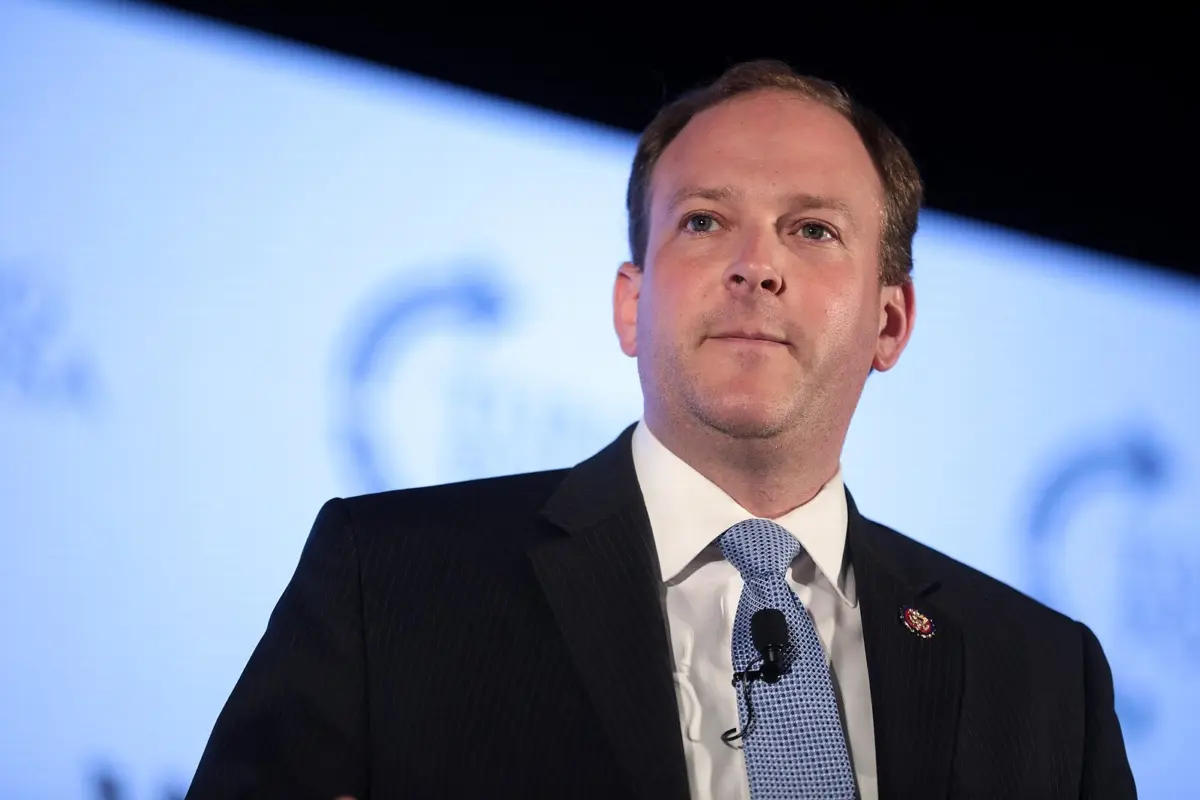
- The Regulatory Justification: The administration’s move relies on a redefined interpretation of the EPA’s statutory mandate under the Clean Air Act. EPA leadership, spearheaded by agency Administrator Lee Zeldin, has increasingly downplayed the direct harms associated with greenhouse gas emissions, aligning with a policy framework that has sought to decouple environmental policy decisions from traditional climate science metrics.
Chronology: The Evolution and Rollback of Power Plant Regulations
The trajectory leading to Monday’s expected announcement spans more than a decade of intense legal, political, and regulatory battles over the federal government’s authority to regulate industrial emissions.
- 2015–2016 (The Clean Power Plan): Under the Obama administration, the EPA introduced the Clean Power Plan, designed to significantly curb carbon emissions from power plants. The initiative faced immediate legal resistance from a coalition of industry groups and fossil-fuel-reliant states. In 2016, the U.S. Supreme Court took the historic step of staying the implementation of the plan, preventing it from taking effect while legal challenges proceeded through the lower courts.
- 2019–2020 (The Affordable Clean Energy Rule): The first Trump administration formally repealed the Clean Power Plan, replacing it with the Affordable Clean Energy (ACE) rule, which significantly narrowed the federal government’s authority to mandate power sector emissions reductions.
- 2021–2024 (Re-establishment of Strict Limits): Following a federal appeals court ruling that struck down the ACE rule, the Biden administration’s EPA instituted stringent new limits on carbon emissions from existing coal plants and new gas-fired turbines. These regulations were framed as a cornerstone of the United States’ international climate commitments under the Paris Agreement.
- 2025–2026 (The Current Deregulatory Push): Upon returning to office, the current administration initiated a systemic review of all major environmental rules. Earlier this year, the White House and EPA leadership altered internal cost-benefit methodologies, effectively discounting or eliminating the calculation of human health impacts in economic reviews of environmental rollbacks. Monday’s announcement represents the culmination of this systematic dismantling of federal climate oversight.
Supporting Data and Economic Realities
The economic and structural arguments surrounding the EPA’s new policy involve complex interactions between evolving energy markets, public health economics, and industrial expansion.
The Financial Burden on Citizens
While the administration frames its deregulatory agenda as a means to reduce consumer energy costs, critics point to concurrent policy actions—such as sweeping tariffs and fuel economy rollbacks—that independent economic analyses suggest are driving up the cost of living. The $120 billion in health costs associated with the power plant rollback represents concentrated damage to public healthcare systems and individual household budgets, disproportionately impacting vulnerable populations living near industrial generation sites.
The State of the Coal Market
Paradoxically, market forces have largely superseded regulatory mandates regarding the economic viability of coal. According to data from the Federal Energy Regulatory Commission (FERC) and independent energy analysts, coal-fired power generation has been in a prolonged structural decline. High operational costs, aging infrastructure, and cheaper alternatives have rendered coal economically uncompetitive. In 2025, renewable energy sources—predominantly solar and wind—accounted for the vast majority of all new U.S. power generation capacity. Analysts note that even without strict federal pollution limits, few, if any, utility companies are planning or investing in new coal-fired plants because the technology is widely considered financially obsolete.

The Rise of Data Centers and Natural Gas
Conversely, the rapid expansion of artificial intelligence and digital infrastructure has triggered an unprecedented surge in demand for electricity. Technology companies and grid operators have increasingly turned to natural gas-fired power plants to quickly bring online the massive amounts of baseload power required by new data centers.
Because many of these data center projects are situated near urban or suburban centers, their reliance on newly constructed gas turbines has raised concerns among local communities. Critics argue that lifting pollution controls on gas generation will accelerate this trend, compounding local air quality degradation and driving up both electric bills and public health expenditures.
Official Responses and Stakeholder Positions
Reactions to the impending EPA policy have fallen sharply along political and industrial lines, highlighting deep divisions over the balance between economic development and environmental protection.
- Environmental Protection Agency Leadership: Administrator Lee Zeldin and agency officials have defended the administration’s actions as a necessary correction to overreaching federal mandates that stifle economic growth. Proponents of the policy argue that energy independence and grid reliability must take precedence over federal climate targets, and that states should retain primary authority over environmental management within their borders.
- Industry and Trade Associations: Certain segments of the fossil fuel sector and heavy industry have welcomed the regulatory relief, arguing that existing compliance costs hinder operational flexibility. They contend that modernizing the grid requires fewer federal bottlenecks and greater autonomy for regional power providers.
- Public Health Organizations and State Attorneys General: Conversely, medical associations, environmental coalitions, and a coalition of state attorneys general have mobilized in opposition. Public health advocates emphasize that air pollution is directly linked to chronic respiratory conditions, cardiovascular disease, and premature mortality. Legal experts have signaled that a multi-state coalition is prepared to challenge the EPA’s decision in federal court immediately following its official release.
Broader Implications for Environmental Law and Energy Policy
The forthcoming policy announcement carries profound implications that extend well beyond the power sector, testing the limits of federal administrative power and judicial precedent.

Legal Vulnerabilities Under the Clean Air Act
A central question facing the new policy is its viability under existing federal law. Under the landmark 2007 Supreme Court ruling in Massachusetts v. EPA, the agency is legally mandated to regulate greenhouse gas emissions under the Clean Air Act if it determines they endanger public health and welfare. Legal scholars argue that an explicit refusal to regulate greenhouse gases from a major industrial source category directly contradicts statutory obligations, opening the policy to immediate legal challenges on administrative law grounds.
However, the legal landscape has shifted significantly in recent years. The current federal judiciary has increasingly scrutinized the scope of agency authority under the "major questions doctrine," creating a complex and uncertain environment for both regulators and challengers. While previous attempts by the executive branch to bypass greenhouse gas regulations have frequently faced judicial roadblocks—such as a recent federal court ruling that blocked the EPA’s attempt to override California’s state-level clean air standards—the outcome of upcoming litigation remains difficult to predict.
A Broader Pattern of Regulatory Rollbacks
Monday’s announcement is part of a wider administrative strategy targeting federal environmental and safety standards. Other major initiatives—including challenges to national fuel efficiency standards projected by the administration’s own internal metrics to raise fuel prices and impose trillions in societal costs—demonstrate a consistent approach to rolling back federal oversight.
For the American public, the cumulative effect of these policies represents a fundamental shift in federal priorities. As the EPA prepares to formally unveil its new framework, the nation stands at a critical crossroads between an accelerating retreat from federal climate commitments and an impending wave of high-stakes legal battles in the federal court system.
