

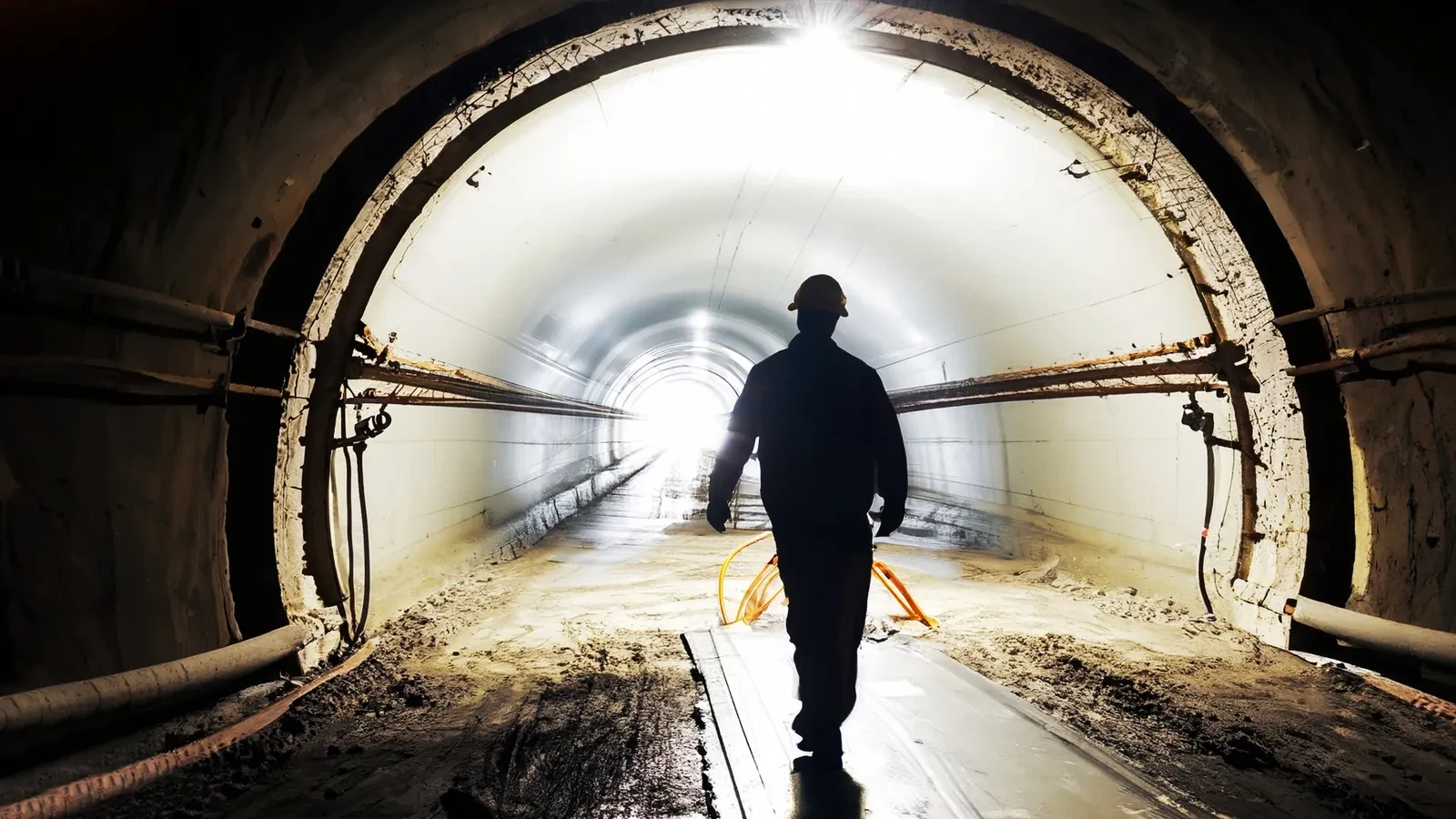
CLEVELAND — In a monumental step toward environmental restoration and modernizing aging public infrastructure, a joint venture between major civil contractors has officially secured a $324.8 million contract to construct the Big Creek Tunnel. Announced in early October 2026, the massive wastewater project aims to drastically reduce raw sewage overflows into local waterways, safeguarding the ecosystem of Lake Erie for generations to come.
Led by Watsonville, California-headquartered Granite Construction in partnership with Super Excavators, based in Menomonee Falls, Wisconsin, the undertaking represents the final major puzzle piece in a decades-long regional revitalization initiative.
Main Facts
The Big Creek Tunnel project is a high-stakes, heavy-civil engineering endeavor commissioned by the Northeast Ohio Regional Sewer District (NEORSD).
- Contract Value: $324.8 million
- Location: Greater Cleveland area (extending through Cleveland, Linndale, and Brooklyn)
- Key Contractors: Granite Construction (lead) and Super Excavators (joint venture partner)
- Project Scope: Construction of a 22,300-linear-foot, 20-foot-diameter primary rock tunnel, alongside 3,115 linear feet of ancillary tunnels, multiple shafts, diversion structures, gate control vaults, consolidation sewers, and a dewatering tunnel.
- Environmental Impact: Once operational, the system will prevent an estimated 550 million gallons of combined sewer overflows (CSOs) from pouring into Lake Erie and surrounding waterways annually.
The project relies heavily on complex underground excavation techniques. Running 50 to 100 feet beneath the surface through solid rock formations, the subterranean path spans more than four miles. The sheer scale of the engineering requirements—involving deep-shaft construction, complex hydraulic controls, and massive underground boring equipment—highlights the technical prowess required of modern civil engineering firms specializing in heavy water infrastructure.
Chronology
The genesis of the Big Creek Tunnel traces back far beyond its October 2026 contract award. It is deeply intertwined with regulatory mandates and long-term regional planning designed to bring municipal utilities into compliance with federal environmental standards.
Project Clean Lake Milestones
- 2011: NEORSD officially launches "Project Clean Lake," a massive $3 billion, 24-year capital improvement initiative designed to overhaul the region’s sewer infrastructure and comply with the federal Clean Water Act.
- 2011–2025: Over the course of nearly a year and a half, the district systematically plans, finances, and constructs the first six large-diameter combined sewer overflow storage tunnels, radically slashing the volume of untreated waste entering local bodies of water.
- Fall 2026: Granite Construction and Super Excavators are awarded the $324.8 million contract for the Big Creek Tunnel, designated as the seventh and final large-diameter storage tunnel under the Project Clean Lake umbrella. Construction activities are scheduled to ramp up immediately.
- Winter 2030: Project completion is projected, marking the official conclusion of the primary large-diameter tunnel phase under Project Clean Lake.
Supporting Data & Market Context
The Big Creek Tunnel is not an isolated capital expenditure; it sits within a broader, nationwide boom in public water and flood mitigation infrastructure spending throughout 2026. Municipalities and federal agencies alike are rushing to harden vulnerable water systems against extreme weather, aging populations, and strict environmental regulations.
Key Infrastructure Trends and Comparable Projects
- The Ohio River Tunnel ($1 Billion): In Allegheny County, Pennsylvania, a joint venture between Lane Construction and Brayman Construction secured a massive $1 billion contract to construct a deep rock tunnel system aimed at cleaning up local river basins.
- Virginia Floodwater Project ($518 Million): Flatiron-Dragados initiated construction earlier in the year on a major $518 million flood mitigation project designed to protect coastal communities from rising tides and severe storm surges.
- Federal Disaster Recovery Funding: Reflecting the urgent need for resilient water systems, the U.S. Department of Transportation earmarked $1.86 billion in June to repair storm-damaged infrastructure—including municipal water systems heavily impacted by natural disasters such as Hurricane Helene.
For civil contractors, water and wastewater management projects have transformed into reliable, high-margin revenue streams. Cities across the United States are facing an infrastructure deficit, forcing local governments to tap into federal grants, state revolving funds, and municipal bonds to finance multi-billion-dollar overhauls.
Official Responses
Industry leaders and municipal authorities have praised the collaboration between Granite Construction, Super Excavators, and NEORSD, emphasizing the profound regional benefits of the project.

Jim Nickerson, vice president of Granite’s tunnel division, underscored the alignment between the project’s complex demands and the company’s core operational capabilities:
"The scale and complexity of this project align directly with Granite’s strengths in large-diameter tunneling and shaft construction. This is a major wastewater infrastructure project, and it will strengthen system performance and protect local waterways across Northeast Ohio."
For NEORSD, the project represents the culmination of a generation-long campaign to undo decades of environmental degradation. By capturing stormwater and sewage that would otherwise overwhelm legacy combined sewer systems during heavy rain events, the district is fulfilling its core promise to the communities it serves.
Implications
The construction and eventual commissioning of the Big Creek Tunnel carry profound implications for the environment, the local economy, and the future of heavy civil engineering.

1. Environmental Restoration of Lake Erie
Lake Erie, historically plagued by toxic algae blooms and pollution stemming from agricultural runoff and urban wastewater discharges, stands to benefit immensely. Eliminating 550 million gallons of combined sewer overflows annually—when combined with the 4.5 billion-gallon total reduction achieved across all seven Project Clean Lake tunnels—will dramatically improve water clarity, protect aquatic ecosystems, and make recreational beaches safer for local residents.
2. Regulatory Compliance and Public Health
By fulfilling the requirements mandated by the Clean Water Act, NEORSD avoids federal penalties and sets a benchmark for how Rust Belt cities can modernize 19th-century infrastructure for 21st-century realities. Improved wastewater handling reduces public health hazards associated with waterborne pathogens during major storm events.
3. Economic and Workforce Impact
The $324.8 million infusion into the local economy supports hundreds of specialized construction, engineering, and manufacturing jobs over the four-year build cycle. Furthermore, the specialized tunneling techniques employed by Granite and Super Excavators will foster skill development within the regional labor force, reinforcing Northeast Ohio’s status as a hub for advanced heavy-civil construction.
As excavation gets underway in late 2026, all eyes will be on Cleveland as it crosses the finish line on one of the most ambitious urban water infrastructure transformations in United States history.
