

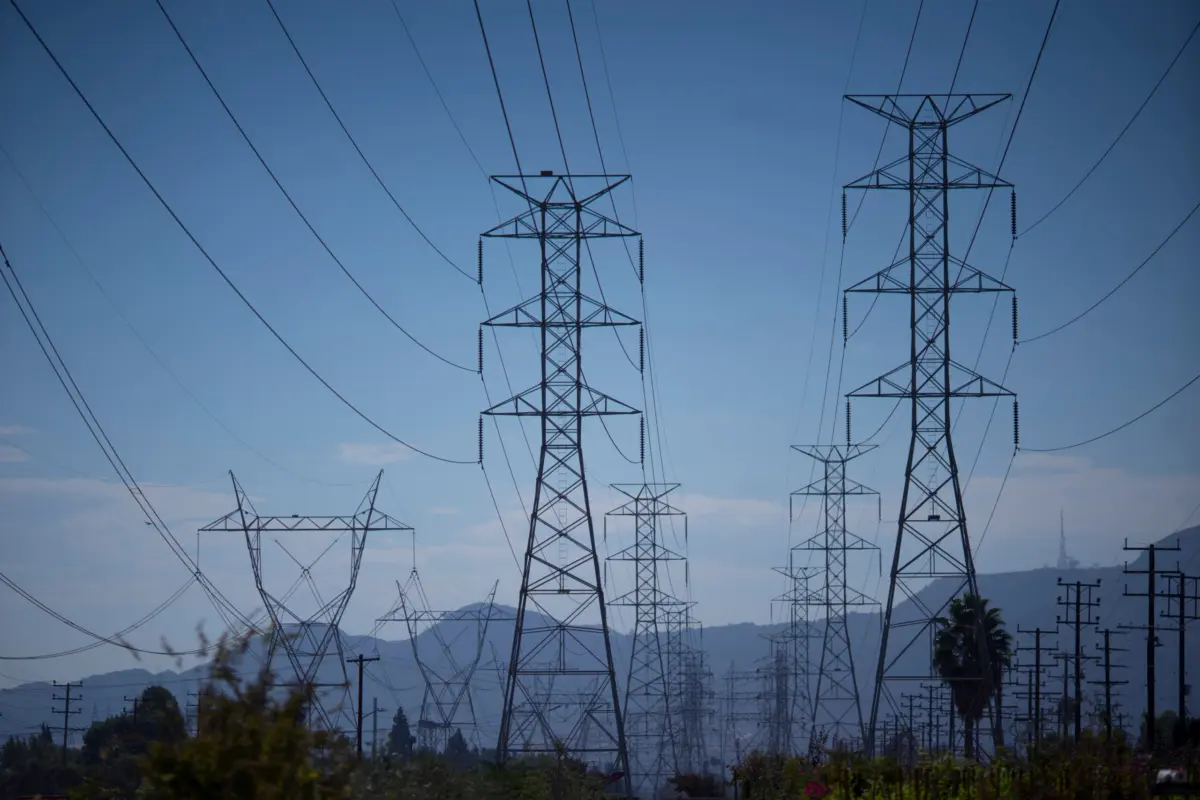
SACRAMENTO, Calif. — Nearly a dozen counties across Northern California are bracing for potential public safety power shutoffs this weekend, as a dangerous confluence of extreme late-summer heat, bone-dry humidity, and high winds creates explosive wildfire conditions.
The escalating crisis has forced major utility providers, emergency management agencies, and grid operators onto high alert. With memories of catastrophic past wildfire seasons still fresh, authorities are taking preemptive measures to prevent electrical infrastructure from sparking blazes in vulnerable, drought-stressed terrain.
Main Facts
The core of the unfolding emergency centers on a broad weather pattern threatening Northern and Central California. Pacific Gas and Electric Co. (PG&E), which provides electricity to more than 5.5 million customers across the region, announced that Public Safety Power Shutoffs (PSPS) could be implemented as early as Saturday.
- Affected Regions: Initially, parts of eight inland counties face potential outages starting Saturday, including El Dorado, Lassen, and Placer. By Sunday, the threat expands to encompass three additional counties, bringing the total to eleven. The full roster of counties under consideration for Sunday shutoffs includes Colusa, Glenn, Nevada, Plumas, Shasta, Sierra, Tehama, and Yolo.
- The Meteorological Threat: The National Weather Service (NWS) has issued comprehensive heat advisories and fire-weather watches spanning large swaths of the utility’s service territory. Wind gusts are forecasted to reach speeds of up to 35 miles per hour (56 kilometers per hour) in targeted zones.
- Grid Strain: Simultaneously, relentless late-summer heat is driving statewide energy demand near historic thresholds. On Wednesday, electricity usage in California surpassed 50 gigawatts, creeping close to the all-time record of 52 gigawatts established during the historic September 2022 heatwave, according to data from the California Independent System Operator (Cal-ISO).
- Southern California Impacts: While Northern California battles wind and fire risks, Southern California is contending with its own weather extremes. An extreme heat warning remained in effect through Thursday, exacerbated by a surge of tropical humidity swept in from the remnants of a Pacific hurricane.
Chronology of the Weather Event and Utility Response
The sequence of events leading up to this weekend’s heightened alert began unfolding earlier in the week as a high-pressure system anchored itself over the West Coast, pumping stifling temperatures into valleys and foothills alike.
Early-Week Heat Surge
By mid-week, temperatures soared across the Central Valley and surrounding foothills. In Roseville, located in Placer County northeast of Sacramento near the Nevada border, thermometers were projected to peak at a blistering 101°F (38°C) on Thursday.
Thursday: Warnings and Models Released
As heat advisories blanketed the region, meteorological models updated on Thursday revealed a greater than 50% probability of sustained gusty conditions—with winds exceeding 25 mph—along the heavily trafficked Interstate 5 corridor in the Sacramento Valley. Recognizing the extreme vulnerability of roadside corridors, where human activity frequently sparks ignitions, the NWS issued formal fire-weather watches. These watches are scheduled to take effect Saturday and persist through Monday.
Saturday and Sunday: The Critical Window
PG&E’s operational timeline indicates that proactive de-energization could begin Saturday in targeted inland sectors where dry vegetation and high winds create an unacceptable fire risk. The scope of the blackout warnings widens significantly on Sunday, pulling in additional foothill and valley communities as the weather front progresses.
According to the NWS, the atmospheric instability and desiccating winds are expected to begin easing by late Sunday into Monday—though the underlying dry fuel conditions will ensure that wildfire risks remain elevated well into the early part of next week.
Supporting Data and Meteorological Context
The severity of the current threat is underscored by quantitative data gathered from meteorological agencies, grid managers, and utility monitors.
Temperature Trajectory in Placer County
- Thursday: High of 101°F (38°C) in Roseville, accompanied by low relative humidity.
- Sunday: Temperatures are projected to cool down significantly, dropping to a high of around 85°F (29°C).
- The Wind Factor: Despite the cooling trend, meteorologists emphasize that falling temperatures do not eliminate fire danger. The combination of lingering dry air and sustained winds up to 35 mph creates a persistent hazard. "The combination of strong winds and low humidity can cause fire to rapidly grow in size and intensity before first responders can contain them," the NWS warned in an official advisory.
Grid Demand Metrics
The California Independent System Operator reported that peak load on Wednesday reached 50 gigawatts. For context, California’s absolute all-time peak electricity demand stands at 52 gigawatts, recorded during a punishing heatwave in September 2022.
In Southern California, the Los Angeles Department of Water and Power (LADWP) faced intense operational strain. The influx of tropical moisture from Pacific hurricane remnants created a humid, stifling environment that kept air-conditioning units running at maximum capacity around the clock.
Roadway Fire Risks
Weather models highlighting the Interstate 5 corridor point to a well-documented vulnerability: human-caused ignitions. Dragging trailer chains, overheated vehicle undercarriages, and discarded cigarettes along busy commuter and commercial freight arteries routinely spark roadside fires during dry spells. With wind gusts above 25 mph expected along I-5, any spark has the potential to transform into a fast-moving grass or brush fire instantly.
Official Responses and Public Guidance
In response to the compounding crises of grid strain, high temperatures, and extreme fire weather, public officials and utility representatives have rolled out coordinated guidance and warnings.
PG&E’s Preparedness Protocol
PG&E has mobilized its emergency operations centers to monitor real-time weather telemetry across its 5.5-million-customer footprint. The utility utilizes advanced meteorological stations, high-definition cameras, and hyper-local wind modeling to determine whether power lines must be de-energized to prevent arcing or equipment failure during high-wind events.
While public safety power shutoffs are designed to prevent catastrophic utility-sparked wildfires, they inevitably introduce significant disruption to daily life, healthcare facilities, and local commerce in the affected rural and semi-urban counties. Customers in El Dorado, Lassen, Placer, Colusa, Glenn, Nevada, Plumas, Shasta, Sierra, Tehama, and Yolo have been urged to check their account information, prepare emergency supply kits, and plan for extended outages lasting potentially several days.
National Weather Service Directives
The NWS has urged residents in Northern and Central California to exercise extreme caution with any equipment that could produce sparks. Residents living in or near the wildland-urban interface have been advised to clear defensible space around their homes, secure outdoor furniture that might catch the wind, and ensure their emergency evacuation plans are up to date.
Southern California Conservation Appeals
Further south, where extreme heat warnings remained active through Thursday, the LADWP issued a public appeal for voluntary energy conservation. Utilities across the state are working to balance supply and demand to avoid rolling blacklocks, urging residents to raise thermostat settings to 78 degrees or higher, avoid using major appliances during peak afternoon and evening hours, and turn off unnecessary lighting.
Broader Implications
This weekend’s weather emergency highlights the complex, interconnected challenges facing California’s infrastructure, economy, and regulatory landscape.
Climate Pressures on Electrical Infrastructure
The increasing frequency of overlapping late-summer heatwaves and high-wind events demonstrates how climate volatility continues to stretch California’s public utilities to their absolute limits. The need for aggressive grid hardening—such as undergrounding power lines, clearing hazardous trees, and deploying advanced sectionalizing equipment—remains a top priority for utility operators.
However, these capital-intensive initiatives unfold against a tense financial backdrop. The ongoing friction between necessary infrastructure upgrades, state legislative oversight, and utility financing is a persistent point of contention. (For context, industry observers note recent developments such as PG&E to Defer $2 Billion of Work After California Shelved Fire Bill, illustrating the delicate balance utilities must strike between safety investments and financial solvency.)
Socioeconomic and Public Health Impacts
For residents in the eleven counties facing potential shutoffs, the threat of losing electricity during a heatwave underscores the vulnerability of rural and foothill communities. Beyond the immediate danger of fast-moving wildfires, extended power outages threaten vulnerable populations—particularly the elderly and those reliant on electrically powered medical equipment. Local governments have scrambled to establish cooling centers and coordinate community outreach.
As California navigates the peak of the late-summer weather season, state officials, utility crews, and millions of residents remain on high alert, hoping that coordinated early warnings and proactive shutoffs will successfully mitigate what threatens to be a severe weekend for regional safety.
