CHENGDU, CHINA — In a major development for contemporary Asian architecture, the globally acclaimed, Chengdu-based studio Jiakun Architects has officially announced a new wave of professional recruitment. Known for its profound integration of local heritage, material innovation, and a deeply philosophical approach to the built environment, the practice is inviting ambitious architects, urban designers, and creative thinkers to join its headquarters in southwestern China.
The recruitment drive, publicized globally via architectural platforms including ArchDaily, highlights a growing international interest in firms that challenge rapid, homogenizing urbanization in favor of place-sensitive, culturally grounded design. As Jiakun Architects looks toward its next era of visionary projects, the call for new talent signals both expansion and a steadfast commitment to its foundational design ethos.
Main Facts: The Legacy and Reach of Jiakun Architects
Founded in 1999 by visionary architect Liu Jiakun, Jiakun Architects has established itself as a cornerstone of modern Chinese architectural discourse. Operating out of Chengdu—a major cultural and economic hub in Sichuan Province—the studio’s portfolio spans a vast and multidisciplinary spectrum.
Comprehensive Practice: The firm’s work extends far beyond conventional building design, encompassing master planning, urban design, architecture, landscape architecture, interior design, product design, and even contemporary art creation.
Iconic Projects: The studio’s portfolio features celebrated cultural and public landmarks, including the Luyeyuan Stone Sculpture Art Museum, the vibrant community-centric West Village Basis Yard, the Erlang Town Tianbao Cave Area Renovation, the Librairie Avant-Garde Huize Baiwu Bookstore, and the Grand Canal Hanggang Park (Phase I).
Design Philosophy: Rooted deeply in contemporary reality, Jiakun Architects champions a design philosophy that respects vernacular wisdom, honors historical traditions, and orchestrates a seamless coexistence between architecture, human activity, and the natural world.
Chronology: From Local Roots to Global Prominence
To understand the weight of a career opportunity at Jiakun Architects, one must trace the studio’s evolution over more than two decades of practice, crisis response, and international acclaim.
1999–2005: Establishment and Vernacular Exploration
1999: Liu Jiakun establishes Jiakun Architects in Chengdu. Early projects focus on local materials, low-tech construction methods, and regional identity, steering away from the glass-and-steel copy-paste models dominating China’s booming coastal cities.
2002: Completion of the Luyeyuan Stone Sculpture Art Museum. Using local grey brick and cast-in-place concrete, the project gains international praise for how it frames nature, light, and historical artifacts within a meditative spatial sequence.
2008–2015: Reconstruction, Resilience, and Social Architecture
2008 (Wenchuan Earthquake): Following the devastating Sichuan earthquake, Liu Jiakun and his team become deeply involved in post-disaster reconstruction. The firm develops Folk-Craft Kiln Brick, a low-cost, vernacular construction technique utilizing rubble and local labor, empowering displaced communities to rebuild their homes.
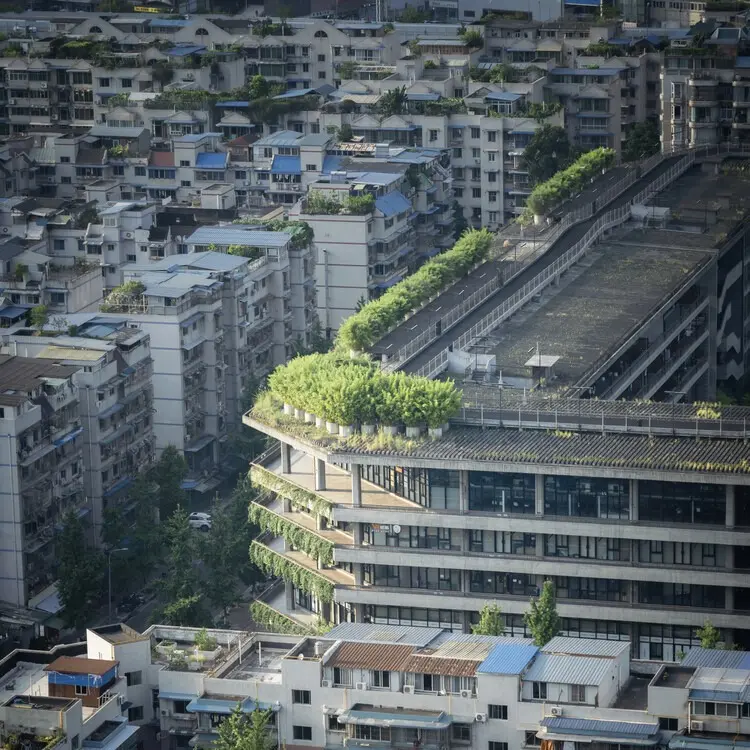
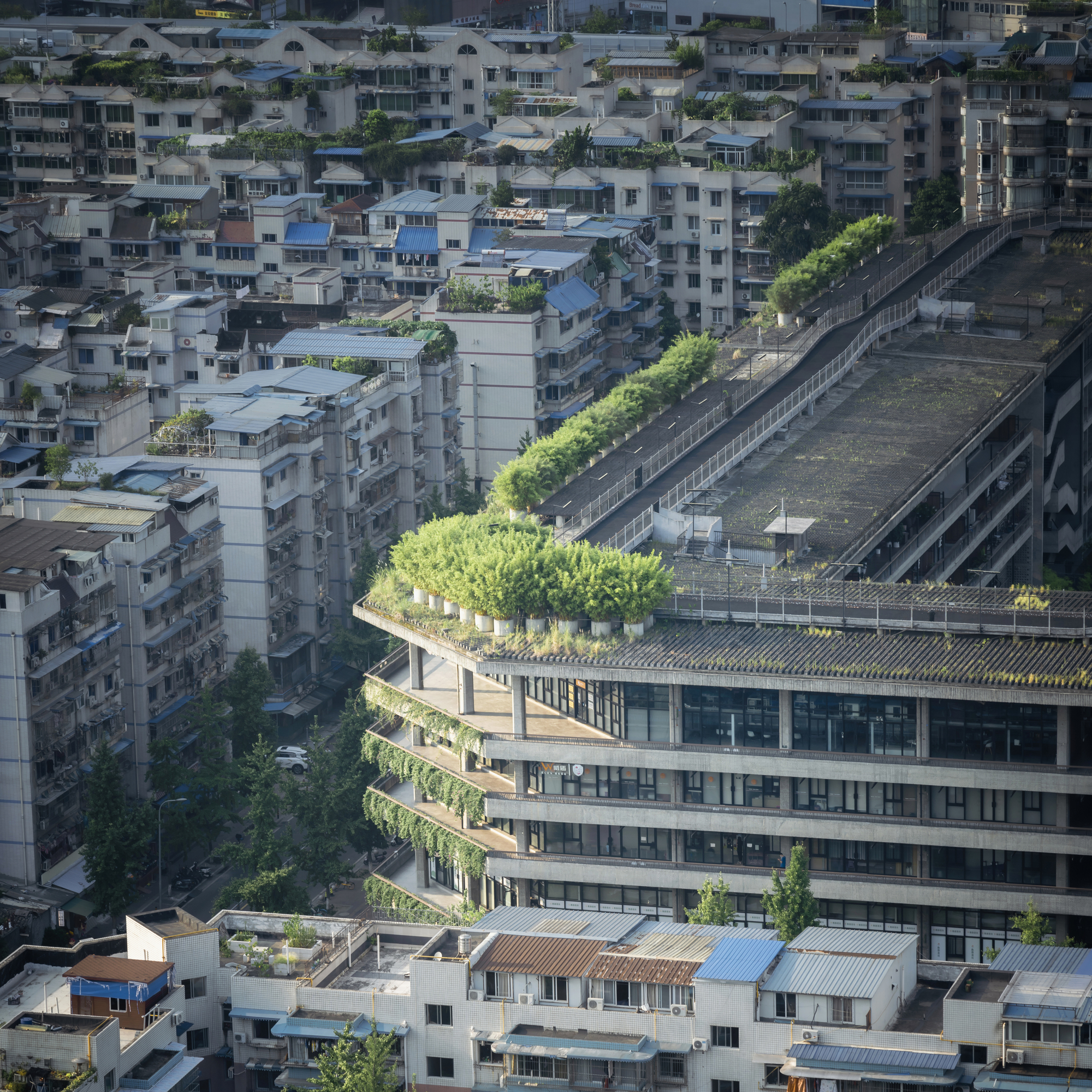
2015: Completion of West Village Basis Yard in Chengdu. This massive, block-sized multi-use public project reinvents the traditional courtyard typology as an elevated, porous landscape for sports, tea houses, and community life, winning numerous accolades for redefining urban public space.
2016–Present: Cultural Expansion and Global Collaborations
2018: Liu Jiakun is selected to design the Serpentine Pavilion in London, bringing his distinct philosophy of "vernacular wisdom" and localized resourcefulness to a global stage in Kensington Gardens.
2021–2024: The firm expands its footprint with complex cultural and landscape projects across China, such as the Erlang Town Tianbao Cave Area Renovation—which weaves industrial heritage into dramatic natural topography—and the Librairie Avant-Garde Huize Baiwu Bookstore.
September 2026: Jiakun Architects launches its latest international recruitment campaign, seeking forward-thinking designers to sustain its multidisciplinary momentum.
Supporting Data: The Architecture of Context
The work of Jiakun Architects is heavily supported by a methodology that prioritizes material integrity, regional climate adaptation, and spatial memory. An analysis of the firm’s built portfolio highlights several core metrics and spatial characteristics:
Material Autonomy: Over 70% of the firm’s signature institutional and cultural buildings utilize locally sourced, low-embodied-energy materials—such as rammed earth, grey brick, bamboo, and recycled aggregate concrete.
Public Engagement: Projects like West Village Basis Yard introduce unprecedented ratios of accessible green and semi-open communal space per square meter, challenging high-density commercial real estate norms.
Cross-Disciplinary Output: The studio balances scale fluidly, managing macro-level urban master plans (spanning hundreds of hectares) alongside micro-scale product design and contemporary art installations.
Official Responses and Industry Perspectives
The announcement of the recruitment drive has generated considerable discussion within architectural circles, particularly regarding the evolving role of regional practices in a globalized economy.
In statements accompanying the firm’s long-term institutional vision, Liu Jiakun has consistently emphasized that architecture must not merely look outward for trends, but downward into the earth of the specific site:
"Architecture is not an abstract exercise in geometry; it is an act of living. It must bear the weight of local memory, respond to the breath of the climate, and offer shelter that respects both human dignity and the natural environment."
Industry critics and academic commentators have praised the studio’s ongoing commitment to nurturing young talent. Dr. Lin Wei, a professor of architectural history at Tongji University, noted:
"Jiakun Architects offers a rare incubator for young designers. In an era where many offices are pressured to digitize and automate every step of design through standardized software, Jiakun maintains a tactile, hands-on, and deeply philosophical approach. Working there is less about drawing lines and more about learning how to listen to a place."
Implications: What This Means for the Future of Design
The opening of new positions at Jiakun Architects carries broader implications for the architectural job market, particularly in secondary cultural hubs like Chengdu, which are rapidly emerging as vibrant alternatives to Beijing, Shanghai, and Shenzhen.
1. Decentralization of Architectural Innovation
For decades, major avant-garde architectural production in China was concentrated strictly in primary megacities. By anchoring its global reputation firmly in Sichuan—a region rich in history, geography, and distinct cultural identity—Jiakun Architects proves that world-class architecture can be conceived and executed away from traditional coastal power centers.
2. A Counter-Narrative to Fast-Paced Globalization
As artificial intelligence and rapid BIM (Building Information Modeling) automation streamline the technical phases of architecture, firms like Jiakun represent a vital counter-balance. Their emphasis on vernacular wisdom, manual craftsmanship, and site-specific material experimentation creates a high demand for architects who possess strong critical thinking, emotional intelligence, and cultural sensitivity.
3. Career Growth for the Next Generation
For applicants responding to the 2026 recruitment call, joining the studio means stepping into an ecosystem where modern design intersects with social responsibility. Whether working on large-scale urban interventions like the Grand Canal Hanggang Park or intimate cultural spaces like the Luyeyuan Stone Sculpture Art Museum, new team members will be tasked with shaping environments that endure not just physically, but culturally and emotionally.
As Jiakun Architects embarks on this next chapter, the international design community will be watching closely to see how the next generation of talent translates the studio’s legendary ethos into the architecture of tomorrow.