

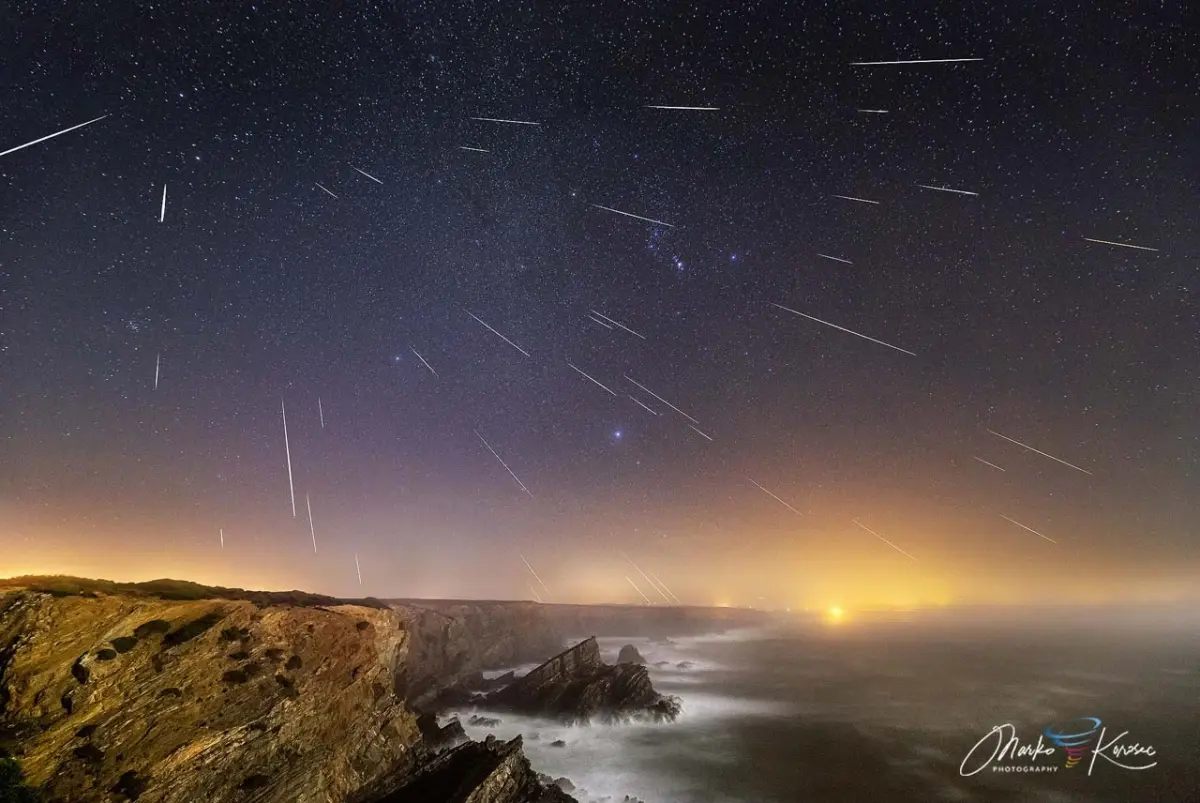
GOPINGEN, GERMANY — As the northern hemisphere reaches the heart of summer, astronomers and stargazers are preparing for a once-in-a-generation astronomical spectacle. The annual Perseid meteor shower is set to reach its magnificent peak on the night of August 12 into the early hours of August 13, 2026. Delivering up to 100 shooting stars per hour under ideal conditions, this year’s display is elevated to historic status by a rare cosmic coincidence: it arrives on the exact same day as a total solar eclipse sweeping across Greenland, Iceland, and Spain.
For amateur astronomers, casual stargazers, and astrophotographers alike, the convergence of a pristine, moonless night and a high-frequency meteor shower offers an unmatched opportunity to witness the raw dynamic power of the solar system.

Main Facts: The Anatomy of the 2026 Perseid Display
Renowned as the most popular and reliable celestial event of the summer calendar, the Perseids consistently produce a Zenithal Hourly Rate (ZHR) exceeding 100 meteors per hour under dark, pristine skies.
The phenomenon is driven by Earth’s passage through the debris stream left behind by Comet 109P/Swift-Tuttle. As these tiny dust particles—most no larger than a grain of sand, or a few millimeters across—intercept Earth’s orbit, they slam into our upper atmosphere at a blistering speed of approximately 59 kilometers per second (about 132,000 miles per hour).
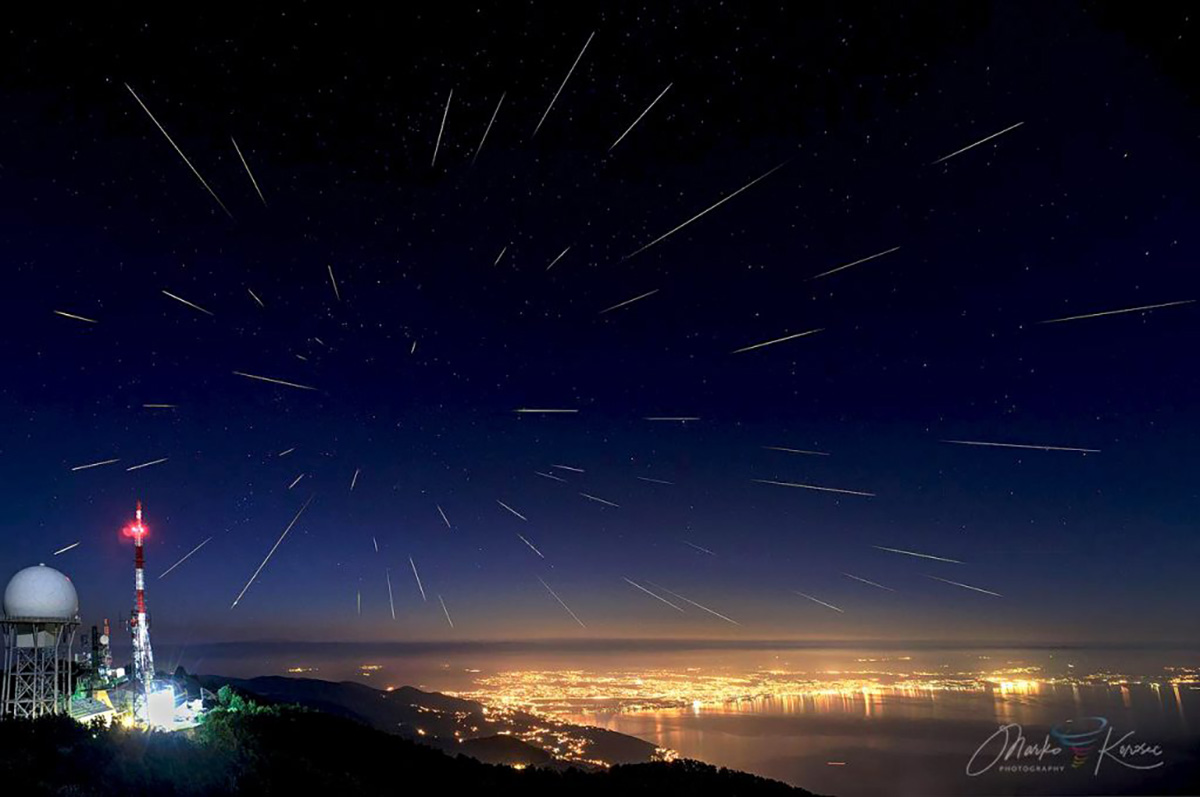
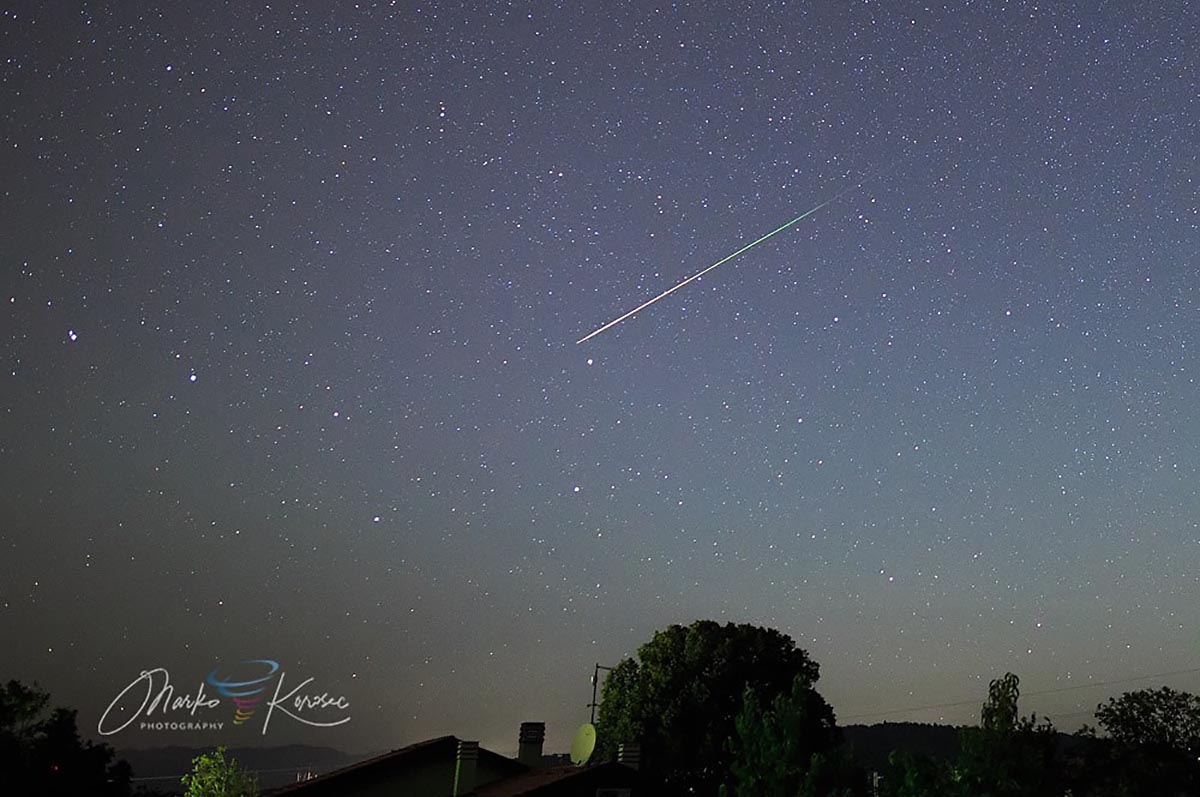
This violent kinetic impact vaporizes the meteoroids high above the stratosphere, roughly 100 kilometers (62 miles) up at the very edge of space, ionizing the surrounding air and creating the brilliant streaks of light known as shooting stars.
The Golden Ingredient: A Moonless Canvas
The primary variable that dictates the success of any meteor watch is the phase of the Moon. Light pollution from a waxing or full moon can wash out up to 80% of fainter meteors, drastically reducing the visible yield.
Fortunately, the peak of the 2026 Perseids coincides directly with the New Moon phase. This guarantees a completely dark sky with zero moonlight interference from dusk until dawn. Observers across Europe, North America, and beyond will benefit from pitch-black viewing conditions, allowing even suburban stargazers to catch a higher-than-average count of streaks and fireballs.
Chronology: A Multi-Day Stargazing Window
While the absolute maximum of the shower is mathematically calculated for the early hours of August 13, the build-up and timeline span several days, offering multiple opportunities for observation.
Early August: The Ramp-Up
Activity begins to ramp up noticeably during the first week of August. Earth enters the wider fringes of the Swift-Tuttle debris trail early, meaning observers willing to brave the pre-dawn hours as early as August 8 or 9 will begin to see sporadic Perseid activity. The hourly rate scales upward night by night.
August 11–12: The Approach
On the nights leading directly to the peak, Earth penetrates the denser concentrations of comet dust. Observers can expect to see upwards of 50 to 70 meteors per hour during the second half of the night, as the radiant constellation—Perseus—climbs higher into the northeastern sky.
August 12–13: The Grand Peak
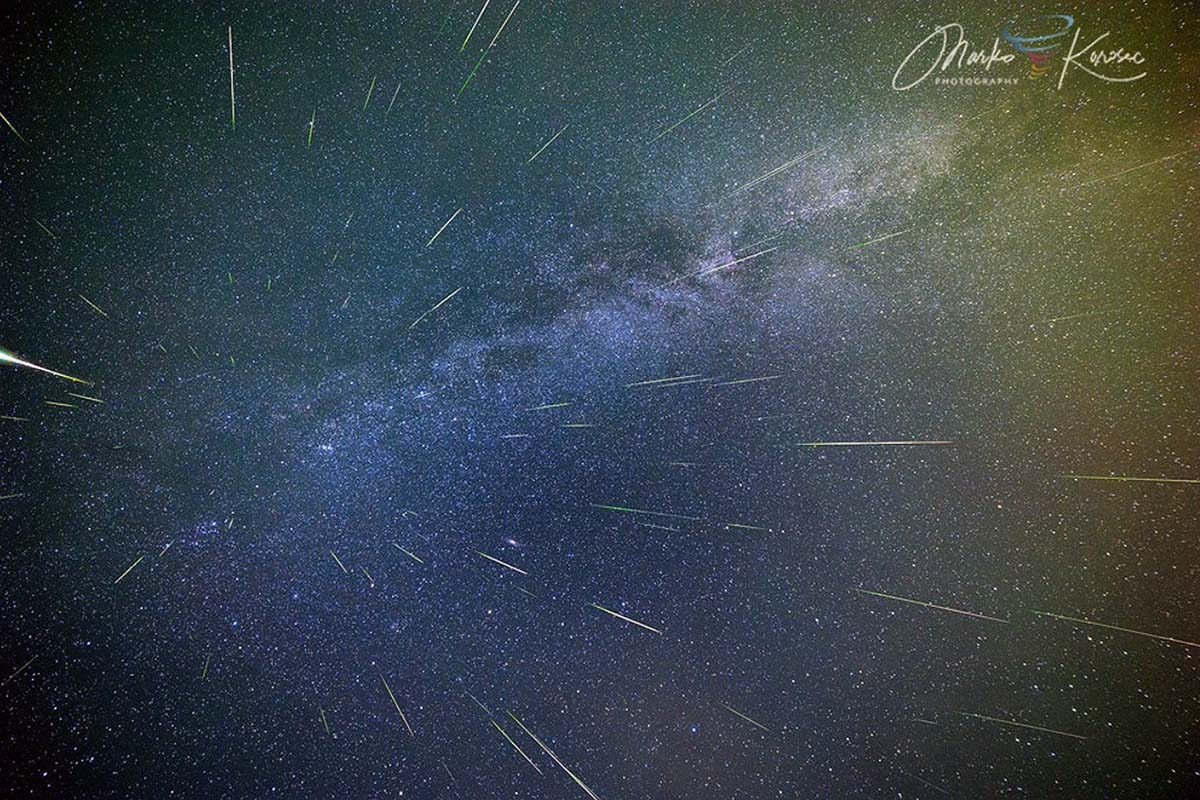
The absolute peak intensity is slated for August 13 at around 02:00 UTC. For Europe and parts of western Africa, this timing is nearly ideal, occurring in the deep dark of night before dawn breaks. For North American observers, the peak occurs roughly six hours before local midnight, meaning the best viewing windows will open during the post-midnight hours of August 13 as Perseus rises into favorable elevations.
Supporting Data and Scientific Context
Understanding the mechanics of the Perseids requires examining both historical tracking and atmospheric physics.
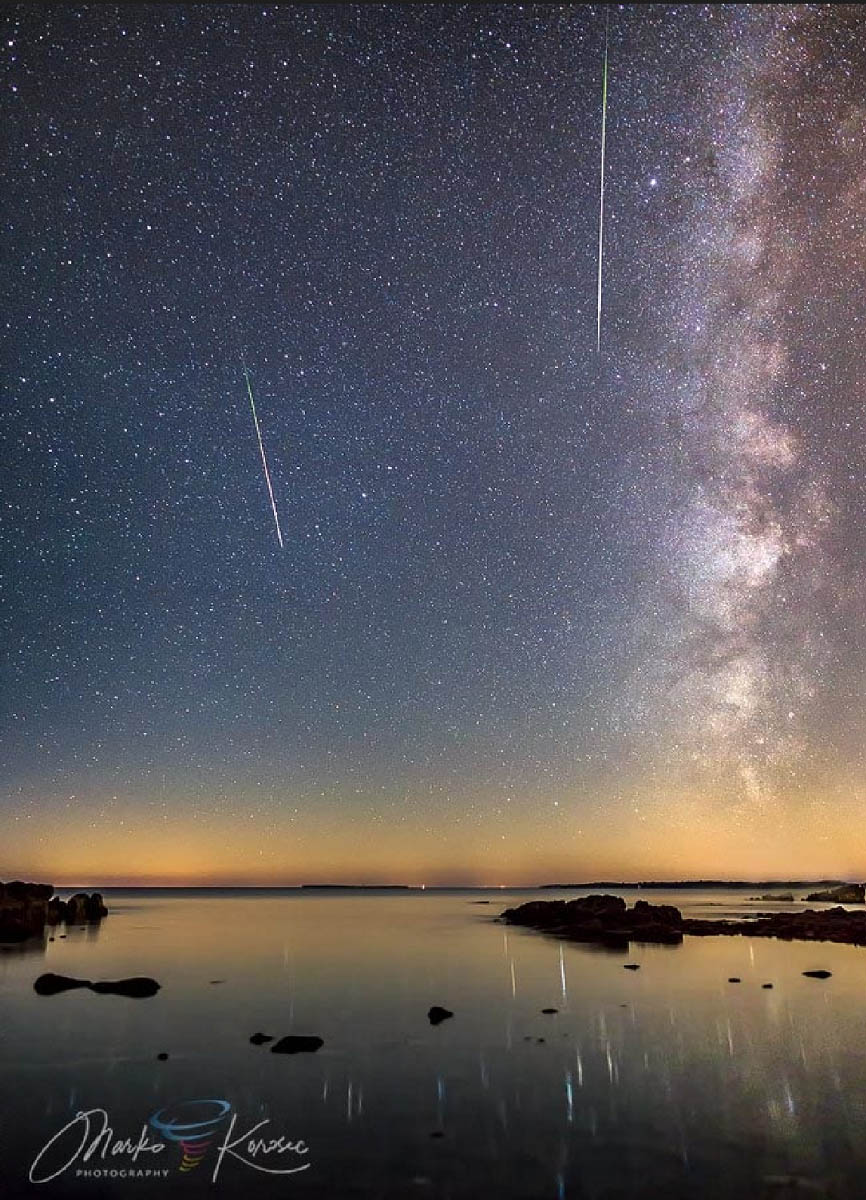
- The Radiant Point: All Perseid meteors share a common apparent point of origin in the sky, known as the radiant. Tracing the paths of the meteors backward leads directly to the constellation Perseus, near its famous Double Cluster. As a general rule of thumb for meteor observation: the higher the radiant climbs in the sky, the greater the volume of meteors visible to the naked eye.
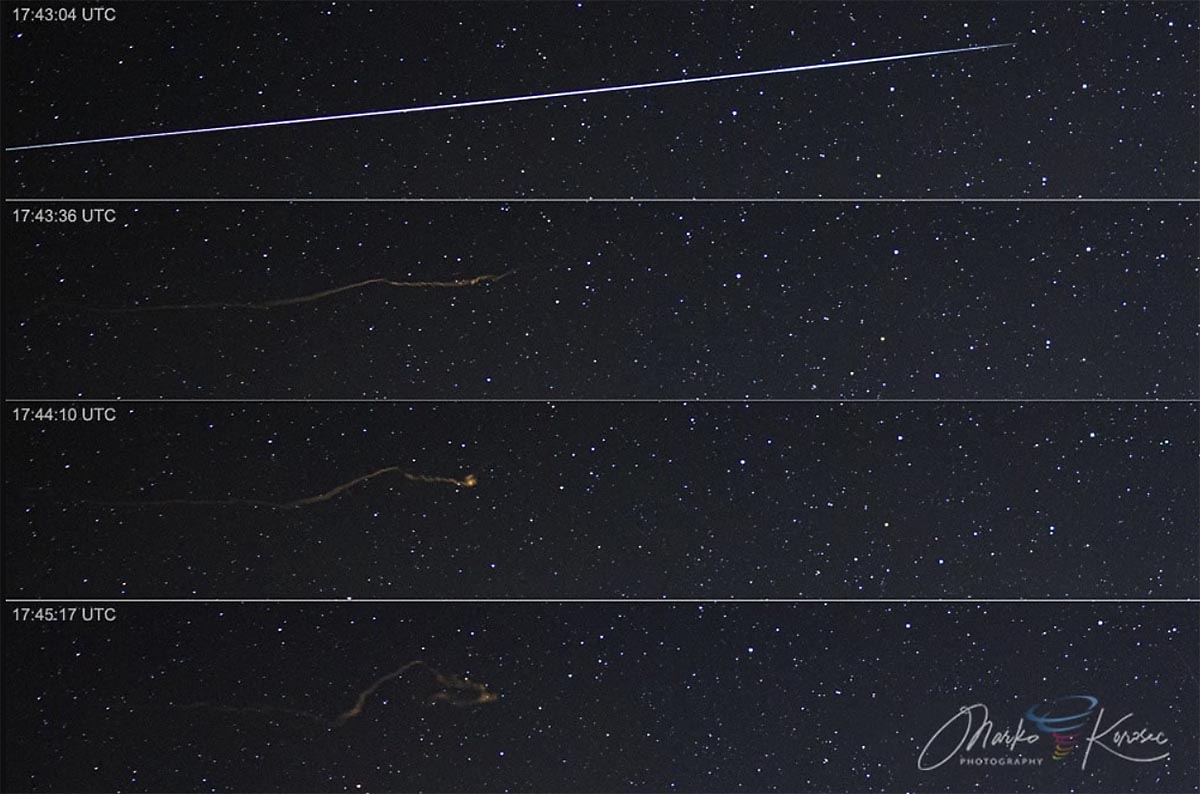
- Fireballs and Persistent Trails: The Perseids are historically rich in bright, colorful meteors and dramatic fireballs—meteors brighter than Venus. When exceptionally large meteoroids disintegrate, they frequently leave behind glowing, ionized dust trails. These persistent trains can linger for tens of seconds to the naked eye, and up to several minutes when viewed through binoculars, slowly twisting and contorting as they are caught in upper-level stratospheric winds.
- The Zenithal Hourly Rate (ZHR): ZHR measures the number of meteors a single observer would see in an hour under an exceptionally dark sky (limiting stellar magnitude of 6.5) if the radiant were directly overhead. While practical numbers are almost always lower due to atmospheric extinction and horizon interference, the 2026 ZHR projections of 90 to 120 meteors per hour place it among the top-tier showers of the decade.
Implications: A Double-Feature in the Heavens
The alignment of the 2026 Perseids with the total solar eclipse on August 12 creates a logistical and cultural milestone for international science enthusiasts and astrotourism.
The Solar Eclipse Convergence
While millions of people across Europe, North America, and Asia will tilt their heads upward at night for the Perseids, daytime skies over Greenland, Iceland, and northern Spain will plunge into an eerie, midday twilight during the rare total solar eclipse of August 12. This creates a rare 24-hour cycle of major celestial phenomena—a true festival for astronomy lovers.
Astrophotography and Field Challenges
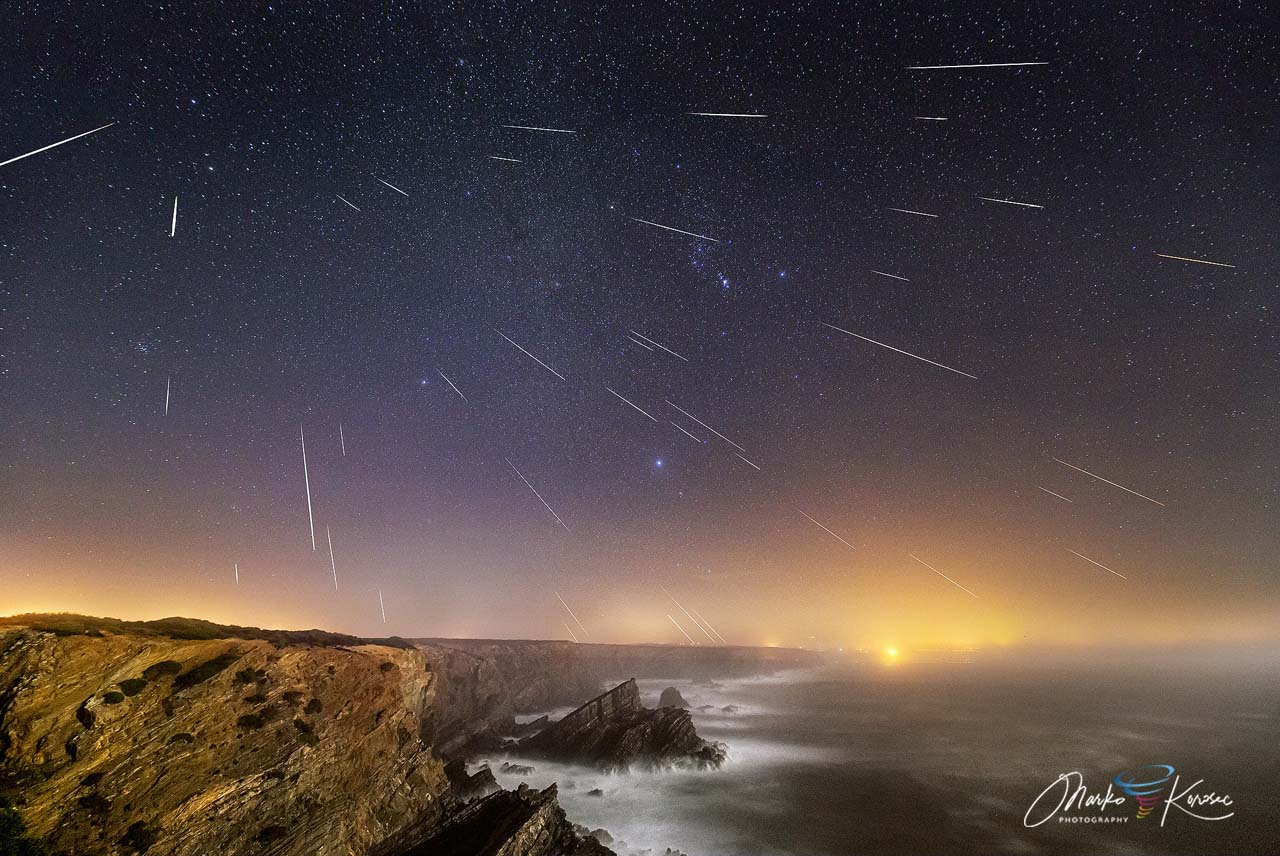
Capturing the Perseids requires patience, technical precision, and specialized equipment. Astrophotographers aiming to document the shower must contend with standard landscape challenges:
- Equipment: A sturdy tripod, a DSLR or mirrorless camera, and a fast, wide-angle lens (f/1.4 to f/2.8) are essential.
- Technique: Photographers must shoot continuous, long exposures over several hours, hoping a rogue fireball cuts directly across their frame.
- The Weather Factor: While August offers warm summer nights conducive to outdoor viewing, it is also notoriously prone to localized convective thunderstorm activity. Residual cloud cover from daytime heating can occasionally linger into the early evening hours, making site selection crucial. Experts advise heading to elevated hill or mountain locations to rise above low-lying atmospheric haze, moisture, and light pollution.
Recommendations for Observers
To maximize your experience of the 2026 Perseid meteor shower, astronomical societies and weather agencies recommend the following protocol:
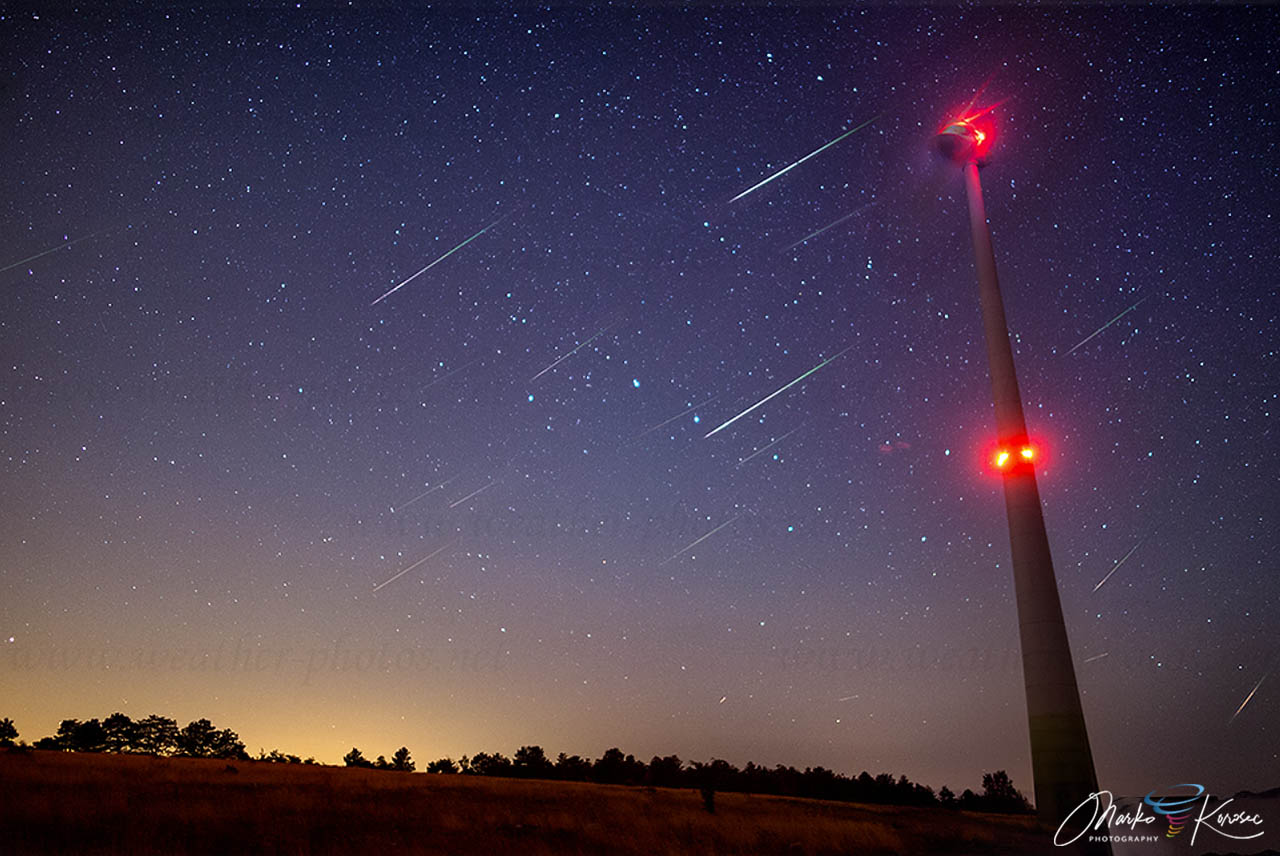
- Escape Light Pollution: Travel as far away from urban centers and streetlights as possible. Give your eyes at least 30 minutes to fully adapt to the dark; avoid looking at smartphones or white-light flashlights during this period.
- Skip the Telescope: Telescopes and binoculars narrow your field of vision too severely. The Perseids streak across vast swaths of the sky, making naked-eye observation the superior method.
- Get Comfortable: Bring a reclining lawn chair, a sleeping bag, and warm clothing—even in August, night temperatures can plummet in elevated or rural areas. Position yourself facing northeast, toward the constellation Perseus, and look upward toward the center of the sky.
As the night of August 12 approaches, anticipation continues to build. Provided regional weather patterns hold clear and stable, millions of skywatchers around the globe are poised to witness one of the most aesthetically flawless meteor displays of the modern era. Observers are encouraged to share their captures and reports through international astronomy networks, documenting a night where the cosmos puts on its finest summer show.
