

As the global technology sector reels from shifting pricing models, supply chain bottlenecks, and flashy multi-thousand-dollar device launches—such as Apple’s foldable iPhone Duo starting at $1,999—budget-conscious consumers are searching for affordable alternatives. But the market for value-driven smartphones has just taken an eccentric and unexpected turn.
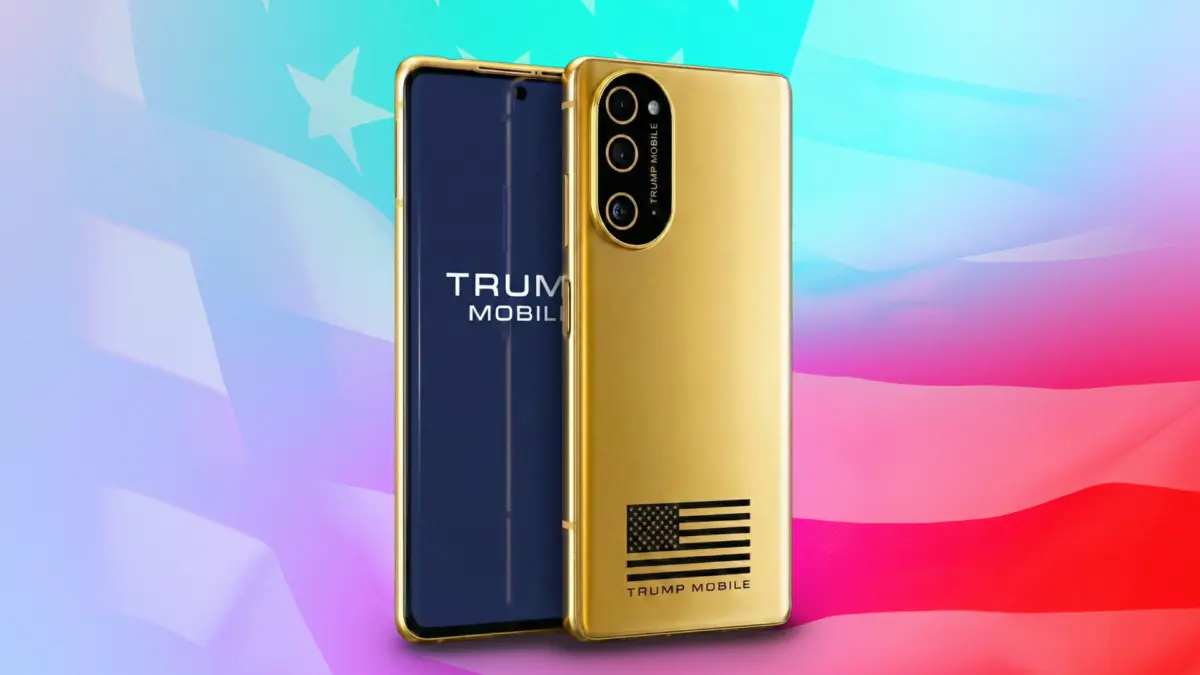
Trump Mobile, the controversial telecommunications brand, has implemented a quiet, overnight price hike on its flagship device: the gold-colored T1 phone. Originally introduced as an affordable $499 entry-level option, the T1 is now listed at $749. This sudden $250 surge has raised eyebrows across the tech industry, especially as analysts and hardware teardown specialists reveal that the device is essentially a reskinned, gold-painted version of an older, mid-range smartphone manufactured in China.
Main Facts: The $750 Gold-Painted Reality
The Trump Mobile T1 has officially transitioned from a questionable budget novelty to a mid-tier financial commitment.
- The Price Jump: Without prior public announcement, Trump Mobile raised the T1 phone’s retail price from $499 to $749, representing a 50% increase from its initial introductory cost.
- Hardware Origins: Teardowns by experts at iFixit and reviews by outlets like CNET confirm that the T1 is, at its core, a rebranded HTC U24 Pro—a Taiwanese handset originally released years prior and currently retailing for under $600 through major platforms like Amazon and Walmart.
- Aesthetic and Software Features: The T1 features a distinct, gold-colored exterior casing adorned with a stylized American flag, and comes pre-loaded with applications like Truth Social running on a somewhat dated operating system.
- The "Assembled in USA" Pivot: Initially marketed as being manufactured entirely within the United States, the phone’s labeling has since shifted to "Assembled in the USA," with manufacturing origins traced back to Guangdong, China.
Chronology: From Concept to Quiet Price Hike
The journey of the Trump Mobile T1 has been marked by delays, shifting marketing narratives, and continuous speculation:

- Early 2024–2025: Trump Mobile executives tease the device, pitching it as an American-made smartphone designed for conservative consumers, initially promising a $499 price point. Company executives indicate in interviews that the $499 figure is a temporary, introductory promotion, hinting that future costs could reach as high as $999.
- Late 2024 / Early 2025 (Delays): The release of the Android-based device faces nearly a year of continuous setbacks, pushing its actual deployment far past initial projections.
- May 2026: Devices finally begin shipping out to members of the media (including review units sent to CNET) and early consumer adopters who had laid down a $100 preorder deposit.
- Shortly After Launch: Hardware experts dismantle the device, publicly exposing its architectural and physical similarities to the HTC U24 Pro.
- Mid-2026: Trump Mobile quietly updates its website overnight, hiking the price of the T1 to $749, bypassing formal press announcements or explanations to consumers.
Supporting Data: Industry Trends and the "RAMageddon" Factor
While Trump Mobile has not issued an official explanation for the sudden $250 price increase, industry analysts suggest the move may be tied to broader macroeconomic trends affecting the entire consumer electronics landscape.
- The Global Memory Shortage: The ongoing artificial intelligence boom has triggered a massive global shortage of RAM and memory chips—a phenomenon industry insiders have dubbed "RAMageddon."
- Widespread Industry Inflation: Major manufacturers have been forced to pass rising production costs onto consumers. Apple, for instance, recently implemented widespread price increases across its older iPhone lineups, iPads, and MacBook ranges due to component scarcity.
- Comparative Market Value: At $749, the T1 phone now costs more than several superior, current-generation baseline smartphones, such as the Apple iPhone 17E. Furthermore, its spiritual twin—the unpainted HTC U24 Pro—can readily be purchased unlocked online for significantly less, offering stronger hardware performance without the novelty gold finish.
Official Responses and Industry Silence
As of publication, Trump Mobile has remained tight-lipped regarding the sudden pricing adjustment. Requests for comment sent to the company’s press and corporate relations departments by major technology publications have gone unanswered.
The company’s lack of transparency echoes its previous communication strategies surrounding the phone’s manufacturing pipeline. While early promotional materials leaned heavily into claims of domestic manufacturing, the reality uncovered by supply chain analysts—pointing to factories in Guangdong, China—forced a quiet shift toward the more legally flexible phrasing of "Assembled in the USA."
Implications: What the T1 Means for Consumers and the Market
The Trump Mobile T1 occupies a bizarre intersection of political branding, retro tech nostalgia, and modern supply chain economics. For dedicated supporters of the brand, the phone represents a statement piece—a way to integrate political alignment directly into daily communication tools.

However, from a consumer advocacy and technological standpoint, the implications are stark:
- Diminishing Returns for Buyers: Paying a $749 premium for mid-tier, two-year-old hardware wrapped in a gold-colored shell defies standard value metrics. Tech analysts warn that if executive projections hold true and the price climbs to the rumored $999 ceiling, consumers will be paying flagship-tier money for budget-tier performance.
- The Power of Branding Over Specs: The T1 illustrates how strong political and cultural branding can sometimes override standard consumer logic. Buyers are paying primarily for the emblem, the software ecosystem (such as Truth Social integration), and the aesthetic statement rather than processing power, camera quality, or display technology.
- A Cautionary Tale in Budget Tech: As "RAMageddon" and AI-driven component costs continue to squeeze profit margins for budget phone makers, the T1 serves as an extreme example of how external market pressures—combined with unique branding markups—can inflate the cost of mid-range hardware beyond all reasonable market parity.
For those still contemplating a purchase, tech columnists offer a pragmatic warning: if you are determined to own a piece of political novelty tech, you may want to act quickly before the price climbs even higher—though your money will undoubtedly purchase far more processing power, modern software support, and reliability almost anywhere else in the smartphone market.
